


After a restless night, the day ahead can feel like an uphill battle. Sleep deprivation doesn’t just drain your energy; it clouds your judgment, dampens your mood, and impairs your physical and cognitive functions. Whether you’re a shift worker, parent, or simply facing an occasional bout of insomnia, knowing how to navigate the challenges of a sleepless night is crucial. Recovery isn’t about quick fixes or pushing through exhaustion blindly—it involves strategic choices that help reset your body’s internal clock, replenish your energy, and prepare you for restorative sleep the following night. From mindful hydration to smart caffeine use and the right kind of nutrition, these actionable insights can help you regain control and function at your best despite disrupted sleep.
Stress from tossing and turning can often trigger a cascade of symptoms that interfere with your mental clarity and physical vigor. The good news is that targeted habits like timed exposure to natural sunlight, controlled napping, and light evening meals can recalibrate your system. However, avoid common pitfalls such as hitting the snooze button, sleeping in excessively, or indulging in late-night snacks that sabotage your recovery. Incorporating supplements like Melatonin or products from trusted brands like Sleep Number and Tempur-Pedic can also support circadian regulation and improve sleep quality. Let’s delve deeper into the science-backed methods that will guide you safely from the fog of a sleepless night toward renewed vitality and focus.

Effective Morning Strategies to Combat Sleep Deprivation
How you begin your day after a sleepless night sets the tone for recovery. It’s essential to avoid behaviors that amplify fatigue and disrupt your body’s rhythm further. Here are key steps to take:
- Avoid hitting the snooze button: While tempting, those extra minutes do not provide meaningful rest and often increase cortisol, the stress hormone, worsening tiredness.
- Stick to your usual wake-up time: Sleeping in disrupts your body’s internal clock, making future sleep cycles harder to regulate.
- Soak up natural sunlight: Exposure to sunlight in the morning and at midday helps reset your circadian rhythm and enhances mood and alertness.
- Moderate caffeine intake: Consume caffeine—but do not overdo it. Up to 400 mg daily, roughly equivalent to four cups of coffee, is safe for most adults, but avoid caffeine late in the day to prevent sleep interference.
- Hydrate wisely: Drinking fluids is vital, but balance it to avoid nighttime awakenings caused by the urge to urinate. Prefer Hydralyte or clean water over caffeinated or alcoholic drinks.
Scientific sources suggest that military personnel and shift workers alike benefit from these habits to maintain alertness despite sleep loss. For a comprehensive morning routine, consider checking out this detailed guide on surviving the day after insomnia.
Why Avoiding Excess Snooze and Oversleeping Matters
Resisting the urge to snooze or oversleep is not simply a matter of discipline but a cornerstone of sleep hygiene. Oversleeping can confuse your body’s timekeeper and delay recovery from exhaustion. Maintaining a steady wake-up time, even when you feel tired, facilitates faster restoration of healthy sleep patterns.
- Snoozing fragments sleep stages making waking even harder.
- Excess sleep delays evening sleepiness, trapping you in a cycle of poor nights.
- Consistent routines help the brain anticipate rest periods, fostering better sleep quality the next night.
Experts at WebMD emphasize this point in their advice on sleep during difficult nights: Dos and Don’ts After a Bad Night’s Sleep.

Napping, Nutrition, and Evening Habits to Optimize Recovery
Afternoon and evening choices can dramatically impact your ability to rebound from sleep loss. Creating an environment and routine that encourage restorative rest is key.
- Nap smartly: Aim for 20-minute power naps to boost attention without causing grogginess. Avoid naps longer than 90 minutes or late in the day to prevent interference with nighttime sleep.
- Eat early and lightly: Heavy meals before bedtime, especially those rich in fats and sugars, impair sleep. Opt for foods supporting brain function such as those rich in tyrosine—eggs, tofu, whole grains—and omega-3 fatty acids found in fish and nuts.
- Steer clear of alcohol and tobacco: Both disrupt sleep architecture and increase night awakenings.
- Limit screen time: Blue light from devices tricks your brain into thinking it’s daytime, suppressing melatonin production. Choose calm pre-sleep activities and consider apps or tools like Headspace or Calm for guided relaxation.
These habits work synergistically to strengthen nighttime sleep quality and overall recovery prospects. Research into supplements such as Melatonin (Nature’s Bounty provides trusted formulations) shows promise for improving sleep onset when taken with care and physician guidance.
For further tips on lifestyle and nutrition after sleepless nights, see the expert advice at Livewell Magazine and additional recovery strategies on Epainassist.
The Role of Relaxation and Sleep Environment in Nighttime Recovery
Creating the ideal sleep environment is an investment in your wellbeing, especially after a night of insufficient rest.
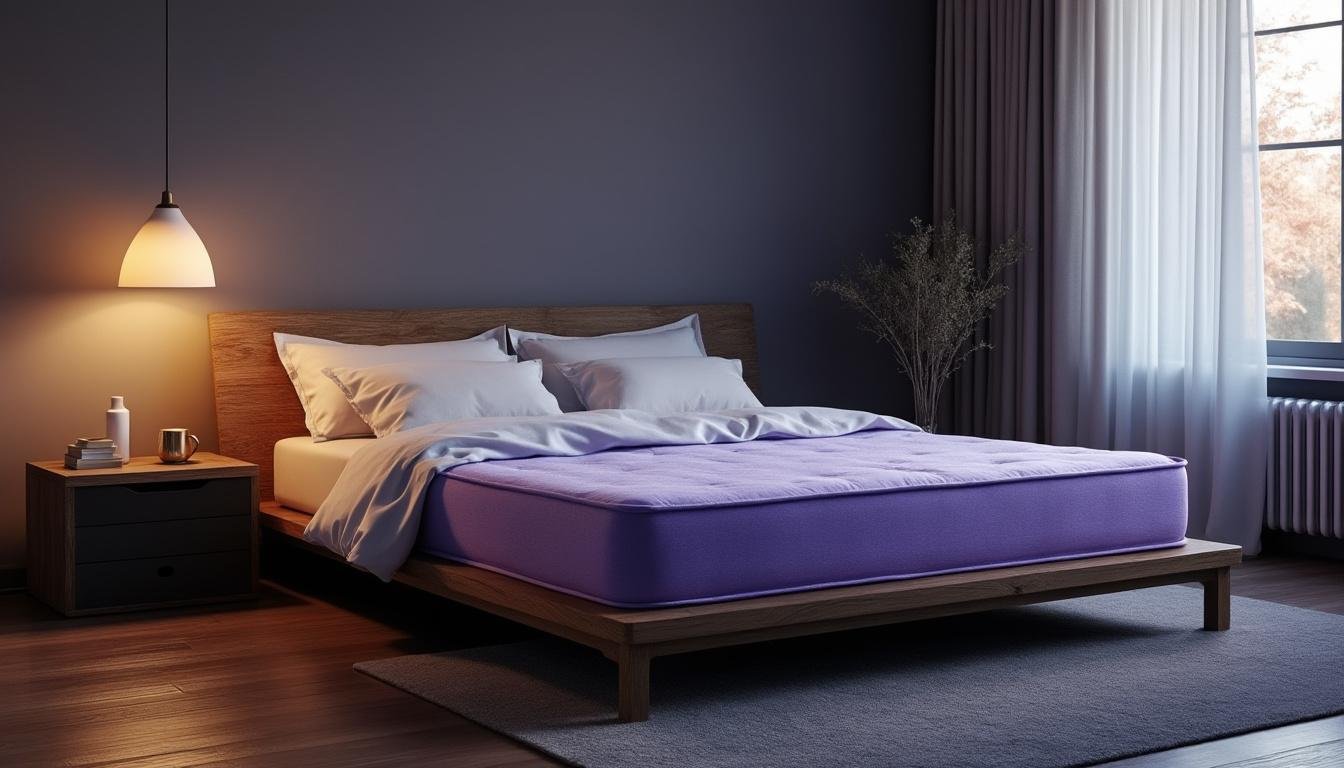
- Keep your bedroom dark, quiet, and cool: Professional mattress brands like Purple Mattress and Sleep Number offer ergonomic designs optimized for temperature regulation and comfort, facilitating better rest.
- Begin winding down at least an hour before bed: Avoid bright lights, stimulating conversations, and intense activities.
- Consider calming herbal teas or supplements: Options like ZzzQuil may assist if you struggle to fall asleep, but always consult with your healthcare provider before starting any new treatment.
- Use mindfulness apps: Calm and Headspace offer guided meditations that reduce stress and prepare your mind for deep sleep.
Research and consumer feedback consistently highlight the profound impact of a serene sleep setting. For strategies on optimizing your bedroom and wind-down routines, resources such as Sleep.com and Everyday Health offer practical advice.

1 Comment
Pingback: Top Tips to Recharge After a Sleepless Night