

Effective Strategies for Shopping with Kids to Promote Healthy Choices
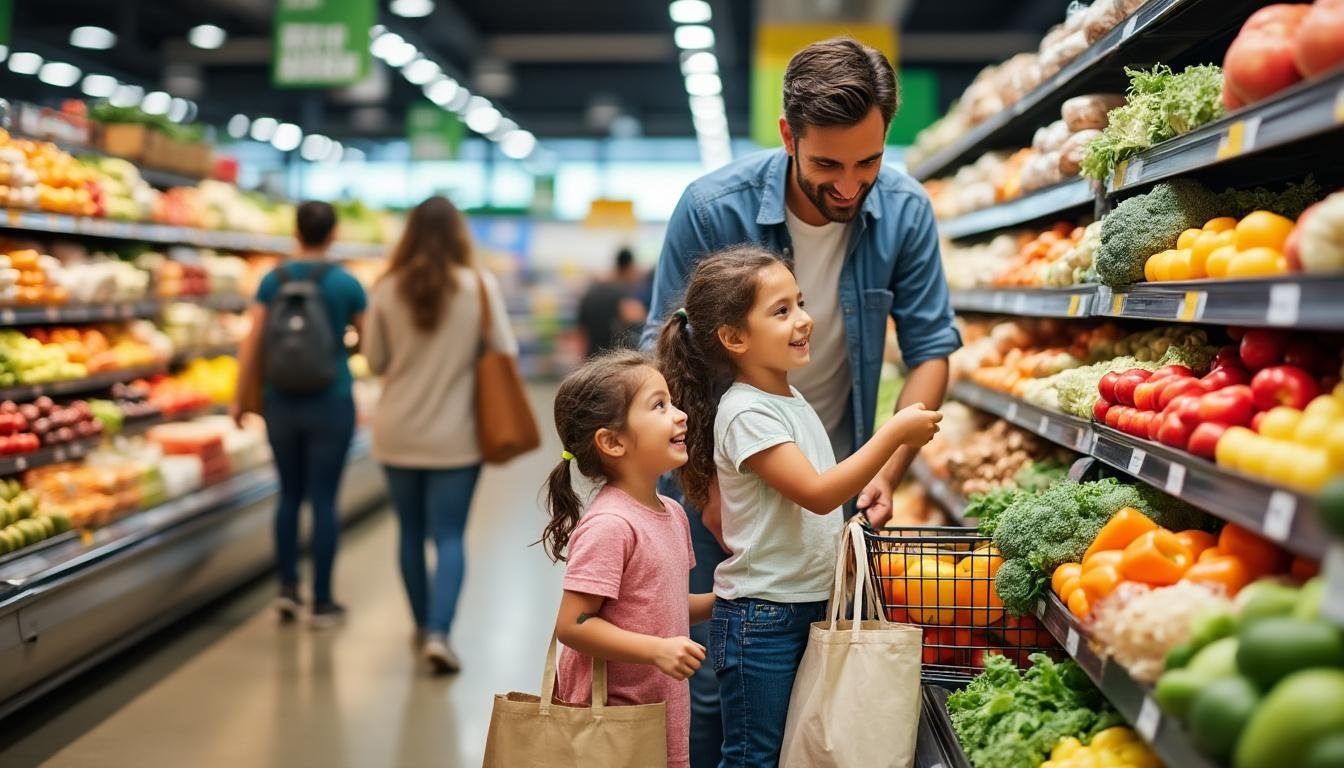
Shopping for groceries with kids in tow can quickly become a challenging experience packed with distractions, impromptu snack demands, and occasional tantrums. However, transforming these trips into educational and engaging excursions is entirely possible and yields lifelong benefits. Dr. Michele Arthurs, a lifestyle medicine physician from Kaiser Permanente, highlights a playful approach where grocery shopping becomes a scavenger hunt. She would guide her children to find specific foods like grapes by offering clues linked to only the food’s characteristics: color, shape, and size. This practice not only dissipates the stress of shopping with children but also nurtures their curiosity about food.
Turning the grocery store into a place of discovery helps children develop an awareness of healthy choices early on. For instance, examining vibrant fruit and vegetable aisles allows kids to visually associate colors with health benefits, stimulating their interest in nature’s bounty. Parents can employ a similar technique by encouraging kids to read food labels alongside them, deciphering ingredients and nutritional information, thus fostering critical thinking about nutrition and food quality.
Walking the aisles as a family can introduce essential concepts like the importance of consuming a diverse diet that balances fruits, vegetables, grains, proteins, and dairy. Grocery stores like Whole Foods Market often showcase organic produce sections and nutrition-rich products such as Annie’s Homegrown and Nature’s Path, which can spark conversations on organic farming and whole foods. Integrating brands reputed for their healthy and kid-friendly options, such as Happy Family Organics or Yummy Spoonfuls, helps children recognize and prefer nutritious snacks over sugary alternatives.
- Turn shopping into a clue-based scavenger hunt to maintain engagement
- Use colorful produce sections to explain the nutrients in each fruit and vegetable
- Read nutrition labels with your children to boost literacy and awareness
- Discuss different food groups and their roles in a balanced diet
- Introduce trusted healthy brands like Annie’s Homegrown and Happy Family Organics
The approach shared by Dr. Arthurs is supported by numerous parenting and health experts who stress the importance of starting these lessons early. Not only does this method make grocery shopping smoother for parents, but it actively empowers kids with knowledge and skills to make healthy choices. For families interested in operational tips combined with educational benefits, resources like Food Fight: How to Handle the Grocery Store with Kids and Teach Healthy Habits provide practical steps and expert insights on maintaining calm and order during shopping excursions.
10 quick checks to spot low-quality supplements before you buy - plus research-backed doses for 12 common ingredients. Free PDF, no spam.
Using Systems and Games in Grocery Shopping to Teach Nutrition
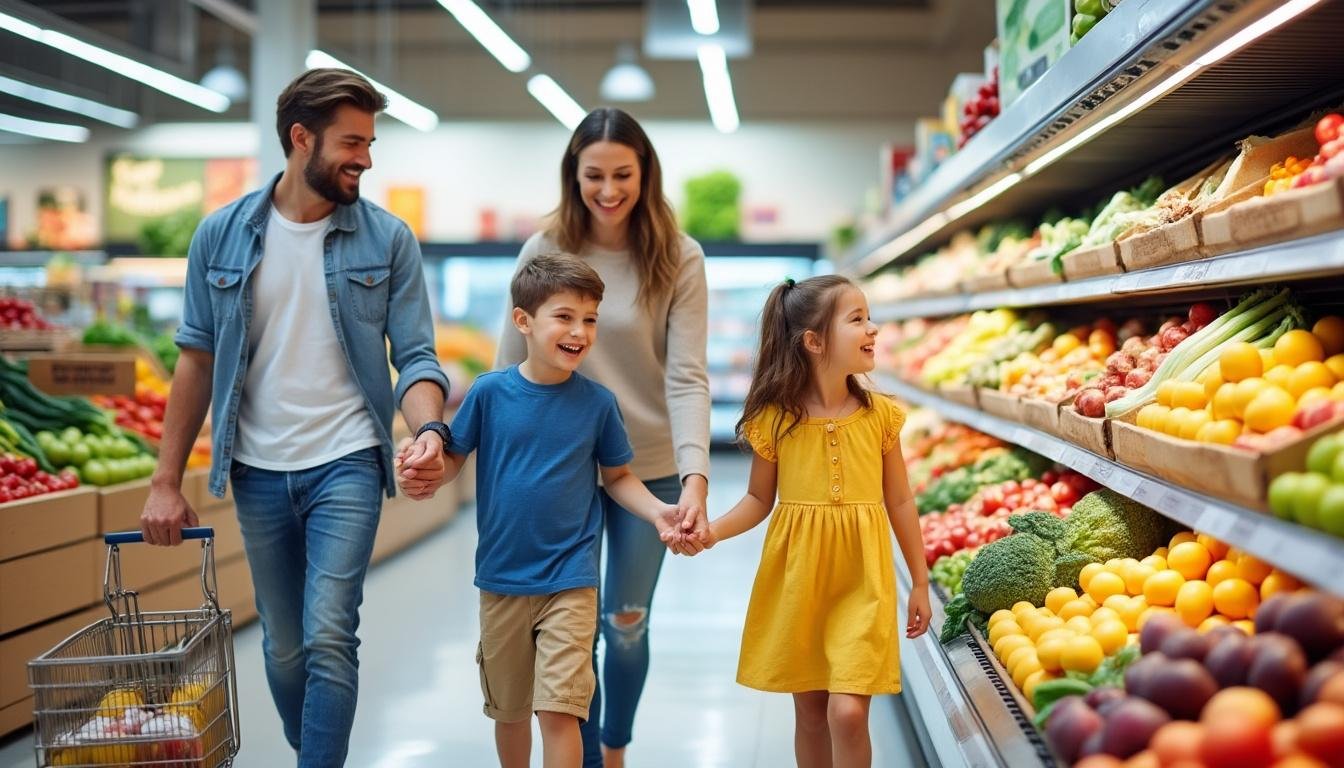
Innovative strategies such as gamification and simple grocery store systems can serve as powerful tools in encouraging children toward healthier eating habits. Leslie Jefferson, a community health program manager with Giant Food, references the Guiding Stars program, a scientifically-backed rating system that marks food items with one to three stars based on their nutrition quality. This visual guide simplifies decision-making for shoppers by signaling better nutritional choices at a glance. Parents can leverage this system as a teaching aid, showing children how to select foods that are nutrient-dense and beneficial to their health.
Additionally, the USDA’s “MyPlate” guideline can become a fun and tangible way to construct balanced meals. Teaching kids that half their plate should be fruits and vegetables, with a quarter allotted to whole grains and the remaining quarter to proteins, visualizes healthy portions effectively. Many parents find success in turning these guidelines into playful challenges or contests during shopping. For example, building a dinner plate with a diverse color scheme from choices like Earth’s Best vegetables, Kind Snacks for wholesome nibbling, and Chobani Kids yogurt can be rewarding and educational.
Dr. Arthurs also creatively uses the shopping cart as a visual metaphor for food pyramid boundaries. In her system, the small top compartment of the cart represents foods to be consumed sparingly—usually treats and highly processed snacks. This spatial restriction gently enforces limits on less nutritious options without harsh rules, allowing children to participate in the process of choosing while understanding moderation. Once the space is filled, no more items of that category are added.
- Apply visual nutrition rating systems like Guiding Stars to select better foods
- Use “MyPlate” as an interactive tool to balance food groups visually
- Introduce shopping cart sections as a game to limit treats and maintain healthy boundaries
- Make nutrition choices a fun challenge rather than a chore
- Incorporate products from reputable healthy brands like Earth’s Best and Chobani Kids
Such methods are adaptable across various store types, including large supermarkets and specialty health food stores. The process promotes autonomy and awareness in children, transforming grocery shopping into an empowering experience. These gentle forms of restriction and positive reinforcement teach lifelong lessons about balance and making wholesome choices amid the variety of temptations typical in aisles full of sugary snacks.
Overcoming Challenges: Common Issues When Shopping with Kids and Solutions
Despite best intentions, grocery shopping with children often poses challenges. Issues such as meltdowns, impulse requests for unhealthy snacks, and distractions can test a parent’s patience. However, addressing these obstacles with thoughtful preparation and technique yields better shopping experiences and healthier eating practices in the long run.
One common hurdle is kids’ fascination with candy and sugary snacks. Dr. Arthurs points out that the grocery store environment teems with temptations. Nevertheless, she views this as an opportunity for education rather than confrontation. Parents can proactively set expectations before entering the store, explaining the goals for the trip and the choices that will be made. Additionally, involving children in making decisions about which snacks to buy, guided by nutrition information and the star rating systems discussed earlier, channels their energy positively.
Moreover, planning visits during less busy shopping hours minimizes stress and overstimulation, making the environment less overwhelming for young children. Bringing along healthy snacks such as mini packs of Kind Snacks or small servings of Yummy Spoonfuls can prevent hunger-driven fussiness. Another helpful strategy is to customize shopping lists with children, letting them pick some healthy favorites within the list’s framework, reinforcing lifelong skills.
- Set clear expectations and discuss goals before entering the store
- Use star rating systems to guide healthy snack choices collaboratively
- Opt for shopping during off-peak hours to reduce environmental stress
- Bring nutritious snacks to stave off hunger-induced agitation
- Create and follow a shopping list that includes children’s input
Parents seeking detailed advice and comprehensive strategies can explore resources such as Nurture Life’s tips for making shopping fun or Flavor365’s ultimate guide on shopping with kids, which contain practical insights to manage grocery trips effectively. With time and experience, shopping with children shifts from a potential ordeal to an opportunity for nurturing independence and promoting enduring healthy eating behaviors.
Integrating Life Skills Through Grocery Shopping Activities
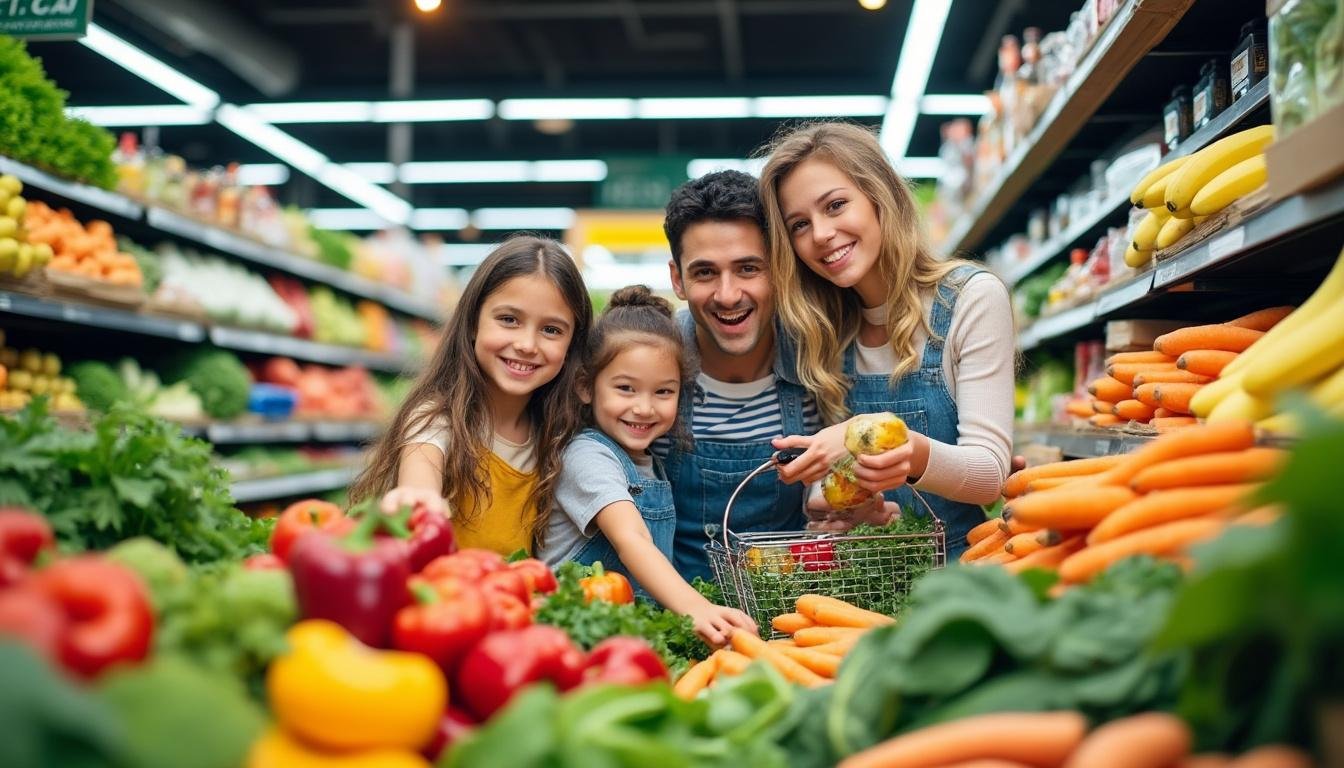
Aside from nutrition education, grocery excursions provide fertile ground for teaching broader life skills that complement healthy living. Skills such as budgeting, reading comprehension, and basic math can be organically embedded in the shopping routine.
For example, parents can teach children how to compare prices and identify cost-effective options by examining unit prices and making simple calculations. This financial literacy fosters mindful spending and appreciation for value, practical skills that align with making healthy choices sustainably. Involving kids in meal planning beforehand also enhances their understanding of time management and foresight.
Reading ingredient lists and nutritional labels enhances literacy and critical thinking. Children learn to differentiate products based on health benefits, additives, or allergens. Tasks like scanning barcodes with smartphone apps that reveal nutritional data make the shopping process interactive and technologically engaging.
Beyond practical skills, shopping also teaches patience, cooperation, and decision-making. Letting children handle parts of the shopping, such as pushing the cart or scanning items, increases their engagement and sense of responsibility. An insightful article on lessons in aisle 5 illustrates how grocery trips can become comprehensive life skill excursions that prepare children for adulthood.
- Incorporate price comparison and budgeting lessons with your children
- Use labels and ingredient lists as literacy-enhancing tools
- Engage children in meal planning to encourage foresight and responsibility
- Turn shopping chores into opportunities for developing patience and cooperation
- Utilize technology to scan items and learn more about nutrition
These life skill-building moments underscore the grocery aisle as much more than a simple transaction space. They lay foundations for health-conscious, financially capable, and communicative individuals. Brands that support wholesome eating like Once Upon a Farm align well with this educational approach by providing nutrient-packed products that families can confidently incorporate into their shopping choices.
Building a Sustainable Foundation for Healthy Eating Habits in Children
Establishing lifelong healthy eating habits starts with managing not just what is purchased but how families engage with food at the source—the grocery store. Parents serving as role models by choosing nutrient-dense foods and involving children in these choices plant seeds that flourish well beyond childhood.
Highlighting nutritious snacks over sugary treats and reading product nutrition facts together creates a normalized culture of health consciousness at home. Subtle swaps, like selecting Chobani Kids yogurt instead of sugary yogurts or replacing processed chips with Kind Snacks, accumulate into significant benefits. Such substitutions not only improve immediate nutritional intake but also influence taste preferences and cravings over the years.
Moreover, community initiatives and programs emphasizing accessible healthy options further empower families. Connecting with resources like strategies for cultivating healthy eating habits provides parents with inspiration and evidence-based practices to nurture lasting wellness. Accessible products from brands committed to organic, nutritious foods such as Annie’s Homegrown and Earth’s Best simplify the transition to better eating patterns.
- Model healthy grocery choices to set a positive example
- Focus on nutrient-dense foods and read nutrition facts with children
- Implement small, family-wide swaps for healthier alternatives
- Leverage community programs and resources to support healthy habits
- Choose trusted brands known for wholesome, organic products
Through these deliberate, consistent efforts, families build sustainable food preferences that protect and enhance children’s health well into adulthood. By fostering enjoyment and knowledge in the grocery aisles, parents shape the foundation of a lifetime of smart, mindful eating decisions.
How can I keep my kids engaged during grocery shopping?
Incorporate games like scavenger hunts, involve them in reading nutrition labels, or use visual systems such as Guiding Stars to make shopping interactive and educational.
What are some good snack brands for kids to promote healthy eating?
Brands like Annie’s Homegrown, Kind Snacks, Happy Family Organics, Yummy Spoonfuls, and Chobani Kids provide nutritious and kid-friendly snack options.
How can the grocery cart be used to limit unhealthy food purchases?
Using the small top compartment of the cart to represent foods to be eaten sparingly, parents can create physical boundaries that help limit treats and sweets.
How do I teach my child about balancing different food groups?
Utilize the USDA’s MyPlate visual by showing children how to fill half their plate with fruits and vegetables, a quarter with grains, and a quarter with protein during grocery shopping and meal preparation.
Are there resources available for parents to improve grocery shopping with kids?
Yes, websites like Home Cooking for Kids and Live Well Magazine offer extensive tips and strategies on making grocery shopping easier and healthier with children.
10 quick checks to spot low-quality supplements before you buy - plus research-backed doses for 12 common ingredients. Free PDF, no spam.
