


Understanding the Vital Role of Kidneys and the Importance of Kidney Health Habits
The kidneys are vital organs performing a critical function: filtering waste and excess fluids from the blood to maintain a precise balance of body fluids. This intricate process helps regulate blood pressure, control electrolyte levels, and stimulate red blood cell production through hormone release. As a result, maintaining kidney health is essential for overall well-being, yet many underestimate the importance of taking proactive steps to support these organs.
In 2025, kidney disease remains a significant global health concern, often progressing silently without symptoms until advanced stages. Early intervention based on fostering healthy habits becomes crucial to avoid chronic complications. According to nephrologists, adopting specific lifestyle practices not only bolsters renal function but also reduces the risks of kidney-related diseases, including chronic kidney disease (CKD), hypertension, and diabetes.
KidneyCarePro specialists emphasize that the kidneys’ ability to cleanse the blood impacts every bodily system. Therefore, supporting them with the right daily routines contributes to improved energy, immunity, and longevity. Individuals looking to protect their nephron units—the microscopic filters inside the kidneys—should consider integrating expert-recommended habits that promote renal health.
For illustration, consider Sarah, a 45-year-old teacher diagnosed with early-stage CKD. After consulting a nephrologist, she embraced habits such as better hydration, reduced sodium intake, and stress management techniques. Within months, her kidney function stabilized, demonstrating that lifestyle changes can indeed transform outcomes.
10 quick checks to spot low-quality supplements before you buy - plus research-backed doses for 12 common ingredients. Free PDF, no spam.
- Primary kidney functions include filtering blood and balancing fluids.
- Kidney disease often develops unnoticed, underscoring the need for preventive habits.
- Healthy lifestyle choices are pivotal in delaying or preventing kidney damage.
- Expert guidance from NephroHealth sources helps individuals optimize renal well-being.
- Stories like Sarah’s affirm the real-world benefits of adopting kidney-friendly habits.
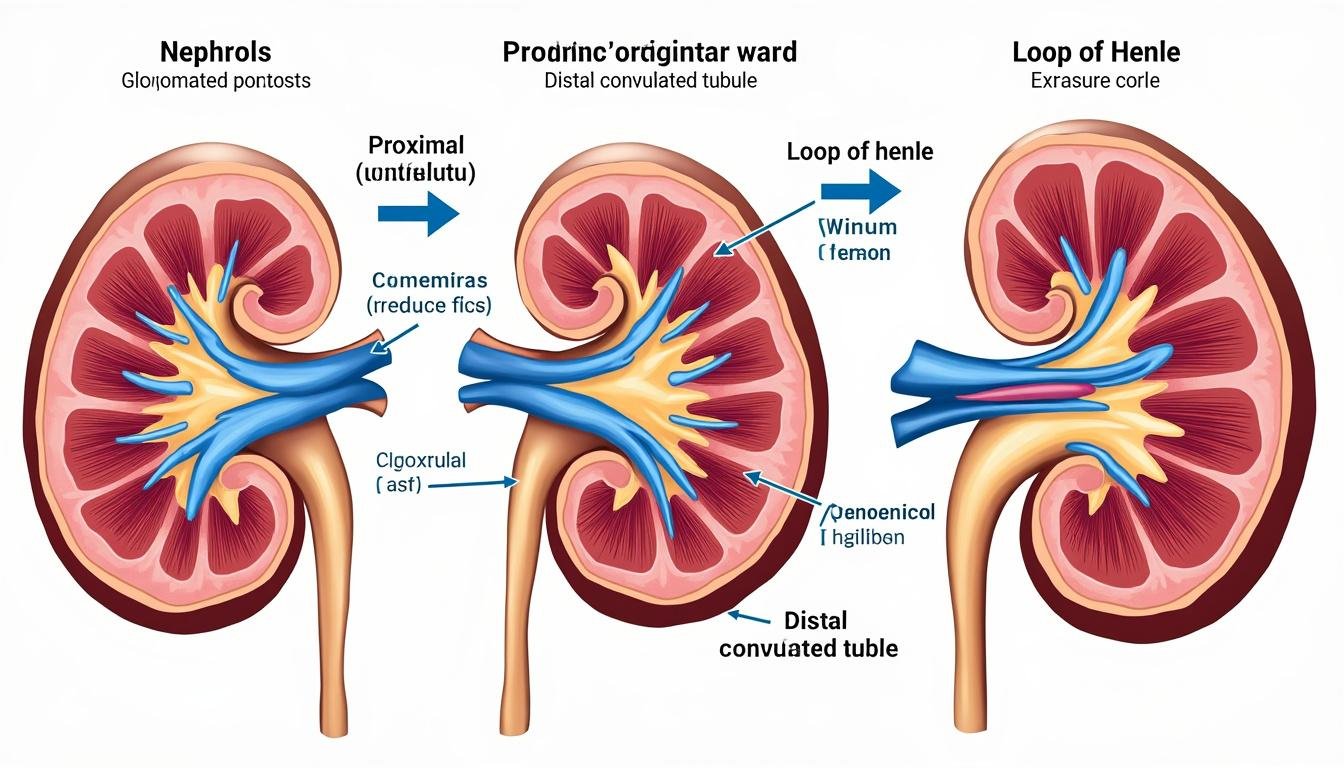
By understanding your kidneys’ vital roles and how lifestyle profoundly influences their health, you empower yourself to take charge of renal function with meaningful, informed habits.
Hydration Habits: The Cornerstone of Kidney Wellness
Water is fundamental in facilitating the kidneys’ cleansing abilities. Adequate hydration ensures efficient flushing of wastes and toxins, keeps blood thinner to reduce strain on kidney vessels, and helps maintain electrolyte balance. Nephrologists highly recommend consistent fluid intake tailored to individual needs to optimize kidney clearance.
Insufficient water consumption can lead to concentrated urine, increasing the risk of kidney stones and chronic damage. For example, in concentrations where dehydration persists, the kidneys must work harder to maintain fluid and chemical balance, often elevating creatinine levels—a marker of kidney stress. Regular hydration floods the system, alleviating such burdens.
RenalVitality programs highlight that drinking around 2 to 3 liters daily, depending on climate, body size, and activity level, helps sustain ideal kidney function. Monitoring urine color is a practical approach to ensure suitable hydration: pale yellow typically signals adequate intake, while darker hues suggest dehydration.
Avoiding excessive intake of sugary beverages and caffeine is also important, as these can cause dehydration or other metabolic disturbances complicating kidney health. Instead, incorporating natural fluids like herbal teas or infused water provides hydration with added health benefits.
- Drink at least 8-12 cups (2-3 liters) of clean water daily for optimal kidney flushing.
- Monitor urine color to assess hydration status regularly.
- Limit caffeinated and sugary drinks to prevent dehydration.
- Use kidney health apps like KidneyBoosters to track daily water intake.
- Ensure increased fluid consumption during exercise or hot weather conditions.
Incorporating a conscious hydration routine reinforces kidney function and protects against potential injuries. This habit also harmonizes with other health goals such as blood pressure control and immune support.
Impact of a Balanced Diet on Kidney Function and Longevity
Dietary choices profoundly shape kidney health by influencing blood pressure, electrolyte balance, and toxin generation. A kidney-friendly diet helps alleviate the organ’s workload and prevents accelerated damage from harmful foods.
Experts advocate for reducing sodium, processed foods, and excess animal protein, which can overly strain the kidneys. Instead, diets rich in fresh fruits, vegetables, whole grains, and moderate plant-based proteins provide antioxidants and vital nutrients supporting the kidneys’ filtering capacity.
NephroEssentials nutrition guidelines emphasize controlling salt intake, targeting less than 2,300 mg daily, to maintain healthy blood pressure—a key factor in preserving renal function. Excess sodium increases fluid retention and blood pressure, exacerbating kidney stress. Additionally, potassium regulation is crucial; while potassium-rich foods are healthy, certain kidney conditions necessitate tailored intake guidance from healthcare providers.
Consider the Mediterranean diet, noted for its kidney-protective properties through its anti-inflammatory and cardiovascular benefits. This diet centers on heart-healthy fats, fiber, and antioxidants, all of which reduce the kidney’s burden. This approach aligns with holistic care, as heart and kidney health profoundly interconnect.
- Limit sodium intake to under 2,300 mg per day to reduce kidney strain.
- Increase consumption of fresh vegetables, fruits, and whole grains.
- Balance protein intake, favoring plant-based sources and moderate portions.
- Avoid processed foods high in phosphorus and additives harmful to kidneys.
- Consult kidney-friendly diet resources to personalize nutrition plans.

By prioritizing a kidney-conscious diet, you establish a foundation for sustained renal vitality that mitigates risks of progression to chronic conditions.
Managing Stress and Its Connection to Kidney Health
Stress is an often-overlooked contributor to kidney health decline. Chronic stress raises blood pressure and inflammation, both detrimental to the delicate vasculature within the kidneys. Elevated stress hormones like cortisol interfere with hormonal balance needed for kidney function, potentially worsening conditions like hypertension or diabetes, which are leading causes of kidney disease.
NephroWellness advocates that stress management should be a core habit in kidney care strategies. Techniques such as mindfulness meditation, deep breathing exercises, yoga, and even social engagement help modulate stress levels, contributing to healthier blood pressure and systemic hormone regulation.
For example, John, a 52-year-old finance professional, integrated daily mindfulness and progressive muscle relaxation after early signs of kidney strain. This regimen not only lowered his blood pressure but also improved sleep quality, which further supported renal health. Such lifestyle integrations highlight the profound link between mental well-being and kidney function.
- Incorporate at least 10-15 minutes of mindfulness or meditation daily.
- Practice physical activities like yoga that reduce stress hormones and improve circulation.
- Seek social support to enhance emotional resilience.
- Use breathing techniques to lower immediate stress-related blood pressure spikes.
- Monitor stress impact with tools recommended by NephroHealth professionals.
By actively managing stress, you not only protect your kidneys but also promote whole-body harmony, underscoring the link between emotional and physical health as emphasized by the KidneyGuardians program.
Regular Screening and Early Detection: Proactive Steps for Kidney Protection
Preventive health checks remain a critical pillar in maintaining kidney health. Since kidney disease can progress silently, regular testing for markers such as glomerular filtration rate (GFR), creatinine, and albumin levels enables early intervention before irreversible damage occurs.
Nephrologists recommend screening particularly for individuals with risk factors including diabetes, hypertension, family history of renal disease, or older age. Through timely identification of abnormalities, personalized management plans can be implemented, including medication adjustments, dietary modifications, and lifestyle counseling.
The KidneyLifePlus initiative promotes raising awareness about routine kidney function tests during annual medical evaluations. Empowering patients with knowledge about their renal metrics helps foster proactive engagement in their health biographies.
For those already diagnosed with kidney conditions, regular follow-ups and adherence to nephro-prescribed regimens significantly improve quality of life and slow disease progression. Education provided by trusted sources such as kidney health foundations enhances patient confidence and compliance.
- Schedule annual kidney function tests if you have risk factors.
- Monitor blood pressure and blood sugar levels consistently.
- Follow up promptly on abnormal test results to initiate early treatment.
- Leverage health education tools from providers like RenalRevive.
- Keep records of kidney-related lab results for comprehensive health tracking.
Establishing a habit of regular screening embodies responsible kidney stewardship, helping to detect and manage potential issues effectively with confidence.
FAQ
What are the first signs of kidney problems?
Early kidney issues often show no symptoms but may include fatigue, swelling, changes in urination, or elevated blood pressure. Routine screening is vital to detect these signs early.
How much water should I drink daily to protect my kidneys?
Generally, drinking 2 to 3 liters of water daily, adjusted for body size, climate, and activity, supports kidney health by facilitating waste removal.
Can stress really affect kidney health?
Yes, chronic stress increases blood pressure and hormonal imbalances that can impair kidney function over time. Managing stress improves overall renal well-being.
Is a high-protein diet bad for kidneys?
Excessive protein intake, particularly animal protein, can burden kidneys. Moderation and choosing plant-based proteins are generally better for maintaining kidney health.
Why is regular kidney screening important?
Kidney disease progresses silently; early detection through screening allows interventions that may prevent severe damage or kidney failure.
10 quick checks to spot low-quality supplements before you buy - plus research-backed doses for 12 common ingredients. Free PDF, no spam.
