

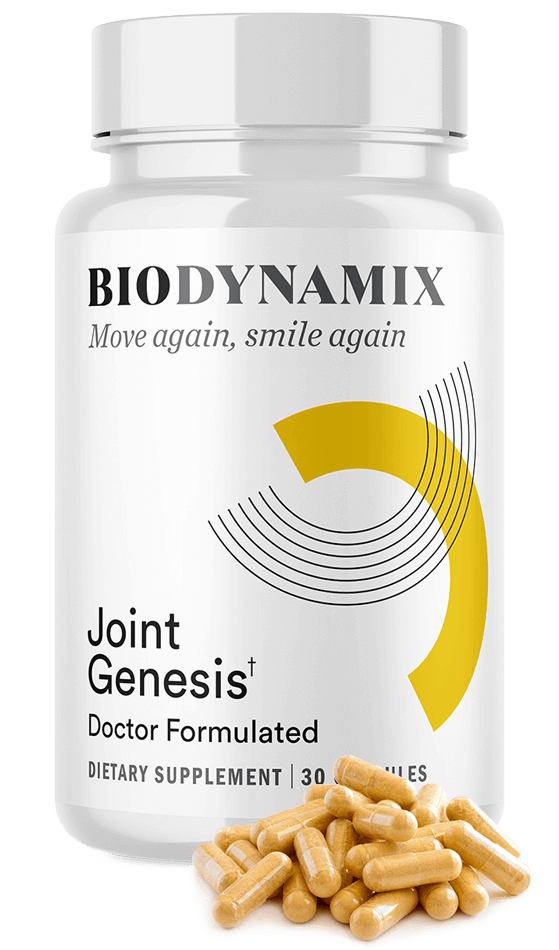
Joint Genesis side effects and safety: risks, interactions and who should avoid it
Joint Genesis is marketed as a supplement that supports joint comfort by addressing declining hyaluronan levels. If you’re researching safety, side effects and whether it’s suitable for you, start by reading our in-depth review — safety and side effects covered in our Joint Genesis review — which goes deeper into ingredients and claims.
What the maker claims and what that means for safety
The Joint Genesis sales material says the formula targets hyaluronan (a molecule sometimes called hyaluronic acid) to help maintain the lubricating quality of synovial fluid. These are promotional claims about potential benefits. They do not replace clinical evidence or medical advice, and they do not mean the product is free from side effects or interactions.
Known or commonly reported side effects
There isn’t a publicly available full ingredient list on the sales copy we used, so any side-effect information must be generalised. Supplements that contain hyaluronic acid (or related compounds) and common joint-support nutrients can sometimes cause:
- Gastrointestinal upset — nausea, bloating, diarrhoea or constipation in some people.
- Headaches or dizziness — occasionally reported with oral joint supplements.
- Allergic reactions — rash, itching or, very rarely, more severe reactions in people allergic to an ingredient or an excipient (filler, binder or capsule material).
- Injection-site reactions — only relevant if a product is given by injection; Joint Genesis is marketed as an oral supplement, so this is unlikely unless a clinical product is used elsewhere.
Because the product is positioned around hyaluronan, people familiar with hyaluronic acid supplements may expect similar tolerability. However, individual responses vary and the absence of reported serious adverse events on promotional pages does not guarantee safety for everyone.
10 quick checks to spot low-quality supplements before you buy - plus research-backed doses for 12 common ingredients. Free PDF, no spam.
Who should be cautious or avoid Joint Genesis
Caution is sensible in the following groups:
- Pregnant or breastfeeding women — many supplements are not studied adequately in pregnancy or lactation; speak to your GP or midwife first.
- People on prescription medicines, especially blood-thinning drugs (anticoagulants) — some joint ingredients and herbal co‑supplements can affect bleeding risk or interact with medication. Always check with a pharmacist or doctor.
- Those with known allergies — check product labels carefully for allergens, including shellfish (sometimes present in glucosamine supplements) or botanical extracts.
- People with autoimmune conditions or on immunosuppressants — discuss with your specialist; changes in immune-modulating supplements could be relevant.
- Children and adolescents — most supplements are marketed for adults; consult a paediatrician before use.
- People due to have surgery — some supplements can affect bleeding or recovery; it’s common to stop such products 1–2 weeks before elective surgery on advice from your surgeon.
Possible interactions
Without a confirmed ingredients list it’s not possible to detail every interaction, but consider these typical concerns with joint supplements:
- Anticoagulants and antiplatelet drugs — supplements that influence blood clotting, even indirectly, may increase bleeding risk.
- Non-steroidal anti-inflammatory drugs (NSAIDs) — combining several agents that affect inflammation could increase side-effect burden for some people.
- Prescription medication metabolised in the liver — some herbal extracts alter liver enzymes and therefore drug levels; always check with a pharmacist.
How to reduce your risk
- Read the full ingredients list and label instructions before buying. Look for manufacturing details and contact information.
- Start at the lowest recommended dose to assess tolerance, unless advised otherwise by a clinician.
- Buy from reputable suppliers with clear return and safety policies; avoid products that make definitive medical claims.
- If you experience any worrying symptoms (hives, swelling, persistent GI upset, breathlessness), stop taking the product and seek medical advice immediately.
- Report any suspected adverse reaction to the manufacturer and to the UK’s Yellow Card scheme (MHRA) so regulators can monitor safety signals.
What to ask your GP or pharmacist
Before trying Joint Genesis, ask whether it might affect any conditions you have or medicines you take, and whether routine monitoring is advisable. Specific questions that can help your clinician advise you include:
- Do any ingredients interact with my medication (for example, blood thinners)?
- Is it safe for me to start this supplement given my medical history?
- Are there any tests or precautions you recommend while I’m taking it?
For more details on ingredients and the marketing claims made by the makers of Joint Genesis, see our full review: safety and side effects covered in our Joint Genesis review.
Check Joint Genesis availability →
If you notice persistent or severe side effects while taking a supplement, stop it and seek medical attention. Reporting adverse reactions helps improve safety monitoring for everyone.
Medical disclaimer: This article is informational only and not a substitute for personalised medical advice from a qualified clinician.
Related reading
- Joint Genesis review: full verdict
- Joint Genesis vs other joint supplements: comparison with glucosamine, MSM and turmeric formulas
- Managing osteoarthritis pain naturally: evidence-based diet, exercise and lifestyle strategies
10 quick checks to spot low-quality supplements before you buy - plus research-backed doses for 12 common ingredients. Free PDF, no spam.
