


Wearable Technology: Transforming Personal Health Monitoring for a Healthier Future
Wearable technology has surged in popularity over recent years, integrating seamlessly into everyday lives and ushering in a new era of health monitoring and fitness tracking. In 2026, the adoption of smart devices designed for personal health continues to expand globally, with projections estimating a 12.8% market growth from 2025 to 2030. This growth reflects a significant shift toward digital health solutions, where equipment like smart watches, fitness bands, and smart rings have become as essential as smartphones for millions.
Research from 2023 already highlighted that nearly one in three Americans utilize these smart devices alongside their phones specifically to monitor aspects of health and activity. Their appeal lies not just in convenience, but in the richness of health data they provide in real-time monitoring. Unlike the traditional approach to health check-ups confined to periodic doctor visits, wearable technology offers continuous feedback about vital signs, activity levels, sleep quality, and other physiological metrics.
Mark Benden, a respected environmental and occupational health expert from Texas A&M University, stresses that recent advances in wearable tech have considerably enhanced the accuracy and value these devices offer consumers. The evolution of technology in just five years has tremendously boosted the reliability of collected data, providing a robust foundation for users to manage and improve their wellness proactively.
One striking feature that sets wearables apart is their ability to engage users through motivation and gamification. By creating personalized challenges, rewarding steps taken, or tracking progress against goals, these digital tools incentivize movement and healthier lifestyle choices. The behavioral change prompted by such interaction isn’t trivial; it addresses the root of many chronic diseases prevalent in modern society. Encouraging more physical activity and attentive self-care can extend not just lifespan but more importantly the health span—the period one lives free from severe ailments.
In clinical environments, the adoption of wearables paves the way for a revolution in preventive care. With the availability of longitudinal data, physicians gain unprecedented insights into patient health trends, enhancing diagnostic accuracy and reducing guesswork during office visits. For example, continuous heart rate trends can signal the need for further cardiovascular evaluation beyond a snapshot measurement at the clinic.
The promise of wearable technology aligns with a broader movement towards wellness innovation, where healthcare becomes increasingly personalized, accessible, and driven by data. This trajectory suggests a future where continuous self-monitoring empowers individuals to become active partners in managing their health, ultimately fostering a culture centered on prevention rather than treatment.

Motivation and Gamification: Unlocking Behavioral Change Through Smart Devices
One of the most compelling aspects of wearable technology lies in its ability to motivate users to maintain healthier habits. Traditional health advice often struggles to break through the daily routine; however, wearables introduce dynamic feedback loops that engage users actively. The incorporation of gamification in these devices transforms health management from a passive task into an enjoyable challenge.
Wearable devices leverage algorithms that award points for achieving steps, meeting activity goals, or maintaining consistent sleeping patterns. Conversely, missing objectives can lead to point deductions. This system of rewards not only encourages adherence to fitness plans but also cultivates long-term habits by keeping individuals psychologically engaged. The challenge itself becomes enjoyable, reducing the mental friction often associated with lifestyle changes.
This gamification also provides measurable milestones, making progress tangible and encouraging friendly competition among peers or communities. For instance, some platforms allow users to create groups or challenges where mutual encouragement and social accountability play a significant role in sustaining motivation.
Moreover, the adaptability of these smart devices means they can cater to users with varying fitness levels and health goals. Whether someone is a seasoned athlete or a beginner aiming for better daily activity, personalized feedback and goal-setting can be dynamically adjusted, promoting inclusiveness in health innovation.
Examples abound of wearable users celebrating achievements like reaching 10,000 steps daily or improving sleep regularity, often sharing these successes on social media for additional encouragement. The ripple effect accomplishes more than individual health improvements; it nurtures supportive environments and communities centered around wellness.
In workplaces, wearable devices are increasingly integrated into occupational health programs to foster better health habits among employees. Tracking steps, heart rates, and sleep patterns can identify fatigue or stress early, prompting interventions that improve productivity and reduce absenteeism. Optimized use of these technologies thus benefits not only personal well-being but also broader organizational wellness strategies.
In conjunction with advancements in digital health, wearables challenge the health sector to think creatively about how behavioral economics and technology converge. When people enjoy their health tools and see quick, positive feedback, they are more likely to commit to lifestyle changes long-term, sparking a potential revolution in public health outcomes worldwide.
Challenges and Considerations: Mindful Use of Wearable Technology for Balanced Wellness
Despite the promising advantages, it’s important to acknowledge that constant health tracking is not without its drawbacks. Some users may develop undue dependence on their devices, allowing data to dictate behavior excessively, which can inadvertently foster stress or anxiety related to health metrics.
Mark Benden highlights the psychological risks involved when users obsess over every alert or statistic their wearable provides. For vulnerable individuals, this may exacerbate body image issues or mental health challenges. As a result, experts recommend customizing alert settings and focusing on broader health trends rather than micro-managing every data point. This balanced approach helps ensure technology remains a helpful tool rather than a source of tension.
Beyond psychological effects, wearables depend heavily on algorithm-driven data analysis. Unlike research-grade monitoring equipment, consumer technology incorporates a margin of error that users must understand to avoid misinterpretations. For example, step counts might vary slightly depending on device calibration, and heart rate measures can be influenced by external factors.
Benden suggests treating wearable data as a guide to overall wellness, not as absolute truth. Just knowing an approximate estimate of daily activity, like reaching around 8,000 steps, can be sufficient motivation to stay active without obsessing over exact numbers.
Additionally, privacy remains a concern. The extensive data collected by wearables raises questions about data security, especially when devices sync with various apps and cloud services. Users should remain aware of data sharing permissions and opt for companies prioritizing robust privacy policies to protect sensitive information.
Wearable tech’s future also depends on how effectively users incorporate this technology into their daily lives without letting it dominate their time or focus. Sustainable health improvements often come from integrating technology as a supportive aid that complements rather than replaces human decision-making and habitual wisdom.
For those considering the investment in wearable health devices, it is crucial to learn the full capabilities of their device and understand its limits to maximize benefits. Harnessing technology with awareness and moderation paves the way for healthier living without unintended consequences.
Expanding Horizons: Wearable Technology Impacting Diverse Population Segments
The potential applications of wearable technology are broad and rapidly evolving, extending well beyond personal fitness enthusiasts to impact various demographic groups. In occupational health, manufacturers and service companies employ wearables to monitor workers’ safety in physically demanding or hazardous environments. Real-time alerts for elevated heart rate, fatigue, or exposure to harmful conditions can prevent accidents and long-term health issues.
In educational settings, wearable devices tailored for children promote healthy habits early. Schools can support students’ well-being by integrating preventive care and physical activity monitoring, fostering mindful attention to health from a young age. Such involvement has led to initiatives like the one at Brady Public Schools, where habit formation and wellness programs utilize wearables to track and encourage students’ engagement in fitness and mental well-being activities.
For the elderly, smart devices offer an invaluable connection to ongoing health monitoring—a vital tool for managing chronic conditions and maintaining independence. Enhanced features such as fall detection, medication reminders, and heart rhythm monitoring contribute to safety and quality of life in aging populations. These advancements reflect a growing emphasis on personalized health, where technology adapts to meet the unique needs of different life stages.
While wearables continue to evolve, integration with broader healthcare systems is accelerating. Physicians and healthcare providers are increasingly recognizing the utility of continuous data to inform diagnostic and treatment decisions. Smart devices could soon become standard tools for early detection and management of respiratory conditions, cardiovascular disease, and metabolic disorders.
The integration of wearable health technology with telemedicine platforms also heralds a new paradigm in healthcare delivery. Patients living in remote or underserved areas gain access to remote monitoring, receiving expert advice without frequent travel. This intersection enhances equity in health outcomes and complements traditional clinical visits.
The growing acceptance of wearables across society exemplifies their role as a cornerstone of wellness innovation. Their ability to transform health outcomes on individual and community scales makes them indispensable in the contemporary healthcare landscape.
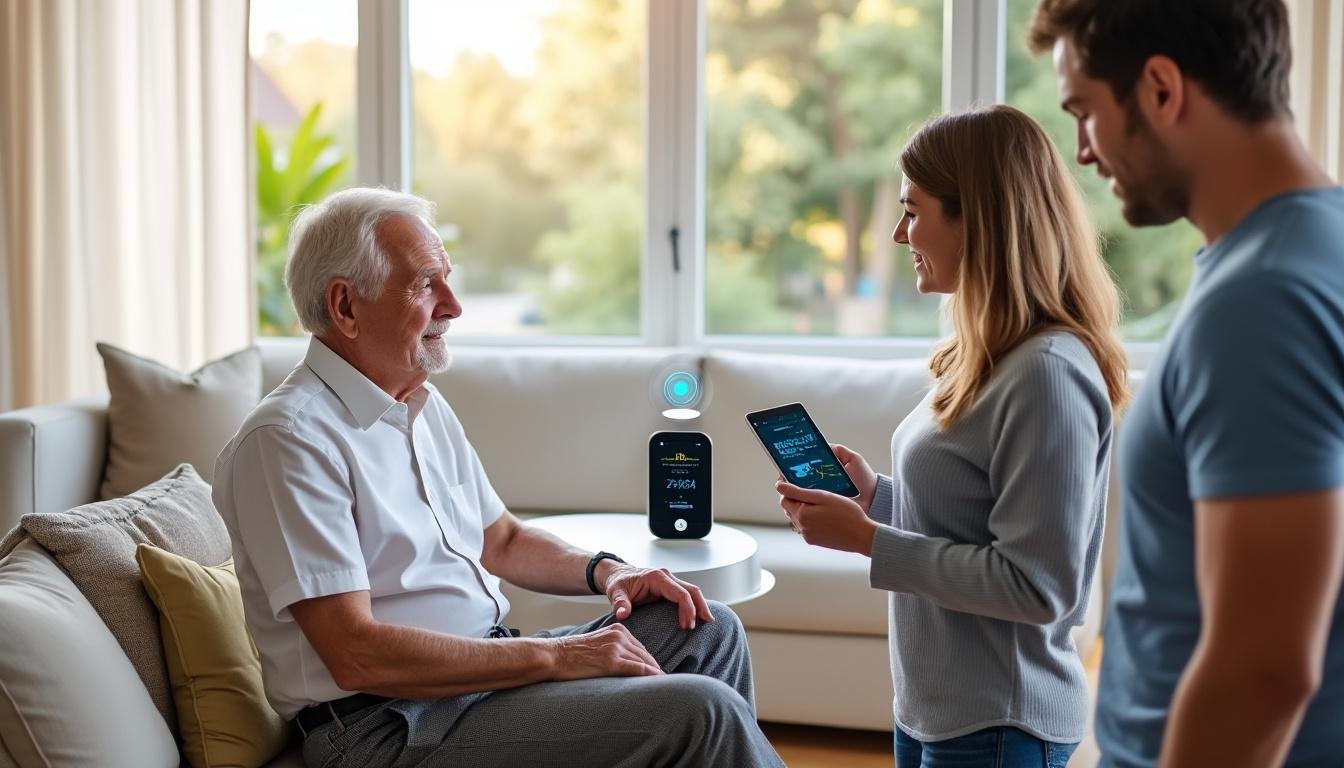
Personalized Health and the Future of Real-Time Monitoring in Preventive Care
Wearable technology is reshaping the concept of healthcare from reactive to proactive care. The future lies in leveraging personalized health insights through continuous real-time monitoring to anticipate and prevent illness rather than merely treating symptoms. This shift is already underway and promises to revolutionize patient outcomes.
By collecting and analyzing individual health metrics such as heart rate variability, sleep patterns, oxygen saturation, and activity levels, wearables enable highly tailored feedback. Such data allows personalized recommendations optimized for unique physiology, lifestyle, and health goals. For example, adaptive coaching can prompt changes in routine when deviations are detected, such as increasing activity after prolonged sedentary periods or improving sleep hygiene based on nightly trends.
Preventive care benefits significantly from this approach. Continuous monitoring can detect subtle warning signs that would otherwise evade traditional episodic clinical exams. This early identification facilitates timely interventions, reducing the risk of serious complications or hospitalizations. Consider the case where an ongoing pattern of elevated heart rate might indicate early cardiovascular strain, prompting swift clinical evaluation and lifestyle adjustments.
Healthcare providers are integrating wearable data into electronic health records, fostering seamless communication and real-time decision-making. This integration lays groundwork for more personalized, efficient, and patient-centered care models.
Innovation extends beyond just physical health; mental wellness applications harness wearable data to manage stress, mood, and cognitive function. Insights into physiological responses during anxiety or fatigue can prompt mindfulness exercises or behavioral adjustments, enhancing overall mental well-being.
Wearable technology also aligns with the rise of artificial intelligence in health, using machine learning to refine algorithms based on massive datasets. This ongoing evolution ensures that device accuracy and predictive capabilities improve continually, broadening their usefulness.
For anyone interested in adopting healthier habits using technology, numerous expert guides offer practical tips. For instance, advice on incorporating daily habits that boost health, fitness, and energy can be found at resources such as LiveWell Magazine. The combination of expert knowledge and wearable technology thus forms a powerful tool to spark a profound revolution in healthier living.
What are the main benefits of wearable technology for health?
Wearable technology offers continuous health monitoring, increases motivation through gamification, provides valuable health data to users and doctors, promotes preventive care, and supports personalized health management.
How can wearable devices motivate healthier lifestyle choices?
Many wearables incorporate gamification by rewarding activity achievements and promoting challenges that make fitness engaging and fun, encouraging users to maintain healthy routines.
Are there any downsides to wearing health devices constantly?
Excessive reliance on wearable data can cause stress or mental health concerns in some individuals, especially if they become obsessed with constant monitoring. Users should customize alert settings and approach data as guidance rather than absolute truth.
How do wearables help in preventive healthcare?
By providing continuous real-time data, wearables detect early signs of health issues, enabling timely interventions and more personalized healthcare planning to prevent illness progression.
Will wearable technology benefit all age groups?
Yes, wearables have applications across diverse populations, including children, working adults, and the elderly, improving safety, health awareness, and quality of life in many contexts.
