

Finessa vs probiotics: an evidence‑aware comparison
If you’re weighing up Finessa against standard probiotics for gut and liver support, this article explains how each is marketed, what they aim to do, and practical points to help you choose. For an in‑depth look at the product itself, Compare options with details in our Finessa review.
What is Finessa (how it’s marketed)?
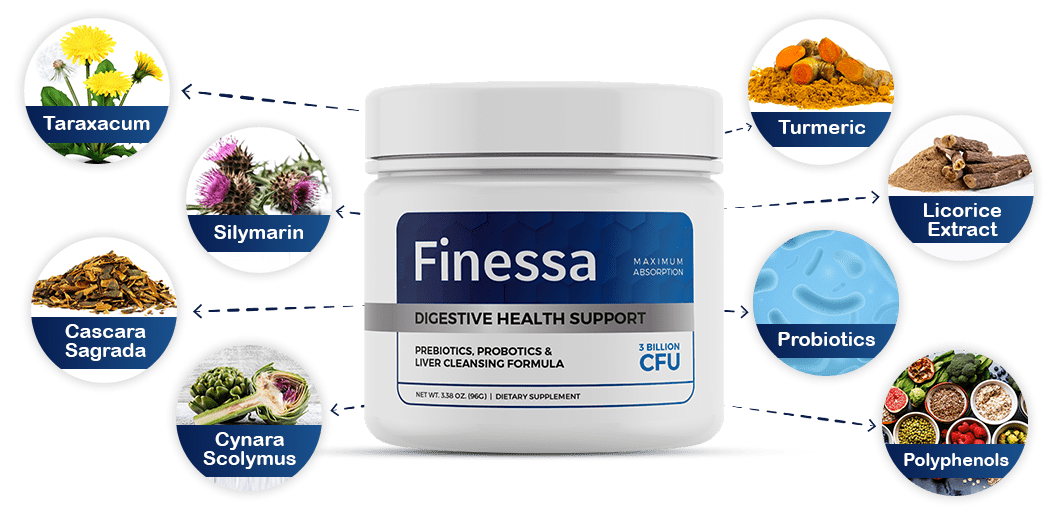
Finessa is sold as a powdered daily elixir. The maker claims it targets the “gut‑liver axis,” boosting bile flow, supporting the gut lining, flushing out waste and helping with smoother digestion, a flatter belly and more energy. The sales material also markets wider benefits such as supporting healthy cholesterol, balanced blood sugar and a lifted metabolism. The product is presented as being mixed into water or a drink each morning.
What are probiotics (and what are they marketed to do)?
Probiotics are live microorganisms — usually bacteria such as Lactobacillus or Bifidobacterium strains, or yeasts like Saccharomyces boulardii — that are marketed to support gut microbiota balance. Makers commonly claim probiotics can help with occasional bloating, diarrhoea, constipation, and may support general digestive comfort. Probiotic benefits are often strain‑specific, and formulations vary widely in species, dose (colony‑forming units, or CFU) and delivery format (capsules, powders, fermented foods).
How Finessa and probiotics differ
- Mechanism marketed: Finessa emphasises ingredients that the maker says support bile flow and the gut‑liver interaction. Probiotics focus on repopulating or influencing gut microbes directly.
- Targets: Finessa is positioned as supporting digestion, liver‑related processes (via bile) and metabolism. Probiotics are positioned primarily for microbial balance and intestinal symptoms.
- Formulation: Finessa is a blended elixir powder with multiple nutrients. Probiotics are single‑ or multi‑strain live cultures; some products combine prebiotics or digestive enzymes.
- Evidence considerations: Probiotic effects are well‑studied but highly strain‑specific — some strains have clinical evidence for IBS symptoms, antibiotic‑associated diarrhoea or constipation, while others do not. Product marketing for Finessa references the gut‑liver axis as a rationale; however, broad claims about multiple benefits should be viewed in light of available clinical research, which varies by ingredient.
Which is likely to address gut issues?
If your main concerns are occasional bloating, diarrhoea or constipation, certain probiotic strains have the strongest clinical track record for those specific symptoms — but you need the right strain and dose. Finessa is marketed as a general digestive and liver‑support formula; some people may notice symptom relief, particularly if ingredients aim to support bile production or digestion, but individual responses vary.
Which is likely to support the liver?
Most probiotics are promoted for gut microbial balance rather than direct liver support, although the gut‑liver axis is an area of active research. Finessa positions itself around that axis and claims to optimise it. That said, claiming a benefit and proving it in clinical trials are different: look for studies on the exact ingredients and formulations when assessing liver‑related claims.
Safety, storage and practical points
- Safety: Both types of products are generally well tolerated by healthy adults. People who are immunocompromised, pregnant, or taking medication should check with their GP before starting a new supplement.
- Storage: Probiotics often require refrigeration or specific storage to keep viable; check the label. Powders like Finessa usually have different storage instructions.
- Transparency: For probiotics, look for clearly listed strains and CFU counts. For multi‑ingredient powders, check the ingredient list and serving size so you know what you’re taking.
Can you take Finessa and probiotics together?
In many cases people combine gut‑supporting approaches — for example pairing a probiotic with dietary changes or with products that target digestion. There’s no universal rule, but you should check product labels for interactions and consult a pharmacist or GP if you’re on medications or have health conditions. Combining a targeted probiotic (with proven strain‑level data) and a digestive support powder may be appropriate for some people, depending on goals.
How to choose
- Decide your primary goal: targeted relief of bowel symptoms (look for strain‑specific probiotics) vs broader digestive and liver‑targeted support (consider multi‑ingredient powders marketed for the gut‑liver axis).
- Check transparency: strain names, CFU counts for probiotics; full ingredient list and serving size for blends.
- Look for independent reviews and, where available, clinical evidence on the exact product or its key ingredients.
- Speak to your GP or pharmacist if you have a medical condition, take medicines, or are pregnant or breastfeeding.
If you’re curious about Finessa specifically and whether it fits your goals, you can check current availability below.
Choosing between a marketed gut‑liver formula and a probiotic comes down to your individual symptoms, the evidence behind specific strains or ingredients, and safety considerations. When in doubt, seek personalised advice from a healthcare professional.
Medical disclaimer: This article is informational only and is not medical advice. Consult your GP before starting any new supplement.
