


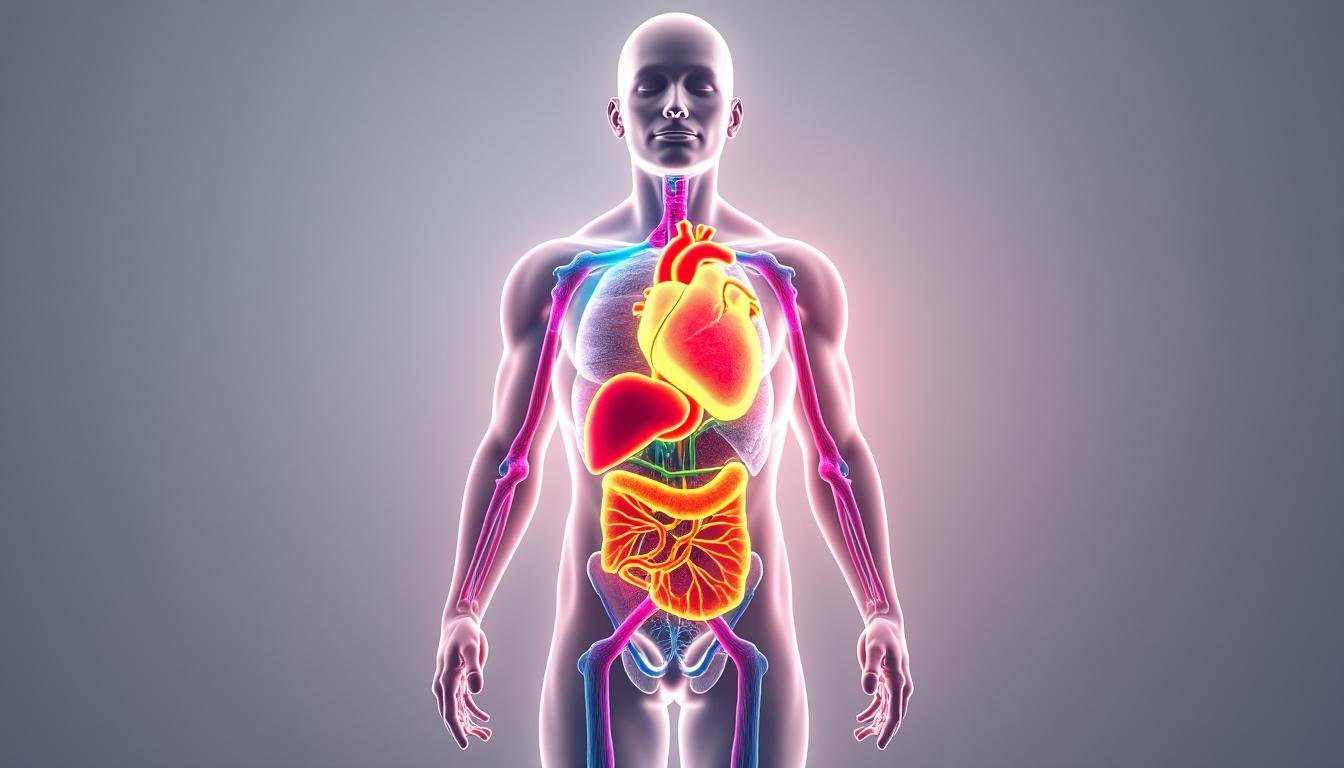
Heart health is no longer seen merely as a narrow medical concern but as a foundational element influencing the wellness of the entire body. Emerging research highlights that embracing heart-healthy habits contributes far beyond preventing cardiovascular disease — these habits enhance cognitive functions, strengthen muscles, fortify the immune system, and improve overall longevity. The American Heart Association’s Life’s Essential 8 framework has shifted the healthcare narrative by underscoring comprehensive lifestyle practices like nutritious eating, physical activity, quality sleep, and monitoring critical health markers such as blood pressure and cholesterol. Conscious choices today, enriched by insights from contributors like Healthline and brands such as Nature Valley and KIND Snacks promoting wholesome nutrition, pave the way for a vibrant life with fewer chronic ailments.
The latest systematic reviews from prominent institutions, including research published in the Journal of the American Heart Association, confirm that the benefits of ideal cardiovascular health extend head to toe. Maintaining these habits influences vital functions not only within the circulatory system but also across the brain, lungs, eyes, and kidneys, demonstrating a remarkable interplay between cardiovascular wellbeing and general health. In 2025, these findings amplify the importance of adopting holistic approaches supported by modern lifestyle brands such as Blue Apron for balanced meal preparation and Fitbit for personalized physical activity monitoring.
As we navigate a wellness-focused era, integrating heart-healthy routines has become indispensable, sparking renewed interest from global communities and health advocates alike. The link between heart health and overall vitality cannot be overstated—it’s the core of achieving longer, more fulfilling lives. This comprehensive article delves deep into the multifaceted advantages of heart-conscious living, exploring the science, actionable steps, and societal implications. Whether it’s through mindful nutrition with Whole Foods Market selections or stress management with calming Yogi Tea and energizing Odwalla beverages, these habits collectively foster a resilient and thriving body. For more expert perspectives, explore this detailed analysis that reframes how cardiovascular health reshapes body and mind for lifelong well-being.
Optimal Cardiovascular Health Metrics According to American Heart Association’s Life’s Essential 8
The American Heart Association revolutionized the way we approach heart health by introducing Life’s Simple 7 in 2010 and refining it into Life’s Essential 8 by 2022. This model identifies eight critical metrics reflecting ideal cardiovascular health, emphasizing both traditional risk factors and emerging lifestyle considerations. Each metric serves as a building block, aligning scientific evidence with practical lifestyle modifications.
10 quick checks to spot low-quality supplements before you buy - plus research-backed doses for 12 common ingredients. Free PDF, no spam.
- Non-smoking status: Eliminating tobacco use is foundational to reducing inflammation and vascular damage.
- Healthy nutrition: Emphasizes consumption of balanced diets rich in fruits, vegetables, whole grains, lean proteins, and limited processed foods.
- Regular physical activity: Encourages a minimum of 150 minutes of moderate exercise weekly to enhance cardiac function and muscle strength.
- Healthy weight: Maintaining a body mass index (BMI) within a healthy range decreases strain on the heart and metabolic systems.
- Normal blood pressure: Regulating blood pressure curbs risks of stroke and heart attacks.
- Cholesterol levels: Optimal lipid profiles reduce arterial plaque buildup and vascular stiffness.
- Blood sugar levels: Controlling blood glucose minimizes the development of diabetes-related cardiovascular complications.
- Adequate sleep: Recognized as an essential addition, sufficient quality sleep supports recovery and hormonal balance.
Attaining ideal levels in at least six or seven of these metrics correlates with profound benefits. According to data from nearly 500 studies reviewed through 2021, individuals with higher Life’s Essential 8 scores consistently show improved function across multiple organ systems beyond the heart. Brain health, lung capacity, sensory acuity (vision and hearing), muscle tone, and oral health vastly improve alongside cardiovascular parameters.
| Heart Health Metric | Associated Whole-Body Benefits | Examples of Improvement |
|---|---|---|
| Non-smoking | Reduced respiratory infections, improved lung capacity | Enhanced oxygen intake, fewer asthma exacerbations |
| Healthy nutrition | Better cognitive function, reduced inflammation | Sharper memory, lower risk of Alzheimer’s disease |
| Regular exercise | Increased muscle strength, enhanced mood | Improved mobility in aging, reduced depressive symptoms |
| Healthy weight | Lower diabetes risk, less joint stress | Improved insulin sensitivity, decreased arthritis pain |
| Normal blood pressure | Protection from stroke, better kidney function | Reduced risk of kidney failure, enhanced cerebral blood flow |
| Cholesterol control | Prevention of arterial disease, better skin health | Clearer skin, decreased peripheral artery disease risk |
| Blood sugar regulation | Better wound healing, less nerve damage | Fewer infections, improved sensation in extremities |
| Sufficient sleep | Improved hormonal balance, memory consolidation | Reduced obesity risk, stronger immune system |
Maintaining these factors leads to not only fewer occurrences of heart disease and stroke but also economic advantages with reduced healthcare costs. This comprehensive overview is a call to action for individuals and policymakers alike to prioritize heart-healthy lifestyles. Interested readers can explore detailed guidelines at the American Heart Association’s Life’s Essential 8 resource.
How Heart-Healthy Habits Promote Brain and Cognitive Vitality Across the Lifespan
Cardiovascular and brain health are remarkably intertwined. Recent studies highlight that upholding heart-healthy metrics drastically reduces risks of dementia, Alzheimer’s, and other neurodegenerative diseases. This relationship is attributed to improved blood flow, reduced inflammation, and enhanced metabolic efficiency.
Maintaining regular physical activity and a nutritious diet rich in antioxidants and omega-3 fatty acids supports neurogenesis and cognitive resilience. Conversely, elevated blood pressure and cholesterol are significant risk factors for cognitive decline. Sleep, long under-recognized, now emerges as a critical element for memory consolidation and toxin clearance in the brain.
- Physical exercise: Boosts hippocampal growth and synaptic plasticity.
- Nutrition: Consumption of anti-inflammatory foods like berries, nuts, and fish.
- Blood pressure and cholesterol control: Prevents vascular dementia and silent strokes.
- Adequate sleep duration and quality: Facilitates brain detoxification via the glymphatic system.
One compelling example emerges from longitudinal research showing older adults with ideal cardiovascular health were better able to maintain brain volume and function into their 80s compared to peers with poorer heart health. Even adolescents benefit; those with mothers practicing optimal cardiovascular health during pregnancy were significantly less prone to cardiovascular and neurocognitive disorders, reflecting intergenerational health benefits.
Healthline’s coverage offers insight into how lifestyle choices influence brain health, linking dietary patterns found in popular meal kits like Blue Apron to improved mental sharpness and emotional stability. Additionally, wearable devices such as Fitbit provide real-time monitoring that encourages adherence to heart-conscious behaviors tailored to individual cognitive health goals.
| Heart Habit | Brain Health Benefit | Scientific Observation |
|---|---|---|
| Regular Exercise | Improved memory retention and executive functioning | Increased hippocampal volume measured via MRI scans |
| Healthy Diet | Lower incidence of Alzheimer’s and dementia | Studies showing Mediterranean diet adherence reduces cognitive decline |
| Blood Pressure Control | Reduced stroke and white matter lesions | Correlation between high BP and vascular cognitive impairment |
| Sleep Quality | Enhanced neural clearance of toxic metabolites | Glymphatic system activation during deep sleep phases |
Holistic approaches that include brands like Yogi Tea for stress regulation and nutritious snacks from KIND and Nature Valley support balanced habits complementing cardiovascular and cognitive well-being. For an in-depth perspective on lifestyle’s transformative potential for brain health, consult this expert guide.
Integrating Physical Activity and Nutrition to Foster Comprehensive Well-Being
Exercise and diet form the twin pillars of heart-healthy living that dictate overall wellness. Physical activity promotes cardiovascular endurance while stimulating muscular strength and metabolic balance. Simultaneously, nutrient-dense diets reduce systemic inflammation and fuel energy production.
In 2025, consumers increasingly turn toward accessible, wholesome food options from Whole Foods Market or meal delivery services like Blue Apron to support heart health. Integrating these choices with technology-enabled fitness tracking, such as Fitbit devices, enables customized routines that optimize results and motivation.
- Exercise types to emphasize:
- Aerobic activities (walking, cycling)
- Resistance training for muscle maintenance
- Flexibility and balance exercises to reduce injury risk
- Aerobic activities (walking, cycling)
- Resistance training for muscle maintenance
- Flexibility and balance exercises to reduce injury risk
- Nutritious food focuses:
- Plant-based proteins and high-fiber fruits and vegetables
- Limiting sodium, added sugars, and saturated fats
- Regular hydration including natural, low-calorie drinks like Odwalla juice
- Plant-based proteins and high-fiber fruits and vegetables
- Limiting sodium, added sugars, and saturated fats
- Regular hydration including natural, low-calorie drinks like Odwalla juice
Adoption of these combined practices has been shown to reduce the risk of several chronic conditions including obesity, diabetes, and certain cancers. Moreover, maintaining physical fitness directly enhances lung function and immune defenses, ensuring a lower incidence of infections and better recovery rates.
| Component | Health Benefit | Examples |
|---|---|---|
| Aerobic Exercise | Improved cardiovascular and respiratory endurance | Walking 30 min/day, cycling, swimming |
| Resistance Training | Maintains muscle mass, supports bone density | Bodyweight exercises, light weights, resistance bands |
| Heart-Healthy Diet | Reduces inflammation, controls blood sugar | Leafy greens, nuts from Nature Valley, lean proteins |
| Hydration | Supports metabolic functions and detoxification | Water, Yogi Tea, Odwalla juices |

Experts often advise that, beyond diet and exercise, stress management techniques play a crucial role in sustaining these heart-healthy lifestyles. Methods such as mindfulness meditation and herbal teas from Yogi Tea help lower cortisol, preventing damage linked to chronic stress. These comprehensive approaches are outlined in numerous sources including this CNN health feature.
The Economic and Societal Impacts of Prioritizing Cardiovascular Wellness
Beyond individual benefits, sustaining optimal cardiovascular health equals profound societal advantages. Worldwide, only a small fraction—approximately 4%—achieve ideal cardiovascular health based on Life’s Essential 8 criteria. This low prevalence highlights vast potential for public health improvements that can significantly reduce healthcare expenditures.
A multitude of studies demonstrate that individuals with higher heart-health scores incur lower medical costs, fewer hospitalizations, and reduced medication dependency. This translates to an uplifted quality of life not only for the individual but also for families, employers, and health systems globally.
- Economic Benefits: Lower total healthcare spending, fewer emergency interventions.
- Workplace Impacts: Enhanced productivity, reduced absenteeism.
- Community Health: Decreased prevalence of chronic illnesses, improved longevity.
- Policy Implications: Opportunities to integrate cardiovascular wellness into public health strategies and education.
Furthermore, even populations genetically predisposed to heart disease can mitigate risk by adopting favorable lifestyle metrics. Research shows risk reduction when individuals uphold at least three of Life’s Essential 8 factors, underscoring the power of environment and behavior over genetics. Brands like Nutrisystem and guidance from health platforms support specialized diets targeting these outcomes.
| Aspect | Impact of Cardiovascular Health | Supporting Evidence |
|---|---|---|
| Healthcare Costs | Lower hospitalization rates and medication use | Multiple longitudinal studies and economic analyses |
| Employment | Reduced absenteeism, increased productivity | Employer health reports and employee wellness programs |
| Public Health | Lower chronic disease prevalence, greater life expectancy | Population-based cohort studies and CDC data |
| Genetic Risk Modification | Significant risk reduction through lifestyle adherence | Genetic epidemiology research and clinical trials |
Comprehensive information about the broad impacts of cardiovascular wellness is available through the American Heart Association newsroom. This resource aids stakeholders in crafting programs encouraging heart-healthy habits at community and workplace levels.
Extending Heart-Healthy Practices for Long-Term Vitality and Disease Prevention
The long-term advantages of consistent heart-healthy habits transcend simple disease avoidance. Lifelong adherence to Life’s Essential 8 fosters not only disease prevention but also enhances overall well-being and life satisfaction. Developing these habits in early life stages sets the trajectory for healthier aging, extending into advanced years with maintained independence and cognitive function.
Educational campaigns and behavior change programs increasingly recognize the value of nurturing these habits during childhood and pregnancy, a period critical for shaping lifelong cardiovascular patterns. Research evidences children benefit from early introduction to physical activity and nutritious diets, with ripple effects reducing later chronic disease risk. Pregnancy represents a unique window for intervention as well — strategies focusing on maternal cardiovascular health positively influence offspring’s future wellness.
- Early prevention: Emphasizes lifestyle education starting with preconception care.
- Lifelong adherence: Supports habitual maintenance of healthy behaviors.
- Intergenerational benefits: Healthier parents fostering healthier children.
- Chronic disease mitigation: Lower incidence of cancer, diabetes, dementia with sustained habits.
This holistic perspective is reinforced by novel insights supported by brands dedicated to wellness innovation and accessible healthy foods like Nature Valley and KIND Snacks. Exploring a variety of recipes and lifestyle tips helps cultivate joy in healthy living, illustrated well by Live Well Magazine’s easy meal inspirations.
| Age Range | Recommended Heart-Healthy Practices | Expected Long-Term Benefits |
|---|---|---|
| Childhood | Active play, balanced nutrition introduction | Lower obesity and early cardiovascular risk |
| Pregnancy | Healthy weight management, blood pressure monitoring | Reduced future risk for mother and child |
| Adolescence | Regular physical activity, education on smoking avoidance | Reduced addiction risk, better lifelong habits |
| Adulthood | Consistent adherence to Life’s Essential 8 | Prevention of major cardiovascular events, improved quality of life |
| Older Adults | Maintaining healthy weight, blood pressure, active lifestyle | Enhanced cognitive and physical function, prolonged independence |
Future research directions advocate extending knowledge about precise mechanisms linking these habits to holistic health, especially in underserved populations. In the meantime, accessible platforms offering guidance, like Nutrisystem’s meal planning or Fitbit’s personalized coaching, empower individuals worldwide to embrace heart-healthy living without sacrificing convenience or taste.

For further study into habit cultivation and cardiovascular prevention strategies, this detailed medical center overview presents comprehensive information on the impact of heart health on overall wellness.
Frequently Asked Questions about Heart-Healthy Habits and Longevity
- Q: What are the key lifestyle changes recommended for improving heart health?
A: The focus is on quitting smoking, balanced nutritious diets, regular physical activity, maintaining healthy body weight, controlling blood pressure, cholesterol, blood sugar, and ensuring adequate sleep. - Q: How does heart health affect other organs in the body?
A: Optimal heart health supports brain cognition, lung function, kidney health, vision, hearing, and muscle strength, thereby enhancing overall bodily function and longevity. - Q: Can heart-healthy habits offset genetic predisposition to cardiovascular disease?
A: Yes, research shows maintaining at least three heart-healthy habits can lower cardiovascular risks even in individuals with genetic vulnerabilities. - Q: What role does sleep play in cardiovascular health?
A: Sufficient quality sleep helps regulate blood pressure and supports metabolic recovery, crucial to reducing heart disease risk. - Q: How early should heart-healthy habits be introduced?
A: Habits should begin in childhood and ideally during pregnancy to maximize long-term cardiovascular benefits and intergenerational health.
10 quick checks to spot low-quality supplements before you buy - plus research-backed doses for 12 common ingredients. Free PDF, no spam.

1 Comment
Pingback: Timeless Habits to Boost Your Well-Being