Close Menu
    Follow us on Google News
    Follow Livewell Magazine on Google News
    Facebook X (Twitter) Instagram
    LiveWell Magazine
    Facebook
    Follow LiveWell Magazine on Google News
    • Cancer

      Barry Manilow Opens Up About Embracing Healthier Lifestyle Choices During His Cancer Battle

      April 8, 2026

      Healthy Dad’s Unexpected Cancer Diagnosis Revealed After Ignoring Nighttime Bathroom Trips: ‘A Heartbreaking Surprise’

      February 22, 2026

      BREAKING NEWS: Gene therapy for sickle cell disease: a medical breakthrough still out of reach for many

      December 29, 2025

      How Your Drinking Habits Could Significantly Increase Your Cancer Risk

      December 28, 2025

      Could the time of day you get cancer treatment affect survival? What a new lung cancer study suggests

      December 25, 2025
    • Fitness

      A 65-Year-Old Fitness Trainer’s Guide to Stocking Up on Healthy Foods at Costco

      April 10, 2026

      How many calories do you actually burn by running one mile?

      April 9, 2026

      Biochemist Reveals the Powerful 10-Minute Workout That Keeps the Mind Razor-Sharp All Day

      March 23, 2026

      The best workouts for busy people

      March 3, 2026

      A Fitness Trainer’s Perspective: How My Approach Transformed from 40 to 60

      March 2, 2026
    • Health

      How can better patient-doctor communication help you stay on track with your medication?

      April 8, 2026

      What can an infectious disease doctor’s experiences in Kazakhstan and America teach us about global health?

      April 3, 2026

      Federal Judge Hits Pause on HHS Secretary Kennedy’s Vaccine Policy Overhaul

      March 18, 2026

      Medicare Advantage Shifts: Payments to Plans Increase as Enrollment Hits a New Record

      March 18, 2026

      The battle over “$0 premium” plans: What’s at stake for your healthcare?

      February 19, 2026
    • Lifestyle

      How can finding the best flight deals reduce your travel stress and improve your well-being?

      April 9, 2026

      Daily Routine Discovered in New Study That Could Help Slow Down Aging

      April 6, 2026

      The So-Called ‘Healthy’ Habit That May Not Be Beneficial, Reveals New Research

      April 5, 2026

      Celebrity Manicurist Reveals Daily Habit That Gradually Weakens Your Nails

      April 5, 2026

      Embracing Emotional Strength: The Key to Healthy Habits and a Longer Life

      April 4, 2026
    • Nutrition

      Which 7 vitamin C-packed fruits should you try to boost your immunity?

      April 10, 2026

      Daily Avocado Consumption: Insights from a Dietitian on Its Health Benefits

      March 25, 2026

      Celebrate National Nutrition Month this March with Toi Degree – Salisbury Post

      March 21, 2026

      Protein-Packed Mediterranean Dinners to Boost Your Heart Health

      March 20, 2026

      Remarkable Health Benefits of Prunes That Transform Them into a Nutritional Powerhouse

      March 6, 2026
    • Senior

      Nurturing Your Gut After 50: 7 Essential Habits for Lasting Digestive Wellness

      April 3, 2026

      Nourishing Your Golden Years: 10 Essential Nutrition Habits to Promote Healthy Aging and Maintain Independence After 60

      March 27, 2026

      Wound Care Revolution: How a New Medicare Payment System Aims to Cut Waste in Senior Care

      March 19, 2026

      The $2,000 Cap is Here: How the New Annual Out-of-Pocket Drug Limit Saves Seniors Thousands

      March 17, 2026

      Why Conventional Health Tips Might Shift After Turning 50

      March 15, 2026
    • Trends

      Which innovative skincare trends will shape the industry in 2026 according to Uliana-Sofiia Savchenko?

      April 6, 2026

      Transparency at HHS: How the New “Radical Transparency” Initiative Aims to Expose Big Pharma Conflicts

      March 13, 2026

      How Wearable Technology Could Spark a Revolution in Healthier Living

      February 5, 2026

      Early cholesterol treatment in kids may prevent heart disease for life

      January 28, 2026

      Wearable health devices: the future of personalized medicine?

      January 27, 2026
    • Wellness

      The 20-Minute Routine That Could Unlock a Healthier Heart and a Sharper Mind

      April 8, 2026

      How can celebrating Día de los Muertos at a Mexican-owned resort enhance your cultural wellness?

      April 6, 2026

      Is the rising cost of a Hawaii vacation becoming a barrier to your travel wellness?

      April 2, 2026

      How will Palma Mallorca’s new party boat and vacation rental rules affect your travel wellness?

      April 1, 2026

      This Wellness Routine Unlocks Greater Brain Benefits Especially for Beginners

      March 28, 2026
    Subscribe
    LiveWell Magazine
    Home»Health Products»Does sugar “cause” diabetes? the truth behind a common fear
    Health Products

    Does sugar “cause” diabetes? the truth behind a common fear

    Frank JostBy Frank JostNo Comments
    Facebook Twitter Email WhatsApp Pinterest LinkedIn Reddit Telegram Threads
    learn about diabetes, its symptoms, causes, treatment options, and tips for managing this chronic condition effectively.
    Share
    Facebook Twitter LinkedIn Email Reddit Telegram WhatsApp Threads

    The fear is a familiar one, whispered at family dinners and doctor’s appointments: does that extra slice of pie or spoonful of sugar in your coffee “cause” diabetes? For decades, sugar has been painted as the primary villain in the story of this complex condition. While it’s a compelling narrative, the truth is far more nuanced. Sugar’s role is not that of a direct cause but rather a significant contributor to a cascade of events that can lead to Type 2 diabetes. This complex interplay involves weight gain, insulin resistance, and a host of other lifestyle and genetic factors. Understanding this relationship is the first step toward empowerment, moving from fear to informed action and embracing a future of vibrant health.

    In Brief: The Sweet Facts

    • 🍬 Sugar does not directly cause diabetes. The condition is far more complex.
    • ⚖️ A high-sugar diet can lead to weight gain and obesity, which are major risk factors for developing insulin resistance and Type 2 diabetes.
    • 🧬 Your risk is also shaped by non-dietary factors, including genetics, family history, age, and race. Many people don’t realize they unknowingly have prediabetes.
    • 💪 You have the power to significantly lower your risk through proactive lifestyle changes like a balanced diet, regular exercise, and stress management.

    The Sweet Deception: Unpacking Sugar’s Real Role in Diabetes

    While a sugary treat doesn’t instantly trigger diabetes, a diet consistently high in added sugars can set the stage for it. When you consume a lot of sugar, your pancreas works overtime producing insulin to keep your blood glucose levels stable. Over time, this can lead to two problems: the extra calories contribute to weight gain, and your body’s cells can become less responsive to insulin—a condition known as insulin resistance. This combination of factors puts a heavy strain on your pancreas, which may eventually struggle to keep up. This is a critical point in the development of Type 2 diabetes. It’s important to remember this is just one piece of the puzzle. Your family history, age, and ethnic background also play undeniable roles in your overall risk profile.

    Related Article :  How to reduce inflammation naturally through lifestyle

    “For years, I blamed my love for cookies,” shares Richard, a 71-year-old retired teacher from Florida. “But my doctor helped me see the bigger picture. It wasn’t just the cookies; it was my sedentary lifestyle and the extra 30 pounds I was carrying. Shifting my focus to daily walks and balanced meals made all the difference, and I feel more in control than ever.”

    learn about diabetes, its symptoms, causes, and effective management tips to maintain a healthy lifestyle.

    Not All Sugars Are Created Equal

    It’s easy to lump all sugars together, but your body processes them differently. Natural sugars, like fructose in fruit and lactose in dairy, come packaged with essential nutrients like fiber, vitamins, and minerals. Fiber is particularly important as it slows down sugar absorption, preventing sharp spikes in blood glucose and helping you feel full. In contrast, added sugars—the kind found in sodas, sauces, and processed snacks—offer empty calories with no nutritional benefit. Learning to spot them on labels is a key skill. They often hide under aliases like:

    • ✅ High-fructose corn syrup
    • ✅ Sucrose
    • ✅ Dextrose
    • ✅ Agave nectar
    • ✅ Barley malt

    Always check the “Added Sugars” line on the Nutrition Facts panel to get the full story. Often, a single product contains several different types, making the total amount deceptively high.

    Taking the Reins: Proactive Steps for a Healthier Tomorrow

    The most inspiring part of this story is that you are not powerless. Making mindful changes to your daily routine can dramatically lower your risk of developing diabetes and improve your overall well-being. The key is to focus on a holistic approach rather than just demonizing one food group. Simple strategies like adopting healthy habits can be transformative. Adopting a balanced eating plan, such as the Mediterranean diet or the “plate method,” can help ensure you get a rich mix of nutrients. Fill half your plate with non-starchy vegetables, a quarter with lean protein, and the final quarter with high-fiber carbohydrates like whole grains or beans. These powerful choices work together to stabilize blood sugar and maintain a healthy weight.

    Related Article :  Is your morning smoothie doing more harm than good?
    Instead of This… sugary option 🥤 Try This! healthy alternative 🥗 Benefit
    Sweetened Soda or Juice Water with Lemon or Herbal Tea 💧 Zero added sugar, better hydration
    Sugary Breakfast Cereal Unsweetened Oatmeal with Berries 🌾 High in fiber, sustained energy
    Candy Bar A Handful of Nuts or an Apple 🍎 Healthy fats, fiber, and vitamins
    Flavored Yogurt Plain Greek Yogurt with Cinnamon 💪 More protein, less sugar

    “I joined a class after my prediabetes diagnosis,” says Eleanor, 69. “Learning how to build a healthy plate was a game-changer. I never feel deprived, and my energy levels are through the roof.” These kinds of self-management programs can provide crucial support and community.
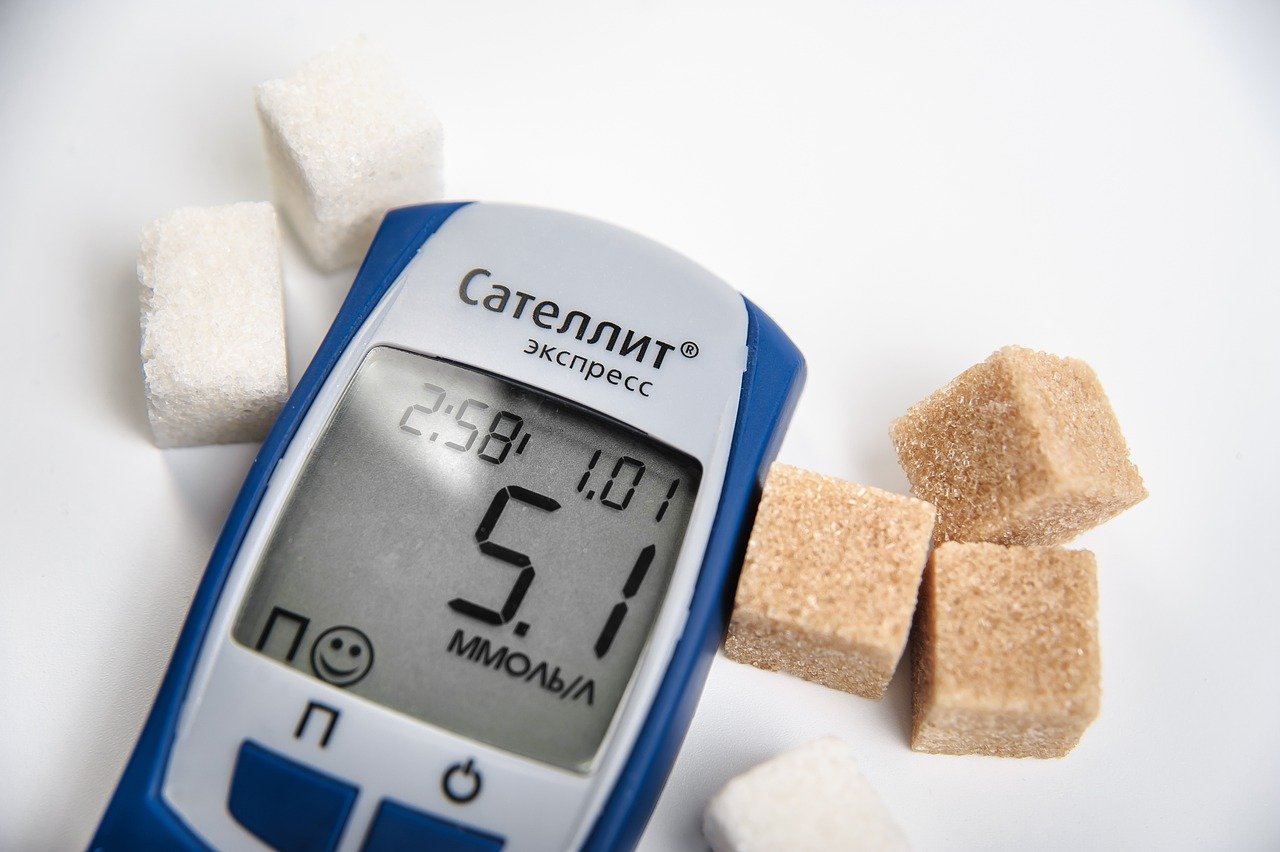
    learn about diabetes, its symptoms, causes, and treatment options to manage and prevent this chronic condition effectively.

    Beyond Diet: Lifestyle Habits That Make a Difference

    While nutrition is a cornerstone, other lifestyle factors are just as critical. Regular physical activity, even a brisk 15-minute walk after meals, increases your body’s sensitivity to insulin. Managing stress through practices like meditation or hobbies is also vital, as stress hormones can raise blood sugar levels. Furthermore, aim for seven to eight hours of quality sleep per night, as poor sleep can disrupt insulin regulation. By weaving these practices into your life, you build a powerful defense against chronic disease. For those already managing the condition, new research highlights the synergy between lifestyle and modern therapies like GLP-1 receptor agonists to further protect your health.

    What is the main cause of diabetes?

    The cause depends on the type. Type 1 diabetes is an autoimmune disease where the body attacks its own insulin-producing cells. Type 2 diabetes, the most common form, is caused by a combination of genetic and lifestyle factors that lead to insulin resistance and/or insufficient insulin production.

    Related Article :  From detox teas to collagen powder: Which health products actually work?

    What happens if I eat too much sugar on occasion?

    For a person without diabetes, an occasional sugary indulgence is generally not harmful. Your body will release insulin to manage the spike in blood sugar. The real risk comes from a consistent, long-term diet high in added sugars, which can contribute to weight gain and insulin resistance over time.

    How can I lower my blood sugar if it’s high?

    If you know your blood sugar is high, drinking plenty of water and taking a short walk (10-15 minutes) can help lower it. It is also crucial to take any prescribed medication as directed by your doctor. If your blood sugar is consistently high (e.g., over 250 mg/dL) and doesn’t come down, you should contact your healthcare provider immediately.

    Disclaimer: The illustration photo accompanying this article was generated by an AI model. Fictional testimonials may have been included for illustrative purposes.

    cause of diabetes diabetes diabetes myths sugar sugar and diabetes
    Follow on Google News
    Share. Facebook Twitter LinkedIn Email WhatsApp Reddit Telegram Threads Copy Link
    Previous ArticleEarly Alzheimer’s signs you shouldn’t brush off
    Next Article A smarter Halloween: simple adjustments for a safer, happier celebration
    Avatar photo
    Frank Jost

    Frank is a seasoned media consultant for LiveWell Magazine, with over two decades of experience in the digital media landscape. His expertise spans online publishing, audience engagement strategies, and health communication. A recognized expert in mutual health insurance, Frank brings a unique perspective that bridges the gap between public health awareness and digital storytelling. He is passionate about making reliable health information accessible to all, and continues to help readers navigate the complexities of wellness and insurance in the digital age. https://www.linkedin.com/in/frank-jost-2097104/

    Continue reading

    Which 7 vitamin C-packed fruits should you try to boost your immunity?

    By Amelie Goujon

    Which top 5 companies can help you lower your pharmacy automation expenses?

    By Amelie Goujon

    Daily Avocado Consumption: Insights from a Dietitian on Its Health Benefits

    By FRANK JOST

    Celebrate National Nutrition Month this March with Toi Degree – Salisbury Post

    By FRANK JOST

    Protein-Packed Mediterranean Dinners to Boost Your Heart Health

    By FRANK JOST

    Mercury-Free Medicine: HHS Ends Use of Mercury Fillings—Will the Rest of the Country Follow?

    By Frank Jost

    Cleaning Up the Pantry: HHS Moves to Ban Petroleum-Based Dyes from Common Medications

    By Frank Jost

    Remarkable Health Benefits of Prunes That Transform Them into a Nutritional Powerhouse

    By FRANK JOST

    Medicare Price Slashes: 10 Major Drugs See 38% to 79% Price Drops—Is Yours on the List?

    By Frank Jost

    Top 4 Vegetables to Boost Liver Health, Recommended by Registered Dietitians

    By FRANK JOST

    Top-rated health products you should actually try

    By Tina Nguyen

    Major Updates to Oklahoma SNAP Benefits as Healthy Food Waiver Takes Effect

    By FRANK JOST
    Add A Comment
    Leave A Reply Cancel Reply

    Subscribe to Our Newsletter

    Join the Live Well Magazine Newsletter and get exclusive tips on health, wellness, lifestyle, and personal growth — straight to your inbox.

    Trending
    Health & Safety

    What are the six hidden health risks you should be aware of?

    Fitness

    A 65-Year-Old Fitness Trainer’s Guide to Stocking Up on Healthy Foods at Costco

    Nutrition

    Which 7 vitamin C-packed fruits should you try to boost your immunity?

    Screenings & Prevention

    Enhanced Dosage of Common Vaccine Dramatically Reduces Alzheimer’s Disease Risk

    Natural Remedies

    How can you use castor oil to unlock radiant skin and a healthy glow?

    Fitness

    How many calories do you actually burn by running one mile?

    Facebook
    • About us
    • Contact us
    • Contributors
    • Legal
    • Privacy
    © 2026 livewellmagazine.org.

    Type above and press Enter to search. Press Esc to cancel.