
Close Menu
    Follow us on Google News
    Follow Livewell Magazine on Google News
    Facebook X (Twitter) Instagram
    LiveWell Magazine
    Facebook
    Follow LiveWell Magazine on Google News
    • Cancer

      Oncologists Reveal the Best Morning Habit for Optimal Health Before 9 A.M.

      August 26, 2026

      Effective Strategies to Minimize the Risk of Prostate Cancer Returning

      August 25, 2026

      What are the key actions you should take following a mesothelioma diagnosis?

      June 19, 2026

      The “Silent Killer”: 2 Hidden Signs of Pancreatic Cancer You Can Spot Years in Advance

      April 20, 2026

      Barry Manilow Opens Up About Embracing Healthier Lifestyle Choices During His Cancer Battle

      April 8, 2026
    • Fitness

      Unlocking Vitality: How Pickleball Empowers Adults Over 40 to Get Active and Build Strength

      August 6, 2026

      Unveiling the Science Behind Why Exercise Feels Tough for Many: Insights and Solutions

      June 27, 2026

      How can you revitalize your cardiovascular health with 8 engaging cardio tips for the reluctant fitness enthusiast?

      June 26, 2026

      Easy Habits to Make Your Workouts Feel Effortless

      June 25, 2026

      What are the top 5 strategies to walk faster and torch more calories?

      June 24, 2026
    • Health

      How to choose a supplement for dizziness and balance problems

      July 10, 2026

      How vestibular supplements work: Science behind balance and dizziness relief

      July 10, 2026

      Causes of vertigo: Common triggers and when to see a doctor

      July 10, 2026

      How to choose a joint supplement: Evidence-based checklist for better mobility

      July 10, 2026

      How collagen, glucosamine and turmeric work to support mobility

      July 10, 2026
    • Lifestyle

      From HSAs to Healthy Habits: A Financial Consultant’s Ultimate Guide to Drastically Cutting Your Healthcare Costs

      September 8, 2026

      Balance of Nature Reveals How Consistency Unlocks the Secret to Lasting Healthy Habits

      September 6, 2026

      Vieja Valley Families Champion Healthier Tech Habits for a Balanced Lifestyle

      September 4, 2026

      Harvest Healthy Habits Offers Free Family Activities and Wellness Resources to the Community

      September 3, 2026

      Common ‘Healthy’ Habits That May Actually Harm Your Health

      September 2, 2026
    • Nutrition

      South Carolina’s Healthy Food SC SNAP Demonstration Project Rescheduled to November 1, 2026

      August 28, 2026

      Virginia Tech Dietitian Reveals Expert Tips for Packing Budget-Friendly, Nutritious School Lunches

      August 13, 2026

      Top 7 Heart-Friendly Foods to Enjoy This July, Recommended by Expert Dietitians

      July 20, 2026

      Expert-Recommended Food Combinations That Boost Nutrient Absorption

      July 14, 2026

      Top 10 Most Beneficial Teas to Sip, Backed by Nutrition Experts

      July 12, 2026
    • Senior

      September: A Month Dedicated to Promoting Healthy Aging Awareness

      September 7, 2026

      The Unexpected Health Threat Everyone Over 50 Needs to Know About

      August 8, 2026

      Doctors Reveal the Key Mindset Shift That Boosts Health After 65

      July 6, 2026

      How is the rise of telehealth benefiting senior citizens?

      June 4, 2026

      What are the essential approaches for promoting high-quality senior care and independence?

      May 6, 2026
    • Trends

      Skip the Internet Fads: 5 Proven Science-Based Strategies That Truly Deliver Results

      September 5, 2026

      Why is Zhiyin Zhou advocating for a human-centered approach in AI healthcare evolution?

      June 25, 2026

      What are the innovative approaches to autism therapy by psychologist Valeriia Manchuk?

      June 15, 2026

      What are the innovative techniques in permanent makeup for aesthetic and restorative purposes?

      June 2, 2026

      How could the 7 surprising travel trends of 2026 disrupt your wellness plans and how can you navigate them?

      April 15, 2026
    • Wellness

      Jervis Launches Innovative Program Promoting Healthy Hygiene and Mindfulness

      August 20, 2026

      Centrum Reinvents Healthy Aging: Embracing Proactive Wellness for Adults

      August 13, 2026

      Chamomile: 15 Health Benefits You Should Know, From Better Sleep to Improved Digestion

      August 8, 2026

      Glow Up Like a Hip-Hop Star: Essential Skin Care Habits for Radiant, Celebrity-Style Skin

      July 23, 2026

      Dr. Oz Shares 3 Simple, Medication-Free Strategies to Enhance Your Health for Free

      July 12, 2026
    Subscribe
    LiveWell Magazine
    Home»Cancer»CRISPR 2.0 is here: gene editing enters a new era of precision medicine
    Cancer

    CRISPR 2.0 is here: gene editing enters a new era of precision medicine

    Frank JostBy Frank JostNo Comments
    Facebook Twitter Email WhatsApp Pinterest LinkedIn Reddit Telegram Threads
    Share
    Facebook Twitter LinkedIn Email Reddit Telegram WhatsApp Threads

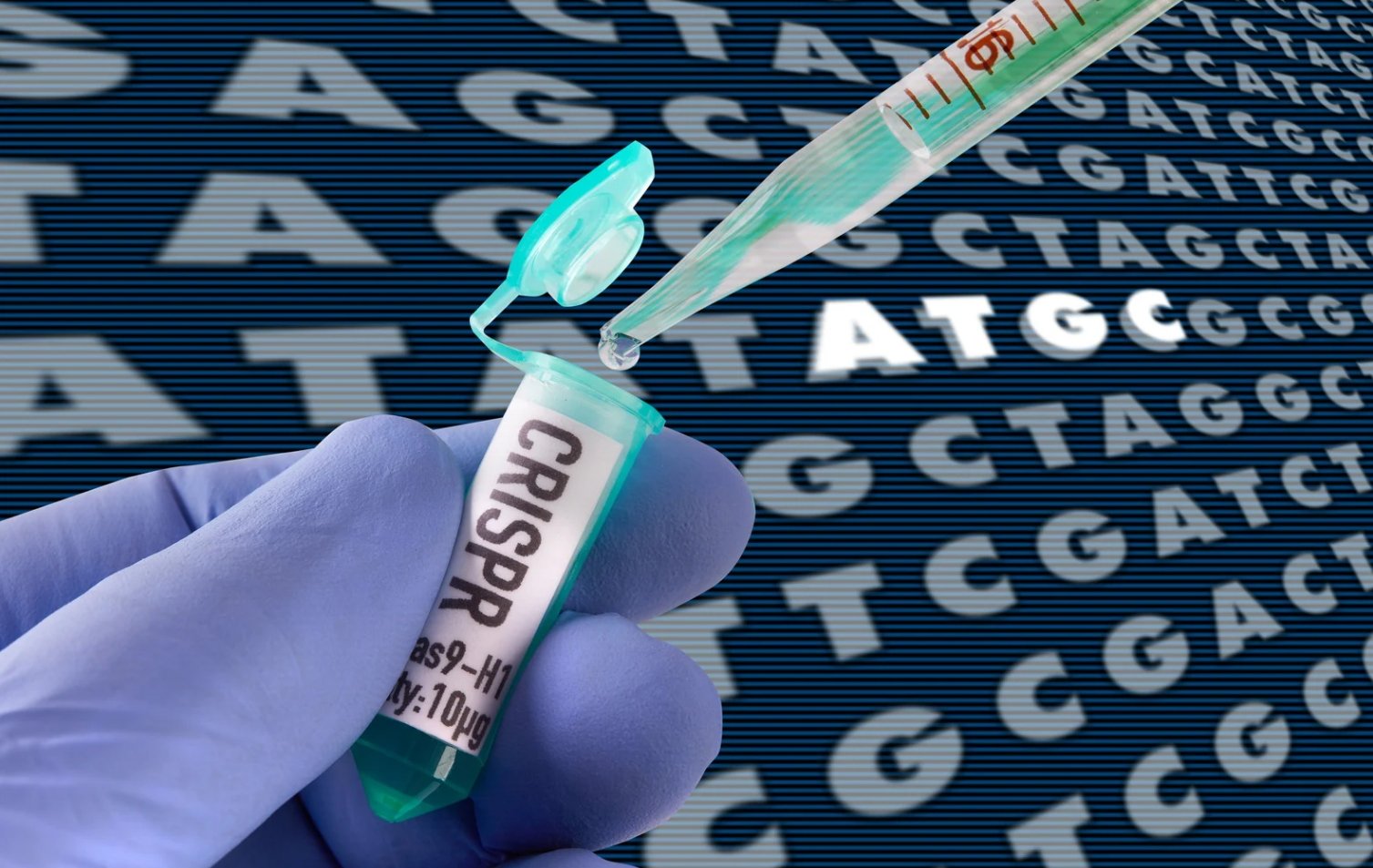
    A decade ago, CRISPR revolutionized the field of genetics and gave scientists a powerful new tool to manipulate DNA with speed, accuracy, and relative ease. The original CRISPR-Cas9 system—adapted from a natural bacterial defense mechanism—allowed researchers to make precise cuts in the genome, targeting faulty genes and correcting mutations in ways that had previously been unimaginable. It was hailed as one of the most important scientific breakthroughs of the 21st century, and it opened the door to a future in which genetic diseases might be treated at their root, rather than merely managed.

    But like all first-generation technologies, CRISPR-Cas9 came with its limitations. While it was fast and effective, it could be imprecise. There were concerns about off-target edits, where unintended parts of the genome might be affected. Delivering the CRISPR machinery into human cells remained a challenge, especially in tissues like the brain or lungs. And the edits themselves, though revolutionary, were relatively blunt—better suited for deleting or disabling genes than for making delicate corrections.

    Today, we are entering the next chapter. CRISPR 2.0 has arrived, and with it comes a new class of gene editing tools that go far beyond cutting. These next-generation techniques are more refined, more selective, and in many cases, far safer. Instead of simply slicing DNA, CRISPR 2.0 technologies can rewrite individual letters of the genetic code, insert new sequences, or swap out defective segments with extraordinary accuracy—all without breaking the DNA double helix.

    This advancement marks a turning point in the field of precision medicine. We’re no longer just talking about theoretical applications or experimental edits. We’re looking at the possibility of custom-built therapies, tailored to a person’s unique genome, that intervene at the molecular level before disease takes hold. Gene editing is no longer just a lab experiment—it is becoming a clinical tool. And CRISPR 2.0 is the engine powering that transformation.

    FREE GUIDE
    The Supplement Safety Checklist

    10 quick checks to spot low-quality supplements before you buy - plus research-backed doses for 12 common ingredients. Free PDF, no spam.

    Related Article :  Testosterone talk: Separating fact from fiction in men’s hormonal health
    We respect your inbox. Unsubscribe anytime.
    Thank you! Download your checklist here.

    What is CRISPR 2.0—and how is it different
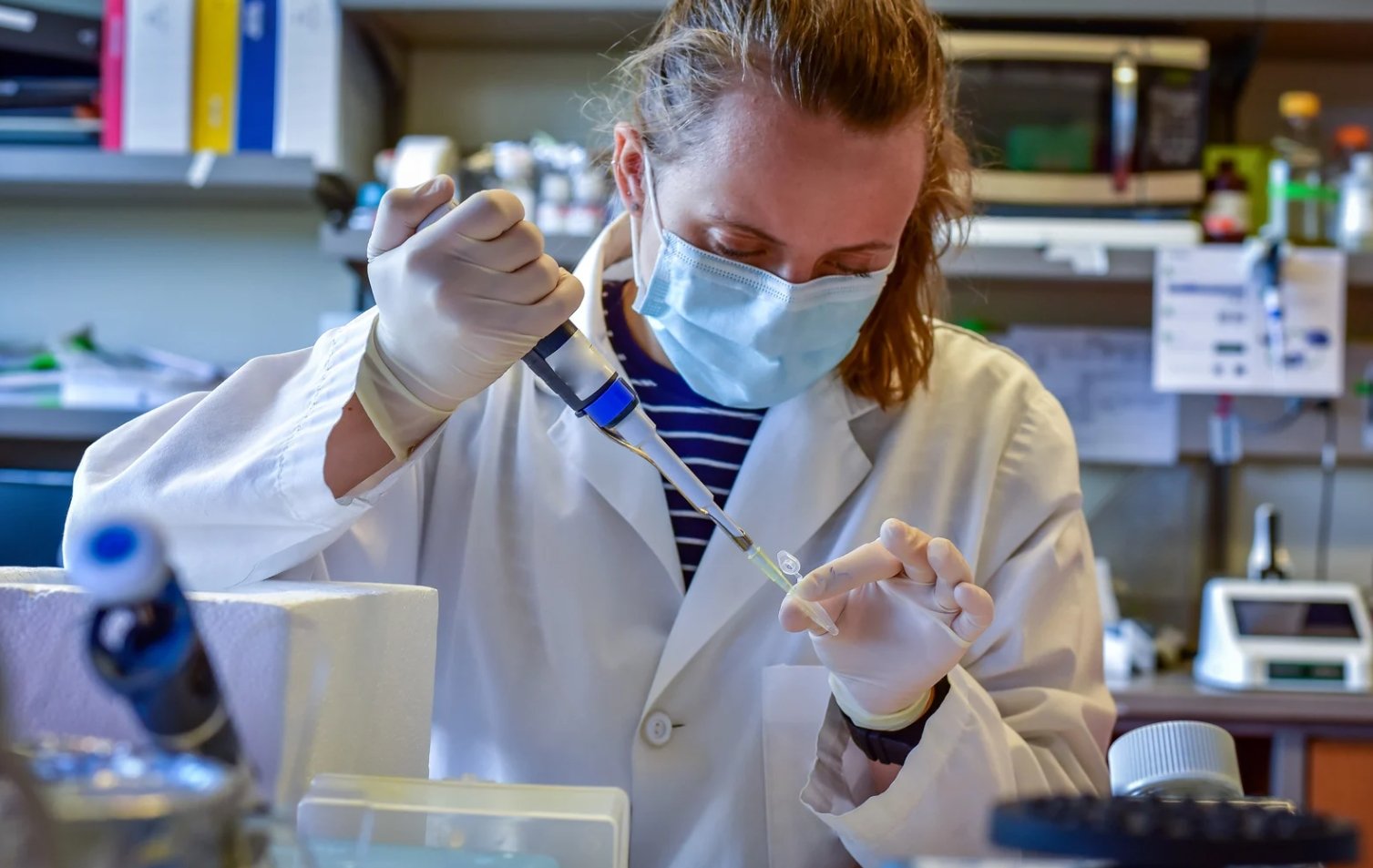
    CRISPR 2.0 refers to a series of advancements that enhance the original CRISPR-Cas9 method. While Cas9 acts like molecular scissors that cut DNA, newer versions—such as base editors and prime editors—act more like high-precision word processors.
    Base editors can switch one DNA letter for another without cutting the double helix. Prime editors go even further, allowing scientists to insert, delete, or rewrite precise DNA sequences, reducing the risk of accidental damage.This means CRISPR 2.0 is more accurate, less invasive, and safer for complex therapeutic applications. It opens new doors for editing genes in tissues like the brain, eyes, or heart—where surgical precision matters most.

    New frontiers: From rare diseases to precision oncology

    The earliest applications of gene editing focused on rare single-gene disorders like sickle cell disease or inherited blindness. CRISPR 2.0 is making it possible to expand these applications, reaching conditions that involve multiple mutations or delicate delivery.
    In cancer treatment, researchers are developing CRISPR-based therapies that reprogram immune cells to better recognize and destroy tumors. In the realm of blood disorders, scientists have already used gene editing to enable patients to produce healthy hemoglobin on their own.More recently, pilot studies are exploring the possibility of using CRISPR to treat neurodegenerative diseases like ALS or Huntington’s. These therapies are still in early stages, but the technology now allows for more targeted edits in sensitive tissues, increasing the chances of long-term success.

    Related Article :  House passes narrow health care package as key ACA subsidies near expiration

    What this means for personalized healthcare

    CRISPR 2.0 is a core building block for precision medicine—a model of care that uses each person’s genetic, environmental, and lifestyle information to guide decisions.
    In the future, rather than relying on one-size-fits-all treatments, patients may receive gene therapies designed specifically for their unique mutations. Preventive screening could identify high-risk individuals long before symptoms begin. And instead of treating diseases after they appear, medicine could begin correcting their molecular causes before damage occurs.This level of personalization was once theoretical. CRISPR 2.0 brings it within reach.

    The ethical horizon: Questions we still need to ask

    Despite its promise, gene editing raises important ethical and social questions. Should we edit human embryos, even to prevent disease? Who decides which traits are “worthy” of correction? How do we ensure these technologies are accessible and not limited to those with financial privilege?
    Regulatory bodies in both the US and Europe are proceeding cautiously. Somatic cell editing—changes made to the patient’s cells that don’t affect offspring—is moving forward in clinical trials. Germline editing—changes that pass on to future generations—remains largely banned or highly restricted.Public discussion, transparency, and equity will be essential as these tools move from the lab to the clinic.

    CRISPR 2.0 represents a major step forward—not just in what we can do scientifically, but in how we understand disease and healing. It offers hope for individuals living with conditions once thought untreatable and redefines what medicine can become.
    This isn’t about genetic perfection. It’s about genetic possibility—tapping into the code of life not to control it, but to restore balance where nature fell short. As we step into this new era of precision medicine, one thing is clear: the future of health is becoming more personal, more targeted, and more powerful than ever before.
    FREE GUIDE
    The Supplement Safety Checklist

    10 quick checks to spot low-quality supplements before you buy - plus research-backed doses for 12 common ingredients. Free PDF, no spam.

    Related Article :  COVID, flu, and RSV: What the new triple-vaccine strategy means for your immune health
    We respect your inbox. Unsubscribe anytime.
    Thank you! Download your checklist here.
    Follow on Google News
    Share. Facebook Twitter LinkedIn Email WhatsApp Reddit Telegram Threads Copy Link
    Previous ArticleHow to master health resources without quitting your lifestyle
    Next Article The surprising link between mental health and happiness
    Avatar photo
    Frank Jost

    Frank is a seasoned media consultant for LiveWell Magazine, with over two decades of experience in the digital media landscape. His expertise spans online publishing, audience engagement strategies, and health communication. A recognized expert in mutual health insurance, Frank brings a unique perspective that bridges the gap between public health awareness and digital storytelling. He is passionate about making reliable health information accessible to all, and continues to help readers navigate the complexities of wellness and insurance in the digital age. https://www.linkedin.com/in/frank-jost-2097104/

    Continue reading

    Skip the Internet Fads: 5 Proven Science-Based Strategies That Truly Deliver Results

    By FRANK JOST

    Oncologists Reveal the Best Morning Habit for Optimal Health Before 9 A.M.

    By FRANK JOST

    Effective Strategies to Minimize the Risk of Prostate Cancer Returning

    By FRANK JOST

    Essential Health Tips for a Successful Back-to-School Season

    By FRANK JOST

    Key Habits to Skip After 5 PM for Better Stroke Prevention

    By FRANK JOST

    Essential Health Tips to Protect Your Home from Common School Germs

    By FRANK JOST

    Inside the Plates of Food Safety Experts Amid the Cyclospora Outbreak

    By FRANK JOST

    Modifiable Risk Factors to Reduce Your Dementia Risk

    By FRANK JOST

    Could This Everyday Habit Be Silently Increasing Your Risk of Diabetes?

    By FRANK JOST

    This Single Beverage Could Reduce Your Risk of Severe Liver Disease by Almost 50%

    By FRANK JOST

    How to choose a supplement for dizziness and balance problems

    By Frank Jost

    How vestibular supplements work: Science behind balance and dizziness relief

    By Frank Jost
    Add A Comment
    Leave A Reply Cancel Reply

    Subscribe to Our Newsletter

    Join the Live Well Magazine Newsletter and get exclusive tips on health, wellness, lifestyle, and personal growth — straight to your inbox.

    Trending

    How Your Heating and Cooling System Shapes Indoor Air and Respiratory Health

    From HSAs to Healthy Habits: A Financial Consultant’s Ultimate Guide to Drastically Cutting Your Healthcare Costs

    September: A Month Dedicated to Promoting Healthy Aging Awareness

    Rosemary: What Science Reveals About Memory, Anxiety, and Alzheimer’s Risk

    Ginger: What Research Reveals About Blood Sugar, Cholesterol, and Brain Protection

    Chamomile: The Soothing Herb That Promotes Better Sleep and Lowers Blood Pressure

    Facebook
    • About us
    • Contact us
    • Contributors
    • Legal
    • Privacy
    © 2026 livewellmagazine.org.

    Type above and press Enter to search. Press Esc to cancel.

    FREE GUIDE
    The Supplement Safety Checklist

    10 quick checks to spot low-quality supplements before you buy - plus research-backed doses for 12 common ingredients. Free PDF, no spam.

    We respect your inbox. Unsubscribe anytime.
    Thank you! Download your checklist here.