Close Menu
    Follow us on Google News
    Follow Livewell Magazine on Google News
    Facebook X (Twitter) Instagram
    LiveWell Magazine
    Facebook
    Follow LiveWell Magazine on Google News
    • Cancer

      What are the key actions you should take following a mesothelioma diagnosis?

      June 19, 2026

      The “Silent Killer”: 2 Hidden Signs of Pancreatic Cancer You Can Spot Years in Advance

      April 20, 2026

      Barry Manilow Opens Up About Embracing Healthier Lifestyle Choices During His Cancer Battle

      April 8, 2026

      Healthy Dad’s Unexpected Cancer Diagnosis Revealed After Ignoring Nighttime Bathroom Trips: ‘A Heartbreaking Surprise’

      February 22, 2026

      BREAKING NEWS: Gene therapy for sickle cell disease: a medical breakthrough still out of reach for many

      December 29, 2025
    • Fitness

      Unveiling the Science Behind Why Exercise Feels Tough for Many: Insights and Solutions

      June 27, 2026

      How can you revitalize your cardiovascular health with 8 engaging cardio tips for the reluctant fitness enthusiast?

      June 26, 2026

      Easy Habits to Make Your Workouts Feel Effortless

      June 25, 2026

      What are the top 5 strategies to walk faster and torch more calories?

      June 24, 2026

      Which workout reigns supreme in the ultimate fitness challenge?

      June 15, 2026
    • Health

      How to choose a supplement for dizziness and balance problems

      July 10, 2026

      How vestibular supplements work: Science behind balance and dizziness relief

      July 10, 2026

      Causes of vertigo: Common triggers and when to see a doctor

      July 10, 2026

      How to choose a joint supplement: Evidence-based checklist for better mobility

      July 10, 2026

      How collagen, glucosamine and turmeric work to support mobility

      July 10, 2026
    • Lifestyle

      Lil Wayne Reveals Unusual Cereal Routine: ‘I Can’t Even Stand the Sight of Milk

      July 25, 2026

      How Daily Walks Unexpectedly Influence Your Appetite: Insights from Experts

      July 24, 2026

      Daily Rituals to Boost Hair Strength and Health

      July 21, 2026

      Building Healthy Habits in the First 30 Days of School: Setting Kids Up for Long-Term Success

      July 20, 2026

      The Key Habits I Embrace at 56 to Stay Strong and Vibrant into My 80s

      July 19, 2026
    • Nutrition

      Top 7 Heart-Friendly Foods to Enjoy This July, Recommended by Expert Dietitians

      July 20, 2026

      Expert-Recommended Food Combinations That Boost Nutrient Absorption

      July 14, 2026

      Top 10 Most Beneficial Teas to Sip, Backed by Nutrition Experts

      July 12, 2026

      Daily Avocado Toast: What Registered Experts Reveal About Its Impact on Your Health

      July 8, 2026

      The Ideal After-Dinner Drink for Managing High Cholesterol

      July 6, 2026
    • Senior

      Doctors Reveal the Key Mindset Shift That Boosts Health After 65

      July 6, 2026

      How is the rise of telehealth benefiting senior citizens?

      June 4, 2026

      What are the essential approaches for promoting high-quality senior care and independence?

      May 6, 2026

      Nurturing Your Gut After 50: 7 Essential Habits for Lasting Digestive Wellness

      April 3, 2026

      Nourishing Your Golden Years: 10 Essential Nutrition Habits to Promote Healthy Aging and Maintain Independence After 60

      March 27, 2026
    • Trends

      Why is Zhiyin Zhou advocating for a human-centered approach in AI healthcare evolution?

      June 25, 2026

      What are the innovative approaches to autism therapy by psychologist Valeriia Manchuk?

      June 15, 2026

      What are the innovative techniques in permanent makeup for aesthetic and restorative purposes?

      June 2, 2026

      How could the 7 surprising travel trends of 2026 disrupt your wellness plans and how can you navigate them?

      April 15, 2026

      Which innovative skincare trends will shape the industry in 2026 according to Uliana-Sofiia Savchenko?

      April 6, 2026
    • Wellness

      Glow Up Like a Hip-Hop Star: Essential Skin Care Habits for Radiant, Celebrity-Style Skin

      July 23, 2026

      Dr. Oz Shares 3 Simple, Medication-Free Strategies to Enhance Your Health for Free

      July 12, 2026

      How will new European taxes to combat overtourism affect your travel wellness?

      June 26, 2026

      How could the travel advisory for Nepal amid political turmoil affect your travel wellness?

      June 25, 2026

      How will American Airlines’ new luxury experience impact your travel wellness?

      June 23, 2026
    Subscribe
    LiveWell Magazine
    Home»Trends & Innovation»Blood tests that predict Alzheimer’s 10 years early – are we ready for the future?
    Trends & Innovation

    Blood tests that predict Alzheimer’s 10 years early – are we ready for the future?

    Amelie GoujonBy Amelie GoujonNo Comments
    Facebook Twitter Email WhatsApp Pinterest LinkedIn Reddit Telegram Threads
    Share
    Facebook Twitter LinkedIn Email Reddit Telegram WhatsApp Threads

    The idea of predicting Alzheimer’s disease a decade before symptoms appear once sounded like science fiction. But today, thanks to major advances in biomarker research, blood tests capable of detecting early signs of Alzheimer’s are not only real—they’re being refined for use in clinical practice. While these tools offer incredible promise, they also raise important questions. Are we truly prepared to know what’s coming so far in advance? And what would we do with that knowledge?

    How do these Alzheimer’s blood tests work?

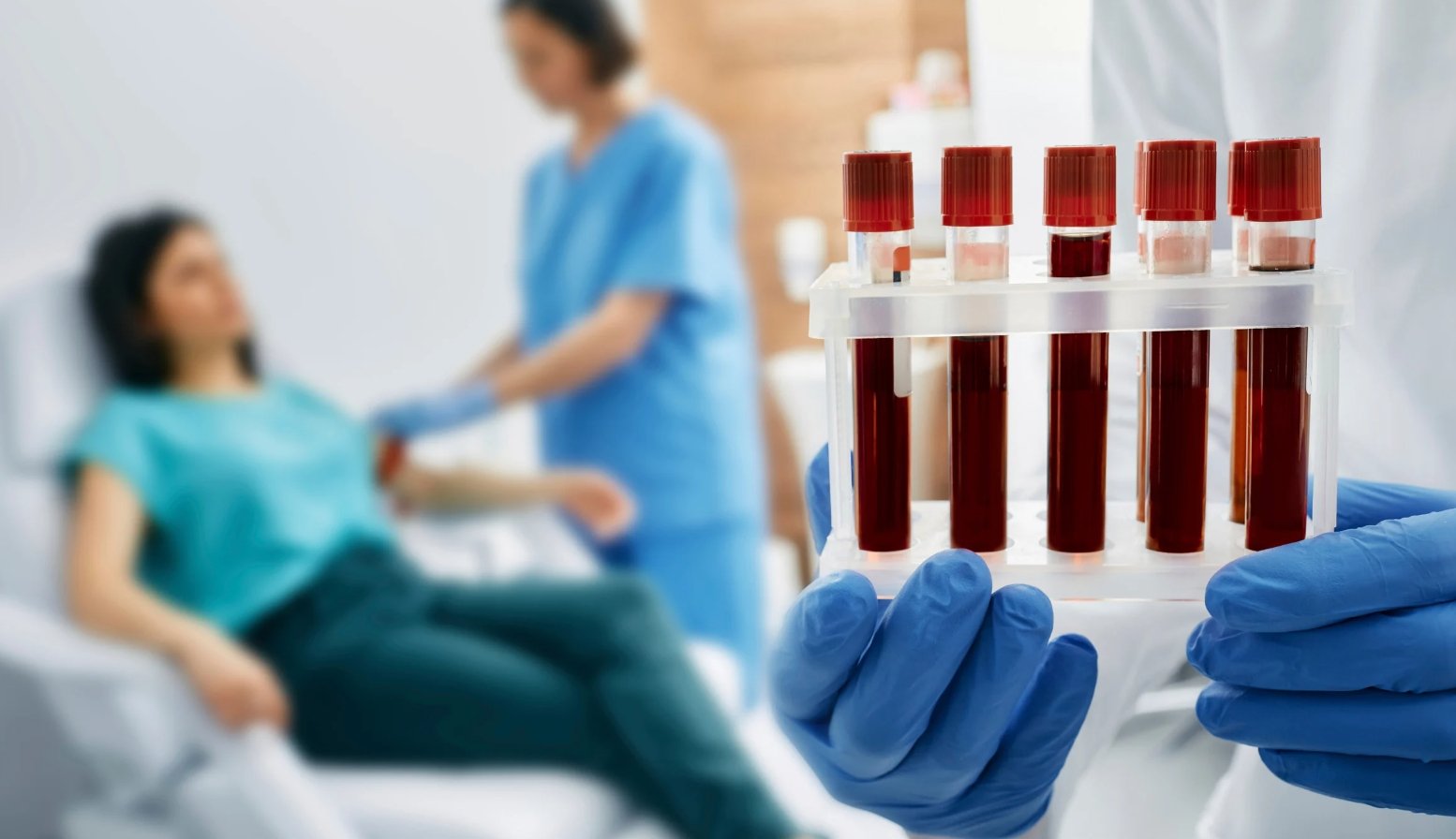
    Recent developments in blood-based biomarkers allow researchers to measure proteins like amyloid-beta and tau, which are known to accumulate in the brains of people with Alzheimer’s—often long before symptoms emerge. These tests can also track signs of neurodegeneration or inflammation. What was once only possible through spinal taps or costly brain imaging is becoming available through a simple blood draw.

    Some tests are already being used in research or high-risk clinical evaluations, and more may soon enter broader medical settings. Their accuracy is improving, though experts caution that they are still part of a larger diagnostic puzzle—not a standalone answer.

    What are the emotional and ethical concerns?
    Learning you’re at risk for Alzheimer’s ten years in advance can be empowering—or deeply unsettling. On one hand, it gives individuals a chance to plan, make health changes, and communicate with loved ones. On the other, it may trigger anxiety, stigma, or even discrimination, especially if no cure or guaranteed prevention exists.

    Doctors and ethicists agree that delivering this kind of information requires careful counseling and support. Not everyone will want to know. And for those who do, how we handle that knowledge—both psychologically and practically—matters just as much as the test results themselves.

    Related Article :  Trump's drug pricing deals: a closer look at the impact on americans

    Is our healthcare system ready?

    Introducing predictive Alzheimer’s testing on a large scale would be a massive shift. Clinics would need new protocols, training, and referral networks. Insurance coverage, patient privacy, and mental health support would all play a role. And the most important question remains: what do we do after the test?

    Without a cure, the value lies in preparation and prevention. That means more investment in brain health coaching, lifestyle programs, and long-term care planning. Many systems are not yet set up for this kind of anticipatory care—but that could change rapidly.

    What can you do today to protect your brain?

    Regardless of test availability, the science is clear: lifestyle plays a powerful role in cognitive aging. Regular exercise, a Mediterranean-style diet, strong social connections, good sleep, and mental stimulation all help reduce dementia risk. Managing blood pressure, diabetes, and cholesterol is equally important.

    While no strategy guarantees prevention, these actions support healthy aging and overall wellbeing. And they’re beneficial whether or not you ever choose to be tested.

    Predicting Alzheimer’s a decade ahead is no longer a distant dream—it’s a fast-approaching reality. But with that knowledge comes responsibility, complexity, and choice. The real question is not just “Can we know?”—but “Are we ready to act on what we know?” The future of brain health may depend on how we prepare for both.

    Follow on Google News
    Share. Facebook Twitter LinkedIn Email WhatsApp Reddit Telegram Threads Copy Link
    Previous ArticleWHO issues new guidelines on artificial sweeteners: What it means for your diet
    Next Article This simple patient stories trick could change your daily routine forever
    Avatar photo
    Amelie Goujon

    Amélie has been working in the health sector for over 15 years and now serves as an online journalist specializing in healthy living. Her background in healthcare gives her articles a solid foundation of credibility and empathy. Passionate about wellness, nutrition, and prevention, she translates complex medical topics into clear, accessible content for a wide audience. Through her writing, Amélie aims to empower readers to make informed choices and adopt healthier daily habits.

    Continue reading

    Doctors Reveal the Key Mindset Shift That Boosts Health After 65

    By FRANK JOST

    Expert Tips for Keeping Your Cut Flowers Fresh and Vibrant

    By FRANK JOST

    Why is Zhiyin Zhou advocating for a human-centered approach in AI healthcare evolution?

    By Amelie Goujon

    Weekend Behaviors That Silently Raise Your Risk of Diabetes

    By FRANK JOST

    How long does the shingles vaccine really protect you?

    By Amelie Goujon

    What are the innovative approaches to autism therapy by psychologist Valeriia Manchuk?

    By Amelie Goujon

    What are the advantages of timely diagnosis of venous disorders at vein clinics?

    By Amelie Goujon

    What are the essential tips from OB-GYN Tetiana Mielikhova for gynecologic cancer prevention?

    By Amelie Goujon

    Actxa and LIF Forge Strategic Alliance to Revolutionize Preventive Healthcare Together

    By FRANK JOST

    How is the rise of telehealth benefiting senior citizens?

    By Amelie Goujon

    What are the innovative techniques in permanent makeup for aesthetic and restorative purposes?

    By Amelie Goujon

    What are the essential approaches for promoting high-quality senior care and independence?

    By Amelie Goujon
    Add A Comment
    Leave A Reply Cancel Reply

    Subscribe to Our Newsletter

    Join the Live Well Magazine Newsletter and get exclusive tips on health, wellness, lifestyle, and personal growth — straight to your inbox.

    Trending

    Lil Wayne Reveals Unusual Cereal Routine: ‘I Can’t Even Stand the Sight of Milk

    How Daily Walks Unexpectedly Influence Your Appetite: Insights from Experts

    Glow Up Like a Hip-Hop Star: Essential Skin Care Habits for Radiant, Celebrity-Style Skin

    Inside the Plates of Food Safety Experts Amid the Cyclospora Outbreak

    Top 6 Foods to Avoid for High Cholesterol: Expert Insights from Cardiologists and Dietitians

    Preventive Health

    Modifiable Risk Factors to Reduce Your Dementia Risk

    Facebook
    • About us
    • Contact us
    • Contributors
    • Legal
    • Privacy
    © 2026 livewellmagazine.org.

    Type above and press Enter to search. Press Esc to cancel.