


Bill Nye, widely celebrated as the Science Guy, has taken his passion beyond entertaining science education to actively promoting brain health, especially given his personal connection to neurological conditions. As he launches a new web series in collaboration with the National Ataxia Foundation, Nye highlights how rare conditions like Spinocerebellar ataxia type-27B (SCA27B) impact families and communities. Beyond raising awareness, he openly shares his routines and insights to maintain a healthy, agile mind through targeted activities and lifestyle choices. From engaging in intricate puzzles to consistent exercise routines, Nye’s approach marries science with daily habits to promote brain vitality in 2025. His story and practices illuminate fresh perspectives on cognitive upkeep, demonstrating how favored hobbies, technology, and active living converge for mental well-being.
Understanding Ataxia and Its Impact Through Bill Nye’s Experience
Ataxia represents a group of rare neurological disorders characterized by impaired coordination, balance difficulties, speech disruption, and fine motor skill decline. This degenerative condition stems from nervous system deterioration and often delays diagnosis due to its rarity and the subtle progression of symptoms.
Bill Nye’s personal connection to ataxia is profound. Several family members, including his grandmother and father, have lived with Spinocerebellar ataxia type-27B (SCA27B), which directly influenced how Nye views brain health and disease awareness. SCA27B is a hereditary form that manifests through gradual loss of motor control and speech challenges, as Nye articulated in his interview with EatingWell. He shared poignant anecdotes about his father’s struggles, such as needing a physician’s letter to explain the unsteady gait mistaken for intoxication. This misunderstanding reveals the stigma often linked to neurological disabilities and highlights the need for public education.
Diagnosing ataxia often involves navigating a maze of potential misdiagnoses—from inner ear problems to muscular disorders—because symptoms mimic other conditions. As Nye explains, individuals might experience slight balance issues during adolescence and face more significant impairments in young adulthood, ultimately affecting their daily functionality.
10 quick checks to spot low-quality supplements before you buy - plus research-backed doses for 12 common ingredients. Free PDF, no spam.
Through his new web series alongside the National Ataxia Foundation and Biogen, Nye strives to bring the word “ataxia” into common vocabulary, similar to greater public awareness around Parkinson’s or Lou Gehrig’s disease. The goal is clear: prompt early diagnosis and timely treatment interventions. This initiative sheds light on cutting-edge research, which is progressing toward therapies that could mitigate symptom severity or slow disease advancement.
Bill Nye’s advocacy demonstrates the power of firsthand experiences in advocating for health education. His unique position as a beloved science communicator allows him to blend facts with empathy, reaching broad audiences with factual, compelling storytelling that addresses the human side of neurological disease.
- Key symptoms of ataxia: impaired balance, slurred speech, difficulty walking
- Challenges in diagnosis: symptom overlap with other diseases delays identification
- Stigma and misconceptions: unsteady gait often misinterpreted, leading to social misunderstanding
- Emerging research: advancing treatments aiming for symptom relief
- Public education efforts: critical to enhance early detection and support
For those interested in exploring this topic further, Nye’s series and insights can be found on the Parade interview and through the National Ataxia Foundation partnership.
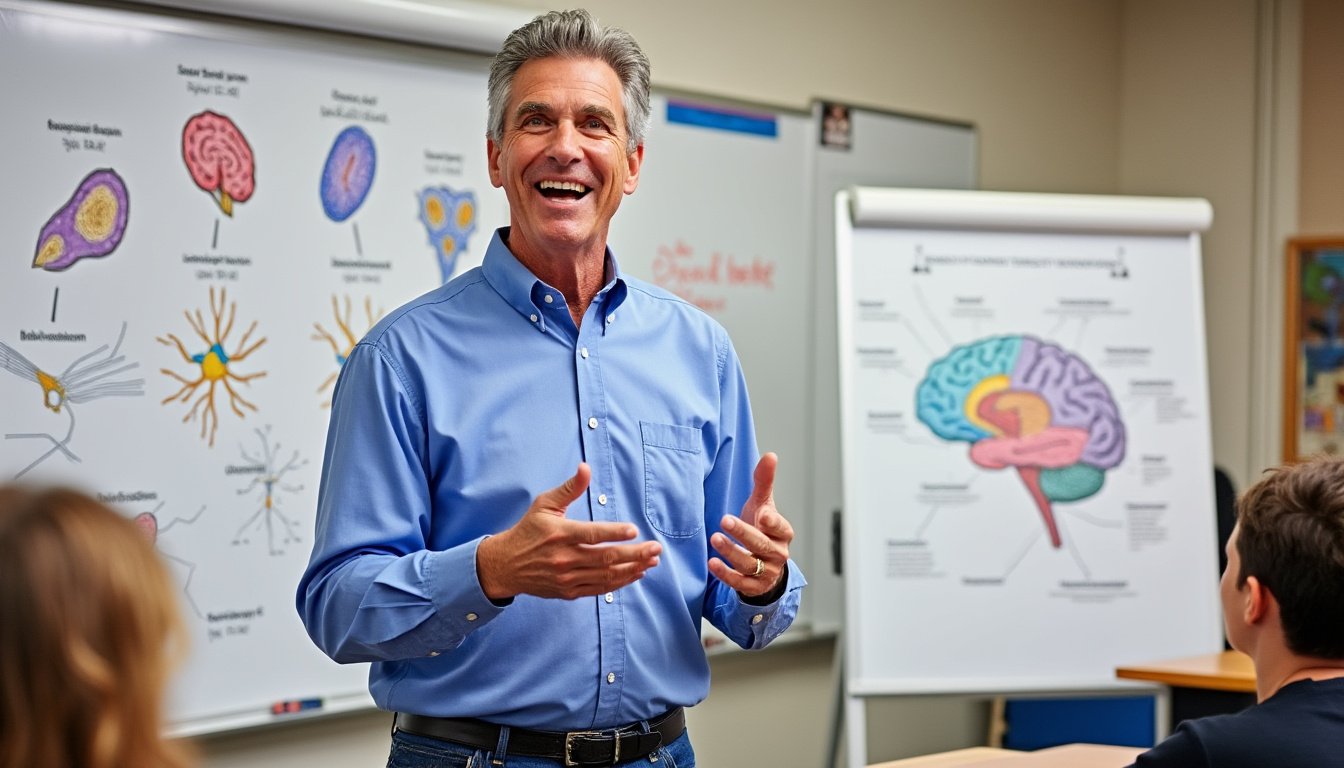
Bill Nye’s Brain-Boosting Hobbies: Puzzles, Model Making, and Creativity
One of the core components of brain health advocated by Bill Nye is engagement in mentally stimulating activities. He emphasizes the significance of crosswords and complex puzzles in maintaining cognitive sharpness. Numerous scientific studies confirm that solving puzzles supports neural plasticity, improves memory, and can delay cognitive decline, particularly among individuals experiencing mild cognitive impairments.
More than a casual pastime, such activities form part of a strategic routine. Nye, drawing on his engineering background, often immerses himself in designing and building model trains and similar projects. These hobbies demand intricate thought processes, planning, and fine motor skills, all beneficial for sustaining brain function.
Integrating these engaging mental exercises with technology platforms can further amplify their effectiveness. Apps like Lumosity, Headspace, and Calm provide guided brain training and mindfulness practices, enhancing focus and stress reduction. Meanwhile, platforms such as Google Fit and Fitbit enable users to track overall health metrics that contribute indirectly to cognitive well-being.
Here is a list of mental activities and tools advocated by neuroscience and utilized by Bill Nye to nurture brain health:
- Crossword puzzles and Sudoku: challenging language and logic exercises
- Creative engineering projects: model building and mechanical problem-solving
- Mindfulness apps: Headspace, Calm to reduce stress and improve attention
- Cognitive training apps: Lumosity for brain exercising
- Fitness trackers: Fitbit, Google Fit to integrate physical and mental health monitoring
This blend of cognitive challenges and technological support highlights how modern lifestyle tools can boost traditional brain exercises. Bill Nye’s approach is an inspiring example for anyone looking to integrate purposeful leisure into daily schedules.
To dive deeper into his brain exercises and projects, watch this detailed video featuring Nye’s creative methods here or explore his brain science insights at Bill Nye’s official brain page.
How Exercise, Especially Biking, Plays a Crucial Role in Brain Health
Physical activity is fundamental for cognition, and Bill Nye is no stranger to its benefits. An avid bicyclist, he prioritizes outdoor cycling as a non-negotiable part of his weekly regimen. Biking enhances cardiovascular health which in turn supplies the brain with essential oxygen and nutrients, fortifying memory and executive function.
Recent research reveals compelling evidence that regular cycling correlates with a 19% reduction in dementia risk and a 22% lower risk of Alzheimer’s disease. These findings reflect the broader consensus among neuroscientists that aerobic exercise combats brain aging by stimulating neurogenesis in critical regions such as the hippocampus.
Nye prefers the simplicity of cycling outdoors, avoiding indoor stationary bikes or Peloton workouts. While those options remain effective and popular—endorsed by brands like Nike and Under Armour through gear and apparel offerings—Nye’s choice reflects a personal philosophy: being in nature maximizes stress relief and mental clarity.
In addition to biking, integrating fitness technologies such as Apple’s fitness tracking ecosystem or MyFitnessPal’s nutritional tracking app aids in developing a rounded health routine. These tools monitor progress, support goal setting, and motivate sustained activity that nourishes brain and body alike.
Some key benefits of cycling and activity for brain health emphasized by Nye and supported by science include:
- Enhanced blood flow and oxygenation of brain tissues
- Stress reduction through exposure to nature and rhythmic movement
- Improved motor coordination and balance
- Strengthening neural pathways for memory and decision-making
- Possible delay in neurodegenerative disease onset
For those interested in combining cycling with technology, platforms like Peloton offer structured indoor cycling workouts, while Nike and Under Armour provide specialized cycling footwear and apparel for comfort and performance.
To explore Bill Nye’s philosophies on exercise and brain health further, this insightful video interview offers depth and motivation: Bill Nye’s brain-healthy habits.
Leveraging Technology and Mindfulness for Sustained Cognitive Wellness
The integration of technology in daily routines provides modern avenues to support brain health. Bill Nye’s habits reflect this trend, as tools like Headspace and Calm play crucial roles in maintaining mental calmness and focus. Chronic stress is a known neurotoxin that can accelerate cognitive decline, making mindfulness apps indispensable for holistic brain care.
Additionally, wearable trackers such as Fitbit and Apple’s health devices provide continuous biofeedback, allowing users to fine-tune activity, sleep, and heart rate variability — all factors influencing brain function. Combining these with nutrition-tracking apps like MyFitnessPal helps ensure individuals receive essential nutrients linked to brain support, including omega-3 fatty acids, antioxidants, and B vitamins.
The synergy of technology and lifestyle can be summarized as:
- Stress management through guided meditation apps
- Activity monitoring via Fitbit and Apple Watch for cardiovascular fitness
- Nutrition tracking with MyFitnessPal to optimize brain nutrient intake
- Personalized reminders and habit-building supports from apps like Calm
- Digital cognitive training with platforms like Lumosity to maintain mental agility
These tech-enabled strategies align well with the recommendations found on LiveWell Magazine and similar scientific resources, which emphasize adopting multi-faceted approaches for lasting brain vitality.
Spreading Awareness and Educating the Public About Brain Disorders
Bill Nye utilizes his platform not only to share his personal brain health practices but also to educate the public about ataxia and other neurological diseases. Unlike more widely recognized disorders such as Alzheimer’s or Parkinson’s, ataxia remains under-discussed, leaving many individuals undiagnosed or mismanaged.
His advocacy includes creating accessible content that decodes complex scientific information for viewers of all ages. The web series he developed with the National Ataxia Foundation offers episodes designed to inform and inspire early detection through understanding symptoms like coordination challenges and speech difficulties.
Beyond awareness, this educational outreach encourages compassion and removes stigma associated with movement and speech disorders. Nye stresses the importance of recognizing early warning signs and consulting healthcare professionals for appropriate diagnosis and intervention.
Efforts like these align with broader public health initiatives aiming to improve neurological health literacy. Nye’s strategy highlights several vital points:
- Amplifying rare disease visibility to foster research funding and support
- Equipping families with knowledge to better manage inherited conditions
- Promoting brain-healthy habits as preventative and supportive measures
- Engaging younger generations to inspire future scientific breakthroughs
- Building community through shared stories and experiences
Those wishing to learn from Bill Nye’s advocacy and educational initiatives can visit his health-focused videos or watch interviews like this captivating discussion on mastering brain function before addressing global issues: Bill Nye on The School of Greatness podcast.
Frequently Asked Questions About Brain Health and Bill Nye’s Insights
- How does Bill Nye incorporate brain health into his daily routine?
He regularly engages in crossword puzzles, creative model projects, and outdoor bicycling to stimulate mental function and maintain physical health. - What is Spinocerebellar ataxia type-27B?
It is a rare hereditary neurological condition affecting coordination and speech; it has affected several members of Bill Nye’s family. - Can technology truly improve brain health?
Yes, apps like Headspace, Calm, Lumosity, and fitness trackers such as Fitbit and Apple Watch provide tools that enhance stress management, cognitive exercises, and overall health monitoring. - Why is biking particularly beneficial for brain health?
Cycling boosts cardiovascular fitness, improves coordination, reduces stress, and is correlated with lower risks of dementia and Alzheimer’s disease. - Where can I learn more about Bill Nye’s awareness campaign on ataxia?
His web series in partnership with the National Ataxia Foundation and Biogen, as well as interviews on platforms like Parade, provide extensive information.
10 quick checks to spot low-quality supplements before you buy - plus research-backed doses for 12 common ingredients. Free PDF, no spam.
