
Close Menu
    Follow us on Google News
    Follow Livewell Magazine on Google News
    Facebook X (Twitter) Instagram
    LiveWell Magazine
    Facebook
    Follow LiveWell Magazine on Google News
    • Cancer

      The “Silent Killer”: 2 Hidden Signs of Pancreatic Cancer You Can Spot Years in Advance

      April 20, 2026

      Barry Manilow Opens Up About Embracing Healthier Lifestyle Choices During His Cancer Battle

      April 8, 2026

      Healthy Dad’s Unexpected Cancer Diagnosis Revealed After Ignoring Nighttime Bathroom Trips: ‘A Heartbreaking Surprise’

      February 22, 2026

      BREAKING NEWS: Gene therapy for sickle cell disease: a medical breakthrough still out of reach for many

      December 29, 2025

      How Your Drinking Habits Could Significantly Increase Your Cancer Risk

      December 28, 2025
    • Fitness

      At 100, the ‘First Lady of Fitness’ Shares Her Daily Workout Secrets and One Must-Have Food

      April 15, 2026

      How can weighted planks help you elevate your strength and master your core?

      April 14, 2026

      A 65-Year-Old Fitness Trainer’s Guide to Stocking Up on Healthy Foods at Costco

      April 10, 2026

      How many calories do you actually burn by running one mile?

      April 9, 2026

      Biochemist Reveals the Powerful 10-Minute Workout That Keeps the Mind Razor-Sharp All Day

      March 23, 2026
    • Health

      How can better patient-doctor communication help you stay on track with your medication?

      April 8, 2026

      What can an infectious disease doctor’s experiences in Kazakhstan and America teach us about global health?

      April 3, 2026

      Federal Judge Hits Pause on HHS Secretary Kennedy’s Vaccine Policy Overhaul

      March 18, 2026

      Medicare Advantage Shifts: Payments to Plans Increase as Enrollment Hits a New Record

      March 18, 2026

      The battle over “$0 premium” plans: What’s at stake for your healthcare?

      February 19, 2026
    • Lifestyle

      How can you break free from the sitting trap and revitalize your life?

      April 22, 2026

      How can transformative approaches to home life enhance your overall well-being?

      April 17, 2026

      Solo Cooking Simplified: 8 Easy Habits to Eat Healthy When Cooking for One

      April 15, 2026

      Psychology-Backed Habits to Revolutionize Your Money Mindset

      April 11, 2026

      The ‘Healthy’ Habit That Could Be Holding You Back, Reveals New Research

      April 10, 2026
    • Nutrition

      Which 5 delectable fruits packed with potassium can help support your blood pressure?

      April 27, 2026

      What are the surprising benefits of miso soup for your gut, heart, and immune health?

      April 23, 2026

      How can you nourish your gut with delicious choices for a healthier you?

      April 22, 2026

      What are the surprising effects of eggnog on your blood sugar levels?

      April 16, 2026

      How can effective nutrition help you achieve a faster dental recovery?

      April 15, 2026
    • Senior

      Nurturing Your Gut After 50: 7 Essential Habits for Lasting Digestive Wellness

      April 3, 2026

      Nourishing Your Golden Years: 10 Essential Nutrition Habits to Promote Healthy Aging and Maintain Independence After 60

      March 27, 2026

      Wound Care Revolution: How a New Medicare Payment System Aims to Cut Waste in Senior Care

      March 19, 2026

      The $2,000 Cap is Here: How the New Annual Out-of-Pocket Drug Limit Saves Seniors Thousands

      March 17, 2026

      Why Conventional Health Tips Might Shift After Turning 50

      March 15, 2026
    • Trends

      How could the 7 surprising travel trends of 2026 disrupt your wellness plans and how can you navigate them?

      April 15, 2026

      Which innovative skincare trends will shape the industry in 2026 according to Uliana-Sofiia Savchenko?

      April 6, 2026

      Transparency at HHS: How the New “Radical Transparency” Initiative Aims to Expose Big Pharma Conflicts

      March 13, 2026

      How Wearable Technology Could Spark a Revolution in Healthier Living

      February 5, 2026

      Early cholesterol treatment in kids may prevent heart disease for life

      January 28, 2026
    • Wellness

      What is the power of modern med spa care for your well-being?

      April 24, 2026

      What are the top 10 complimentary activities in Seattle for your well-being?

      April 23, 2026

      Where can you find the ultimate wellness retreat in Mexico for tranquil explorers?

      April 14, 2026

      Lincoln YMCA to Celebrate Healthy Kids Day on April 11 with Free Event Promoting Summer Wellness

      April 12, 2026

      The 20-Minute Routine That Could Unlock a Healthier Heart and a Sharper Mind

      April 8, 2026
    Subscribe
    LiveWell Magazine
    Home»Mental Health»Mindfulness and meditation: the new prescription for mental health
    Mental Health

    Mindfulness and meditation: the new prescription for mental health

    Amelie GoujonBy Amelie GoujonNo Comments
    Facebook Twitter Email WhatsApp Pinterest LinkedIn Reddit Telegram Threads
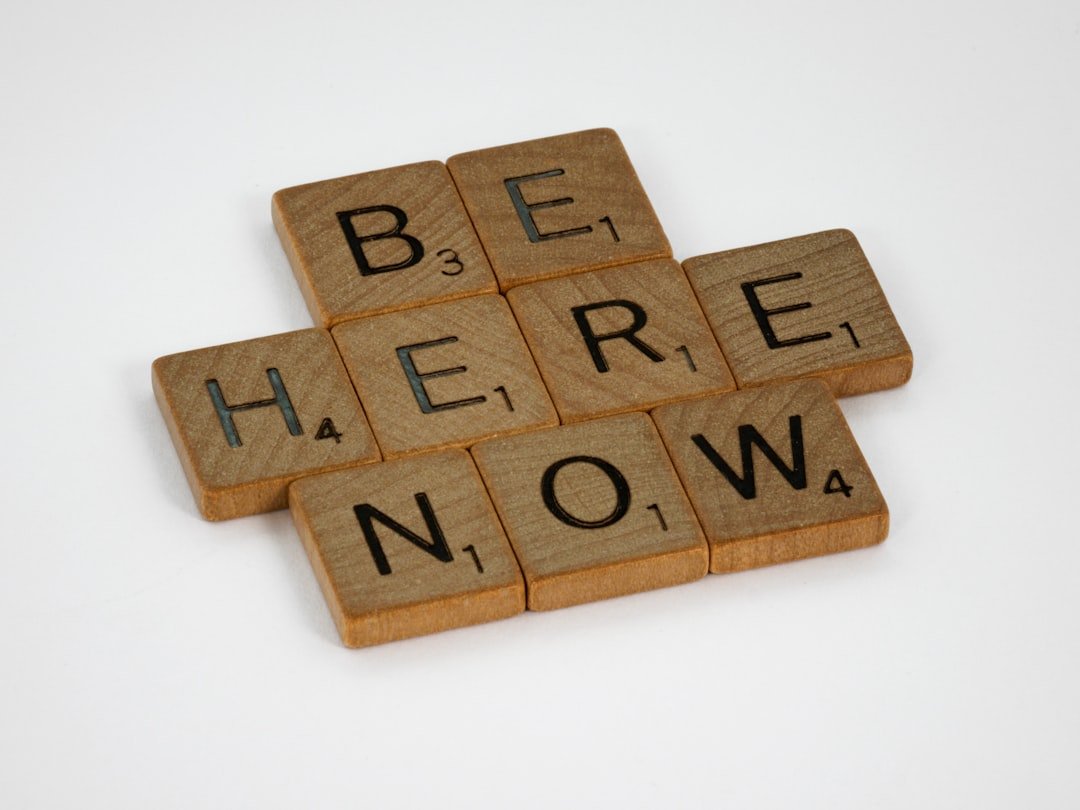
    discover the benefits of mindfulness to enhance your mental clarity, reduce stress, and improve overall well-being through simple and effective meditation practices.
    Share
    Facebook Twitter LinkedIn Email Reddit Telegram WhatsApp Threads

    In the evolving landscape of mental health treatment in 2026, the prescription pad is undergoing a significant transformation. For decades, the standard response to generalized anxiety disorder involved a pharmacological approach, primarily utilizing antidepressants like Escitalopram. However, a landmark shift in clinical understanding now places mindfulness-based stress reduction on equal footing with medication. This is not merely a lifestyle suggestion but a rigorously validated medical intervention that challenges our traditional understanding of how we treat the anxious mind. The medical community is increasingly recognizing that the biological regulation of stress can be achieved through neural retraining just as effectively as through chemical modulation.

    Clinical Evidence and the Efficacy of Mind-Body Medicine

    The scientific community reached a turning point with the publication of the first head-to-head comparison between standard medication and mindfulness techniques for anxiety. The results, which continue to influence treatment protocols today, revealed that an eight-week course of mindfulness-based stress reduction is non-inferior to the daily administration of Lexapro. In this rigorous trial involving 276 patients, both groups demonstrated a statistically significant reduction in symptoms, approximately 20 percent, marking a pivotal moment for evidence-based alternative therapies.

    discover the benefits of mindfulness: enhance your focus, reduce stress, and improve emotional well-being through simple, effective meditation techniques.

    Dr. Elizabeth Hoge, a leading voice in anxiety disorder research, highlighted that patients in both cohorts reported substantial relief, validating the premise that different pathways can lead to the same destination of mental stability. This data is crucial for the millions of adults navigating generalized anxiety disorder, many of whom remain untreated due to hesitation regarding pharmaceutical side effects. The study confirmed that mindfulness is not a passive relaxation technique but an active, potent treatment that rivals the efficacy of the gold-standard drugs used in psychiatry.

    Related Article :  Mental health apps: separating fact from fiction in the app store

    Analyzing the Side Effect Profiles of Treatment Options

    While the efficacy numbers are strikingly similar, the physiological impact of these two treatments diverges sharply. The pharmacological route often comes with a biological tax. In the comparative study, nearly 80 percent of participants taking the antidepressant reported at least one adverse event, ranging from sleep disturbances and nausea to diminished libido. These somatic symptoms can sometimes compound the very distress the patient is trying to alleviate, creating a complex cycle of symptom management.

    Conversely, the mindfulness cohort experienced a radically different safety profile. The primary adverse effect reported was increased anxiety, affecting about 15 percent of participants, often due to the initial discomfort of sitting with one’s thoughts. However, there were no systemic physical side effects. This distinction is vital for patients who are sensitive to medication or who wish to avoid the physiological load of daily pills. The trade-off, however, shifts from physical tolerance to behavioral discipline, as the mindfulness protocol requires a significant investment of time and mental energy.

    The Neuroscience of Responding Versus Reacting

    Understanding why mindfulness works requires looking at the brain’s reactivity patterns. Anxiety functions largely on intrusive thoughts and future-oriented catastrophic thinking. Mindfulness training does not simply silence these thoughts but alters the patient’s relationship with them. It builds a cognitive system that allows individuals to respond to stress rather than react to it impulsively. By focusing on the present moment—whether through breath awareness or sensory grounding—the brain learns to disengage from the spiral of “what ifs” that fuel anxiety disorders.

    Related Article :  Doctor Cautions That Boomers' Excessive Screen Time Could Imitate Dementia Symptoms
    discover the benefits of mindfulness to improve your mental clarity, reduce stress, and enhance overall well-being through simple, effective meditation techniques.

    This cognitive restructuring is described by experts like Dr. Lindsey McKernan as a way to build a buffer against stress. When a patient worries about a future event, such as failing an exam or a work presentation, the physiological reaction is often indistinguishable from immediate danger. Mindfulness teaches the brain that the thought is merely a mental event, not reality. This realization creates a sense of freedom and agency, allowing the thought to arise and pass without hijacking the nervous system. To support this daily practice, many patients are turning to technology, exploring facts about mental health applications to find digital tools that structure their sessions and track their progress.

    The Challenge of Adherence and Long-Term Practice

    Despite the clear clinical benefits, the practical application of mindfulness faces a significant hurdle: adherence. The study protocol demanded 45 minutes of daily practice plus weekly classes, a regimen that proved difficult for many to sustain. At the six-month follow-up, a stark contrast emerged where the majority of the medication group continued their regimen, while only a quarter of the mindfulness group maintained their practice. This drop-off suggests that while the barrier to entry for medication is low—swallowing a pill takes seconds—the maintenance of a mindfulness practice requires a lifestyle overhaul that many find challenging in a high-paced world.

    Clinicians are now focusing on how to make these protocols more accessible without diluting their effectiveness. The time commitment serves a purpose; it is necessary to learn the technique thoroughly before it can be relied upon in moments of acute stress. However, integrating these practices often requires a strategy of combining small habits for greater health benefits, allowing patients to weave mindfulness into their existing routines rather than viewing it as a separate, burdensome chore. The goal is to move from a rigid clinical requirement to a fluid, sustainable component of daily life.

    Related Article :  How can a lost luggage saga and a $2,200 win teach you about managing travel stress and mental wellness?

    Empowering Patients with Therapeutic Choice

    The ultimate takeaway from recent clinical findings is the expansion of patient choice. We are moving away from a one-size-fits-all model toward personalized medicine where the patient’s preference plays a central role in the treatment plan. For those willing to invest the time, mindfulness offers a non-toxic, empowering path to symptom reduction. For others, medication remains a vital and effective tool. The dialogue between doctor and patient has evolved to include these behavioral interventions not as supplementary tips, but as primary, potent treatments for mental health.

    discover the benefits of mindfulness, a practice that helps improve focus, reduce stress, and enhance overall well-being.

    As we navigate the complexities of mental health in 2026, the data supports a more holistic view. Whether one chooses the pharmacy or the meditation cushion, the outcome can be equally transformative. The key lies in consistent application and the professional guidance to navigate the chosen path. This research validates that the mind possesses an innate capacity to heal and regulate itself, provided it is given the right training and attention.

    meditation mental health mindfulness stress relief wellness
    Follow on Google News
    Share. Facebook Twitter LinkedIn Email WhatsApp Reddit Telegram Threads Copy Link
    Previous ArticleCan your genes help you live longer? What science really says
    Next Article A Therapist Shares Her Proven Technique for Building Lasting Healthy Habits
    Avatar photo
    Amelie Goujon

    Amélie has been working in the health sector for over 15 years and now serves as an online journalist specializing in healthy living. Her background in healthcare gives her articles a solid foundation of credibility and empathy. Passionate about wellness, nutrition, and prevention, she translates complex medical topics into clear, accessible content for a wide audience. Through her writing, Amélie aims to empower readers to make informed choices and adopt healthier daily habits.

    Continue reading

    How can a lost luggage saga and a $2,200 win teach you about managing travel stress and mental wellness?

    By Amelie Goujon

    How can exploring Broadway and NYC’s theater district enhance your mental well-being?

    By Amelie Goujon

    What are the best strategies to manage hormonal migraines and improve your quality of life?

    By Amelie Goujon

    What is codependency and why is it a hidden threat beyond addiction?

    By Amelie Goujon

    Mental Health Monday: Dr. Jess Tranchina’s 6 Essential Habits for Healthier Aging

    By FRANK JOST

    Could everyday sweeteners be fast-tracking your brain’s aging process?

    By Amelie Goujon

    Doctor Cautions That Boomers’ Excessive Screen Time Could Imitate Dementia Symptoms

    By FRANK JOST

    The So-Called ‘Healthy’ Habit That May Not Be Beneficial, Reveals New Research

    By FRANK JOST

    Embracing Emotional Strength: The Key to Healthy Habits and a Longer Life

    By FRANK JOST

    How can you unlock your brain’s potential and preserve cognitive vitality after 40?

    By Amelie Goujon

    ‘Antisocial’ Behaviors That Reveal High Intelligence, According to a Psychologist

    By FRANK JOST

    This Wellness Routine Unlocks Greater Brain Benefits Especially for Beginners

    By FRANK JOST
    Add A Comment
    Leave A Reply Cancel Reply

    Subscribe to Our Newsletter

    Join the Live Well Magazine Newsletter and get exclusive tips on health, wellness, lifestyle, and personal growth — straight to your inbox.

    Trending
    Health & Safety

    When do customized painkillers become essential for your health and recovery?

    Nutrition

    Which 5 delectable fruits packed with potassium can help support your blood pressure?

    Natural Remedies

    Which anti-inflammatory champion reigns supreme for your relief?

    Mental Health

    How can a lost luggage saga and a $2,200 win teach you about managing travel stress and mental wellness?

    Wellness

    What is the power of modern med spa care for your well-being?

    Healthy Recipes

    Which 10 surprising foods boost digestion more effectively than ginger?

    Facebook
    • About us
    • Contact us
    • Contributors
    • Legal
    • Privacy
    © 2026 livewellmagazine.org.

    Type above and press Enter to search. Press Esc to cancel.