

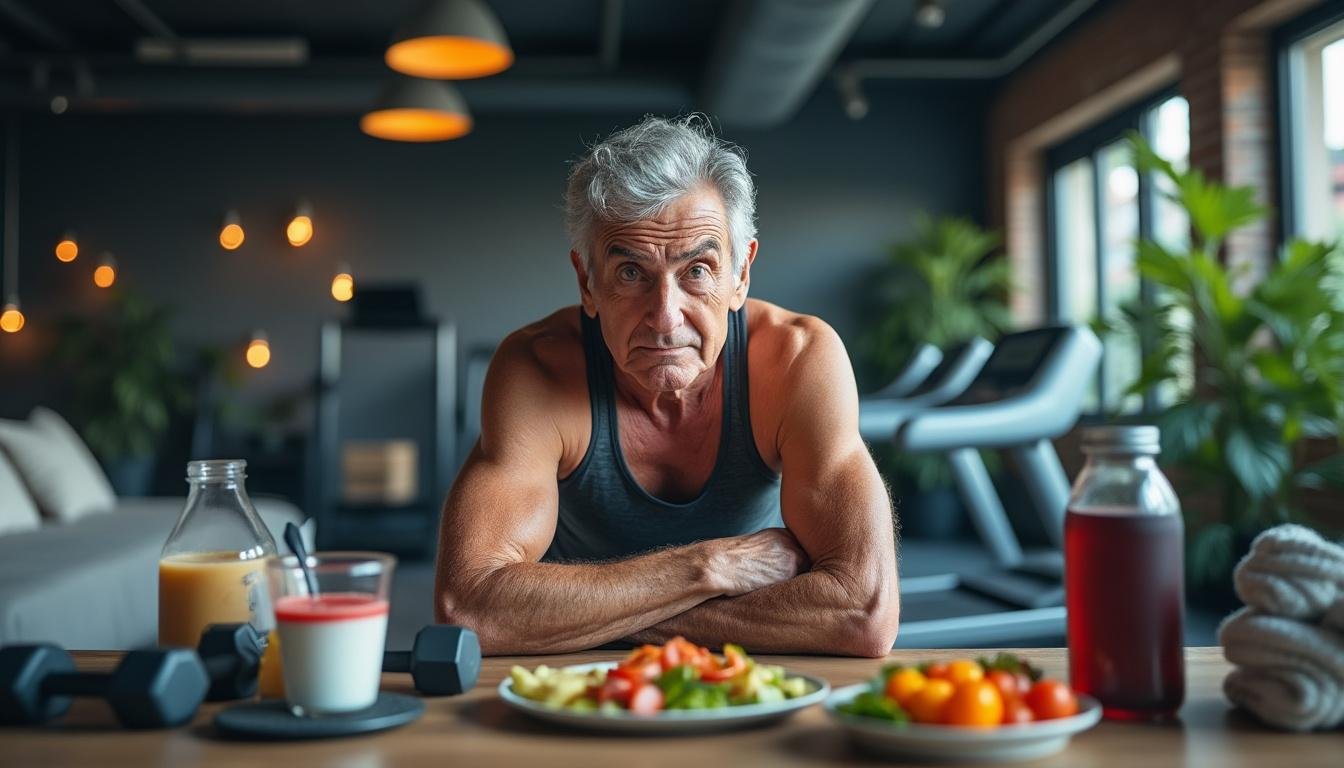
Hidden Dangers of Overtraining: How Excessive Fitness Can Accelerate Aging
While fitness and regular exercise are widely endorsed as pillars of a healthy lifestyle, recent research in 2025 reveals a more nuanced picture. Excessive training, especially high-intensity and overly structured workout routines, can paradoxically accelerate aging rather than delay it. A comprehensive prospective cohort study involving nearly 9,700 older adults, published in a leading medical journal, illustrates that engaging in leisure activities that are moderate and less planned is more consistently associated with longevity than intensive, regimented exercise regimes.
Why does overtraining lead to detrimental effects on aging? The body’s response to extreme physical stress includes elevated levels of stress hormones such as cortisol and increased oxidative stress, which damage cells and DNA. This aligns with the biological principle of hormesis, where brief, moderate stress can be beneficial; however, when the stress is constant without proper recovery, it hampers the body’s ability to repair itself, thus accelerating cellular wear and damage.
Examples from real-world fitness enthusiasts demonstrate the dangers. Individuals who push daily high-intensity workouts without adequate rest often report chronic fatigue, increased injury rates, and signs of premature aging such as wrinkles and muscle loss. The body, overwhelmed by the sustained stress, starts showing signs of accelerated biological aging, undermining the very purpose of their fitness efforts.
Structured exercise, while beneficial, when overdone, triggers a paradox where the intended anti-aging strategies backfire. Leisurely tasks like gardening, light walking, or playing sports with friends provide the twin benefits of physical movement and social engagement, which have been linked to reduced mortality and improved mental well-being.
10 quick checks to spot low-quality supplements before you buy - plus research-backed doses for 12 common ingredients. Free PDF, no spam.
Experts encourage a balanced approach: combining goal-oriented workouts with recovery techniques and less intense physical activities. This balance helps prevent excessive exercise risks, such as chronic inflammation, joint wear, and hormonal imbalances, all of which cumulatively contribute to faster aging.
- Incorporate moderate-intensity exercise aligned with WHO recommendations (150–300 minutes weekly).
- Balance structured workouts with unstructured, enjoyable physical activities.
- Monitor intensity to avoid chronic elevation of stress hormones.
- Listen to your body’s signals of fatigue and allow rest accordingly.
- Include strength, balance, and flexibility exercises to reduce injury risk.
This approach reflects the wisdom of balancing fitness routines to truly harness exercise’s potential for reversing aging. Recognizing that fitness without pause can be counterproductive is a crucial shift for longevity enthusiasts in 2025.

Recovery Techniques: The Missing Piece in Sustainable Anti-Aging Fitness
The relentless pursuit of fitness improvements can often leave little room for one of the most critical, yet overlooked, factors in healthy aging: recovery. Neglecting proper rest and restoration strategies not only diminishes performance but can accelerate biological aging. A 2023 study emphasized that chronic stress and lack of recovery techniques such as sleep, mindfulness, and downtime amplify oxidative stress and drive cellular aging processes.
Recovery is multifaceted, encompassing both physical and mental dimensions. Physically, muscles and tissues require rest to repair microdamages from workouts. Mentally, stress reductions through meditation or hobbies help lower systemic inflammation linked to hormonal imbalances and DNA deterioration.
Ignoring these needs leads to a vicious cycle: constant movement and productivity ramp up stress hormones, but without counterbalancing rest, the effects compound — hastening the decline in cellular function.
Practical ways to prioritize recovery include:
- Scheduling regular rest days between intense workouts.
- Following proper sleep hygiene with consistent bedtime routines.
- Practicing mindfulness or meditation to reduce psychological stress.
- Engaging in light restorative activities like yoga or tai chi.
- Limiting screen time in the evening to promote better sleep quality.
The Centers for Disease Control and Prevention (CDC) underscores that quality sleep is fundamental for brain health and longevity. The Harvard Health Publishing supports creating bedtime rituals that enhance sleep, recognizing that good rest is a cornerstone of any effective anti-aging strategy.
These findings educate us on avoiding the common pitfall of valuing constant activity over strategic pausing. By embedding recovery into daily fitness plans, aging individuals can sustain performance, reduce injury risks, and mitigate the negative effects of overtraining highlighted by exercise risks.
When Healthy Habits Backfire: The Risks of Excessive Lifestyle Rigidity
The allure of adopting clean, disciplined healthy habits is powerful; however, being too healthy or rigidly adhering to wellness routines may paradoxically accelerate aging. A 2024 analysis published in BMJ Evidence-Based Medicine found that although a healthy lifestyle—non-smoking, nutritious diet, moderate physical activity, and adequate sleep—can reduce genetic risk factors by 60%, extreme application can lead to unintentional harm.
Burnout from rigid scheduling, overly restrictive diets, or unyielding fitness goals can increase physiological stress, undermine mental health, and accelerate oxidative stress. For instance, someone strictly tracking calories with an app and avoiding social meals might improve short-term metrics but inadvertently lose social support and mental well-being, which are critical to longevity.
Another study documented that intense training combined with a poor diet doesn’t offset health risks and may cause more harm than moderate balanced efforts. This research highlights that healthy habits become counterproductive if practiced without flexibility or tuned to individual energy levels and life demands.
Key strategies to prevent the backfire of excessive discipline include:
- Adopting flexible routines adapting to mental and physical states.
- Prioritizing whole-life wellness, including social and psychological support.
- Allowing indulgences or rest days without guilt.
- Listening to body signals rather than adhering strictly to predefined rules.
- Incorporating variety and play into physical activities.
These insights resonate with the message conveyed by the latest science-backed revelations on how popular wellness trends can fail without balance. Embracing a nuanced, adaptable approach to health prevents the stress-related acceleration of aging and cultivates sustainable vitality.

Practical Anti-Aging Strategies: Balancing Exercise and Leisure to Reverse Aging Signs
Reversing the signs of aging through fitness requires more than just zeal; it necessitates a smart balance between activity and rest. Evidence-based recommendations bring to light three effective methods to combat accelerated aging caused by misguided healthy habits:
- Incorporate moderate, consistent exercise: Engage in 150 to 300 minutes of moderate aerobic activity weekly, complemented by strength training 2 or more days per week as advised by the World Health Organization (WHO). These levels provide cardiovascular benefits without the risks of overtraining.
- Prioritize recovery and rest: Integrate deliberate recovery days, ensure sufficient high-quality sleep, and practice mindfulness techniques to reduce stress hormone levels that cause cellular damage.
- Adopt flexible health routines: Tailor fitness and nutrition habits to your daily energy, priorities, and mental health, avoiding rigid patterns that increase stress and undermine sustainability.
These strategies mirror the physiological findings that moderate stress followed by rest, rather than constant high stress, activates hormetic benefits that build resilience and slow aging mechanisms. Include enjoyable leisure activities such as dancing, social sports, or light hiking, which contribute to both physical fitness and mental well-being.
Physiotherapists emphasize exercises like squats, lunges, push-ups, and glute bridges, which preserve muscle mass and prevent sarcopenia—common concerns in aging populations. A recent review provides evidence that these exercises can actively reverse muscular decline associated with aging.
Moreover, emerging studies show that with wise combination of exercise and recovery, it is possible to impact epigenetic markers favorably, effectively reversing biological age.
- Include bodyweight strength exercises regularly to support musculoskeletal health.
- Mix endurance, strength, balance, and flexibility training weekly.
- Engage in social physical activities to enhance mental resilience as well.
- Monitor your body’s response to training intensity carefully and adjust accordingly.
- Supplement routines with mindfulness and quality sleep for holistic well-being.
Actively adopting these balanced fitness approaches mitigates previously discussed exercise risks and creates a sustainable path to longevity favored by health professionals worldwide.
Understanding Oxidative Stress and Hormesis in the Context of Aging and Fitness
Aging is biologically tied to the balance between damage and repair mechanisms in cells. One core factor is oxidative stress, the accumulation of harmful free radicals that lead to cellular wear and DNA damage, hastening biological aging. Exercise, despite its benefits, produces free radicals as a metabolic by-product, which means a fine balance is crucial.
Hormesis explains why moderate exercise promotes longevity: controlled, short-term oxidative stress stimulates the body’s repair systems, bolstering antioxidant defenses and enhancing cell survival. Problems arise when training intensity and frequency cross safe thresholds, creating excessive oxidative stress without adequate recovery, resulting in accelerated aging.
Strategies to mitigate oxidative stress while maximizing fitness benefits include:
- Practicing interval training with built-in recovery phases to optimize hormesis.
- Consuming antioxidant-rich foods to neutralize excess free radicals.
- Incorporating relaxation methods to reduce systemic inflammation.
- Avoiding chronic overtraining that overwhelms cellular repair.
- Ensuring good sleep hygiene to facilitate nightly repair cycles.
This biochemical understanding complements the health guidance offered by prominent science sources, reinforcing the need to harmonize physical exertion with recovery. Identifying effective exercise types is also vital, with high-intensity interval training (HIIT) balanced against restorative activities securing the best anti-aging results.
Can excessive exercise really make you age faster?
Yes, overtraining can increase stress hormone levels and oxidative stress that damage cells and accelerate aging if not balanced with adequate recovery.
What are the best recovery methods to support healthy aging?
Adequate sleep, mindfulness practices, rest days, and light restorative activities like yoga can promote cellular repair and reduce aging acceleration.
How does oxidative stress link to exercise and aging?
Exercise produces free radicals causing oxidative stress, which can be beneficial in moderation (hormesis) but harmful in excess, accelerating aging if recovery is insufficient.
What practical tips help avoid the risks of overtraining?
Follow balanced workout routines, listen to your body’s fatigue signals, incorporate rest days, and avoid rigid, extreme fitness regimens.
Are there exercises particularly good for reversing aging signs?
Strength-based bodyweight exercises like squats, lunges, push-ups, and glute bridges can prevent muscle loss and promote youthful physical function.
10 quick checks to spot low-quality supplements before you buy - plus research-backed doses for 12 common ingredients. Free PDF, no spam.
