


In our fast-paced world, achieving a consistent, high-quality sleep routine has become more crucial than ever. The profound impact of healthy sleep habits goes beyond mere rest; it influences mental acuity, emotional balance, and overall physical well-being. Modern lifestyles, increased screen exposure, and irregular schedules have contributed to widespread sleep disturbances, pointing to a growing need to understand and adopt essential sleep habits. This article explores critical strategies for cultivating a healthier sleep routine, backed by expert insights and cutting-edge tools such as Sleep Number beds, Fitbit trackers, and Calm meditation apps, which all play significant roles in enhancing sleep quality. Whether it’s aligning with your body’s internal clock, optimizing your sleep environment with products from Philips or Tempur-Pedic, or managing daytime activities, each factor can dramatically shift how rejuvenated you feel. Here, we detail practical steps and scientifically supported habits that anyone can incorporate to reap the benefits of deep, restorative sleep.
Establishing Consistency: Find and Maintain Your Ideal Sleep Schedule for Better Rest
One of the most effective ways to improve sleep quality is by establishing a consistent sleep schedule. Your body’s circadian rhythm thrives on regular routines; by going to bed and waking up at the same times each day, you train your internal clock to function optimally. This predictability helps the body prepare for restful sleep naturally, ensuring you feel alert and refreshed during the day.
To uncover your ideal sleep window, consider when you naturally feel most energetic and when you normally find falling asleep easiest. Technologies like the Fitbit or Oura smart rings can precisely monitor your sleep patterns, providing valuable data to identify your optimal bedtime and wake-up time. Adults are generally advised to aim for seven to eight hours of sleep nightly, but individual needs can vary.
Here are key steps to establish and maintain your sleep schedule:
- Track your current sleep patterns: Use devices or sleep diaries to monitor how many hours you sleep and how you feel upon waking.
- Choose consistent times for bed and rising: Even on weekends, maintain these times to avoid disrupting your circadian rhythm.
- Adjust gradually: If shifting your schedule, do so in 15- to 30-minute increments to ease into new patterns without stress.
- Listen to your body: Prioritize sleep quantity and quality over rigid timing when necessary.
Establishing regularity can benefit more than just nighttime rest. It enhances daytime focus, mood stability, and resilience against illnesses. A consistent sleep schedule works synergistically with other healthy habits, such as avoiding late caffeine consumption or blue light exposure before bed, to create a robust and natural sleep routine. The benefits of such regularity are well documented by health organizations, including the Mayo Clinic Health System and Harvard Health, emphasizing the central role of timing in sleep hygiene.
| Recommendation | Reason | Tip |
|---|---|---|
| Wake and sleep at the same time daily | Stabilizes circadian rhythm | Use alarms for consistent wake-up |
| Track sleep patterns with Fitbit/Oura | Data-driven insights improve timing | Review sleep quality weekly |
| Avoid irregular weekend sleep schedules | Prevents “social jet lag” | Plan relaxing weekend routines instead |

Optimizing Daytime Activities: Exercise, Diet, and Their Influence on Sleep Quality
Daytime behaviors significantly influence the quality of your nighttime sleep. Exercise, in particular, is a cornerstone habit linked to improved sleep duration and deeper REM phases. The recommendation from institutions like MD Anderson’s Sleep Center suggests targeting at least 150 minutes of moderate exercise weekly but avoiding strenuous workouts less than two hours before bedtime.
Aside from physical activity, diet can also impact sleep. Large meals close to bedtime can disrupt sleep by causing discomfort or acid reflux. Ideally, consume dinner a few hours before bed with light, digestible meals to promote uninterrupted rest. For those who experience hunger before sleep, a small, balanced snack can help maintain comfort without adversely affecting sleep cycles.
Stimulants such as caffeine and nicotine also disrupt sleep by delaying the ability to fall asleep and causing fragmented rest. Doctors advise limiting caffeine to under two servings a day and avoiding it after noon. Nicotine withdrawal during the night can similarly cause insomnia. Lastly, while alcohol might initially seem sleep-inducing, its effects deteriorate sleep quality and can aggravate conditions like sleep apnea.
Effective practices for daytime activity and nutrition to support sleep:
- Engage in regular, moderate exercise; aim for mornings or early afternoon.
- Eat dinner at least 2-3 hours before bedtime, avoid heavy or spicy foods late at night.
- Limit caffeine and nicotine, especially after midday.
- Minimize alcohol consumption; avoid drinking 4-6 hours before sleep.
| Daytime Habit | Effect on Sleep | Practical Tip |
|---|---|---|
| Exercise | Improves sleep depth and duration | Finish workouts 2+ hours pre-bedtime |
| Large late meals | May cause sleep disturbances | Eat earlier and prefer light snacks |
| Caffeine & Nicotine | Stimulate brain, disrupt sleep onset | Limit and avoid after 12 PM |
| Alcohol | Fragmented sleep, airway relaxation causing snoring or apnea | Avoid within 6 hours of bedtime |
Using sleep-focused apps like Calm can assist in stress reduction, which consequentially improves sleep latency. The integration of daytime health habits for better sleep is detailed further at Whole Living and corroborated by findings shared through Sleep Foundation.
Crafting the Perfect Sleep Environment: Darkness, Temperature, and Noise Control
Creating a sleep-friendly environment plays a pivotal role in the ability to fall asleep quickly and stay asleep throughout the night. Scientific research underscores that darkness directly influences melatonin production—the hormone responsible for regulating sleep and wake cycles. Hence, a bedroom environment devoid of light allows melatonin levels to peak, promoting natural sleepiness.
Light pollution from streetlights, electronic devices, or even certain LED alarm clocks can disrupt this process. Solutions include blackout curtains, sleep masks, or utilizing technology like Philips smart lighting that adjusts color spectrum and intensity in alignment with circadian rhythm needs.
Temperature regulation is another critical element. Most individuals find temperatures between 60 and 67 degrees Fahrenheit (15-19 degrees Celsius) ideal for sleep. Cooling bedding brands such as Eight Sleep incorporate advanced temperature control technology to maintain optimal thermal comfort throughout the night. Furthermore, bedding surfaces using materials from Saatva or Tempur-Pedic also enhance comfort with their pressure-relieving designs.
Minimizing noise with white noise machines or apps, and ensuring that the bedroom is used only for rest, maintains an association between the space and sleep. This reduces anxiety around falling asleep, a common issue among those with insomnia.
- Use blackout curtains or sleep masks to block light.
- Maintain bedroom temperature in the ideal range (60–67°F/15–19°C).
- Invest in quality mattresses such as Sleep Number or Saatva for comfort and support.
- Employ white noise devices or nature sound apps to drown out disruptive noises.
- Reserve your bedroom solely for sleep and intimate activities to strengthen sleep association.
| Sleep Environment Factor | Ideal Condition | Product/Tip |
|---|---|---|
| Light Exposure | Complete darkness | Blackout curtains, sleep masks |
| Temperature | 60–67°F (15–19°C) | Eight Sleep temperature control mattress |
| Sound | Quiet or white noise | Sound machines, Calm app |
| Bedding | Comfortable and supportive | Sleep Number, Saatva, Tempur-Pedic mattresses |
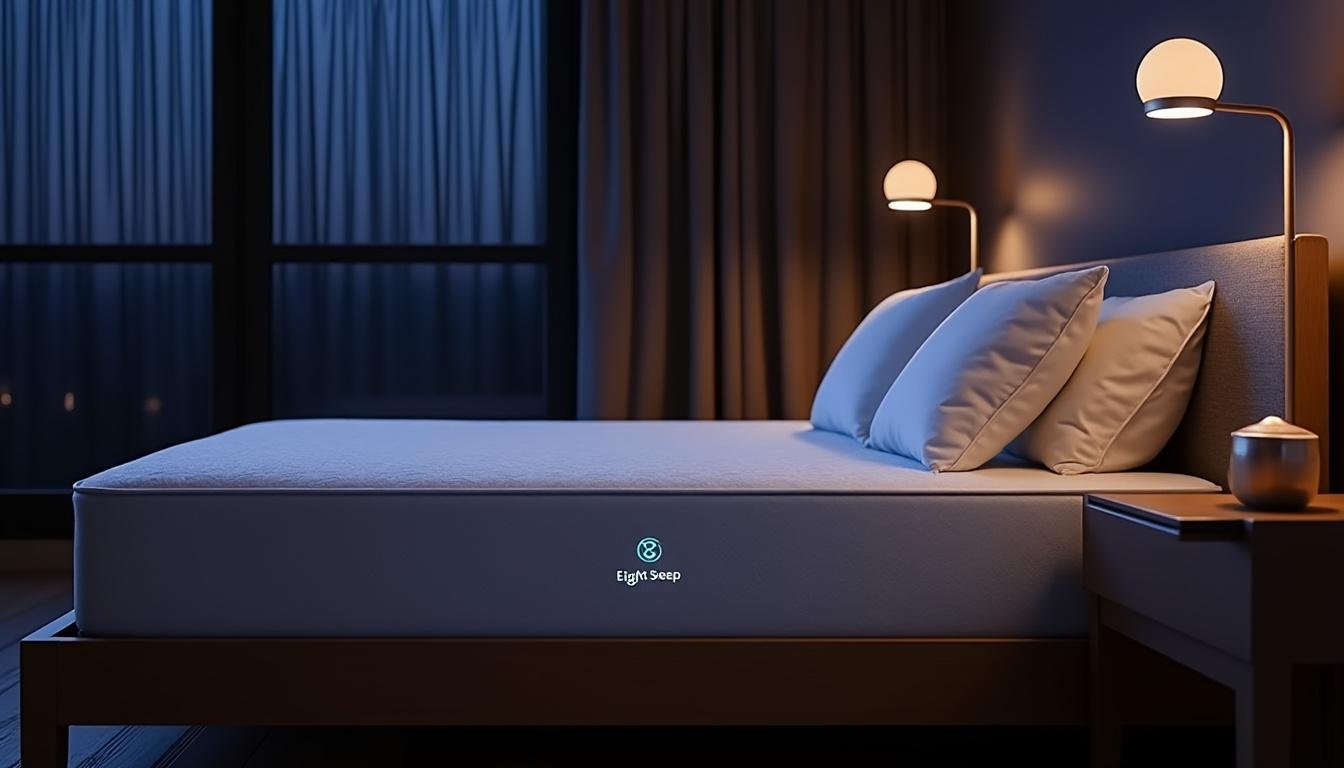
Experts from Harvard Health and Mayo Clinic emphasize that environmental control is foundational in sleep hygiene, a concept echoed in Sleep Number’s innovative sleep systems enhancing user experiences through personalization.
Technology’s Role in Enhancing Sleep Hygiene: Trackers, Apps, and Smart Beds
Advancements in technology have transformed sleep science and how individuals manage their sleep routines. Devices such as Fitbit, Oura rings, and smart beds from brands like Sleep Number and Eight Sleep now track sleep stages, movement, heart rate, and environmental conditions. These technologies provide actionable data helping users optimize bedtime and lifestyle habits.
Apps like Calm also offer guided meditation, breathing exercises, and sounds designed to reduce stress and enhance sleep onset. Philips Hue lighting systems can sync with your circadian rhythm, gradually dimming lights at night and brightening in the morning, supporting natural wakefulness.
Smart beds go further by adjusting firmness based on sleep position and temperature, providing customized comfort throughout the night. Such products enhance not only subjective sleep quality but also address specific needs such as restless leg syndrome or sleep apnea through integrated features.
Practical technology tools for better sleep management:
- Fitbit and Oura rings: Track sleep cycles and heart rate variability.
- Sleep Number and Eight Sleep smart beds: Offer personalized comfort and temperature regulation.
- Calm and other meditation apps: Facilitate relaxation and reduce bedtime anxiety.
- Philips smart lighting: Supports optimal light exposure for circadian alignment.
- Hatch restorative sleep products: Combine sound, light, and meditation for holistic sleep routines.
| Technology | Purpose | Benefit to Sleep |
|---|---|---|
| Fitbit | Sleep tracking, heart rate monitoring | Personalized sleep data for routine adjustment |
| Sleep Number smart bed | Adjustable firmness and climate control | Customized comfort, improved sleep quality |
| Calm app | Meditation, guided sleep stories | Reduced anxiety, enhanced sleep onset |
| Philips Hue lighting | Dynamic light spectrum control | Improved circadian rhythm regulation |
| Hatch | Integrated sleep aids (sound, light) | Creates relaxing bedtime rituals |
Incorporating these technologies aligns with recommendations from the Sleep Research Foundation and is often featured in modern wellness advice such as seen at HealthMatters NYP, providing accessible tools to enhance sleep hygiene with measurable results.
Recognizing and Addressing Sleep Disorders: When to Seek Professional Help
Despite best habits, some individuals struggle with persistent sleep difficulties due to underlying disorders such as sleep apnea, insomnia, restless leg syndrome, or circadian rhythm disorders. Ignoring these problems can exacerbate health risks including cardiovascular disease, immune dysfunction, and even increased cancer risk related to chronic inflammation from poor sleep.
Signs that professional evaluation is necessary include excessive daytime sleepiness, loud snoring, witnessed pauses in breathing, frequent nighttime awakenings, difficulty falling asleep or staying asleep, and unrefreshing sleep despite adequate time in bed. Treatments may involve CPAP machines, medication, cognitive behavioral therapy, or lifestyle modifications supported by expert guidance.
Ignoring symptoms often leads to a vicious cycle of sleep deprivation and worsening health. Early intervention ensures improved quality of life and reduces secondary complications. The MD Anderson Sleep Center and other health networks offer detailed assessments and treatment pathways for these conditions.
Steps to identify and manage sleep disorders:
- Monitor sleep patterns closely, noting disturbances.
- Consult a healthcare provider if experiencing persistent issues.
- Undergo sleep studies or assessments if recommended.
- Adhere to prescribed treatments and lifestyle adjustments.
- Utilize supportive technologies as adjuncts to therapy.
| Symptom | Possible Disorder | Recommended Action |
|---|---|---|
| Excessive daytime sleepiness | Sleep apnea, narcolepsy | Consult sleep specialist, possibly undergo polysomnography |
| Loud snoring with breathing pauses | Obstructive Sleep Apnea | Sleep study, CPAP treatment |
| Difficulties falling/staying asleep | Insomnia | Cognitive behavioral therapy, sleep hygiene improvement |
| Leg discomfort with urge to move | Restless Leg Syndrome | Neurological consultation, medication |
Professional advice and information are available through sources like Mayo Clinic and Sleep Foundation. Acknowledging sleep challenges promptly paves the way for restful nights and improved health outcomes.

Frequently Asked Questions about Building a Healthier Sleep Routine
- Q: How important is sticking to the same sleep schedule every day?
A: Extremely important. Consistency helps regulate your body’s internal clock and improves sleep quality, as supported by research from the Sleep Research Foundation. - Q: Can technology really improve sleep, or does it interfere?
A: When used wisely, technology like Fitbit trackers or Calm meditation apps helps identify sleep issues and promotes relaxation. However, it’s best to limit screen exposure before bedtime to avoid blue light interference, as detailed by Harvard Health. - Q: What is the role of exercise in sleep quality?
A: Regular exercise, especially earlier in the day, can enhance sleep depth and duration. Avoid late-night workouts to prevent difficulty falling asleep, a fact highlighted by the Mayo Clinic. - Q: How can I create a bedroom environment conducive to sleep?
A: Focus on darkness, cool temperature, and noise reduction. Using blackout curtains, temperature-regulating mattresses from brands like Tempur-Pedic, and white noise devices can all support a better sleep environment. - Q: When should I see a doctor about my sleep?
A: If you frequently experience difficulties like snoring with breathing pauses, excessive daytime sleepiness, or difficulty falling asleep despite good habits, it’s advised to consult a healthcare professional for assessment and treatment.

1 Comment
Pingback: Sleep Your Stress Away: Rest for Resilience