

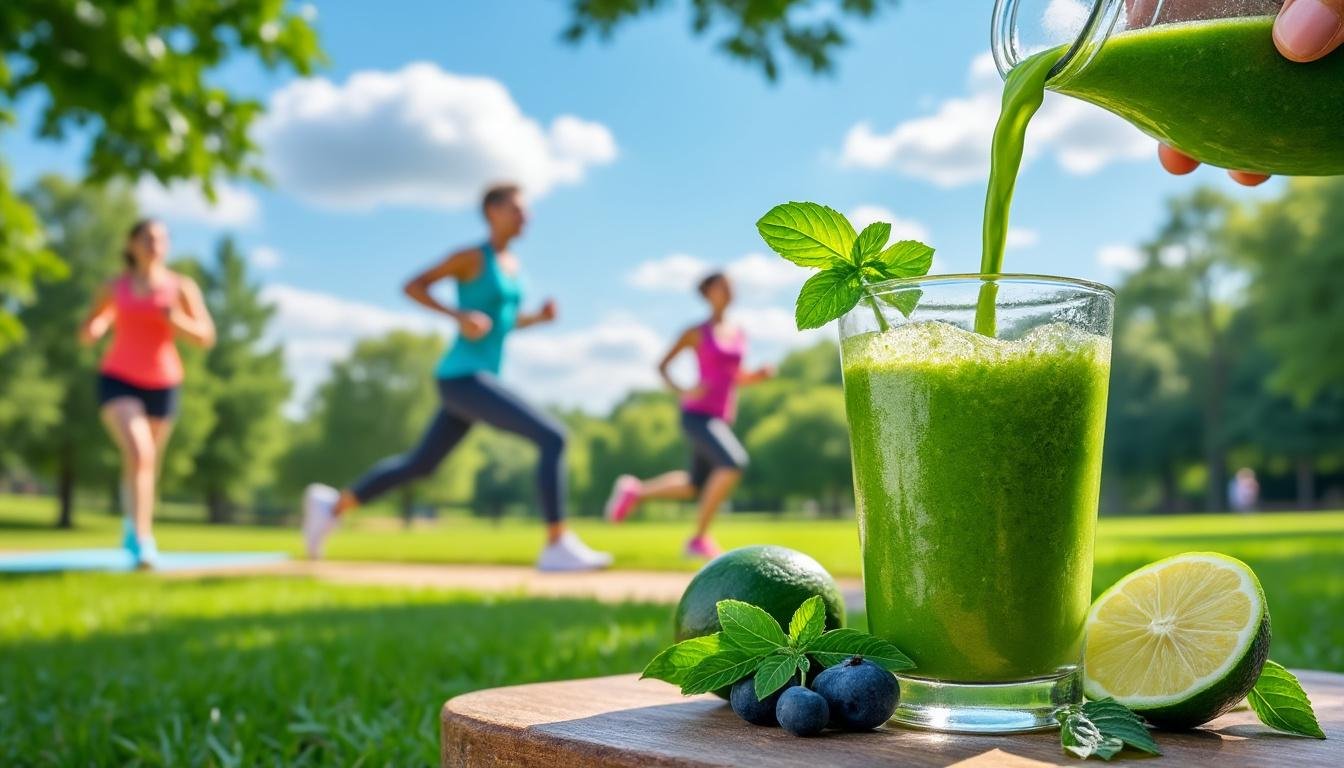
Entering your thirties often feels like stepping onto a pivotal crossroads of life. Amidst career advances, personal growth, and evolving social dynamics, this decade reveals itself as a decisive period for setting the course of your long-term health. Recent studies, including a comprehensive Finnish longitudinal research project, underscore the critical nature of the years between 36 and 46 — a transformative window where the choices you make can either consolidate a foundation of wellness or quietly sow the seeds for future afflictions. Heavy partying and late nights that seemed inconsequential in your twenties might begin to manifest their effects, while the biological rhythms of your body subtly shift, particularly for women navigating hormonal transitions, influencing metabolism and vitality. In 2025, embracing healthier routines is not just a trend but a scientifically supported imperative for longevity and quality of life. By integrating fitness regimens facilitated by brands like Nike and Lululemon, adopting mindful eating through sources like Whole Foods, and leveraging modern health technology such as Fitbit and Peloton, individuals are empowered to optimize their physical and mental wellness progressively. This article delves into three essential habits you must adopt in your thirties to shape a healthier future, backed by data and expert insights, while aligning with contemporary lifestyle tools and resources.
Understanding the Critical Health Window from Ages 36 to 46
The decade spanning ages 36 to 46 has come under intense scientific scrutiny due to its outsized impact on long-term health outcomes. A prominent Finnish study that tracked participants born in 1959 through multiple life stages found that behaviors and physiological markers in this timeframe correlate strongly with risks of heart disease, diabetes, cancer, and mental health disorders later in life. The findings provide compelling evidence that health deterioration can begin earlier than traditionally assumed, influenced by lifestyle choices made in one’s thirties.
During this period, metabolic functions begin to slow, blood pressure and cholesterol levels become more variable, and early markers of chronic disease emerge. Compounding this are the psychological effects of escalating work and family responsibilities, stress, and sometimes neglect of self-care. Women encounter additional challenges as hormonal changes begin to affect energy balance and fertility. Dr. Angela Wilson, a gynecologist based in NYC, emphasizes that “prevention, early diagnosis, and intervention during this critical decade are paramount” to curbing disease trajectory and promoting longevity.
Researchers in the Finnish study assessed a spectrum of health indicators, including blood pressure, waist circumference, blood sugar, cholesterol, and psychological wellbeing at ages 27, 36, 42, 50, and 61. They observed a strong link between three risky behaviors — smoking, heavy alcohol consumption, and physical inactivity — and poorer mental and physical health at 36 and beyond. Early lifestyle adaptations can stall or reverse this decline.
10 quick checks to spot low-quality supplements before you buy - plus research-backed doses for 12 common ingredients. Free PDF, no spam.
Key Risk Factors to Address by Your Late 30s
- Smoking: Linked to cardiovascular deterioration, cancer risk, and respiratory problems.
- Heavy Alcohol Use: Increases chances of liver disease, hypertension, and disrupted sleep.
- Physical Inactivity: Associated with obesity, metabolic syndrome, and mental health disorders.
To exemplify the stakes, quitters of smoking reduce cardiovascular disease risk by up to 50% within a decade, while cutting back alcohol stabilizes blood pressure and supports better sleep cycles. Incorporating even modest physical activity routines promoted by platforms like Peloton and apps such as MyFitnessPal can transform risk profiles over time.
| Health Indicator | Impact Without Intervention | Benefits of Early Habit Adoption |
|---|---|---|
| Blood Pressure | Elevated risk of stroke and heart attack | Maintains vascular health and reduces cardiovascular events |
| Cholesterol Levels | Heightened likelihood of atherosclerosis | Promotes better lipid profiles through diet and activity |
| Psychological Wellbeing | Increased risk of depression, anxiety | Improved mood and resilience with mindfulness and exercise |
Incorporating these insights, individuals in their thirties face a momentous opportunity to sculpt a path toward longevity. Evidence from platforms like HelpDementia and Verywell Health reinforce this notion, underscoring the imperative of behavior modification during these years.

Three Vital Habits to Transform Your Health in Your Thirties
Consolidating findings from experts and lifestyle researchers reveals three foundational habits that offer the strongest protective effect for health outcomes post-36. These are:
- Stopping Smoking
- Reducing Alcohol Consumption
- Adopting Regular Physical Activity
Each habit independently and synergistically reduces the risk of chronic illnesses, while improving mental and emotional wellness. Dr. Tiia Kekäläinen, lead author of the Finnish study, stresses early intervention: “Tackling risky health behaviors as early as possible prevents damage from accumulating and undermining long-term wellbeing.”
Quitting Smoking: The Cornerstone of Health Renewal
Despite being well-known, smoking remains a prevalent habit that undermines health dramatically. Nicotine and other toxins constrict blood vessels, reduce oxygen delivery, and contribute heavily to cancer and heart disease. By the mid-thirties, the cumulative damage can manifest as diminished lung capacity, fatigue, and early signs of pulmonary disease.
The path to cessation is challenging yet increasingly supported by technological aids like Headspace for stress relief, combined with community backing through fitness brands such as Nike and their wellness initiatives. Healthcare providers also endorse nicotine replacement therapies and structured programs for success.
Reining in Alcohol: Moderation for a Long Life
Alcohol’s wide-reaching effects touch liver health, cardiovascular function, and even sleep quality. Reducing intake lowers hypertension risk, cancer incidence, and mental health disturbances such as anxiety and depression. Research highlights that even moderate reduction can yield measurable benefits within months.
Choosing nutrient-rich foods from outlets like Whole Foods supports liver function and overall detoxification. Apps like MyFitnessPal enable tracking of consumption patterns, while mindfulness platforms such as Headspace help manage cravings and stress that often prompt overindulgence.
Moving More: The Transformative Power of Exercise
The sedentary lifestyle puts anyone at risk, but the thirties are a key moment to establish consistency in physical activity. Whether it is low-impact yoga from Lululemon, cardio sessions on a Peloton bike, or outdoor running with energized Nike gear, movement aids in maintaining muscle mass, balancing hormones, aiding metabolism, and elevating mood.
Daily activity, even in brief spurts, counteracts the metabolic slowdown and supports mental clarity. Studies show that exercising at least three times a week can reduce anxiety and depression symptoms by over 20%. Combining fitness tracking via Fitbit and disciplined goal-setting through apps greatly increases adherence.
| Habit | Health Benefit | Recommended Practices |
|---|---|---|
| Stop Smoking | Reduces cardiovascular and cancer risk | Nicotine replacement, mindfulness, support groups |
| Limit Alcohol | Improves liver, heart, and mental health | Moderation, nutritional diet, stress management |
| Exercise Regularly | Enhances metabolism, mood, and muscle preservation | Structured routines, fitness tracking, varied modalities |
The Role of Nutrition and Mental Health in Your 30s
Nutrition and emotional wellbeing form the backbone for sustaining healthy habits through adulthood. Nutrient-dense diets, supported by Whole Foods’ rich offerings and tools like NutriBullet for home smoothies, replenish vital antioxidants and essential nutrients that stave off inflammation and disease progression.
Meanwhile, mental health maintenance is not merely a luxury but an essential component of physical health management in your thirties. Busy lives with mounting pressures make stress pervasive, disrupting sleep and hormonal balance.
Balanced Nutrition for Sustained Vitality
Dietary patterns in your thirties should emphasize whole, unprocessed foods, rich in fiber, lean proteins, and healthy fats. The Mediterranean diet, for example, is widely advocated to lower cardiovascular risk factors and support brain health. Shopping at stores like Whole Foods facilitates access to organic, high-quality ingredients ideal for this lifestyle.
Implementing tools such as NutriBullet streamlines preparation of nutrient-packed smoothies and meals, making it easier for working adults with limited time. Utilizing apps like MyFitnessPal helps monitor calorie intake and macronutrient balance.
Prioritizing Mental Health with Mindfulness and Restorative Practices
Practices such as meditation and mindfulness can mitigate anxiety and enhance cognitive function. Platforms like Headspace have democratized access to guided meditations and sleep aids that benefit physical health indirectly through improved stress response.
Establishing consistent sleep patterns is crucial as hormonal fluctuations in the thirties can disturb circadian rhythms. Quality sleep supports immune function, mental acuity, and metabolic health — all cornerstones of enduring wellness. Regular exercise also promotes better sleep quality, creating a virtuous cycle.
| Health Aspect | Positive Habit | Resulting Benefit |
|---|---|---|
| Nutrition | Whole foods, balanced diet, NutriBullet smoothies | Reduced inflammation, better energy, heart and brain health |
| Mental Health | Daily mindfulness, meditation using Headspace | Lower stress, improved sleep, enhanced focus |
| Sleep | Regular schedule, minimizing screen time before bed | Improved immune response, hormone regulation |
How Technology and Routine Support Sustainable Healthy Habits
The rise of wearable technology and health-oriented digital platforms in 2025 makes sustaining healthy habits more accessible and engaging than ever. Devices like Fitbit provide real-time feedback on physical activity, heart rate variability, and sleep quality, empowering users to make informed adjustments.
Fitness apps and social platforms foster community support, accountability, and motivation. Regularly engaging with brands such as Nike or Under Armour can inspire and help cultivate goal-oriented routines suited to busy lifestyles.
Building Consistency with Digital Assistance
- Fitness Tracking: Monitoring daily steps, heart rate, and workout performance to spot trends and boost motivation.
- Nutrition Apps: Using MyFitnessPal to log meals, track macros, and discover nutritional insights.
- Mental Wellness Platforms: Leveraging Headspace for meditation and stress management techniques.
Additionally, integrating exercise into routine activities — like choosing to walk or bike to work, or scheduling Peloton sessions at home — addresses physical inactivity. Small behavioral modifications accumulate to significant health dividends over years.
| Technology Tool | Primary Use | Health Benefit |
|---|---|---|
| Fitbit | Activity and sleep tracking | Improved fitness adherence, better sleep hygiene |
| MyFitnessPal | Nutrition logging | Balanced diet, weight management |
| Headspace | Meditation and stress relief | Reduced anxiety, enhanced focus |
Practical Strategies for Sustainable Health in Your 30s
While understanding the importance of healthy habits is vital, integrating and sustaining them amidst the busy lives that characterize the thirties can be challenging. Prioritizing one’s health requires deliberate planning and incremental changes.
Establishing Achievable Goals
Start with small, concrete targets such as quitting smoking by setting a quit date, limiting alcohol to specified weekly maximums, or committing to 30 minutes of moderate exercise five times a week. Tracking progress with tools from MyFitnessPal or Fitbit provides tangible evidence of advancement and rewards continued effort.
Creating Supportive Environments
Surrounding yourself with like-minded individuals who value healthy living enhances adherence. This might include joining exercise groups linked with brands like Lululemon or Nike, participating in wellness challenges, or sharing progress on social media communities.
Overcoming Obstacles and Maintaining Motivation
Busy schedules, stress, and occasional setbacks are normal. Utilizing relaxation strategies through Headspace meditations, and adjusting habits flexibly to fit changing life circumstances, prevents abandonment of the health journey. Professional guidance is also invaluable; frequent primary care check-ups foster prevention and timely interventions.
| Strategy | Implementation Tips | Potential Challenges | Solutions |
|---|---|---|---|
| Goal Setting | Define SMART goals, use apps for tracking | Lack of clarity, overwhelm | Break goals into manageable steps |
| Community Engagement | Join fitness groups, online forums | Isolation, lack of support | Seek accountability partners |
| Stress Management | Daily relaxation practices, meditation | Work pressure, time constraints | Schedule short, frequent practices |
For further insights, read more at MetLife Healthy Lifestyle Habits and Impact Wealth Guide.
Frequently Asked Questions about Health in Your Thirties
-
Why is the age range 36 to 46 considered so critical for health?
This period marks the transition to middle age where cumulative effects of earlier lifestyle choices begin manifesting as physiological changes and disease risk. Early interventions here have outsized benefits.
-
How quickly do health improvements occur after quitting smoking or reducing alcohol?
Improvements can start within weeks, with significant risk reductions like cardiovascular benefits appearing within years. Consistency is key.
-
What types of exercise are best for people in their thirties?
A combination of cardio, strength training, and flexibility exercises tailored to individual preference promotes balanced physical and mental health.
-
How can mental health be supported alongside physical health?
Techniques such as mindfulness meditation, regular sleep schedules, and stress management tools like Headspace complement physical wellness efforts.
-
Are there technological tools to help maintain health routines?
Yes, devices like Fitbit and apps such as MyFitnessPal offer tracking and motivation to sustain habits long term.
10 quick checks to spot low-quality supplements before you buy - plus research-backed doses for 12 common ingredients. Free PDF, no spam.
