


You don’t see it coming. One day, you’re helping your mother fill out a form at the doctor’s office. The next, you’re managing her medications, her appointments, her moods, her meals—while still juggling your job and family. No one warned you how fast it could escalate, or how unprepared you might feel.
As a doctor who works closely with families facing long-term care needs, I’ve seen the same realization dawn again and again: caregiving is more than love and good intentions. It’s a marathon, not a sprint. And if you don’t know what’s coming, it can catch you completely off guard.
The emotional toll you don’t expect
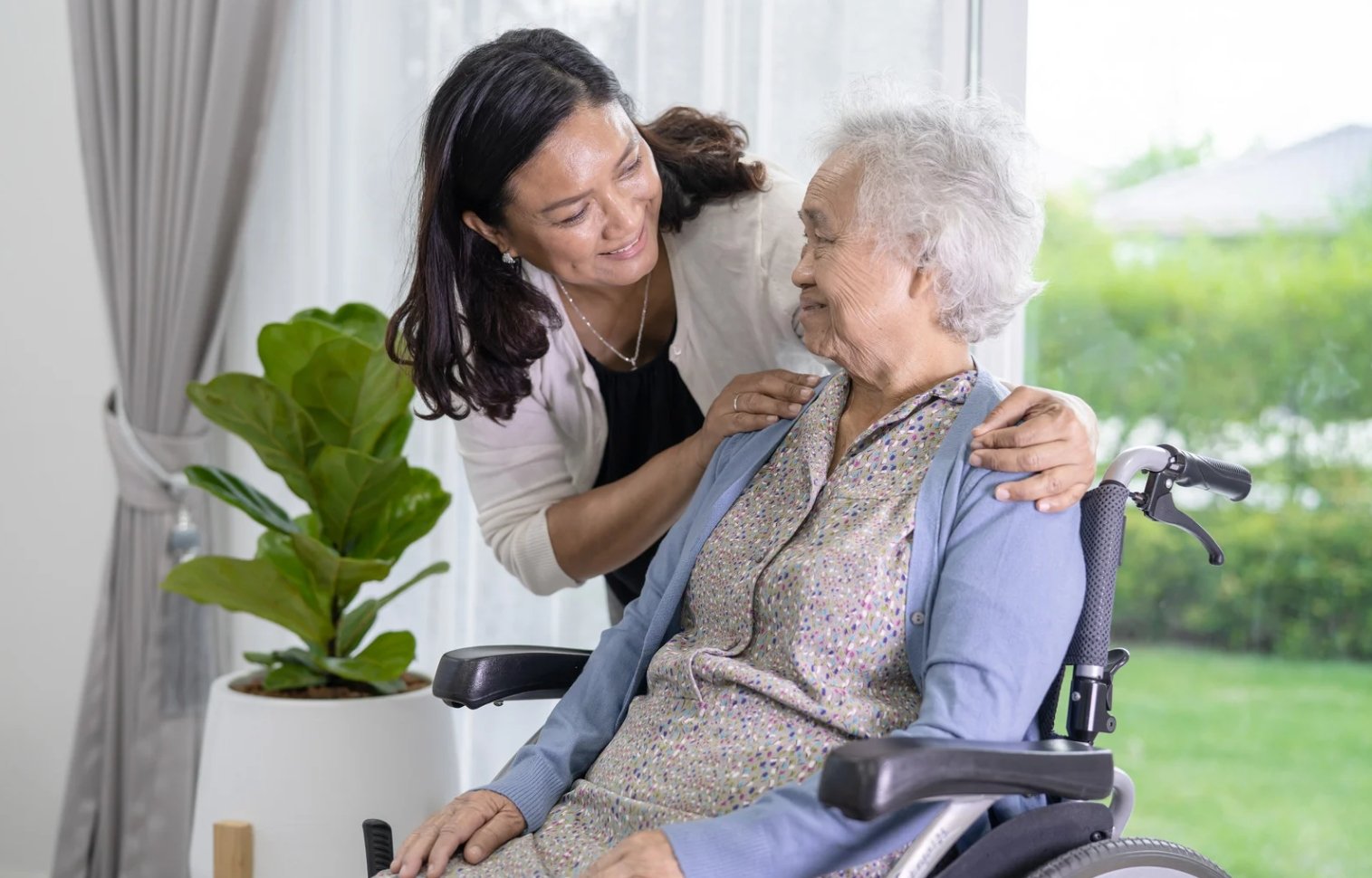
Caregiving is deeply human. It connects you to those you love on an intimate level. But that connection comes at a cost few people discuss. You may feel guilt—guilt for not doing enough, for needing rest, for wanting a break. You may feel resentment, even shame, and then guilt again for feeling it.
10 quick checks to spot low-quality supplements before you buy - plus research-backed doses for 12 common ingredients. Free PDF, no spam.
There is often grief, too—not just for what might be lost, but for the roles that change. A son becomes a manager. A spouse becomes a nurse. The relationship shifts, and with it, your sense of self. That emotional weight doesn’t always show on the outside, but inside, it accumulates.
The invisible load: admin, time, relationships
Beyond the physical care lies a maze of responsibilities: insurance paperwork, care plans, medications, therapy coordination. You become the default problem-solver for a system that often feels cold and complicated. The stress of getting it right—of not missing a dose or a form or a symptom—can be overwhelming.
Meanwhile, your personal life quietly reshapes itself. Friends may stop calling. Your schedule becomes dictated by someone else’s needs. Your own health appointments, hobbies, even meals, are pushed to the margins. Over time, it can lead to burnout, isolation, and a deep sense of invisibility.
What you can do before it’s too late

Most people don’t plan to be caregivers. It happens slowly, then all at once. But there are steps you can take early on to protect both your loved one and yourself.
Ask for help early, not just when things fall apart. Siblings, neighbors, local services—don’t wait to involve them.
Set boundaries, even if they feel uncomfortable. Rest isn’t optional; it’s essential.
Keep your doctor appointments. You can’t help someone else if your own health fails.
Document everything. Medications, symptoms, questions—clarity reduces stress.
Find a support group, online or local. There’s relief in being heard by someone who understands.
Preparing for caregiving isn’t about expecting the worst—it’s about staying strong for the long haul. It’s giving yourself permission to be imperfect and still enough.
You are not alone—and you shouldn’t have to be
Caregiving can feel like a private battle, but it’s a shared experience for millions. What makes it harder is the silence around it—the social taboo of saying it’s exhausting, frustrating, even lonely. But saying those things doesn’t make you a bad caregiver. It makes you honest.
The truth is, your care matters. But you matter just as much. And if we talked about these realities more openly, perhaps fewer people would find themselves overwhelmed and unprepared when it’s already too late.
You don’t need to do it all. You need to know it’s okay to ask, to pause, to care for yourself—because that, too, is an act of caregiving.
10 quick checks to spot low-quality supplements before you buy - plus research-backed doses for 12 common ingredients. Free PDF, no spam.

2 Comments
Pingback: A Nurse’s Touch: Changing a Leukemia Patient’s Life
Pingback: Caring for aging parents without burning out - LiveWell Magazine