


Optimizing Your Morning Meal for a Healthy Liver
Starting your day with a nourishing breakfast plays a crucial role in maintaining liver health. The liver, a vital organ responsible for detoxification, metabolism, and storage of nutrients, reacts positively when fueled with the right balance of macronutrients and minimal added sugars. Excess sugar is one of the primary contributors to liver strain and damage, often leading to nonalcoholic fatty liver disease (NAFLD), which affects nearly 24% of adults in the US, according to leading research.
When high amounts of simple sugars flood the liver, it converts this surplus into fat, causing inflammation and liver stress over time. This cascade is triggered when your morning begins with sugar-laden cereals, pastries, or sweetened beverages. Instead, opting for a breakfast rich in fiber, protein, and healthy fats can provide your liver with the necessary tools to function optimally throughout the day.
What to Include in Your Liver-Friendly Breakfast
For a meal that supports a natural detox and promotes a healthy liver, diversity and color on your plate are essential. Consider including:
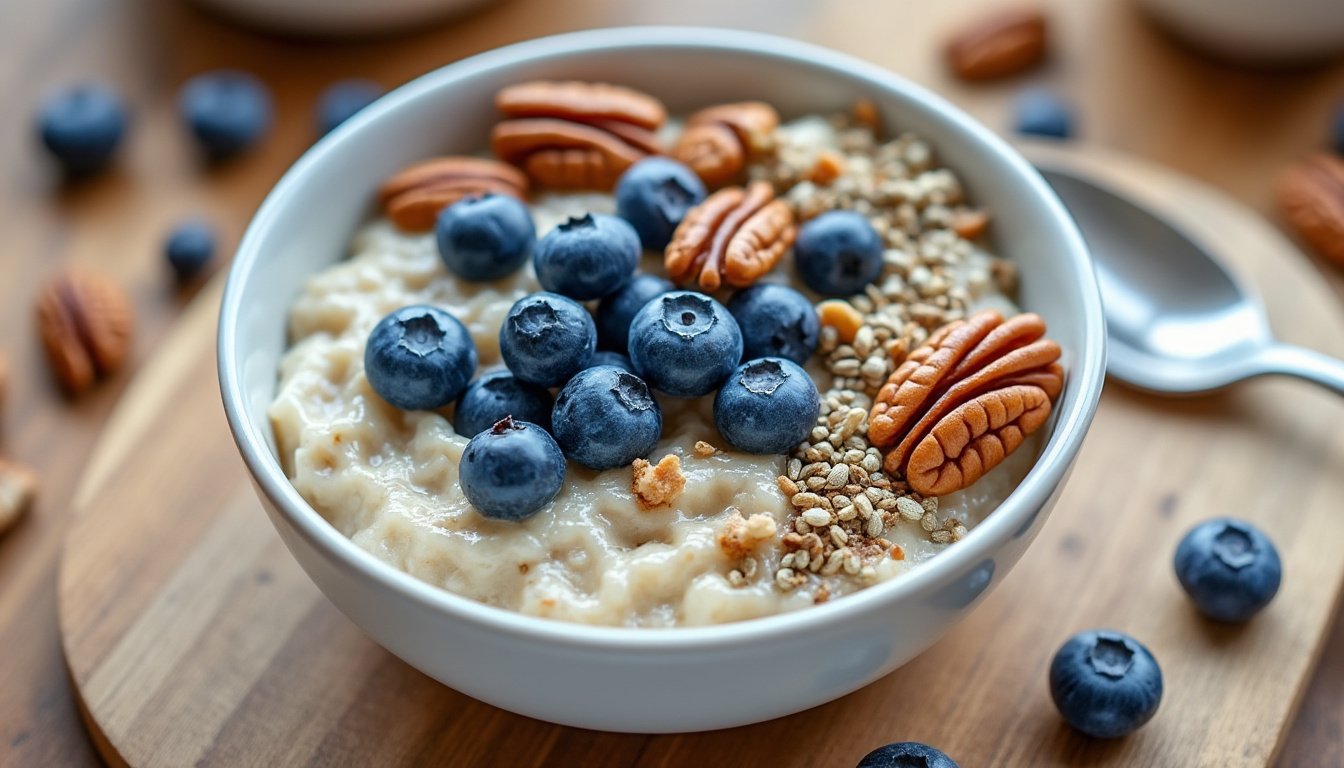
- Oatmeal topped with antioxidant-rich blueberries, pecans for healthy fats, and hemp seeds for protein.
- Scrambled eggs paired with leafy greens like kale and shallots, offering both fiber and essential vitamins.
- Whole grain toast with avocado, which provides monounsaturated fats beneficial to liver function.
- Plain yogurt served with mixed berries, a source of probiotics and antioxidants that can help maintain gut and liver balance.
Beyond what you eat, when you eat is equally important. Your body’s insulin sensitivity peaks in the morning, making it an optimal time to process nutrients efficiently. Scientific studies have demonstrated that consuming meals earlier in the day helps in better fat metabolism, while eating late can encourage fat storage and increased hunger cues, counteracting liver wellness goals.
10 quick checks to spot low-quality supplements before you buy - plus research-backed doses for 12 common ingredients. Free PDF, no spam.
For guidance on this topic, refer to the detailed insights available in Morning Habits for Liver Health, where experts delineate the best dietary practices to nurture your liver and overall vitality.
Incorporating Movement into Your Morning Routine to Enhance Liver Function
Physical activity, especially soon after breakfast, can dramatically influence your liver’s natural detoxification process. Research indicates that even a moderate, post-meal walk improves liver enzyme levels and reduces fat accumulation in individuals with NAFLD. This easy practice integrates well into daily life and supports both metabolic and liver health without requiring intensive workouts.
The Centers for Disease Control and Prevention advocate for at least 150 minutes of moderate exercise weekly, which can be fulfilled with simple habits such as daily walks. Beyond weight management and cardiovascular benefits, these activities assist in maintaining glucose balance after meals, lowering insulin spikes that otherwise stress your liver.
Practical Tips for Morning Movement
- Take a brisk 15-30 minute walk outside or around your neighborhood immediately after breakfast.
- Engage in gentle stretching or yoga poses that focus on abdominal breathing to stimulate liver function.
- Incorporate short bursts of light activity, such as climbing stairs or quick bodyweight exercises, to keep energy expenditure continuous.
Dr. Jennifer Lai, a leading hepatologist, emphasizes that consistent movement throughout the day is beneficial, but post-meal motion delivers the greatest results for liver metabolism. Regardless of the intensity, adopting a routine that suits your lifestyle will have positive long-term effects. For more ideas on integrating effective physical practices, explore Liver Morning Routine, which offers comprehensive lifestyle adjustments to boost liver health naturally.

Natural Beverages to Support Liver Cleanse Every Morning
Your morning drink can be a potent tool in your arsenal to boost liver health. Coffee, in particular, has gained traction for its hepatoprotective properties. Consuming about 2.5 to 3.5 cups daily may reduce the risk of liver-related complications by up to 40%, according to multiple studies. These benefits are attributed to the antioxidants and other bioactive compounds that reduce inflammation and protect liver cells from damage.
Choosing coffee without added sugars or artificial sweeteners maximizes these benefits and avoids unnecessary calorie intake that could otherwise contribute to liver stress. For those who prefer tea, unsweetened green tea serves as a valuable alternative, rich in polyphenols and catechins known to improve liver enzymes and decrease the risk of liver cancer.
Morning Rituals for Herbal Remedies and Liver Nourishment
Herbal remedies also play a role in supporting the liver’s natural detox pathways. Traditional morning drinks, such as a mix of olive oil and lemon juice, have been cherished for generations as simple yet effective methods to revitalize liver function. This combination may stimulate bile flow, aiding digestion and natural cleansing processes of the liver.
Incorporating these drinks as part of your daily morning rituals encourages gentle liver stimulation without aggressive detox tactics. You’ll find a thorough guide on this natural remedy on A Morning Ritual to Revitalize Your Liver: Olive Oil and Lemon, detailing how to prepare and integrate this tonic into your routine safely and effectively.
Sleep and Stress Management: Crucial Morning Lifestyle Habits for Liver Health
Liver function extends beyond diet and exercise, encompassing overall lifestyle habits such as sleep and stress management. Consistent and restful sleep, ideally 7.5 to 8 hours, allows the liver to perform its cleansing activities effectively during the night. Disruptions in sleep patterns correlate with a higher risk of liver disorders, including an increased propensity for NAFLD, notably among women.
Stress impacts the liver indirectly by influencing hormonal balance and immune responses. Mindfulness techniques like meditation, yoga, and mindful walking have demonstrated potential in reducing liver inflammation according to preliminary scientific findings. Starting your mornings with these calming practices may set a positive tone for the day and fortify your liver’s resilience.
Incorporating Mindfulness and Restorative Practices into Your Morning Routine
- Begin with five to ten minutes of deep breathing or meditation to lower cortisol levels and promote liver-friendly hormones.
- Include gentle yoga sequences focused on abdominal and diaphragmatic breathing to enhance liver circulation.
- Maintain a consistent sleep schedule by going to bed and waking at the same time daily to support circadian rhythm and metabolic health.
To uncover more about how these natural health practices embed into comprehensive liver-supportive routines, you may visit Supercharge Your Liver Health: Simple Morning Rituals for a Healthier You. The site hosts a wealth of information on holistic strategies to boost metabolism and promote a liver cleanse through balanced lifestyle adjustments.
Essential Healthy Habits to Maintain Liver Wellness Throughout Your Day
Integrating small but effective habits consistently can profoundly benefit your liver health and overall metabolic function. Besides focusing on your morning routine, consider these ongoing strategies:
- Limit consumption of processed foods and added sugars throughout the day to prevent liver fat accumulation.
- Stay well-hydrated to support liver detoxification and enhance metabolic processes.
- Choose a diet rich in green leafy vegetables, legumes, and fiber to facilitate hormone regulation and waste elimination.
- Regularly consult healthcare professionals before starting new supplements or detox regimens to ensure safety and efficacy.
- Practice consistent physical activity beyond the morning routine to sustain liver vitality and reduce chronic disease risks.
Applying these habits, together with morning-focused rituals, creates a solid foundation for a healthy liver and improved natural health. For an in-depth breakdown on routines that optimize liver and kidney function, the article Morning Routines to Improve Liver and Kidney Health provides evidence-based guidance on choosing the right actions daily.
Why is reducing sugar intake important for liver health?
Excess sugar consumption can lead to fat being stored in the liver, causing inflammation and increasing the risk of nonalcoholic fatty liver disease (NAFLD). Controlling sugar intake helps prevent liver damage and supports efficient metabolic function.
Can herbal morning drinks actually help with liver detox?
Certain herbal drinks like olive oil and lemon juice mixtures stimulate bile flow and support the liver’s natural cleansing mechanisms without harsh detoxification processes, making them beneficial additions to morning rituals.
How does exercise after breakfast benefit the liver?
Post-meal physical activity helps reduce blood sugar spikes, improve insulin sensitivity, and decrease fat accumulation in the liver, promoting better liver health and overall metabolic balance.
Is coffee beneficial for liver health, and how should it be consumed?
Moderate intake of coffee, about 2.5 to 3.5 cups daily, provides antioxidants that protect liver cells and reduce inflammation. It is best consumed unsweetened to avoid negating its positive effects with added sugars.
What role does sleep play in natural liver detoxification?
Consistent, quality sleep allows the liver to perform detoxification processes effectively overnight. Poor sleep quality or irregular sleep patterns can impair liver function and increase disease risk.
10 quick checks to spot low-quality supplements before you buy - plus research-backed doses for 12 common ingredients. Free PDF, no spam.
