


Understanding Blood Pressure and Its Impact on Heart Health
Blood pressure is a critical indicator of cardiovascular health that determines how effectively your heart pumps blood through your arteries. Elevated blood pressure, often called hypertension, forces the heart to work harder, increasing the risk of heart attack, stroke, and other cardiovascular diseases. Understanding the factors that influence blood pressure and adopting healthy habits can significantly improve heart health and prevent dangerous complications.
Blood pressure readings consist of two numbers: systolic pressure (the pressure when the heart beats) and diastolic pressure (the pressure when the heart rests between beats). A reading of 120/80 mm Hg is considered optimal. However, sustained readings above 130/80 mm Hg indicate high blood pressure, which can damage vital organs over time.
Many lifestyle factors can affect blood pressure. For example, excessive salt intake causes the body to retain water, increasing blood volume and pressure on arterial walls. Sedentary habits lead to weaker heart muscles and reduced efficiency in oxygen extraction. Stress triggers hormone release that tightens blood vessels and raises pressure temporarily, but chronic stress can lead to persistent hypertension.
Using regular check-ups to monitor blood pressure is paramount. A significant number of individuals remain unaware of their hypertensive status until complications arise. This silent nature of high blood pressure means proactive health management, including seeing healthcare professionals regularly or using accessible blood pressure monitors at pharmacies, can lead to early detection and intervention.
10 quick checks to spot low-quality supplements before you buy - plus research-backed doses for 12 common ingredients. Free PDF, no spam.
Case studies have consistently shown that individuals who embrace improved lifestyle choices, such as reducing salt, managing stress, and engaging in exercise, report lower blood pressure and better overall heart health. For example, a study published in 2025 followed participants who reduced their salt intake by 30%, coupled with moderate exercise, resulting in an average systolic drop of 10 mm Hg within six months. This reduction markedly decreases the risk of stroke and heart disease.
Meanwhile, uncontrolled blood pressure can lead to thickened arteries (atherosclerosis), increasing the heart’s workload to push blood through narrowed and stiff vessels. This added strain elevates the likelihood of heart failure and arrhythmias. Recognizing these risks reinforces why maintaining a balanced diet and taking steps toward heart health cannot be postponed.
For practical insights on managing blood pressure effectively, many resources provide evidence-based strategies. Following expert advice on heart care fosters habits conducive to improved health and can be found in trusted publications like American Heart Association recommendations.
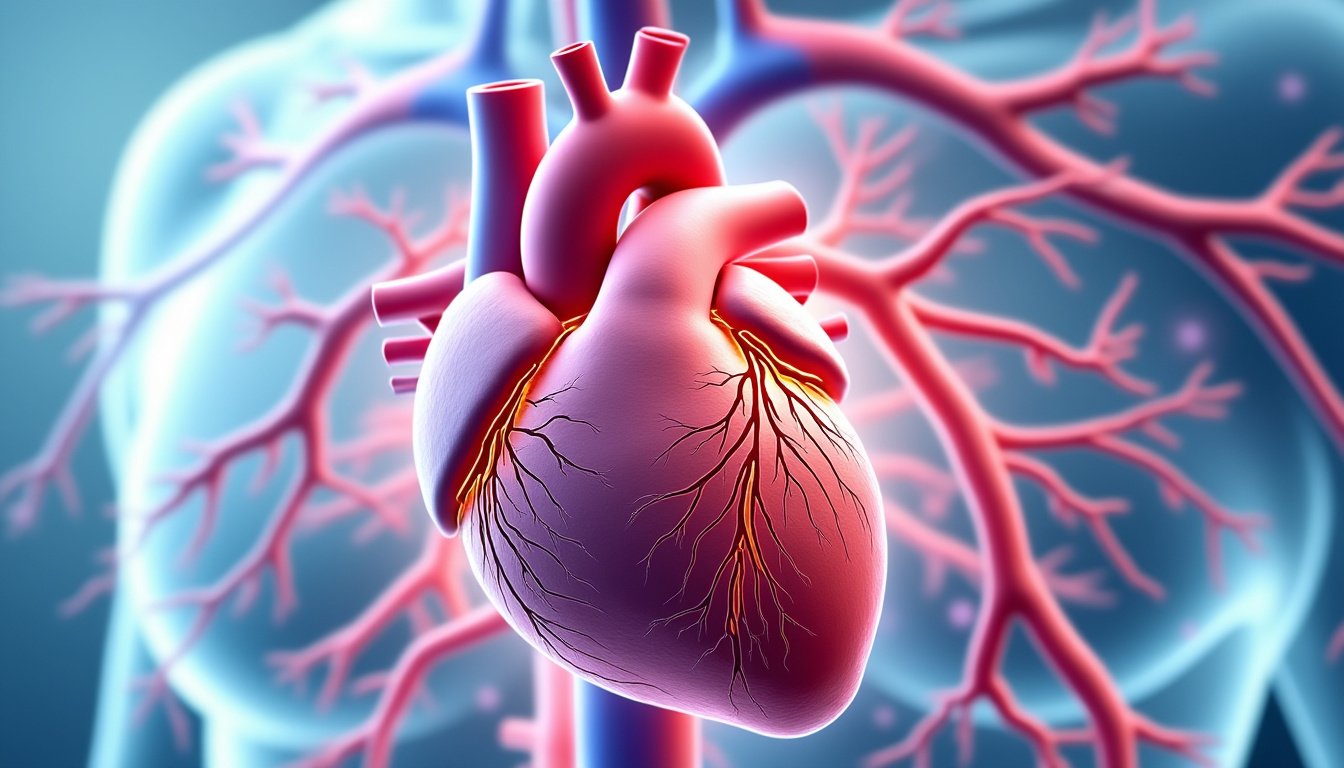
Incorporating Exercise to Strengthen Heart Health and Lower Blood Pressure
Exercise stands as one of the most effective natural methods to reduce blood pressure and enhance heart health. The heart is a muscle that gets stronger and more efficient with regular physical activity, improving circulation and oxygen delivery to tissues throughout the body. However, the type, duration, and frequency of activity all influence how effectively exercise benefits cardiovascular health.
Aerobic exercises such as walking, cycling, swimming, or jogging elevate heart rate in a controlled manner, promoting vascular elasticity and reducing arterial stiffness. Engaging in at least 150 minutes of moderate aerobic activity weekly has been associated with a noticeable decrease in systolic and diastolic blood pressure by approximately 5-8 mm Hg in hypertensive patients. For example, a middle-aged individual walking briskly for 30 minutes daily reported sustained improvements in heart health markers over a year.
Strength training also contributes by improving muscle mass, which helps regulate blood sugar and insulin sensitivity. These metabolic improvements are essential for managing blood pressure since insulin resistance often correlates with high blood pressure. Experts recommend including two sessions of muscle-strengthening activities weekly to complement aerobic routines.
Besides structured workouts, integrating physical activity into daily life — such as using stairs instead of elevators or opting for walking meetings — contributes cumulatively to heart health. A 2025 study highlighted that walking or standing for even short periods reduces the risk of hypertension more effectively than a sedentary lifestyle interspersed with a single daily exercise session. These findings highlight the importance of consistent movement throughout the day, not just scheduled workouts.
Incorporating exercise into your routine also has mental health benefits that impact heart health indirectly through stress management. Physical activity triggers endorphin release which helps lower stress hormones such as cortisol and adrenaline. Lower stress translates to reduced episodes of blood pressure spikes induced by tension or anxiety.
To ease into an exercise routine safely, it is advisable to consult healthcare providers. They can guide personalized programs based on individual fitness levels and medical history. Resources offering expert exercise recommendations and tracking tools are available through platforms like Live Well Magazine’s insights on blood pressure control.
Adopting a Balanced Diet: Key to Reducing Salt and Supporting Heart Health
Dietary choices profoundly impact blood pressure and overall heart wellness. A balanced diet rich in fruits, vegetables, whole grains, lean protein, and healthy fats supplies essential nutrients that support cardiovascular function and reduce arterial inflammation.
Salt reduction is among the most critical nutritional changes to lower blood pressure. Excess sodium causes fluid retention, increasing volume and pressure in the circulatory system. The average Western diet contains more salt than recommended, often from processed and restaurant foods. Learning to read nutrition labels and opting for fresh or minimally processed items can drastically reduce sodium intake.
The DASH diet (Dietary Approaches to Stop Hypertension) is a widely recommended eating plan designed explicitly to combat high blood pressure. It emphasizes potassium-rich foods that balance sodium effects, such as bananas, sweet potatoes, and spinach. A randomized controlled trial demonstrated that adherence to the DASH diet over eight weeks reduced systolic blood pressure by 11 mm Hg on average, rivaling some antihypertensive drugs in effectiveness.
Incorporating foods with natural anti-inflammatory properties can further support heart health. Omega-3 fatty acids found in fatty fish like salmon, nuts, and flaxseeds improve arterial flexibility and reduce plaque formation. Additionally, limiting saturated fats and trans fats helps manage cholesterol levels, preventing artery blockages that contribute to hypertension.
Weight management through diet also plays a vital role. Excess body weight places additional strain on the heart and blood vessels, raising blood pressure. A well-regulated diet that balances calorie intake with physical activity supports steady weight loss or maintenance, which in turn helps normalize blood pressure values.
Practical steps toward a balanced diet include planning meals, cooking at home more often, and incorporating a variety of food groups. Nutritional education and goal setting with a dietitian can personalize approaches tailored to individual preferences and conditions.
Discover detailed guidance on heart-healthy eating patterns and practical diet tips designed to ease the path to reduced blood pressure at American Heart Association’s nutrition resources.

Effective Stress Management Techniques to Support Cardiovascular Wellness
Chronic stress is a silent contributor to elevated blood pressure and deteriorating heart health. When the body experiences stress, it activates the sympathetic nervous system, producing hormones like adrenaline that temporarily raise heart rate and constrict blood vessels. Frequent or prolonged activation leads to sustained hypertension and an increased risk of cardiovascular events.
Recognizing stress triggers and implementing techniques to manage stress is paramount in maintaining healthy blood pressure levels. Mindfulness practices such as meditation, yoga, and deep breathing have proven effective in calming the nervous system. For instance, individuals practicing mindfulness meditation for 20 minutes per day over several weeks exhibited a notable decline in systolic blood pressure, sometimes by as much as 5-7 mm Hg.
Another useful approach involves cognitive behavioral therapy (CBT), which helps modify thought patterns that cause or exacerbate stress. Through CBT, patients can develop healthier responses to stressors, reducing physiological impacts on heart health.
Physical activity, as mentioned earlier, also aids stress reduction by releasing natural mood enhancers. Social support from family, friends, or community can serve as a buffer against stressful episodes. Incorporating brief daily breaks to unwind or engage in hobbies fosters resilience against ongoing pressures.
Practical mindfulness exercises can be easily integrated into morning or evening routines to maintain lower stress levels throughout the day. Several experts emphasize the importance of consistent practice over time for lasting cardiovascular benefits.
For an in-depth exploration of stress management as a pillar of heart health, consider consulting resources providing expert-backed daily habits. Learn more about strategies that promote relaxation and blood pressure control at Health.com’s guide to morning habits for blood pressure management.
Integrating Healthy Habits for Weight Management and Smoking Cessation
Maintaining a healthy weight and quitting smoking are two powerful habits that can dramatically reduce blood pressure and improve heart health. Excess body fat, especially around the abdomen, increases resistance within blood vessels, forcing the heart to pump harder and raising blood pressure.
Implementing a sustainable weight management plan involves a combination of dietary modification, physical activity, and behavioral strategies. For example, setting realistic goals, tracking progress, and seeking regular professional guidance can foster long-term success. Research shows that even a modest 5-10% reduction in body weight leads to meaningful decreases in blood pressure, sometimes eliminating the need for medication.
Smoking cessation yields immediate and long-term cardiovascular benefits. Within 24 hours of quitting, blood pressure starts to decrease and oxygen-carrying capacity improves. Over subsequent months and years, the risk of heart attack and stroke drops significantly. The chemicals in tobacco damage the lining of arteries, increase clot formation, and contribute to atherosclerosis, thereby compounding high blood pressure risks.
Support services like counseling, nicotine replacement therapy, and prescription medications enhance quit rates. Community programs and healthcare providers offer structured interventions that can help overcome addiction.
Incorporating these complementary healthy habits into a daily routine strengthens heart resilience. A holistic approach that combines exercise, balanced nutrition, stress management, weight control, and smoking cessation provides the best chance to normalize blood pressure and sustain heart health.
For additional inspiration and expert recommendations on adopting heart-healthy habits, visit trusted sources such as Brown University’s seven healthy heart habits.
What is considered a normal blood pressure range?
A normal blood pressure reading is typically around 120/80 mm Hg. Values consistently above 130/80 mm Hg are considered high and require attention for heart health.
How often should I check my blood pressure?
Regular check-ups, at least once every 6-12 months for most adults, or more frequently if diagnosed with hypertension, help monitor control and adjust treatment as needed.
Can exercise alone control high blood pressure?
Exercise plays a major role in lowering blood pressure but is most effective when combined with a balanced diet, stress management, and other healthy lifestyle habits.
Why is reducing salt intake important for heart health?
Salt causes fluid retention that raises blood volume, increasing blood pressure and putting strain on the heart and arteries, which over time can lead to heart disease.
How does quitting smoking improve blood pressure?
Smoking damages blood vessels and increases the risk of hypertension. Quitting reduces blood pressure, improves oxygen delivery, and lowers the risk of heart attacks and strokes.
10 quick checks to spot low-quality supplements before you buy - plus research-backed doses for 12 common ingredients. Free PDF, no spam.
