

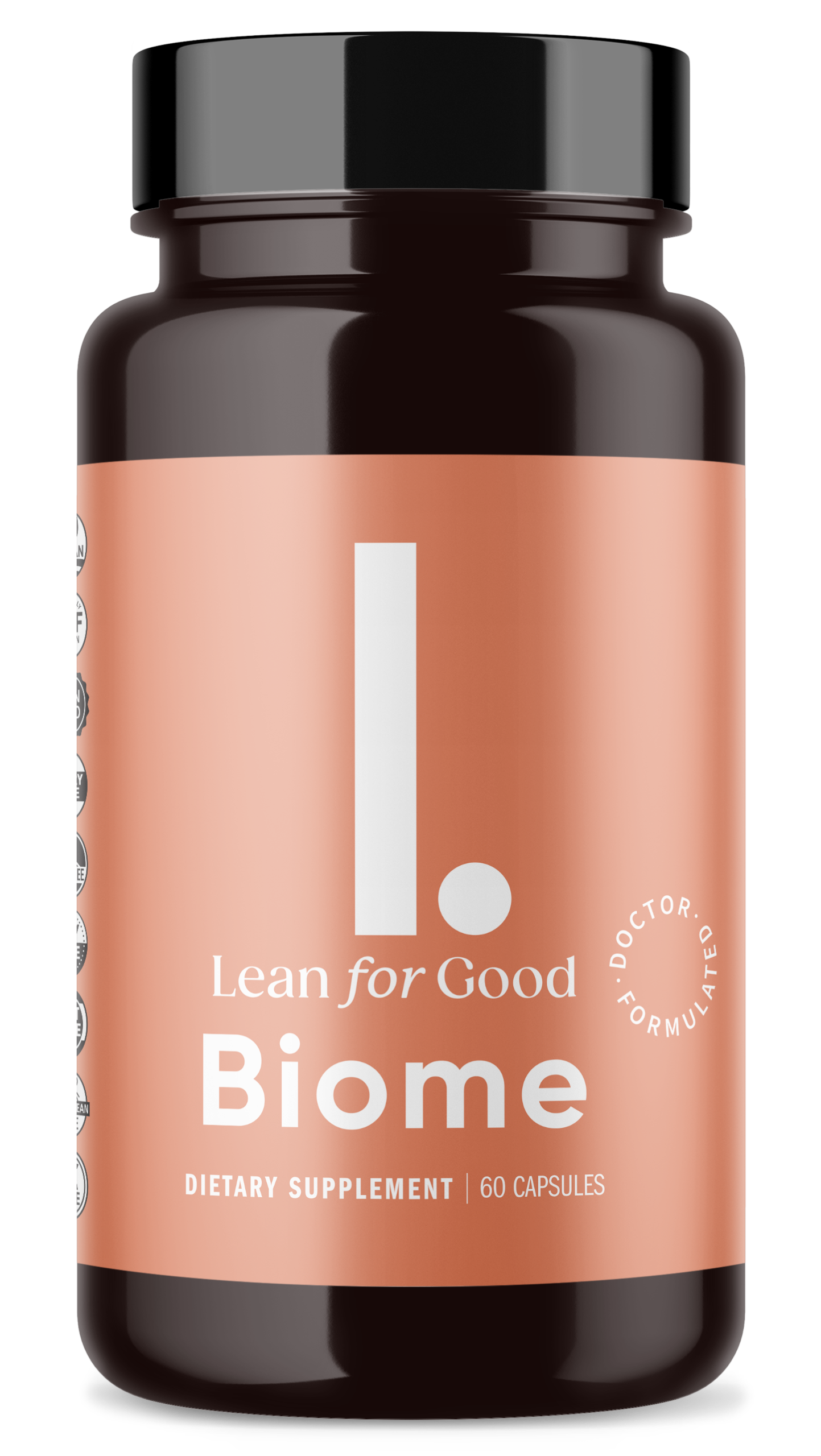
What are LeanBiome ingredients and why do they matter?
LeanBiome is marketed as a microbiome-targeting supplement that combines a multi-strain probiotic blend with a plant extract called Greenselect Phytosome®. See our LeanBiome review for a full breakdown of ingredients for more context on the product and its claims.
The product concept — repopulating your gut with “lean” bacteria
The maker says LeanBiome was developed to help rebalance the gut microbiome by introducing specific species of bacteria they describe as “lean bacteria.” Their marketing cites research from academic centres and twin studies to suggest that differences in gut bacteria may influence appetite, metabolism and fat storage. On the product page the company highlights a proprietary mix of nine clinically researched strains alongside a green-tea derived extract.
Key ingredients highlighted by the maker
- Multi-strain probiotic blend — The manufacturer states LeanBiome contains nine clinically researched bacterial strains that they call ‘lean bacteria’. These are said to be selected to support a more diverse gut microbiome and to displace species that the makers describe as associated with weight gain. The exact strains included are proprietary on the sales page, although one strain mentioned specifically is Lactobacillus gasseri.
- Lactobacillus gasseri — This bacterium is singled out in the sales material and the maker refers to published clinical work. The product copy references a clinical trial that examined L. gasseri and reports reductions in belly fat in the trial group; the company presents this as part of the evidence base for including the strain.
- Greenselect Phytosome® — This is a patented form of green tea extract combined with a phospholipid to improve absorption. The maker markets this as a caffeine-free, next-generation green-tea component intended to complement the probiotic strains.
How the makers say each ingredient works
According to the product information, the two ingredient types are intended to act together:
- Probiotic strains: marketed as reintroducing beneficial ‘lean’ species to the gut, which the makers claim can help curb hunger, reduce cravings and influence metabolic signalling.
- Greenselect Phytosome®: promoted as an absorption-optimised green tea extract to support metabolic activity and to work synergistically with the probiotics.
What the research cited really says (and what it doesn’t)
The sales material refers to academic work — for example, twin studies that link microbiome diversity with bodyweight, and clinical trials investigating specific probiotic strains such as L. gasseri. While such studies can suggest associations and are useful for hypothesis generation, the manufacturer’s claims that a supplement will produce the same effects observed in a given trial depend on many factors: the exact strains, dosages, formulation, diet and lifestyle of users, and the quality of the study.
10 quick checks to spot low-quality supplements before you buy - plus research-backed doses for 12 common ingredients. Free PDF, no spam.
When a product cites a trial, check whether the trial used the same strain(s), doses and delivery method. Also look for independent peer-reviewed publications rather than only company summaries or press materials.
Safety, labelling and quality considerations
Probiotic supplements are generally well tolerated by healthy adults, but responses vary. People with weakened immune systems, those who are pregnant or breastfeeding, or anyone taking medication should talk to a clinician before trying a new supplement.
On labelling, useful details to look for include the full strain names (e.g. Lactobacillus gasseri ATCC XXXX), CFU (colony-forming unit) counts at manufacture and at end of shelf life, storage conditions and independent testing or certification.
Practical takeaways
- LeanBiome is marketed as a combination of a multi-strain probiotic formula and Greenselect Phytosome®; the maker claims these act together to support a ‘lean’ gut profile.
- Some of the ingredients (for example L. gasseri and green-tea extracts) have been studied in clinical settings, but manufacturer claims about effect size and real-world results should be read with care and checked against the original research.
- If you’re considering trying a microbiome-targeted supplement, check the label for strain specificity, CFU counts and storage guidance, and discuss it with your GP if you have health conditions or take medicines.
If you want to check current availability of the product, use the link below.
Check LeanBiome availability →
Medical disclaimer: This article is for informational purposes only and does not replace professional medical advice.
Related reading
- LeanBiome review: full verdict
- LeanBiome side effects and safety: what to know before you try it
- LeanBiome vs other probiotics: which weight-loss supplement is best?
10 quick checks to spot low-quality supplements before you buy - plus research-backed doses for 12 common ingredients. Free PDF, no spam.
