

LeanBiome vs other probiotics: a practical comparison
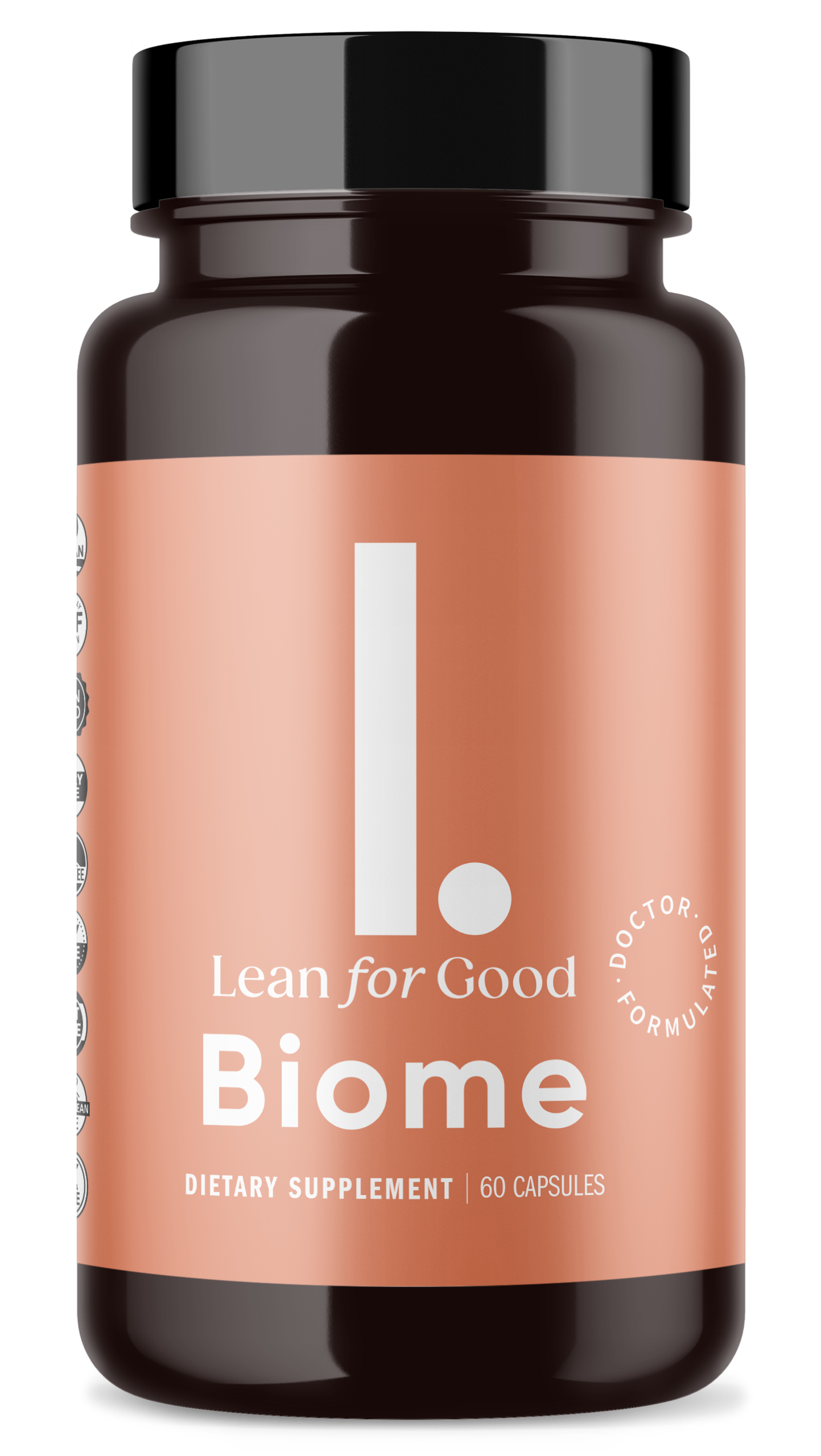
If you’re researching probiotics that are marketed for weight support, you’ve probably come across LeanBiome (also sold as Biome by Lean for Good). Compare options in our LeanBiome review and verdict early on to get the full picture of where it sits among similar products.
This article is a commercial-investigation piece comparing what the makers claim about LeanBiome with how other probiotic supplements are positioned. We won’t present claims as proven facts — instead you’ll find the differences in ingredients, the kinds of evidence cited, and practical considerations for UK shoppers.
What LeanBiome (Biome) is marketed as
LeanBiome is marketed as a gut-focused weight-support supplement. The maker says the formula combines nine so-called “lean bacteria” strains with Greenselect Phytosome®, a green tea extract designed for enhanced absorption. Marketing materials emphasise recent university research into microbiome differences between lean and overweight people and claim the product reverses bacterial imbalance to support appetite, cravings and fat storage.
How other probiotic weight supplements typically differ
Probiotic products sold with similar weight-support messaging generally differ in three main ways:
10 quick checks to spot low-quality supplements before you buy - plus research-backed doses for 12 common ingredients. Free PDF, no spam.
- Strain selection – Some supplements focus on just one or two strains (for example Lactobacillus gasseri), while others promote multi-strain blends. The specific strains and their documented effects vary widely.
- Added ingredients – Producers may pair probiotics with prebiotics, plant extracts (green tea, garcinia), fibre or enzymes. These additional ingredients are usually positioned as complementary mechanisms.
- Evidence cited – Some brands cite single clinical trials or observational studies; others reference laboratory work or animal studies. The quality and relevance of the evidence cited influences how strongly a maker can justify weight-related claims.
Ingredients: what to look for and how LeanBiome compares
If you’re choosing between LeanBiome and other probiotic supplements, consider these ingredient-related points:
- Which strains are included: Not all Lactobacillus or Bifidobacterium strains act the same. LeanBiome promotes a nine-strain formula; other products may contain fewer strains but in higher doses. Check for strains that have been studied in human trials for body composition or appetite.
- Dosage and CFU count: Effective probiotic results depend on adequate colony-forming units (CFUs) and survival through the gut. Manufacturers don’t always list guaranteed CFUs at expiry, so look for transparent labelling.
- Complementary actives: LeanBiome pairs probiotics with Greenselect Phytosome®. Other supplements may use different botanicals (e.g. caffeine-free extracts, fibre, or prebiotics). Think about caffeine sensitivity and interactions with medications.
Evidence and marketing language — how to read claims
Brands often highlight academic research to lend credibility. LeanBiome’s marketing references university research into differences in gut microbiomes between lean and overweight people and says it uses clinically researched strains. That doesn’t mean the supplement itself has been proven in large independent clinical trials; instead it suggests the makers have selected strains that have been studied in some contexts.
When comparing products, check whether the company points to:
- Human clinical trials using the exact product formulation (strongest evidence)
- Trials of individual strains (useful but not definitive for a multi‑strain supplement)
- Animal or in vitro studies (preliminary, not proof of human benefit)
Practical considerations: safety, quality and price
Probiotics are generally well tolerated, but there are important practical points:
- Look for clear allergen information and storage instructions (some need refrigeration; others are shelf‑stable).
- Check company transparency: contact details, third‑party testing and an ingredient breakdown are useful quality signals.
- Consider potential interactions — for example, with immunosuppressants or in people with serious health conditions. Always speak to a healthcare professional if you have concerns.
Which option might suit you?
If you want a product that explicitly targets the microbiome with a multi-strain approach and a green tea extract, LeanBiome is marketed to fill that niche. If you prefer a single-strain product with robust clinical trials behind that exact strain, or a formulation that focuses on prebiotics and fibre instead of botanicals, other brands may be more appropriate.
Ultimately, no supplement replaces a balanced diet, regular activity and medical care. If your goal is sustainable weight management, treat any probiotic as a potential adjunct rather than a standalone solution.
If you’re interested in checking current availability of LeanBiome:
Check LeanBiome availability →
If you choose to try a supplement, buy from a reputable retailer and keep the rest of your health plan under review with your GP or a qualified practitioner.
Medical disclaimer: This article is informational only and not medical advice; consult a healthcare professional before starting any supplement.
Related reading
- LeanBiome review: full verdict
- Gut microbiome and weight loss: the science behind the connection
- How probiotics help metabolism and appetite control
10 quick checks to spot low-quality supplements before you buy - plus research-backed doses for 12 common ingredients. Free PDF, no spam.
