


The Hidden Downsides of Rigid Healthy Habits: What New Research Reveals
In today’s wellness-driven culture, adopting healthy habits is celebrated as a cornerstone of personal growth and self-improvement. Yet, emerging studies suggest that some well-intentioned routines might inadvertently create barriers instead of boosting your progress. This paradox shakes conventional psychology around habit formation and calls for a nuanced perspective on how we maintain wellness.
Recent research highlights that when individuals impose inflexible standards on their health practices, this rigidity can backfire. For example, an individual insisting on a strict dietary regimen or a fixed workout schedule may experience burnout or decreased motivation, ultimately stalling their long-term behavior change. This is supported by findings that habits which don’t easily integrate with one’s lifestyle tend to result in higher dropout rates.
A significant aspect contributing to this phenomenon is the disconnect between prescribed healthy behaviors and their suitability to personal environments and needs. As one recent psychological analysis explains, success in sustaining healthy habits depends on harmony between the routines and the individual’s daily context. When a habit feels forced or unnatural, it threatens mental health by increasing stress and anxiety instead of promoting wellness.
Take, for instance, the popular advice that everyone needs eight hours of sleep per night. While this recommendation generally holds validity, rigid adherence without regard for personal sleep patterns and life demands can lead to frustration and guilt rather than restorative rest. This illustrates the broader point that behavior change must be flexible and adaptive to foster genuine personal growth.
10 quick checks to spot low-quality supplements before you buy - plus research-backed doses for 12 common ingredients. Free PDF, no spam.
Moreover, an article published by experts echoes how the pressure to maintain consistently flawless health routines can undermine progress. The unseen toll includes feelings of failure when minor setbacks occur, which paradoxically may trigger unhealthy coping mechanisms. The key takeaway is that wellness should not be a source of stress but rather a path to holistic vitality.

Barriers That Healthy Habits May Introduce: Identifying and Overcoming Them
While the term “healthy habit” immediately evokes positive imagery of self-care, new insights from psychology reveal that these habits can sometimes introduce unexpected barriers to our well-being journey. Understanding these obstacles is crucial for effective and sustainable behavior change.
One common barrier is the all-or-nothing mindset. For example, people may begin a new diet with enthusiasm but abandon it after one minor slip-up, perceiving failure as total defeat. This attitude is especially prevalent in regimes that promote very restrictive eating or intense exercise without room for flexibility. Such rigidity fuels a cycle of guilt and abandonment rather than fostering steady, manageable improvements.
Additionally, social and environmental factors often go overlooked when forming new habits. If a person’s surroundings don’t support their intended changes—such as lacking access to healthy food options or safe spaces for physical activity—then even the best intentions can falter. This highlights why effective habit formation must consider contextual realities to minimize hurdles.
Moreover, recent studies emphasize how some so-called “healthy habits” might ironically exacerbate stress and negative mental health outcomes if they conflict with personality traits or individual preferences. For instance, extroverted individuals might find isolation-focused mindfulness routines less helpful, whereas introverts may struggle with group-based fitness programs. Tailoring habits to fit personal psychological needs is therefore a vital strategy.
In this context, awareness and strategic planning become key to overcoming such barriers. Techniques like incremental changes, setting realistic goals, and incorporating social support networks can enhance resilience. Understanding that lapses are part of the process enables individuals to stay motivated through setbacks and solidifies the path to lasting change.
Resources consulting psychological experts recommend focusing on how to make healthy habits fun and intrinsically rewarding rather than punitive. This approach aligns with findings that sustainable habits engage our intrinsic motivation systems rather than external pressure, ultimately fostering stronger adherence and better mental wellness.
To delve deeper into strategies for maintaining healthy routines despite obstacles, this video explores practical tips based on recent behavioral science research.
Understanding The Psychology Behind Habit Formation and Mental Health
Habit formation is a complex interplay of neurological, psychological, and environmental factors that together influence our success in adopting new behaviors. Recent advances in psychology shed light on why certain “healthy habits” may paradoxically hinder progress, especially when mental health is compromised.
Neuroscience research explains how habits form through repeated behavior that rewires neural pathways, making actions automatic over time. However, for this rewiring to result in positive change, the behavior must align emotionally and psychologically with the individual. If a habit generates stress or anxiety, it will not embed deeply and is prone to abandonment.
Studies also reveal the crucial role of reward systems in habit formation. When a healthy routine feels rewarding—whether through mood improvement, a sense of accomplishment, or social connection—it stands a better chance of becoming ingrained. Conversely, habits perceived as chores or punishments can deteriorate mental health, contributing to a cycle of disengagement.
One influential concept in this field is the idea of “self-efficacy,” which refers to a person’s belief in their ability to succeed. New research underscores that mental health improvements follow when individuals gradually build confidence through achievable steps in their wellness journey. If the healthy habits established are unrealistic or overly demanding, self-efficacy dwindles, undermining sustained growth.
Additionally, the emerging understanding of emotional strength emphasizes the importance of resilience and flexibility in facing challenges while developing healthy routines. Accepting imperfection, adjusting goals, and cultivating a compassionate mindset can protect mental health and encourage continuous behavior change. This angle broadens the definition of wellness beyond mere physical health to incorporate emotional and psychological well-being.
Incorporating such psychological insights into wellness planning empowers individuals to customize their approaches, thereby reducing risks of burnout and promoting lasting self-improvement.
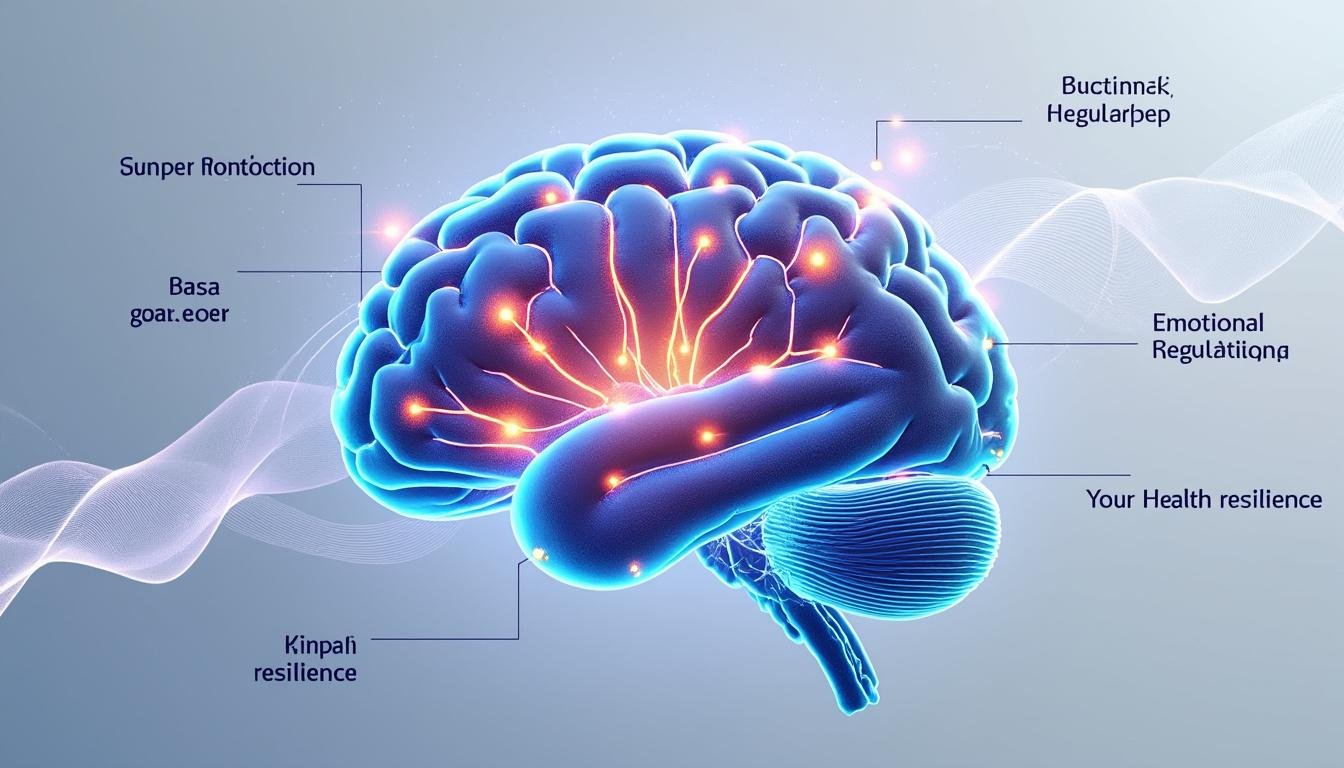
The Role of Flexibility in Adapting Healthy Habits for Sustainable Wellness
Flexibility has emerged as a key principle in transforming healthy habits from rigid prescriptions into adaptable tools for lifelong wellness. New research advocates for a dynamic approach, where individuals tweak their routines as their circumstances, goals, and preferences evolve over time.
For instance, rather than sticking to a set workout time every morning regardless of daily mood or schedule changes, allowing flexibility enables individuals to maintain consistency without unnecessary pressure. This can help prevent feelings of inadequacy and support the body’s natural rhythms.
In diet and nutrition, flexibility involves avoiding black-and-white rules such as forbidding certain food groups and instead embracing balanced, enjoyable choices. Such an approach not only supports adherence but also fosters a healthier relationship with food by minimizing guilt and stress.
Some health professionals highlight the dangers of unwavering consistency, noting it can lead to rigidity that is hard to sustain and even harmful to motivation. Instead, embracing a “good enough” mentality helps reduce anxiety related to perfectionism and can build resilience to setbacks.
Here are practical tips for introducing flexibility into your healthy habits:
- Set adaptable goals that can change based on your daily needs
- Allow variation in your exercise routines to keep motivation high and prevent injury
- Practice mindful eating rather than strict calorie counting
- Incorporate occasional rest days or social activities without guilt
- Reflect regularly on what parts of your habits bring joy and adjust accordingly
This mindset aligns with findings from wellness experts who warn that forcing unsuitable patterns often leads to quitting. Instead, when healthy habits feel natural and enjoyable, they become more than just tasks—they evolve into genuine lifestyle enhancements that nurture both body and mind.
For more scientific perspectives on why your healthy lifestyle might sometimes hinder progress, exploring expert-guided content can offer valuable insights for personalized well-being strategies.
Common Healthy Habits That May Be Holding You Back and How to Address Them
While many adopt healthy habits with the best intentions, some widely practiced routines might actually hold you back from reaching your full potential. Recognizing these habits and learning how to modify them is crucial to maintaining momentum in your wellness journey.
Among common habits that deserve reconsideration include:
- Skipping breakfast: Often touted for weight loss, this habit can reduce metabolism and energy levels if not suited to individual needs.
- Excessive exercise without rest: Overtraining can lead to injury, fatigue, and burnout.
- Rigid diet rules: Strict elimination diets may trigger nutritional deficiencies and psychological stress.
- Unrealistic sleep schedules: Forcing eight hours without accommodating individual variations can cause anxiety and poor sleep quality.
- Ignoring emotional health: Prioritizing physical habits without mental health attention can undermine overall wellness.
Addressing these behaviors involves adopting a more holistic outlook that integrates physical, emotional, and social dimensions of health. For example, replacing skipping breakfast with balanced morning nutrition tailored to energy demands can foster better long-term results.
Developing awareness about barriers created by these habits and consulting evidence-based recommendations enable you to recalibrate your lifestyle sustainably. This concept is well-documented in resources that debunk fitness myths, explaining that moving more, resting smarter, and building habits centered on fun and engagement improve adherence.
In sum, not all “healthy habits” serve everyone equally. Intentional reflection and personalization prove essential for genuine advancement in behavior change, mental health, and overall wellness.
Explore timeless habits for better health and how adjustments in your routine can rejuvenate your personal growth journey.
How can I tell if a healthy habit is actually holding me back?
Monitor your motivation and mental health. If a habit causes excessive stress, burnout, or guilt rather than supporting your well-being, it may need adjustment.
What are effective strategies for adapting healthy habits without losing consistency?
Adopt flexibility by setting adjustable goals, incorporating rest days, and allowing variation in routines to maintain engagement.
How does mental health influence habit formation?
Mental health affects self-efficacy and motivation. Habits aligned with emotional needs are more likely to become sustainable and beneficial.
Is it better to focus on one habit at a time or multiple habits simultaneously?
Focusing on one or a few habits allows for more manageable behavior change and better integration with your lifestyle, reducing overload.
Where can I find trustworthy advice on healthy habits and wellness?
Consult expert sources like Stanford Medicine and Harvard Health blogs, which offer science-backed, practical guidance for behavior change.
10 quick checks to spot low-quality supplements before you buy - plus research-backed doses for 12 common ingredients. Free PDF, no spam.
