
Close Menu
    Follow us on Google News
    Follow Livewell Magazine on Google News
    Facebook X (Twitter) Instagram
    LiveWell Magazine
    Facebook
    Follow LiveWell Magazine on Google News
    • Cancer

      Healthy Dad’s Unexpected Cancer Diagnosis Revealed After Ignoring Nighttime Bathroom Trips: ‘A Heartbreaking Surprise’

      February 22, 2026

      BREAKING NEWS: Gene therapy for sickle cell disease: a medical breakthrough still out of reach for many

      December 29, 2025

      How Your Drinking Habits Could Significantly Increase Your Cancer Risk

      December 28, 2025

      Could the time of day you get cancer treatment affect survival? What a new lung cancer study suggests

      December 25, 2025

      Can exercise lower cancer risk? what the science suggests (and what to do today)

      December 22, 2025
    • Fitness

      Biochemist Reveals the Powerful 10-Minute Workout That Keeps the Mind Razor-Sharp All Day

      March 23, 2026

      The best workouts for busy people

      March 3, 2026

      A Fitness Trainer’s Perspective: How My Approach Transformed from 40 to 60

      March 2, 2026

      Healthy Living: Dr. Angela Haskins Embraces Peloton Workouts for Fitness

      February 2, 2026

      The “protein first” trick: protect muscle and stay full during holiday meals

      January 11, 2026
    • Health

      Federal Judge Hits Pause on HHS Secretary Kennedy’s Vaccine Policy Overhaul

      March 18, 2026

      Medicare Advantage Shifts: Payments to Plans Increase as Enrollment Hits a New Record

      March 18, 2026

      The battle over “$0 premium” plans: What’s at stake for your healthcare?

      February 19, 2026

      Early cholesterol treatment in kids may prevent heart disease for life

      January 28, 2026

      Functional medicine: a personalized approach to healthcare

      January 27, 2026
    • Lifestyle

      Happiness Guru Reveals 7 Key Habits That Foster Long-Term Joy and Well-Being

      April 2, 2026

      Top Morning Routines Recommended by Doctors for a Healthy and Vibrant Life

      April 1, 2026

      The Top Morning Routine Gastroenterologists Recommend for Better Digestion and Easy Bowel Movements

      March 30, 2026

      Weekend Habits Secretly Affecting Your Insulin Resistance

      March 28, 2026

      Amid Soaring Demand for GLP-1 Pills and Injections, Maintaining Healthy Habits Remains Essential

      March 27, 2026
    • Nutrition

      Daily Avocado Consumption: Insights from a Dietitian on Its Health Benefits

      March 25, 2026

      Celebrate National Nutrition Month this March with Toi Degree – Salisbury Post

      March 21, 2026

      Protein-Packed Mediterranean Dinners to Boost Your Heart Health

      March 20, 2026

      Remarkable Health Benefits of Prunes That Transform Them into a Nutritional Powerhouse

      March 6, 2026

      Top 4 Vegetables to Boost Liver Health, Recommended by Registered Dietitians

      February 27, 2026
    • Senior

      Nourishing Your Golden Years: 10 Essential Nutrition Habits to Promote Healthy Aging and Maintain Independence After 60

      March 27, 2026

      Wound Care Revolution: How a New Medicare Payment System Aims to Cut Waste in Senior Care

      March 19, 2026

      The $2,000 Cap is Here: How the New Annual Out-of-Pocket Drug Limit Saves Seniors Thousands

      March 17, 2026

      Why Conventional Health Tips Might Shift After Turning 50

      March 15, 2026

      The Unexpected Superfood to Boost Your Health as You Get Older, Reveals New Research

      March 1, 2026
    • Trends

      Transparency at HHS: How the New “Radical Transparency” Initiative Aims to Expose Big Pharma Conflicts

      March 13, 2026

      How Wearable Technology Could Spark a Revolution in Healthier Living

      February 5, 2026

      Early cholesterol treatment in kids may prevent heart disease for life

      January 28, 2026

      Wearable health devices: the future of personalized medicine?

      January 27, 2026

      AI in healthcare: ethical considerations and promising applications

      January 26, 2026
    • Wellness

      Is the rising cost of a Hawaii vacation becoming a barrier to your travel wellness?

      April 2, 2026

      How will Palma Mallorca’s new party boat and vacation rental rules affect your travel wellness?

      April 1, 2026

      This Wellness Routine Unlocks Greater Brain Benefits Especially for Beginners

      March 28, 2026

      Stephen A. Smith Blasts Pelicans: ‘Y’all Have Been Trash’ After Critiquing Zion Williamson

      March 19, 2026

      Simple and Effective Health Hacks for Busy Lives

      February 28, 2026
    Subscribe
    LiveWell Magazine
    Home»Trauma & Emergency Care»What to do in a medical emergency — step by step
    Trauma & Emergency Care

    What to do in a medical emergency — step by step

    Amelie GoujonBy Amelie Goujon1 Comment
    Facebook Twitter Email WhatsApp Pinterest LinkedIn Reddit Telegram Threads
    learn the essential steps to follow during a medical emergency. discover immediate actions, safety tips, and how to get help quickly in urgent situations.
    Share
    Facebook Twitter LinkedIn Email Reddit Telegram WhatsApp Threads

    Medical emergencies, often unexpected and daunting, demand a poised and informed response to optimize outcomes. Knowing precisely what to do when seconds count can save lives and prevent complications. Whether at home, in public, or the workplace, acting decisively and correctly transforms a distressing incident into a manageably controlled situation. From recognizing danger to administering essential first aid and soliciting professional medical support, this guide arms you with practical steps and expert insights from authoritative sources, including the Red Cross, American Heart Association, and Mayo Clinic, ensuring your preparedness in the face of crisis.

    Crucial to successful intervention is the ability to remain calm and systematically evaluate the situation, immediately mobilizing emergency services where necessary. This structured approach is supported by evidence and teaching resources widely endorsed by EMS World, MedlinePlus, and CDC centers. Understanding basic life-saving techniques like CPR, wound care, and choking relief adds a vital layer of confidence and competence. Here, you will find actionable advice enriched by real cases and the latest guidelines, unequivocally positioning you as a capable responder.

    Essential First Steps in Responding to a Medical Emergency Effectively

    When faced with a medical emergency, your initial actions set the tone for everything that follows. The first and most important step is to stay calm. Anxiety can cloud judgment, but maintaining composure allows you to assess the scene efficiently and make rational decisions. A safe environment is paramount—ensure there are no ongoing threats such as traffic, electrical hazards, or fire before approaching the victim. The Red Cross emphasizes assessing both the person and surroundings carefully to avoid compounding the emergency.

    Related Article :  How to stay healthy when the seasons change

    Once the scene is secure, the next imperative is to call for help, providing emergency dispatchers with clear, concise information about your location and the patient’s condition. For example, dialing Ambuquick’s dedicated emergency number 1800-1234-780 ensures rapid and specialized response. Immediate notification enables emergency medical services (EMS) to prepare carefully and dispatch appropriate resources swiftly, aligning with protocols advocated by St John Ambulance and EMS World.

    • Maintain a calm demeanor to think clearly.
    • Check for hazards around the patient.
    • Contact emergency services promptly with detailed information.
    • Follow dispatcher instructions carefully.
    • Keep the patient safe without moving them unnecessarily.
    learn the essential steps to take during a medical emergency. this guide offers clear, step-by-step instructions to help you respond quickly and effectively when every second counts.

    How to Provide Immediate First Aid Before Professional Help Arrives

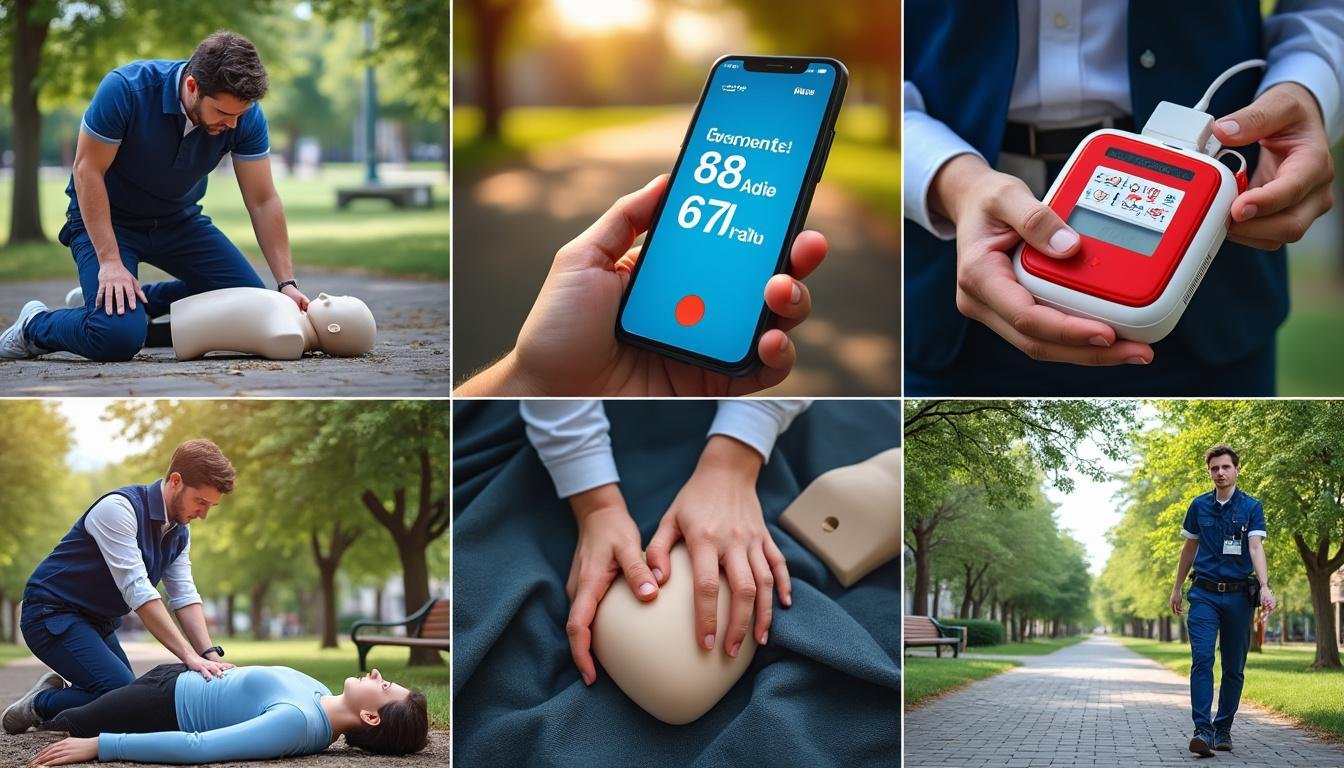
    Waiting for an ambulance, your contribution can dramatically influence the victim’s recovery. Familiarity with first aid and CPR is invaluable, with organizations such as the American Heart Association and First Aid for Free offering accessible training that transforms bystanders into lifesavers. For instance, controlling bleeding by applying firm pressure with a clean cloth prevents excessive blood loss, a guide repeatedly emphasized by the Mayo Clinic.

    In cases of choking, employing the Heimlich maneuver is recommended to quickly clear airway obstruction, while CPR remains critical when a person is unconscious and not breathing. MedlinePlus and Cleveland Clinic resources stress the importance of starting chest compressions immediately if you detect no pulse, simultaneously maintaining circulation and buying time for advanced care. Following emergency operator guidance also ensures you provide tailored support specific to the situation.

    • Apply direct pressure to bleeding wounds.
    • Perform the Heimlich maneuver for choking victims.
    • Initiate CPR for unconscious, non-breathing individuals.
    • Use an automated external defibrillator (AED) if available.
    • Follow precise instructions from emergency dispatchers.
    Related Article :  What to do in a medical emergency — step by step

    Recognizing and Managing Common Medical Emergencies With Confidence

    Understanding frequent medical crises enhances your preparedness and quick decision-making. Resources like Medanta and Prism Health highlight nine common emergencies, including cardiac arrest, severe bleeding, and fractures. Each condition demands a specific protocol that balances immediate relief and prevention of further harm. For example, cardiac arrest requires immediate CPR and use of an AED where present, a practice strongly recommended by the American Heart Association for improving survival rates.

    Similarly, handling burns involves halting the burning process promptly and applying cool water before covering the area, advice supported by consumer healthcare platforms such as WebMD. First responders should differentiate between types of bleeding—capillary, venous, and arterial—to tailor intervention appropriately. Recognizing the signs of choking, frostbite, bee stings, and mental health crises ensures comprehensive readiness for a full spectrum of emergencies.

    • Identify symptoms of cardiac arrest and initiate CPR immediately.
    • Control bleeding guided by bleeding type and severity.
    • Care for burns by stopping heat exposure and applying cool water.
    • Perform the Heimlich maneuver for choking victims.
    • Recognize mental health crises and seek specialized support promptly.

    Building Confidence Through Training and Preparedness

    Formal first-aid training imparts practical knowledge and skill necessary for professional-level response. The Red Cross, along with local health institutions, offers accessible courses that teach essential skills including the ABCDE approach—Airway, Breathing, Circulation, Disability, and Exposure. This methodical framework ensures that responders address life-threatening conditions logically and effectively.

    Carrying a well-stocked first aid kit, whether at home or in your vehicle, is another fundamental precaution. Basic kits contain essentials like adhesive bandages, gloves, antiseptic wipes, and breathing barriers for CPR, recommended by organizations such as the CDC and Cleveland Clinic. Regular review and replenishment of your kit guarantee readiness at a moment’s notice.

    • Enroll in CPR and first aid training offered by reputable organizations.
    • Familiarize yourself with the ABCDEs of emergency care.
    • Maintain a first aid kit stocked with essential supplies.
    • Keep emergency numbers accessible, including local EMS and poison control.
    • Stay updated with evolving guidelines and techniques through trusted sources like WebMD and EMS World.
    Related Article :  What to do in a medical emergency — step by step

    Acting swiftly and knowledgeably during a medical emergency not only stabilizes the patient but also contributes to the broader culture of safety and support within communities. Ensure your preparedness by visiting this comprehensive guide, exploring expert tips from the Red Cross, and gaining deeper insights into recognizing and responding to emergencies.

    emergency response first aid health medical emergency step by step guide
    Follow on Google News
    Share. Facebook Twitter LinkedIn Email WhatsApp Reddit Telegram Threads Copy Link
    Previous ArticleThe ‘Great Lock-In’: How This Fall’s Wellness Trend is Transforming Self-Care Practices
    Next Article Unlocking the Secrets to a Century of Life: Daily Practices from the Blue Zones Recommended by Longevity Specialists
    Avatar photo
    Amelie Goujon

    Amélie has been working in the health sector for over 15 years and now serves as an online journalist specializing in healthy living. Her background in healthcare gives her articles a solid foundation of credibility and empathy. Passionate about wellness, nutrition, and prevention, she translates complex medical topics into clear, accessible content for a wide audience. Through her writing, Amélie aims to empower readers to make informed choices and adopt healthier daily habits.

    Continue reading

    What to do in a medical emergency — step by step

    By Tina Nguyen

    Do you really need supplements? Experts weigh in

    By Tina Nguyen

    Health and social justice: addressing systemic inequities for better health

    By Amelie Goujon

    Stroke center care made the difference: finding relief after an aneurysm

    By Frank Jost

    Seconds matter: the quick thinking outside the ER that saved a man’s life

    By Frank Jost

    The truth about carbs: what nutritionists want you to know

    By Amelie Goujon

    What to do in a medical emergency — step by step

    By Amelie Goujon

    Top signs your hormones are out of balance

    By Amelie Goujon

    Do you really need supplements? Experts weigh in

    By Amelie Goujon

    Why ignoring joint pain as you age can be a costly mistake

    By Amelie Goujon

    How to stay healthy when the seasons change

    By Amelie Goujon

    What cancer screenings you need at every age

    By Amelie Goujon
    View 1 Comment

    1 Comment

    1. Pingback: Seconds matter: the quick thinking outside the ER that saved a man’s life - LiveWell Magazine

    Leave A Reply Cancel Reply

    Subscribe to Our Newsletter

    Join the Live Well Magazine Newsletter and get exclusive tips on health, wellness, lifestyle, and personal growth — straight to your inbox.

    Trending
    Health & Safety

    How can you stay safe while traveling to Jamaica during Hurricane Melissa?

    Uncategorized

    Michigan Coach Dusty May Shares Insights on the Final Four and Facing Arizona

    Mental Health

    How can you unlock your brain’s potential and preserve cognitive vitality after 40?

    Health & Safety

    Roseanne Barr’s Friends Urge Her to Prioritize Health Amidst Concerns

    Supplements

    Which are the 6 best vitamins and supplements recommended by experts to boost your immune system?

    Lifestyle & Habits

    Happiness Guru Reveals 7 Key Habits That Foster Long-Term Joy and Well-Being

    Facebook
    • About us
    • Contact us
    • Contributors
    • Legal
    • Privacy
    © 2026 livewellmagazine.org.

    Type above and press Enter to search. Press Esc to cancel.