


In today’s fast-paced world, the demand for mental clarity, sharpness, and emotional stability is higher than ever. The human brain, a marvel of complexity and adaptability, orchestrates every thought, emotion, and action. However, subtle yet harmful habits embedded in our daily routines can drain this precious organ’s capacity and leave us vulnerable to cognitive decline and mood disturbances. Neuroscientists are uncovering revealing insights into everyday behaviors that silently chip away at our brain’s wellbeing. Whether it’s sleep deprivation, smoking, excessive alcohol consumption, poor dietary choices, repetitive mental patterns or excessive social media use, these factors combine to undermine brain health over time. Understanding and actively abandoning these detrimental habits can transform our mental landscape, enabling improved focus, memory, and emotional resilience.
Experts like Dr. Jamey Maniscalco emphasize the importance of conscious lifestyle adjustments, and technologies such as BrainCo, Lumosity, and Cognifit are emerging as powerful tools to support cognitive fitness. Meanwhile, mindfulness platforms like Headspace and Breathe Mindful offer strategies to combat stress and enhance mental clarity. This article delves deep into the six most impactful habits to let go of for better brain health, integrating contemporary research and practical advice for achieving a sharper, healthier mind.
Getting Adequate Sleep: The Cornerstone of Brain Health
Sleep is not merely a passive state but an active, restorative process for the brain. During sleep, your brain undertakes crucial housekeeping functions, consolidating memories and clearing out harmful waste products such as beta-amyloid, which has been linked to Alzheimer’s disease. When you routinely get less than the recommended seven to nine hours of restful sleep, your brain’s ability to purge these toxins diminishes, increasing the risk for dementia and cognitive impairment.
Research tracking nearly 8,000 individuals over a quarter-century revealed that those who consistently slept six hours or less each night in midlife had a significantly heightened risk of developing dementia later on. Sleep deprivation impairs emotional regulation and reduces the brain’s capacity to solve problems, focus, and adapt to new information. Sleep disruptions also diminish the efficiency of the glymphatic system, the brain’s waste clearance pathway, further contributing to neurological decline.
10 quick checks to spot low-quality supplements before you buy - plus research-backed doses for 12 common ingredients. Free PDF, no spam.
Practical Tips for Enhancing Sleep Quality
- Establish a routine: Go to bed and wake up at the same time daily to regulate your circadian rhythm.
- Create a sleep-friendly environment: Keep your bedroom dark, cool, and quiet.
- Limit screen time before bed: Blue light from devices like smartphones and tablets interferes with melatonin production.
- Incorporate mindfulness techniques: Use apps like Headspace or Breathe Mindful to reduce stress and prepare your mind for rest.
- Avoid caffeine and heavy meals close to bedtime.
The vitality of sleep for cognitive health underscores why development of brain training platforms, such as Lumosity and Peak, often emphasizes cognitive flexibility and focus tasks that are optimally performed when well-rested. Monitoring and optimizing your sleep health through wearable tech and behavioral interventions remain a growing frontier in preventive neurology.
| Sleep Duration | Cognitive Impact | Risk of Dementia |
|---|---|---|
| 7-9 hours | Optimal memory consolidation and emotional processing | Lowest risk |
| 6 hours or less | Impaired executive function and memory | Significantly increased |

Smoking’s Devastating Effects on Cognitive Function
While widely known for its harm to the lungs and heart, smoking’s detrimental effect on brain health often remains underappreciated. Cigarette smoke contains thousands of chemicals that infiltrate the brain, generating oxidative stress and prolonged inflammation. These effects accelerate the deterioration of neurons and connective brain tissue, impairing cognition, memory, and problem-solving abilities.
Statistical data from the American Heart Association indicate that smoking increases the risk of dementia by 30% and Alzheimer’s disease by 40%. This dramatic elevation stems from both the direct neurotoxic effects of the smoke and indirect influences such as vascular damage, which compromises blood flow to critical areas of the brain.
Fortunately, quitting smoking can substantially restore cognitive function and reduce the risk of dementia over time. Many resources, including behavioral counseling and nicotine replacement therapies, now integrate cognitive support methods. Apps like Noom and Happify offer complementary behavioral coaching and stress management tools to reinforce cessation.
Strategies to Quit Smoking and Protect Your Brain
- Seek professional help: Medical counseling and support groups increase success rates.
- Use nicotine replacement therapies: Patches, gums, or inhalers can ease withdrawal symptoms.
- Engage in cognitive enhancement activities: Incorporate brain training apps such as Elevate or Cognifit to improve attention and reduce cravings.
- Practice mindfulness meditation: Mindvalley and Breathe Mindful can assist in managing stress and preventing relapse.
- Build a strong social support network.
Understanding the neurological damage smoking inflicts encourages more individuals to embrace cessation early on, as recommended by neuroscientific research summarized in sources such as Harvard Health and BrainMD. Protecting brain function often starts with eliminating this most harmful habit.
| Habit | Effect on Brain | Risk Change |
|---|---|---|
| Smoking | Oxidative stress and chronic inflammation | +30% dementia, +40% Alzheimer’s |
| Quitting Smoking | Reduced neuroinflammation and improved blood flow | Significant risk reduction over time |

Alcohol Consumption and Its Stealthy Assault on Brain Integrity
Even moderate alcohol intake adversely affects brain health. Scientific data from studies involving tens of thousands of adults show that regular drinking correlates with brain atrophy, including loss of gray matter critical for processing information and white matter essential for inter-neuronal communication. Symptoms may include impaired memory, poor concentration, and slower cognitive performance.
What makes alcohol particularly harmful is its dual role as a central nervous system depressant and neurotoxin. It inhibits communication between neurons and may even kill brain cells with prolonged exposure. While abstaining from alcohol altogether is ideal, adhering to recommended limits—no more than one drink daily for women and two for men—is critical for protecting brain function.
Steps to Mitigate Alcohol’s Impact on Your Brain
- Monitor and limit intake: Use tracking apps or set clear personal limits.
- Seek alternatives for socializing and relaxation: Engage in activities promoted on platforms like Mindvalley and Happify.
- Supplement with a nutrient-rich diet: Foods high in antioxidants help counteract oxidative stress induced by alcohol.
- Take brain training exercises seriously: Tools like BrainCo or Elevate can bolster compromised cognitive skills.
- Consult healthcare professionals for personalized guidance.
Recognizing alcohol’s pernicious influence on brain tissue is vital, especially as brain health becomes a focus for longevity in recent research reported by sources including EatingWell and LiveWell Magazine.
| Alcohol Intake Level | Brain Effects | Recommendation |
|---|---|---|
| Moderate (1 drink/day women, 2 drinks/day men) | Noticeable loss in gray and white matter | Stay within limits to minimize risks |
| Heavy or chronic use | Significant cognitive impairment and neuronal damage | Seek support to reduce or abstain |
Feeding Your Brain: Avoiding Nutritional Pitfalls
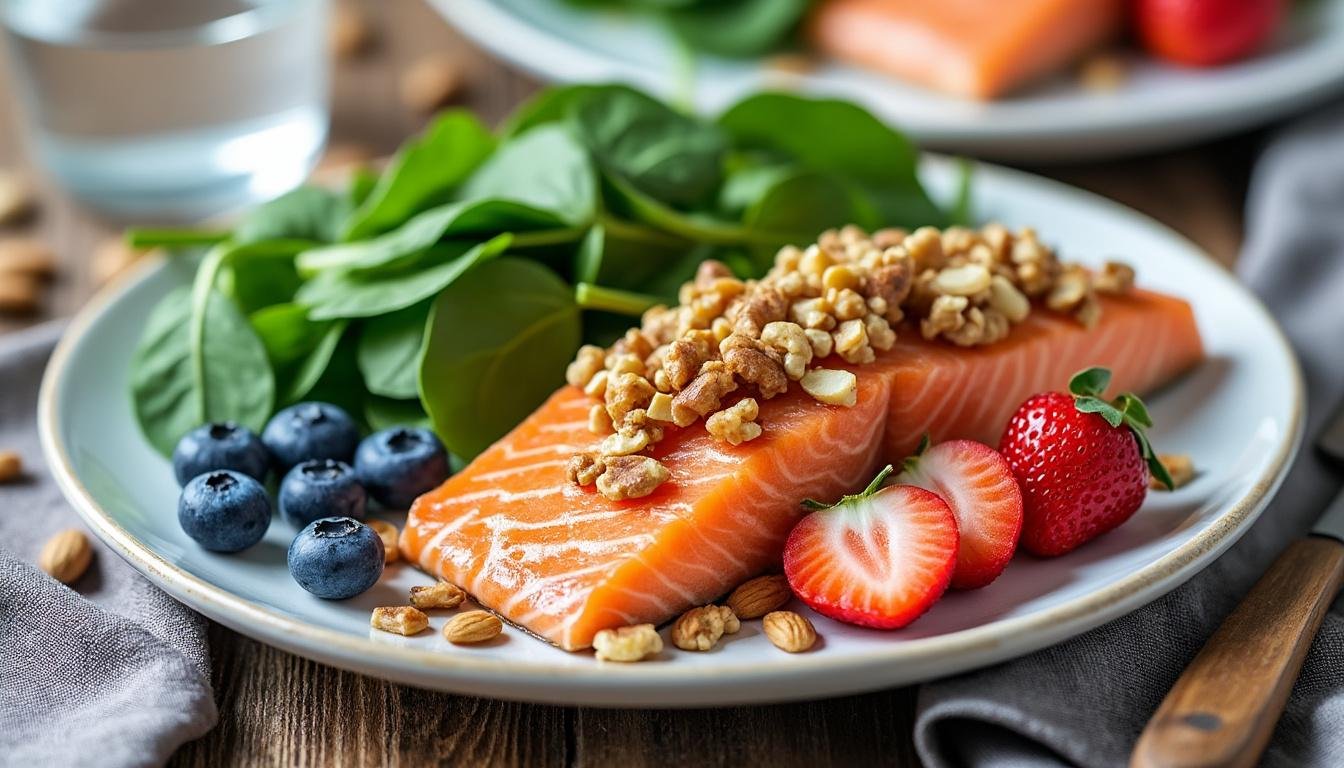
Given that the brain consumes more than 20% of our daily energy, nutrition plays a pivotal role in cognitive function. Diets lacking in diverse, nutrient-dense foods undermine mental performance, emotional regulation, and memory. Ultra-processed and nutrient-poor foods accelerate cognitive decline and depressive symptoms, whereas diets rich in fruits, vegetables, whole grains, nuts, and fish are linked to larger brain volumes and resilience against age-related decline.
Numerous studies reinforce these findings, including work highlighted by Harvard Health and CNBC. Nutrients such as omega-3 fatty acids, antioxidants, vitamins B, C, D, and E, and minerals like magnesium have pronounced effects on neuroplasticity and neurotransmitter synthesis.
Practical Dietary Habits for Brain Vitality
- Prioritize Mediterranean or similar brain-healthy diets.
- Incorporate fatty fish, nuts, and plant-based oils rich in omega-3s.
- Reduce consumption of sugars, ultra-processed snacks, and trans fats.
- Consider supplements after consulting healthcare professionals.
- Use nutrition-focused apps like Noom for daily guidance and accountability.
Integrating these habits fosters brain structures that support memory, attention, and mood regulation, essential for thriving in demanding modern environments. Combining a nutrient-rich diet with cognitive enhancers like Peak or Lumosity further amplifies the benefits.
| Food Type | Impact on Brain | Examples |
|---|---|---|
| Brain-Boosting | Supports neuroplasticity, reduces inflammation | Leafy greens, berries, fatty fish, nuts |
| Brain-Harming | Increases oxidative stress, cognitive decline | Ultra-processed snacks, sugary drinks, trans fats |
Seeking Novelty and Avoiding Mental Ruts to Preserve Cognitive Flexibility
The brain thrives on novelty and challenge, which stimulate neuroplasticity—the ability to form new neural connections and adapt to changes. Staying locked in repetitive routines dulls neural pathways, leading to diminished creativity, slower problem-solving, and memory loss. As neuroscientist Dr. Maniscalco explains, exposure to new experiences encourages the brain’s dynamic systems responsible for executive function and attention to engage robustly.
Whether it’s learning a new language, playing a musical instrument, traveling to unexplored places, or working on challenging puzzles, novel activities boost synaptic activity and support mental agility. Older adults especially benefit from lifelong learning to combat cognitive decline.
Ways to Cultivate Cognitive Vitality Through Novelty
- Schedule regular intellectual challenges: Use brain training apps like Cognifit, Lumosity, or Peak.
- Attempt new hobbies: From painting to coding, varied interests expand cognitive reserve.
- Engage in social learning: Group classes and discussion forums enrich experiences.
- Explore new places: Travel or local exploration fosters sensory and cognitive stimulation.
- Read broadly and diversify media consumption.
| Activity Type | Cognitive Benefit | Examples |
|---|---|---|
| Novel Learning | Enhances neuroplasticity and memory | New languages, puzzles, coding |
| Social Engagement | Improves emotional regulation and cognitive flexibility | Group classes, clubs |
Balancing Social Media Use to Protect Emotional and Cognitive Health
While social media platforms offer connection and entertainment, excessive or uncontrolled use can rewire the brain’s dopamine system, fostering dependency and diminishing self-control. Studies reveal that heavy users often exhibit reductions in brain gray matter in regions linked to decision-making and reward processing. Moreover, relying predominantly on digital interactions can increase loneliness and negatively affect mood.
Mindful regulation of screen time, particularly on platforms like Instagram, TikTok, and Facebook, is essential for preserving mental health. Creating technology-free zones and prioritizing face-to-face interactions strengthens social bonds and reduces digital burnout.
Strategies for Healthy Engagement with Social Media
- Set daily usage limits: Use digital wellbeing tools to monitor and reduce screen time.
- Schedule tech-free periods: Dedicate time for offline hobbies or mindfulness practices.
- Prioritize meaningful conversations: Cultivate deep connections beyond social media.
- Use apps like Happify and Headspace: They support emotional health and resilience.
- Stay critical of content consumption and avoid endless scrolling.
Balancing the benefits and risks of social media aligns with broader health recommendations that focus on holistic wellness and brain longevity, as discussed in publications like NPR and Harvard Health.
| Social Media Habit | Brain Impact | Recommended Action |
|---|---|---|
| Excessive Use | Reduced gray matter, decision-making impairments | Limit usage, schedule tech breaks |
| Mindful Use | Supports social connectivity and mental wellbeing | Engage intentionally, balance online/offline time |
Frequently Asked Questions About Brain Health Habits
- Q: How quickly can quitting smoking improve brain health?
A: Cognitive benefits can begin within weeks of quitting, with significant reduction in dementia risk observed within a few years, depending on individual health and age. - Q: Are brain training apps like Lumosity scientifically validated?
A: Many brain training platforms have evidence supporting improvements in specific cognitive domains, though generalization to overall intelligence is limited. They are useful adjuncts when combined with healthy lifestyle habits. - Q: Can poor diet alone cause cognitive decline?
A: While diet is a major factor, it typically acts in conjunction with other habits like physical inactivity, stress, and sleep deprivation influencing brain health. - Q: Does drinking alcohol daily always harm brain function?
A: Even light daily drinking shows measurable brain changes, but effects vary by amount and individual susceptibility. Limiting intake per medical guidelines is advisable. - Q: What role does social interaction play in maintaining cognitive health?
A: Meaningful social engagement supports emotional well-being, cognitive flexibility, and can delay dementia onset, making it critical to mental health maintenance.
10 quick checks to spot low-quality supplements before you buy - plus research-backed doses for 12 common ingredients. Free PDF, no spam.
