

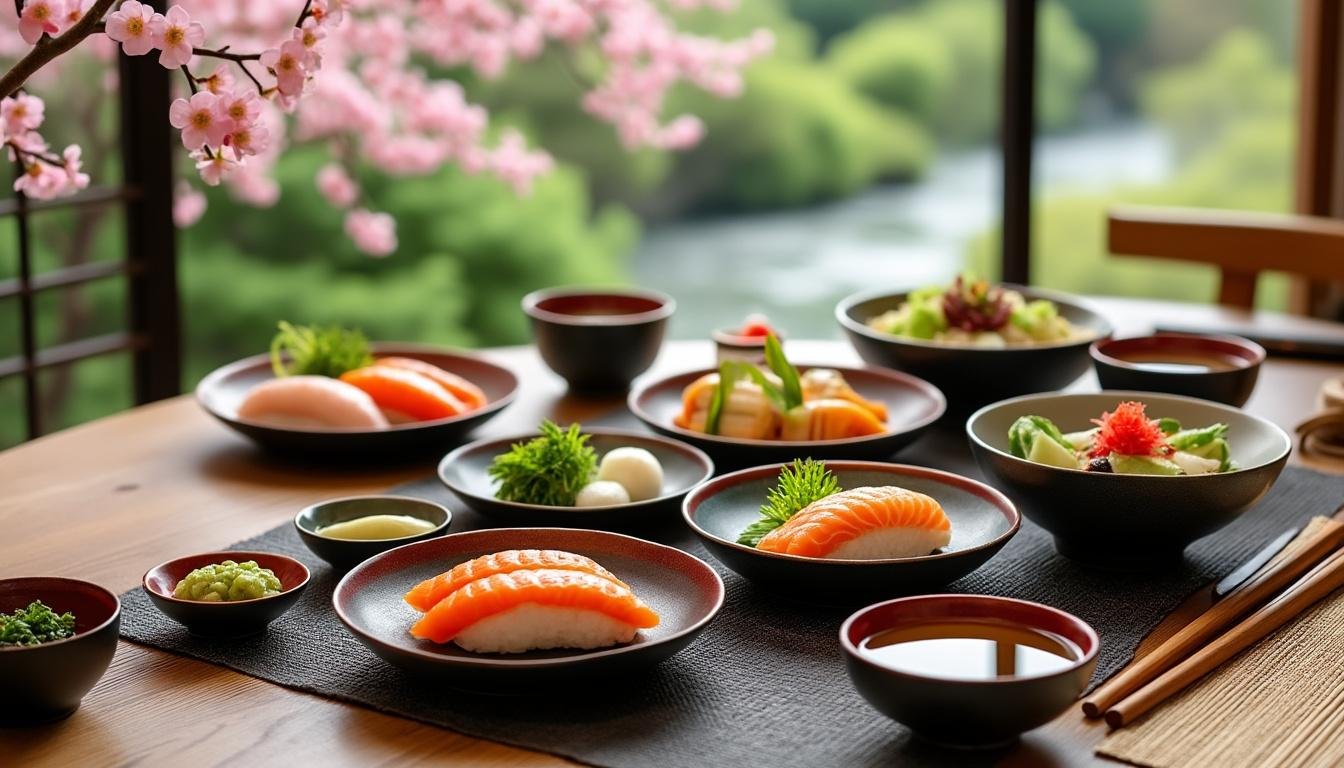
Japan’s reputation for longevity and exceptional health has intrigued researchers, nutritionists, and wellness enthusiasts worldwide, especially as chronic lifestyle diseases escalate globally. With one of the world’s oldest populations, Japan offers a blueprint of daily practices deeply rooted in tradition yet highly effective in promoting longevity, mental well-being, and physical health. Indian nutritionist Prachi Mandholia, based in Mumbai, reveals valuable Japanese lifestyle habits that Indians can adapt—melding their rich cultural heritage with time-tested wellness techniques to improve their own health span. These insights come at a crucial moment, as India faces a surge in lifestyle-related illnesses such as diabetes, hypertension, and obesity, which demand comprehensive prevention strategies.
The essence of Japan’s success lies not merely in diet but in its holistic approach, encompassing mindful eating, physical activity integrated seamlessly into daily life, a deep sense of purpose, and calming rituals connected to nature. The Japanese emphasize smaller portion sizes, nutrient-dense foods like fermented soy and seaweed, and a mindful, unhurried way of mealtime that supports digestion and reduces overeating. These lifestyle choices, combined with social cohesion and purposeful living, create an environment where a longer life is paired with quality and vitality.
For Indians, many of these wellness principles resonate with ancient Ayurvedic wisdom and traditional practices but are not always fully realized in fast-paced modern life. Prachi stresses that the real power lies in adaptation—not imitation—by integrating these Japanese habits with India’s diverse culinary and cultural assets. From adopting portion control containers to embracing organic food brands or participating in wellness programs that blend these philosophies, small consistent changes can yield profound health benefits.
This article delves into five transformative Japanese practices that align perfectly with contemporary nutritional science and can be embraced by Indians aiming for sustainable wellness and enhanced longevity. Incorporating these routines enriches weight management efforts, improves metabolic health, and fosters a balanced mental state, supported by expert guidance on meal planning services, health coaching, and the use of nutritional supplements to complement whole foods.
Embracing Japanese Portion Control: Smaller Servings for Enhanced Longevity and Weight Management
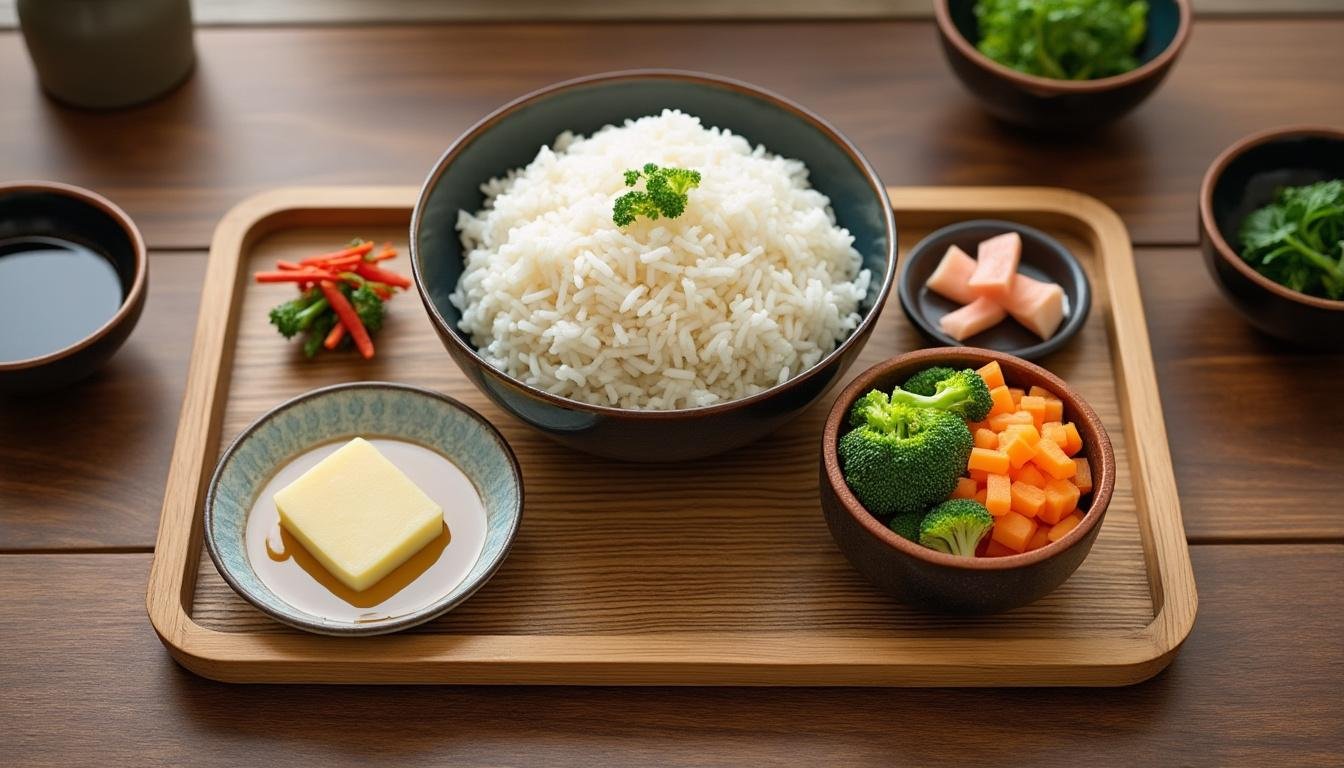
The Japanese tradition of serving meals in smaller portions, often accompanied by multiple dishes that together balance flavors and nutrients, is foundational to their exemplary health record. This practice, known as “Hara Hachi Bu,” encourages eating until one feels approximately 80% full, rather than consuming until satiation, thereby preventing overeating and its metabolic consequences.
Mindful eating is at the heart of this habit. It requires slowing down during meals, appreciating every bite, and tuning into signals of hunger and fullness. For Indian lifestyles, often characterized by large festive meals or quick, distracted eating, adopting this practice introduces a gentle discipline that can mitigate rising obesity and related diseases.
Practical Techniques for Portion Control
- Use of portion control containers to standardize meal sizes, ensuring calorie intake remains balanced.
- Dividing meals into several small, visually appealing dishes mimicking Japanese cuisine presentation—rice, vegetables, fish or legumes, and pickles.
- Engaging in mindful eating techniques such as chewing thoroughly and putting down utensils between bites to extend meal duration.
- Replacing typical packaged snacks with nutrient-rich alternatives like roasted chana or sprouts, aligning with recommendations against processed foods.
Adapting these habits dovetails with existing Indian tendencies toward home-cooked meals but counters the modern drift toward processed, calorie-dense foods. Additionally, the use of healthy meal kits that emphasize balanced macro and micronutrient profiles can facilitate this transition for busy urban populations.
| Japanese Portion Control Practice | Indian Lifestyle Adaptation | Benefits |
|---|---|---|
| Small servings with multiple dishes | Serving thalis with controlled portions of dal, rice, vegetables, and salad | Reduced overeating, improved digestion, better nutrient absorption |
| Hara Hachi Bu (80% full) | Mindful eating practices during family meals or festivals | Lowered risk of obesity and metabolic syndrome |
| Replacing processed snacks | Swapping commercial snacks with roasted nuts and sprouts | Enhanced immune support and blood sugar control |
| Slow, deliberate eating pace | Promoting eating without screens and distractions | Improved satiety regulation and reduced stress |
For those interested in refining this approach, many meal planning services now offer options incorporating these concepts, making it easier to maintain a balanced diet while respecting traditional tastes. Adding nutritional supplements such as probiotics, often found naturally in fermented Japanese foods like miso and natto, supports gut health essential for longevity.
Incorporating Japanese Superfoods and Seasonal Ingredients for Optimal Wellness
Japanese cuisine’s emphasis on fresh, seasonal, and minimally processed foods provides a robust nutritional framework centered on longevity. Staples such as fermented soy products, seaweed, fish rich in omega-3 fatty acids, and antioxidant-dense vegetables reflect this philosophy. These foods contribute to balanced macronutrients while delivering powerhouse micronutrients that support cardiovascular and cognitive health.
India’s culinary diversity shares many parallels—its rich tradition of lentils, millets, leafy greens, and fermented dishes like dosa or kanji. Reconnecting with these traditional foods and incorporating elements from Japanese cuisine can amplify nutritional benefits.
Benefits of Japanese Superfoods and Ayurveda-Inspired Choices
- Fermented foods: Miso, natto, and pickled vegetables offer probiotics that enhance gut microbiome diversity.
- Seaweed: A source of iodine and antioxidants that promote thyroid health and prevent oxidation stress.
- Soy products: Rich plant-based protein that supports heart health and muscle maintenance.
- Ayurvedic spices: Turmeric, ginger, and cumin complement these foods by reducing inflammation and boosting immunity.
- Seasonal vegetables: Eating seasonally ensures higher nutrient density and supports sustainable agriculture.
Integrating these foods can be enhanced by choosing certified organic food brands, which limit pesticide exposure and preserve natural nutrient profiles. Additionally, many health coaching programs now incorporate teachings around these superfoods to customize diet plans fitting individual health goals.
| Japanese Ingredient | Indian Equivalent | Health Benefits |
|---|---|---|
| Miso (fermented soybean paste) | Dosa batter (fermented rice and urad dal) | Probiotics for gut health, enhanced digestion |
| Seaweed (nori, wakame) | Local leafy greens like methi and amaranth | Rich in antioxidants and trace minerals |
| Soy products (tofu, natto) | Chickpea and lentil-based protein dishes | Plant protein helps maintain heart and muscle health |
| Fermented pickles | Indian pickles and kanji | Improves immune function and nutrient absorption |
For urban dwellers, adopting healthy meal kits infused with such ingredients can simplify incorporating these superfoods without sacrificing time or convenience. This balanced nutritional approach underpins weight management and energizes longevity-focused wellness strategies.
Movement as a Lifestyle in Japan: Lessons for Indian Physical Activity and Fitness
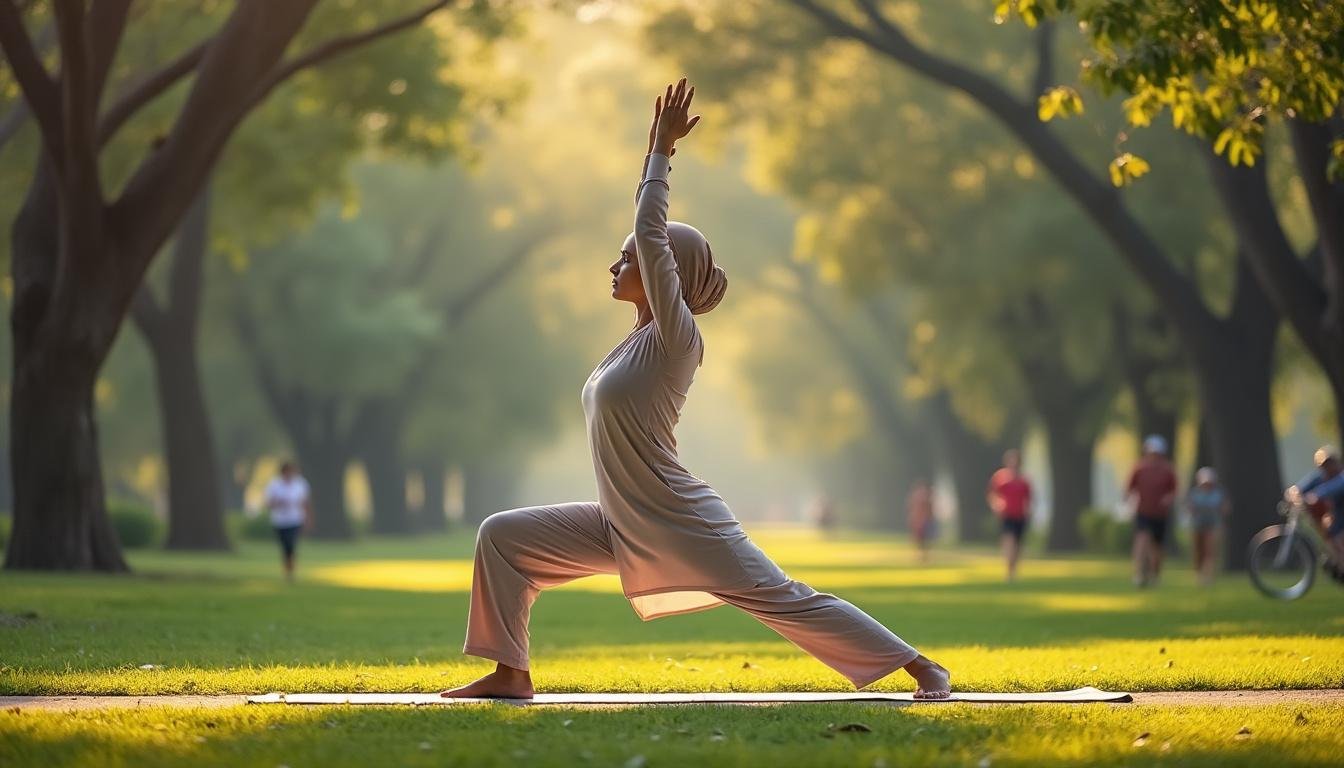
Physical activity in Japan transcends formal exercise; it is an integrated element of daily living. From walking or cycling for errands to gardening and floor-sitting, movement is continuous and natural. Indians can adapt this philosophy to overcome sedentary lifestyles prevalent with urbanization.
Traditional Indian activities such as yoga, classical dance, and household labor encourage flexibility and stamina but often lack consistency amid busy schedules. Embedding movement through simple lifestyle choices promotes cardiovascular and musculoskeletal health, aligning with global recommendations for activity.
Practical Ways to Incorporate Japanese-style Movement in Indian Daily Life
- Adopting regular morning walks in parks or natural spaces that encourage connection with nature and lung capacity improvement.
- Practising Surya Namaskar as a comprehensive physical routine improving flexibility and strength.
- Engaging in gardening or tending to plants at home to combine physical work and mental calmness.
- Using stairs instead of elevators and opting for walking or cycling over motorized transport.
- Embracing floor-sitting positions and stretches helping maintain agility and joint health.
Health professionals emphasize that integrating such movement loosely into daily routines is more sustainable than strenuous, infrequent workouts. Indian wellness programs focusing on gradual adaptation leverage these principles, sometimes combining physical activity with health coaching for enhanced motivation and personalization.
| Japanese Movement Habit | Indian Equivalent or Adaptation | Health Outcomes |
|---|---|---|
| Walking and cycling as primary transport | Morning park walks and local cycling initiatives | Improved cardiovascular health and increased daily caloric burn |
| Floor sitting and stretches | Yoga postures and traditional sitting positions | Enhanced flexibility and joint health |
| Gardening as exercise | Home gardening and tending plants | Physical activity that reduces stress and boosts immunity |
| Organic physical lifestyle incorporation | Replacing sedentary habits with active chores and dance | Better weight management and improved mental wellbeing |
By fusing Japan’s seamless movement philosophy into Indian life, the negative health effects of inactivity can be mitigated. This holistic approach complements weight management efforts and fosters overall vitality.
Ikigai: Discovering Purpose for Mental and Emotional Longevity
More than diet and exercise, the Japanese longevity secret embraces Ikigai, a concept translating roughly to one’s “reason for being.” It represents a harmonious balance of passion, mission, vocation, and profession, helping individuals find joy and motivation every day. Emotional and social wellness deeply intertwine with physical health in this philosophy.
India’s age-old spiritual and community traditions provide fertile ground for cultivating Ikigai, but modern societal shifts have fragmented many social ties. Reinforcing community bonds, encouraging elderly participation, and promoting lifelong learning are vital.
Ways to Foster Ikigai in Indian Context
- Encouraging elderly individuals to engage in social clubs or community service.
- Promoting intergenerational social activities that connect youth with elders.
- Supporting hobbies and learning to stimulate cognitive health and creativity.
- Integrating spirituality and mindfulness practices into daily routines.
- Including health coaching programs that emphasize psychological well-being and resilience.
| Ikigai Element | Indian Social or Cultural Equivalent | Impact on Well-being |
|---|---|---|
| Sense of Purpose | Involvement in family or spiritual roles | Increased life satisfaction and motivation |
| Social Connectedness | Joint family systems and community gatherings | Maintenance of mental health and reduced loneliness |
| Lifelong Learning | Participation in arts, crafts, or teachings | Enhanced cognitive reserve and creativity |
| Being Valued | Respect for elders in cultural settings | Better emotional resilience and proactive health behaviors |
Promoting Ikigai complements physical health efforts by fostering a holistic sense of well-being and emotional balance. It serves as a foundation upon which Indian wellness programs can build greater societal health.
Japanese Rituals and Nature Connection: Pathways to Calmness and Inner Peace
Japan’s wellness culture integrates rituals like tea ceremonies, calligraphy, and key practices such as Shinrin-yoku or forest bathing that reduce stress and cultivate mindfulness. Stress resilience is a cornerstone of their longevity success, and Indians can draw from parallel traditions rooted in meditation, Ayurveda, and temple visits.
In the face of growing urbanization and digital saturation, reconnecting to nature and cultivating calmness are essential for preserving mental health and cognitive longevity. Studies highlight how these practices can mitigate anxiety, lower blood pressure, and strengthen emotional regulation.
Integrative Practices to Promote Calmness in Indian Lifestyle
- Incorporating meditation or chanting sessions, drawing on Ayurveda’s ancient wisdom.
- Spending dedicated time in green spaces or engaging in nature walks to simulate Shinrin-yoku.
- Establishing daily rituals around tea or meals that encourage pause and reflection.
- Minimizing screen time and digital distractions to deepen mindful presence.
- Utilizing traditional Ayurvedic wellness protocols as part of routine self-care.
| Japanese Ritual | Indian Equivalent | Health Benefits |
|---|---|---|
| Tea ceremonies | Ayurvedic tea rituals with turmeric or tulsi | Calmness, improved digestion, antioxidant effects |
| Calligraphy and mindful arts | Mandala drawing or traditional crafts | Enhanced focus and reduced anxiety |
| Forest bathing (Shinrin-yoku) | Nature walks in forests or parks | Stress reduction and immune boost |
| Digital detoxing | Scheduled disconnection during spiritual practices | Lowered cortisol levels and improved sleep quality |
Indian wellness programs increasingly incorporate such holistic mental health components alongside nutritional guidance, enabling individuals to harness inner peace as a pillar for longevity and wellness.
Frequently Asked Questions about Japanese Practices for Longevity and Their Adaptation in India
- Q: How does Hara Hachi Bu help with weight management?
A: By eating only until 80% full, Hara Hachi Bu reduces calorie intake while allowing the body to send proper satiety signals, lowering risks of overeating and associated metabolic diseases. - Q: Can Indian diets be integrated with Japanese fermented foods easily?
A: Yes, incorporating fermented Indian foods like dosa and kanji alongside Japanese options like miso creates synergy for gut health with added dietary variety. - Q: What role does Ikigai play in mental wellness?
A: Ikigai fosters purpose and community involvement, which are crucial for mental resilience, helping reduce stress and improving overall life satisfaction. - Q: How can busy individuals practice Japanese-style movement daily?
A: Simple habits like regular walking, cycling, and household physical activities, combined with yoga and dancing, integrate movement effortlessly into daily routines. - Q: Are there modern tools to help adopt these Japanese habits in India?
A: Certainly, portion control containers, health coaching, and wellness programs that emphasize Japanese-inspired mindful eating and lifestyle adjustments are widely available.

2 Comments
Pingback: Making Masks Easy: Helping Kids Adjust with Confidence
Pingback: Secrets to Living 100 Years: Tips from Longevity Experts