

The waiting room is often where the real diagnosis begins, not in the examination cubicle. In my years of practice, I have noticed a shift in the tone of conversations occurring before patients even see me. Years ago, people exchanged nervous glances or read outdated magazines. Today, they are glued to their screens, scrolling through an endless feed of medical advice delivered by algorithms rather than professionals. This digital deluge has created a paradox where we have access to more information than ever before, yet we are becoming increasingly confused about how to care for our bodies.
We are facing a crisis that the World Health Organization has aptly termed an infodemic. This is not merely a nuisance of the digital age but a genuine public health threat that competes with viruses and chronic diseases in its capacity to harm. The rapid spread of inaccurate health claims travels faster than any pathogen, infiltrating our homes and influencing decisions that can mean the difference between life and death. As a physician, I have treated patients who delayed chemotherapy in favor of unproven diet changes found on social media, and parents who refused standard immunizations because of a frightening, decontextualized video they saw on their feed.
The mechanism behind the viral spread of falsehoods
Social media platforms are designed to maximize engagement, not accuracy. The algorithms that dictate what appears on our screens prioritize content that elicits strong emotional reactions, particularly fear, outrage, or surprise. In the realm of health, a nuanced explanation of vaccine efficacy simply cannot compete with a sensationalist headline claiming a common medication causes a catastrophic side effect. This engagement-driven architecture creates the perfect environment for misinformation to flourish, often outpacing the corrective efforts of health organizations.
The human brain is wired to seek patterns and confirmation for existing beliefs. When a user pauses to watch a video expressing skepticism about modern medicine, the platform serves up dozens more videos reinforcing that specific viewpoint. This creates an echo chamber where false narratives are repeated until they feel like the consensus. We see this phenomenon clearly when patients arrive at the clinic armed with printouts or screenshots, convinced that a secret remedy is being withheld from them by the medical establishment.

Psychological triggers that make us vulnerable
Fear is the most potent driver of health misinformation. When people feel a loss of control, such as during a disease outbreak or a personal health crisis, they desperately search for answers that offer certainty. Science often deals in probabilities and changing data, which can feel unsatisfying compared to the absolute guarantees offered by pseudo-experts online. These bad actors exploit the anxiety of the public, offering simple, black-and-white solutions to complex physiological problems.
Trust in institutions has also eroded significantly over the last decade. Many individuals feel marginalized or unheard by the healthcare system, making them prime targets for alternative narratives that frame doctors and scientists as part of a corrupt elite. When a charismatic influencer speaks directly to the camera, using emotive language and personal anecdotes, they build a parasocial relationship with the viewer that feels more authentic than a sterile government press release.
Clinical consequences of digital deception
The impact of this digital distortion is measured in real-world suffering. We are witnessing the resurgence of preventable diseases like measles and whooping cough in communities where vaccination rates have plummeted due to online fear-mongering. These are not abstract statistics but children ending up in intensive care units for conditions that were practically eliminated a generation ago. The hesitation is rarely born out of malice but stems from a genuine, albeit misplaced, desire to protect oneself and one’s family based on false data.
Beyond infectious diseases, the management of chronic conditions is suffering. Patients with diabetes or hypertension are increasingly abandoning evidence-based treatments for supplements or lifestyle hacks promoted by influencers with no medical training. These interventions are often marketed as natural cures, playing on the fallacy that natural always equals safe. The result is often a silent progression of disease that goes unchecked until a catastrophic event, such as a stroke or kidney failure, forces the patient back into the emergency room.
This environment makes it incredibly difficult for individuals to distinguish between helpful advice and dangerous lies. It is crucial to know reliable sources for medical advice that can act as a filter against the noise. Without verified anchors of truth, patients are left drifting in a sea of conflicting claims, often choosing the path that sounds the most comforting rather than the one that is clinically sound.
The erosion of the doctor-patient relationship
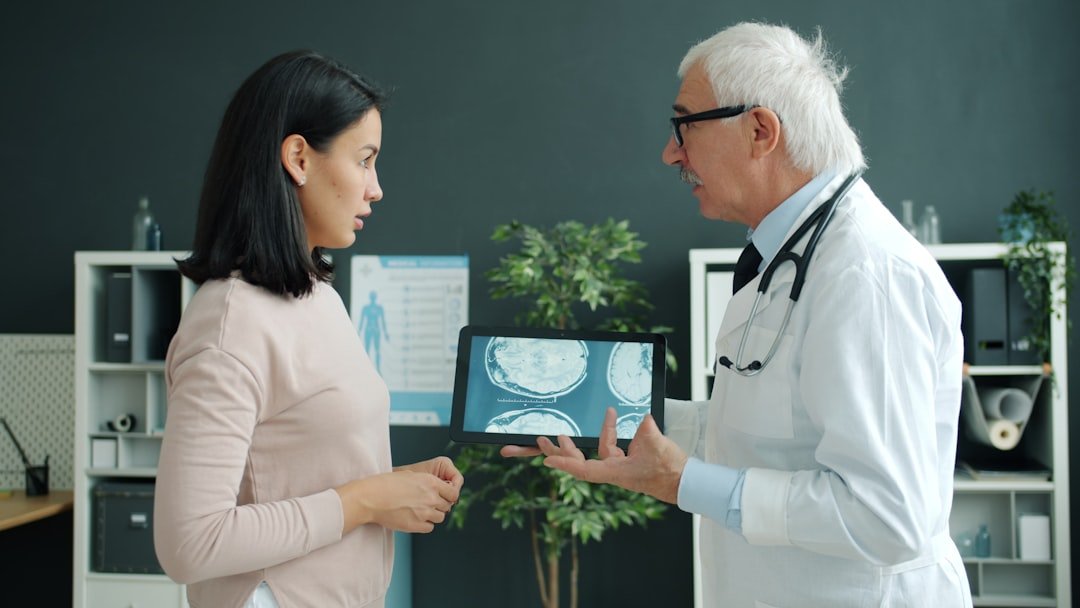
The dynamic in the consulting room has changed. Instead of starting with symptoms, consultations now often begin with a negotiation regarding what the patient has read online. This adversarial stance consumes valuable appointment time that should be spent on examination and treatment planning. Physicians find themselves in the exhausting position of having to debunk myths before they can even begin to practice medicine. This friction can lead to physician burnout and, conversely, can cause patients to feel dismissed or ridiculed, further driving them away from evidence-based care.
However, we must approach this with empathy. Dismissing a patient’s internet research out of hand only widens the divide. It is essential to acknowledge their effort to understand their health while guiding them toward better resources. We need to encourage proactive measures, such as adopting proactive wellness strategies that align with scientific consensus, allowing patients to feel empowered without falling victim to falsehoods.
Strategies to navigate the information landscape
Combatting this silent killer requires a shift in how we consume media. Digital health literacy is now as important as understanding nutrition or hygiene. We must learn to pause before sharing and to scrutinize the source of the information. A key indicator of credibility is whether the content provider cites peer-reviewed sources or relies solely on testimonials and emotional appeals. If a headline seems designed to make you angry or terrified, it is likely manipulating your emotions rather than informing your intellect.
Social media platforms are beginning to take more responsibility, but the sheer volume of content makes total policing impossible. Therefore, the filter must be the user. Identifying red flags such as the promise of a secret cure, the use of all-caps dramatic language, or claims that seem too good to be true is the first line of defense. We must treat information with the same caution we treat medication, checking the label and the source before ingestion.
Empowering the next generation
Education systems must integrate critical thinking regarding digital content into their curriculums. Children today are growing up in a world where truth is fragmented. Teaching them to triangulate information by checking multiple independent sources is a vital life skill. It is not about cynicism but about healthy skepticism. By fostering a culture of inquiry, we can immunize the population against the most dangerous strains of misinformation.
Healthcare providers also need to inhabit these digital spaces. We cannot cede the territory of social media to those who spread falsehoods. By creating engaging, accurate, and empathetic content, medical professionals can provide a counter-narrative that is both scientifically sound and accessible. The goal is to make the truth as shareable and compelling as the lie.
Restoring trust in science and medicine
Rebuilding the bridge between the public and the medical community takes time and transparency. We must be honest about what we know and what we do not know. Science is an iterative process, and acknowledging uncertainty can actually build trust rather than diminish it. When health officials admit that guidelines evolve as new data emerges, it demonstrates integrity. The pretense of infallibility is brittle; the honesty of scientific inquiry is resilient.
Ultimately, health is a shared responsibility. While platforms and regulators have a role to play, the individual choices we make about what to believe and share have a cumulative effect on the health of our society. By prioritizing accuracy over speed and expertise over virality, we can begin to turn the tide against this silent killer.
