

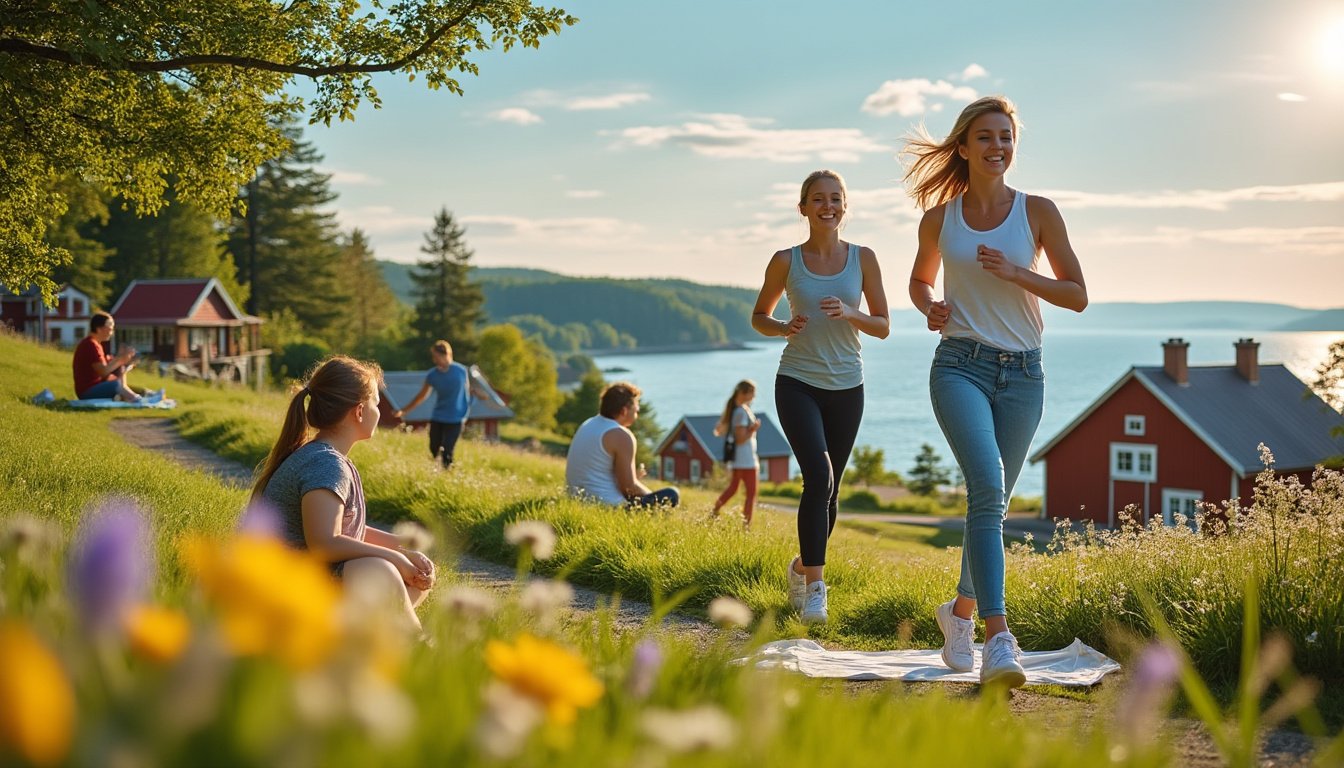
The Baltic Nations—Estonia, Latvia, and Lithuania—offer a unique landscape for exploring the complex interplay between physical habits, mental wellness, and emotional factors. As modern lifestyles evolve, studies reveal significant links between self-assessed health habits and psychological well-being. This article delves into critical dimensions such as physical activity, emotional intelligence (EI), impulsivity, mental health variables like depression and perceived stress, alongside habits relating to sleep and nutrition. By examining these aspects collectively, we uncover insights crucial for enhancing overall well-being and crafting tailored health initiatives within these countries. The findings emphasize how a holistic approach—encompassing physical, emotional, and mental domains—can foster a robust HealthyMindset that empowers individuals to thrive in an increasingly demanding world.
- Physical Activity Patterns, BMI, and Their Impact on Health in Baltic Countries
- Emotional Intelligence and Its Role in Mental Wellness and Impulsivity
- The Influence of Sleep, Sedentariness, and Nutrition on Overall Well-Being
- Stress, Depression, and Their Relationship with Self-Assessed Health
- Predictive Factors of Subjective Health in Estonia, Latvia, and Lithuania
- FAQ on Health Habits and Mental Wellness in the Baltic Region
Understanding Physical Activity Patterns, BMI, and Their Influence on Health in Baltic Nations
Physical activity (PA) stands as a cornerstone in the fight against chronic diseases and mental health challenges. In Estonia, Latvia, and Lithuania, research illustrates varied engagement in different physical activity intensities—from sedentary lifestyles to vigorous exercise. These variations have a direct bearing on Body Mass Index (BMI) distributions, which in turn reflect broader health outcomes across the region.
Several pivotal points emerge from cross-country comparisons:
- Divergent BMI Profiles: Estonia exhibits a higher prevalence of individuals with BMI above 30 kg/m2 compared to Latvia and Lithuania, affecting both men and women. Interestingly, Latvian men tend to have more individuals within the normal BMI range, potentially correlating with higher levels of vigorous physical activity (VPA).
- Gender Variations in Physical Activity: Despite women generally showing lower moderate and vigorous physical activity levels, their BMI is often more normalized compared to men. This phenomenon—where females maintain healthier weight despite lower activity intensity—suggests other sociobehavioral factors at play.
- Sedentary Behaviors and Their Consequences: Estonian women notably report longer sedentary times, which may contribute to the higher obesity rates despite their greater breakfast consumption and less frequent overeating. These sedentary patterns have been linked by studies such as those in Physiological Reviews to increased risks for metabolic disorders.
- Interrelation with Mental Wellness: Obesity and physical activity are not merely physical health issues but are deeply connected with mental wellness. The bidirectional relationship between higher BMI and depression outlined in several epidemiological studies drives home the need for integrated health strategies that address both physical and psychological factors.
To visualize these insights, here is a table summarizing key BMI categories between the three Baltic countries by gender:
10 quick checks to spot low-quality supplements before you buy - plus research-backed doses for 12 common ingredients. Free PDF, no spam.
| Country | Gender | Underweight (<18.5 kg/m²) | Normal BMI (18.5–24.9 kg/m²) | Overweight (25–29.9 kg/m²) | Obese (≥30 kg/m²) |
|---|---|---|---|---|---|
| Estonia | Female | Lowest | Lower than LV and LT | Higher than LV and LT | Highest |
| Latvia | Female | Moderate | Highest | Lowest | Lowest |
| Lithuania | Female | Moderate | Moderate | Lower than EE, similar to LV | Lowest |
| Estonia | Male | Moderate | Lower than LV | Moderate | Highest |
| Latvia | Male | Moderate | Highest | Lower than LT | Lower than EE |
| Lithuania | Male | Moderate | Lower than LV, similar to EE | Highest among males | Lower than EE |
These findings underscore a nuanced dynamic where physical activity intensities, sedentary patterns, and eating habits interplay uniquely across demographics. The World Health Organization’s recent guidelines emphasize not only encouraging vigorous physical activity but also reducing sedentary behavior to cultivate a WellnessWave across populations.
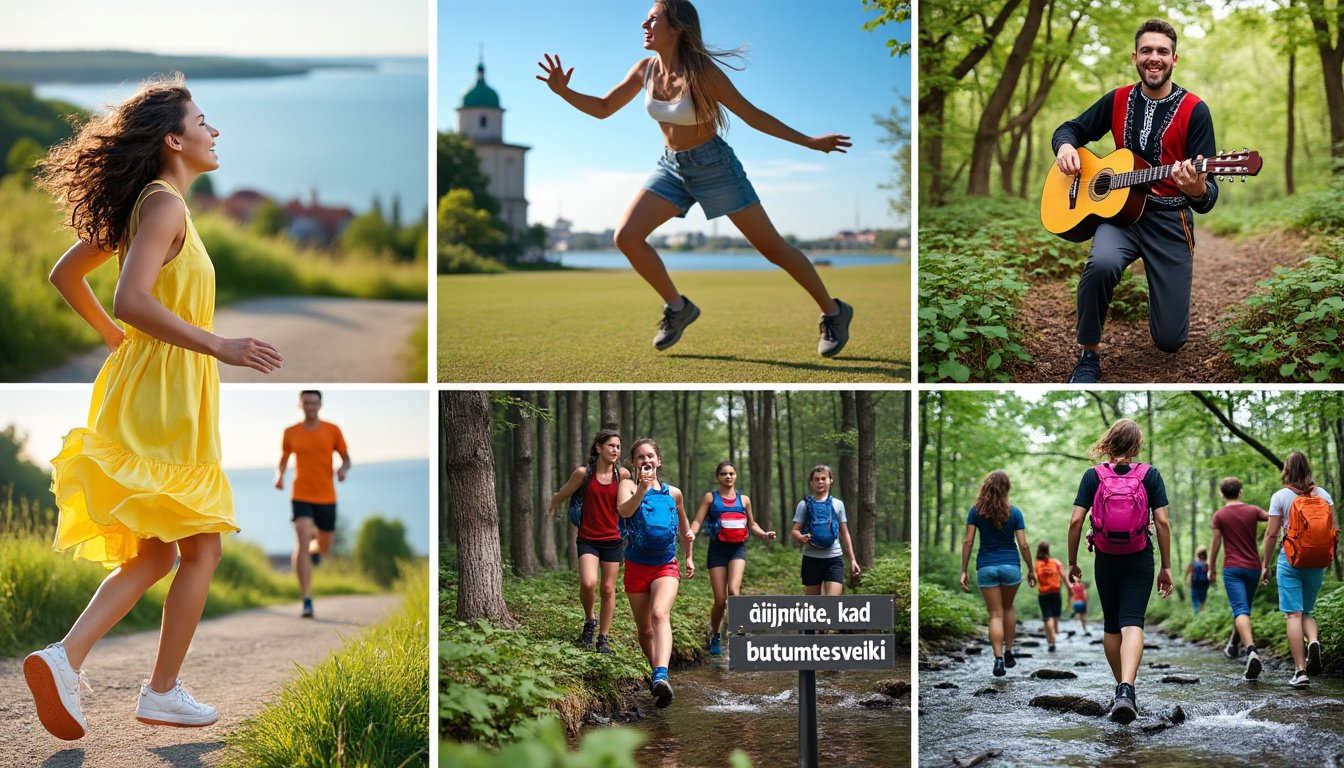
Key Physical Activity Influencers in Baltic Health
Understanding the detailed factors behind physical activity distribution is vital for health policy. Below is a list highlighting major influencers shaping these behaviors in the Baltic context:
- Age and Gender Differences: Age contributes significantly to activity levels and BMI, with older individuals showing higher obesity rates. Men tend to engage more in vigorous activities, influencing healthier BMI.
- Education and Awareness: Higher university education correlates with greater physical activity engagement, particularly in Estonia.
- Lifestyle and Cultural Norms: Sedentary work and leisure activities, particularly prevalent in Estonia, foster prolonged sitting times, which relate to cardiovascular risk factors.
- Nutrition Patterns: Eating habits such as breakfast consumption and overeating vary, with Estonians eating breakfast more regularly but reporting more obesity, indicating that quantity and timing alone are insufficient without quality and physical activity.
Emotional Intelligence and Its Integral Role in Mental Wellness and Impulsivity Regulation
Emotional intelligence (EI), defined as the ability to perceive, understand, manage, and utilize emotions effectively, profoundly influences mental health outcomes and behavioral tendencies such as impulsivity. Exploring EI within the Baltic populations reveals critical gender and country-specific variations affecting psychological resilience.
Several comprehensive studies have confirmed the vital connection between EI and mental health, with higher emotional intelligence correlating with reduced depression symptoms and better stress management (source). The research within Baltic states echoes this, showing that Lithuania’s males exhibited the highest EI scores, while Estonian males the lowest. Latvian females, on the other hand, scored significantly lower on EI compared to their Lithuanian and Estonian counterparts.
Parallel to emotional intelligence is the construct of impulsivity, which has important implications for mental wellness and behavior regulation. Elevated impulsivity can lead to less controlled emotional responses and poor health decision-making. The Baltic study identified that Lithuania’s participants showed notably lower impulsivity levels, whereas Estonian females scored highest, underscoring population-specific psychological needs.
Key points about the role of EI and impulsivity in mental health include:
- Inverse Correlation with Depression: Emotionally intelligent individuals are better equipped to manage mood disturbances, as EI facilitates adaptive emotional regulation strategies that guard against depression.
- ImpulseControl and Well-being: Good impulse control mitigates risk-taking behaviors, which are often linked with poorer health outcomes and socially disruptive actions.
- Enhanced Social Interaction: EI enhances empathy and interpersonal skills crucial for social support, which the Correlates of Self-Assessed Wellness study highlight as protective for mental health.
- Sport and Exercise Performance: Meta-analyses reveal small yet significant associations between EI and better sporting outcomes, clarifying how emotional regulation complements physical vigor.
Addressing these aspects can help build a Mindfulness-based framework that improves emotion regulation skills while counteracting impulsivity tendencies. This approach has been recognized as fundamental for fostering EmotionalBalance and boosting MentalEdge among individuals.
| Country | Gender | Emotional Intelligence (Mean Score) | Impulsivity (Mean Score) |
|---|---|---|---|
| Estonia | Male | Lowest | High |
| Estonia | Female | Moderate | Highest |
| Latvia | Male | Moderate | High |
| Latvia | Female | Lowest | Moderate |
| Lithuania | Male | Highest | Lowest |
| Lithuania | Female | High | Low |
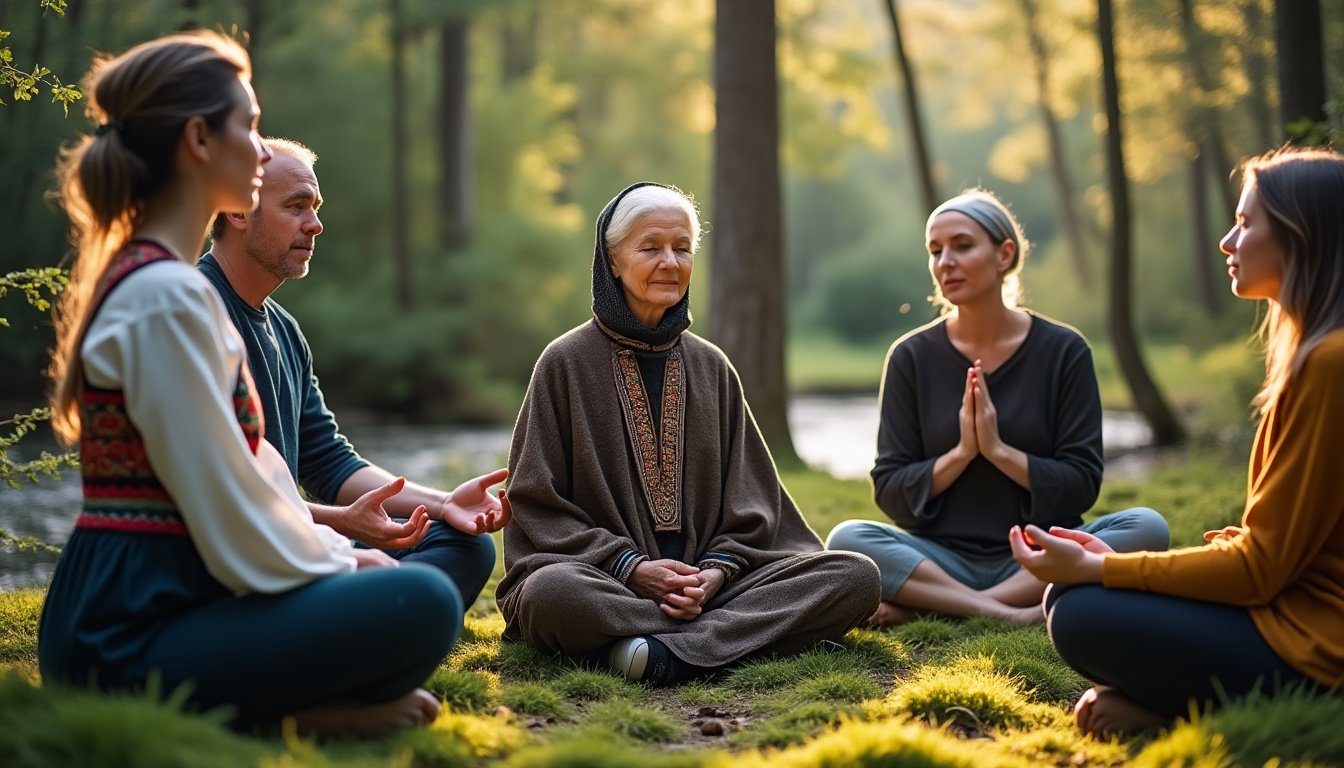
Strategies to Improve Emotional Intelligence and Reduce Impulsivity
Developing a robust EmotionalBalance is achievable through both individual and community initiatives designed to nurture emotional competencies:
- Mindfulness Training: Mindfulness practices enhance emotional awareness and self-regulation, proven to lower impulsivity and stress levels as highlighted by recent research in clinical psychology.
- Educational Workshops: Programs focusing on recognizing and managing emotions help bolster HealthIQ and empower individuals to navigate interpersonal challenges effectively.
- Physical Activity Integration: Regular exercise, especially in communal settings, has been shown to elevate emotional intelligence, linking the mental benefits of physical activity and cognitive care.
- Access to Cognitive-Behavioral Tools: Techniques to control impulsivity and cultivate patience support sustained mental wellness and resilience against triggers of unhealthy behavior.
The Impact of Sleep, Sedentary Lifestyle, and Nutritional Habits on Mental and Physical Well-Being
Sleep duration and quality, sedentary time, and dietary behaviors form a triad profoundly influencing health indicators including BMI, stress, and depression. Baltic research utilizing uniform methods revealed vital cross-country and gender differences in these areas, shaping subjective health assessment.
Key observations include:
- Sleep Patterns: While overall sleep durations did not vary significantly across Estonia, Latvia, and Lithuania, females consistently slept longer than males. Sleep quality, although not directly measured, is closely correlated with mental health and weight regulation as established in multiple studies and endorsed by HealthyMindset advocates.
- Sedentary Behavior: Estonia’s participants reported the longest sedentary times, particularly women, which despite not showing a direct impact on subjective health in regression models, remains a crucial factor for chronic disease risk.
- Breakfast Consumption and Overeating: Estonians demonstrated more consistent breakfast consumption and less frequent overeating, yet paradoxically had higher obesity rates, indicating a complicated interplay of physical activity and nutrition quality.
- Nutrition and Mental Health: Emotional eating behaviors link closely with depression and stress, influencing BMI and health perceptions through physiological and psychological pathways.
Improving these behaviors can promote a better HealthyMindset alongside physical health. Practical morning rituals, elaborated upon by health experts, advocate consistent sleep schedules, hydration, light stretching, and balanced breakfasts to help maintain energy and mental focus throughout the day.
| Factor | Estonia | Latvia | Lithuania |
|---|---|---|---|
| Average Sleep Duration (hours) | ~7.5 | ~7.4 | ~7.6 |
| Average Sedentary Time (hours/day) | Highest (especially females) | Moderate | Lowest (especially females) |
| Breakfast Consumption (% regular) | Highest | Lower | Lower |
| Overeating (% frequent) | Lowest | Higher | Higher |
Habits to Cultivate for a Balanced Physical and Mental Health
Experts stress several evidence-based habits to maximize wellness:
- Hydration and Stretching Upon Awakening: Simple actions support circulation and cognitive alertness (source).
- Consistent Sleep Schedules: Regulating circadian rhythm is linked with improved mood and metabolism.
- Mindful Eating Practices: Recognizing emotional cues that drive overeating can help adjust nutritional habits beneficially.
- Reducing Sedentary Time: Incorporating light and moderate physical activities into daily routines counters negative effects of prolonged sitting.
Prevalence and Impact of Stress and Depression on Perceived Health Status in the Baltic Region
Stress and depression present dominant barriers to well-being in the Baltic populations. Subjective health assessments reveal that lower perceived stress and absence of depressive symptoms strongly align with better self-rated health. Lithuania exhibits a trend of higher reports of excellent health despite elevated stress levels among women, illustrating complex psychological resilience mechanisms at play.
The research highlights several core elements:
- Perceived Stress Levels: Latvian individuals report higher stress and depression, particularly women, negatively affecting their health appraisal.
- Gender Differences: Across all countries, men tend to rate their health more favorably than women despite shared health behaviors, hinting at gendered perceptions or coping principles.
- Depression’s Bidirectional Role: Depression contributes to obesity and vice versa, necessitating coordinated efforts tackling both mental and physical health together (reference).
- Implications for Public Health: Successful interventions must include cognitive and emotional resources training to improve ImpulseControl and foster a ThriveNation mindset.
| Country | Proportion Reporting Excellent Health | Proportion Reporting High Stress | Proportion Reporting Depression Symptoms |
|---|---|---|---|
| Estonia | Moderate | Low | Lower than LV |
| Latvia | Lower | Higher | Highest |
| Lithuania | Highest | Highest (women) | Moderate |
Approaches to Manage Stress and Depression Effectively
- Mindfulness and Meditation: Proven methods for reducing perceived stress and improving emotional regulation.
- Physical Activity: Regular exercise elevates mood and reduces depressive symptoms, contributing to improved HealthIQ.
- Emotional Intelligence Development: Enhances coping strategies to buffer against adverse psychological states.
- Psychosocial Support: Access to counseling and social engagement diminishes feelings of isolation and anxiety.
Key Predictors of Subjective Health in the Baltic Populations: Insights and Applications
Subjective health—the individual’s perception of their own health—emerges as a complex outcome shaped by intertwined lifestyle, psychological, and demographic factors in the Baltic countries. Analyzing standardized beta coefficients offers clarity on dominant influences within Estonia, Latvia, and Lithuania.
Primary predictors with significant influence include:
- Age: Increasing age consistently associates with poorer self-rated health across all three countries.
- Perceived Stress and Depression: High scores on stress and depression scales inversely correspond to subjective health ratings.
- Body Mass Index: Elevated BMI negatively influences perceived health, reflecting the physical and psychological burdens of overweight and obesity.
- Vigorous Physical Activity: Proven to bolster health perceptions, highlighting the importance of maintaining intensity in exercise routines.
- Emotional Intelligence: Higher EI correlates positively with perceived health, underscoring the psychosocial dimension of wellness.
Interestingly, factors that might be expected to have strong effects—such as sleep duration and sedentary behavior—were not significant predictors in the Baltic datasets, signaling possible regional behavioral nuances or compensating lifestyle adaptations.
| Predictor | Effect on Subjective Health (Direction) | Statistical Significance | Countries Affected |
|---|---|---|---|
| Age | Negative | Highly Significant (p < 0.001) | Estonia, Latvia, Lithuania |
| Perceived Stress | Negative | Highly Significant (p < 0.001) | Estonia, Latvia, Lithuania |
| Depression | Negative | Highly Significant (p < 0.001) | Estonia, Latvia, Lithuania |
| Body Mass Index | Negative | Significant (p < 0.01 to p < 0.001) | Estonia, Latvia, Lithuania |
| Vigorous Physical Activity | Positive | Significant (p < 0.01 to p < 0.001) | Estonia, Latvia, Lithuania |
| Emotional Intelligence | Positive | Significant (p < 0.05 to p < 0.01) | Estonia, Latvia, Lithuania |
These critical predictors not only illuminate health status but provide pathways for targeted interventions emphasizing a CognitiveCare perspective—one that integrates emotional, mental, and physical health considerations into comprehensive wellness initiatives.

Recommendations for Tailored Health Promotion in Baltic Contexts
- Vigorous Exercise Promotion: Designing community programs that encourage higher-intensity activities suitable for diverse age groups.
- Emotional Intelligence Training: Implementing workshops to enhance emotional skills, improving overall mental resilience.
- Mental Health Awareness: Reducing stigma around depression and stress through public education campaigns promoting HealthyMindset.
- Nutrition and Lifestyle Coaching: Providing guidance on healthy eating to complement physical activity and manage body weight.
FAQ on Health Habits and Mental Wellness in the Baltic Nations
- How does physical activity intensity affect mental health in the Baltic countries?
Higher intensity physical activity, particularly vigorous physical activity (VPA), positively influences mental wellness by reducing depression and improving mood. It is a significant predictor of perceived health and emotional balance.
- Is emotional intelligence linked to obesity and depression?
Yes. Lower emotional intelligence correlates with higher obesity levels and depressive symptoms. Improving EI can aid in emotional regulation and reduce risks of these conditions.
- Do sedentary behaviors directly impact self-assessed health?
While prolonged sedentary time is associated with chronic illness risks, studies in the Baltic region revealed sedentary behavior did not significantly predict subjective health, likely due to compensatory physical activities or lifestyle variability.
- What role do stress and depression play in perceived health?
Both stress and depression have strong negative impacts on how individuals perceive their health. Targeted stress management and mental health support can improve these perceptions and actual health outcomes.
- How can individuals improve their emotional intelligence?
Practices like mindfulness, cognitive-behavioral strategies, and emotional skills training programs help enhance emotional intelligence, which supports better mental wellness and impulse control.
10 quick checks to spot low-quality supplements before you buy - plus research-backed doses for 12 common ingredients. Free PDF, no spam.
