


In an age where convenience foods dominate the market and screen time often substitutes for physical play, nurturing healthy eating habits in children has become a critical strategy for long-term wellness. The patterns children adopt early in life profoundly influence their physical health, cognitive development, and emotional wellbeing. As families balance hectic schedules, understanding practical approaches to make nutritious eating appealing and habitual is paramount. From shared family meals to the delicate art of introducing diverse flavors, every step plays a role in establishing a foundation for a lifelong embrace of Balanced Bites and Smart Snacks.
Research highlights the importance of early food experiences in shaping preferences and behaviors. Programs such as Healthy Start and NutriKids emphasize guided food choices that respect children’s developing palates while promoting variety and balance. Meanwhile, initiatives like Little Sprouts and Wholesome Wave provide community-based support to encourage accessible nutrition in schools and care settings, underscoring the multifaceted efforts needed to foster Eat Well, Play Well lifestyles.
This article explores essential strategies tailored for parents, caregivers, and educators aiming to cultivate joyful, sustainable eating habits in children. It tackles the challenges of picky eating, the significance of modeling behaviors, and how milestones and family dynamics impact readiness to try new foods. With clear examples and actionable insights, readers will gain a comprehensive toolkit to nurture Tiny Tastebuds while promoting Nourish Kids principles in daily routines.
Creating a Positive Mealtime Environment to Support Healthy Eating Habits
The atmosphere during meal times greatly influences children’s willingness to try and enjoy nutritious foods. Establishing a positive mealtime environment where food is associated with pleasure, safety, and family connection is foundational to guiding children toward Healthy Start behaviors. Eating together, even if only once daily, reinforces a sense of belonging and models behaviors aligned with Kids Eat Right values.
Families are encouraged to prioritize communal meals by coordinating schedules and minimizing distractions such as screens or multitasking. According to WebMD’s guide on healthy eating habits, children eating with caregivers tend to exhibit better food choices and improved table manners. This shared time also allows adults to observe and gently correct unhelpful eating behaviors early on before they become entrenched.
Moreover, mealtime should be a judgment-free zone, where children feel comfortable exploring flavors without pressure. The principle of “no forced eating” encourages offering a variety of foods without insistence, fostering curiosity rather than resistance. Parents can strategically introduce new foods during celebrations or milestones, creating positive associations that appeal to Tiny Tastebuds and enhance acceptance.
- Maintain consistent mealtimes to promote a routine that signals the body when to expect nourishment.
- Display enthusiasm about trying new dishes to inspire children through positive modeling.
- Avoid distractions like television or mobile devices to focus attention on the sensory experience of eating.
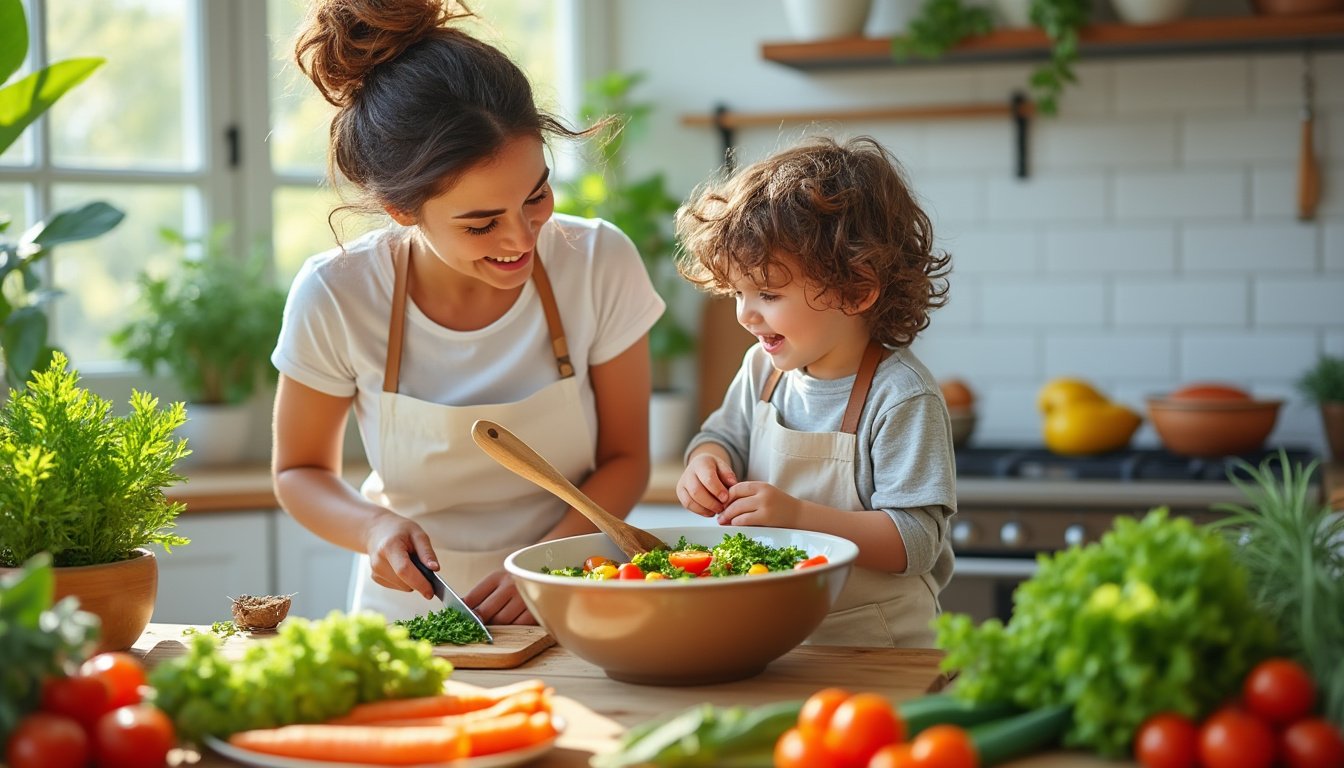
- Encourage participation in meal preparation to build ownership and interest in foods.
- Remove alcohol from regular family meals to normalize wholesome eating habits and align with Nourish Kids messaging.
Such practices connect directly to evidence-based research detailed in the Healthy Eating Research summary, underscoring the role of the home environment as the primary influence on diet quality during childhood.
| Mealtime Strategy | Benefits for Healthy Eating Habits | Examples to Implement |
|---|---|---|
| Consistent Set Meal Times | Supports metabolic regulation, hunger cues, and satiety awareness | Regular family dinners at 6 pm weekdays and weekends |
| Inclusive Food Preparation | Increases food familiarity and willingness to taste diverse foods | Engage children in washing vegetables or assembling salads |
| Positive Role Modeling | Shapes behaviors by example, influencing acceptance and manners | Parents express joy eating vegetables, avoid processed snacks |
| Limiting Distractions | Enhances focus on sensory and social experience, improves digestion | Turn off TV, phones; use the time for family conversation |

Strategies to Introduce a Variety of Nutritious Foods and Overcome Picky Eating
One of the most persistent challenges parents face is navigating picky eating, which can hinder balanced nutrition during formative years. However, through patience, persistence, and well-timed introductions, children’s Tiny Tastebuds can adapt and expand to embrace a broad spectrum of flavors—a process celebrated by programs like Balanced Bites and Smart Snacks.
Research illustrates that repeated exposure to a new food, sometimes up to 10-15 times, is necessary before acceptance grows. Introducing fish early is a powerful example. Many discomforts with seafood arise from unfamiliarity rather than dislike. Starting with mild options such as flounder or incorporating flavors via dishes like pizza topped with sardines can gently acclimate palates. Such strategies are supported by Parent.app’s approach to developing healthy eating habits.
Positive context matters significantly when introducing new foods. Celebratory moments—birthdays, the start of school years, or holidays—are natural opportunities to present novel dishes, pairing pleasure with novelty. Providing a fun, low-pressure environment can reset aversions and build happy food memories.
- Keep portions small when trying new foods to reduce stress and waste.
- Pair new foods with familiar favorites to encourage tasting.
- Use colorful presentation to engage visually and stimulate interest.
- Avoid coercion or punishment relating to food choices to preserve positive associations.
- Celebrate attempts at trying something new, regardless of immediate acceptance.
Correcting undesired habits early is crucial. When children mimic friends’ behaviors that involve poor eating manners or limited food variety, parents can intervene effectively by fostering a shared family mealtime experience where such changes are noticeable firsthand. This ongoing vigilance ensures behavioral cues align with nurturing lifelong health patterns endorsed by Eat Well, Play Well programs.
| Picky Eating Challenge | Effective Strategy | Expected Outcome |
|---|---|---|
| Resistance to seafood | Introduce mild fish dishes early and often | Develops familiarity and reduces aversion |
| Refusal to try vegetables | Pair with favorite dips or sauces | Increases willingness to taste |
| Limited flavor range | Use colorful, creative food presentations | Enhances curiosity and enjoyment |
| Eating distractions at school | Encourage mindful eating and routine mealtimes | Improves focus and digestion |
Modeling Healthy Eating Behaviors and Family Participation
Children are natural mimics and often mirror behaviors observed in their primary caregivers and family members. Central to cultivating NutriKids and Wholesome Wave successes is the understanding that parents’ dietary choices and attitudes echo powerfully in children’s decisions. Thus, establishing Eat Well role modeling is an essential and organic strategy.
Adults demonstrating joyful and balanced eating behaviors without negative language about food encourage kids to perceive nutrition as both enjoyable and non-restrictive. For example, openly relishing a variety of vegetables or whole grains in front of children promotes positive impressions. Conversely, negative comments or dieting behaviors can unintentionally instill harmful anxieties or restrictive attitudes.
Engaging children in meal planning and preparation further empowers them. Families adopting this approach report increased willingness to try new dishes, better appreciation of food origins, and esteem in their contribution. Programs such as Little Sprouts offer excellent frameworks for nurturing this active involvement.
- Eat the same meals together to reinforce inclusion and shared experiences.
- Maintain a positive attitude about healthy food choices, even when challenged.
- Discuss the benefits of different foods in simple, engaging language.
- Encourage family gardening or visits to local markets to connect children to real food sources.
- Celebrate small wins when children make healthy choices independently.
Parents can find additional resources and research-backed advice on building a lifetime of healthy habits and how balanced nutrition fosters overall well-being.
| Modeling Behavior | Impact on Children | Practical Tips |
|---|---|---|
| Eating meals together | Builds routine and social bonding | Regular family dinners, positive conversation |
| Positive verbal messages about food | Encourages healthy attitudes | Highlight taste, benefits, and fun |
| Involving children in cooking | Fosters curiosity and responsibility | Age-appropriate tasks like stirring or washing produce |
| Shopping for groceries together | Increases familiarity and excitement for foods | Let children pick new fruits or veggies |
Role of Schools and Communities in Reinforcing Healthy Eating Patterns
Schools and community programs act as vital environments supplementing family efforts to instill nourishing habits. Initiatives such as Smart Snacks, Tiny Tastebuds, and Nourish Kids play crucial roles in shaping food accessibility and knowledge in these settings. Healthy eating is not only a private matter but a collective responsibility that benefits substantially from structured support systems.
School meal programs designed following the Head Start guidelines for healthy eating ensure children receive balanced nutrition at key points in their day. Exposure to a variety of fruits, vegetables, and whole grains during school hours complements home food experiences. Moreover, educational campaigns and taste tests engage kids in learning about nutrition actively.
Community gardens, cooking classes, and free meal initiatives foster hands-on and social engagement with healthy foods. As noted on LiveWell Magazine, these programs can reduce food insecurity while shaping early positive habits crucial for lifelong health.
- Partner with schools to support nutrition education and menu improvements.
- Encourage participation in community-based food programs and events.
- Advocate for safe places for physical activity to complement nutrition efforts.
- Use local media and online platforms to spread awareness about balanced nutrition.
- Facilitate peer role models among children to normalize healthy food choices.
| Community Strategy | Description | Benefits |
|---|---|---|
| School meal standards | Providing balanced, nutritious meals during school | Supports daily nutrient intake and learning focus |
| Community garden projects | Hands-on gardening and food education for kids | Increases food literacy and encourages physical activity |
| Free meal initiatives | Access to nutritious meals for low-income families | Reduces hunger and builds healthy habits early |
| Cooking workshops | Interactive classes teaching healthy meal preparation | Develops skills and food confidence |

Using Technology and Media to Encourage and Sustain Healthy Eating Habits in Children
In today’s digitized world, positive use of technology offers innovative channels to support healthy eating behaviors among children. Digital apps, online resources, and interactive games designed around nutrition concepts can engage Tiny Tastebuds and stimulate interest in wholesome foods.
Platforms like NutriKids and Balanced Bites combine education with gamified experiences, rewarding children for choosing colorful fruits and vegetables or completing cooking challenges. This approach aligns with findings in Cleveland Clinic’s healthy eating for kids guide, which emphasizes making food fun and accessible through creative learning methods.
Additionally, caregivers can utilize social media and video content from trusted sources to find recipes, tips, and motivational stories. For example, videos demonstrating cooking with children or explaining nutrition in playful ways can overcome boredom associated with traditional education. Viewing healthy snack ideas, such as those featured by LiveWell Magazine, inspire families to integrate wholesome options seamlessly into daily life.
- Select educational apps that promote interactive learning about food groups and health benefits.
- Encourage family cooking videos to share experiences and challenges.
- Set screen time limits balanced with active play to support overall wellbeing.
- Promote nutrition blogs and podcasts for ongoing inspiration.
- Use social media challenges to motivate peer participation and excitement.
| Technology Tool | Function | Benefit for Healthy Eating |
|---|---|---|
| Nutrition Education Apps | Interactive games and quizzes about food | Enhances knowledge and interest in nutritious choices |
| Cooking Tutorial Videos | Step-by-step guides for kids and families | Builds skills and confidence in meal preparation |
| Social Media Communities | Platforms sharing recipes and healthy lifestyle tips | Provides social support and continuous inspiration |
| Reward Systems | Incentivizes trying new foods and participation | Increases motivation and fun |
Frequently Asked Questions about Cultivating Healthy Eating Habits in Children
- Q: How can I encourage my child to try new foods without pressure?
A: Offer small portions alongside familiar favorites during positive, relaxed meals. Avoid forcing or bribing; instead, celebrate each small attempt. - Q: What are age-appropriate ways to involve children in meal preparation?
A: Younger children can wash vegetables or stir ingredients, while older kids might measure ingredients or help with simple cooking tasks, fostering a sense of contribution. - Q: How important is family mealtime for healthy eating patterns?
A: Very important. Shared meals boost connection, model good habits, and increase children’s likelihood to eat balanced diets. - Q: What if my child refuses to eat vegetables?
A: Try pairing vegetables with dips, using colorful presentations, and introducing them gradually. Keep offering without pressure, as repeated exposure often leads to acceptance. - Q: Can technology really help improve my child’s eating habits?
A: Yes, when used thoughtfully, educational apps, videos, and social media support can make learning about nutrition interactive and fun, motivating healthy choices.

2 Comments
Pingback: Raising a Healthy Eater: One Dad’s Hispanic Heritage Approach
Pingback: Keeping kids healthy: tips for the cold season