
Close Menu
    Follow us on Google News
    Follow Livewell Magazine on Google News
    Facebook X (Twitter) Instagram
    LiveWell Magazine
    Facebook
    Follow LiveWell Magazine on Google News
    • Cancer

      Healthy Dad’s Unexpected Cancer Diagnosis Revealed After Ignoring Nighttime Bathroom Trips: ‘A Heartbreaking Surprise’

      February 22, 2026

      BREAKING NEWS: Gene therapy for sickle cell disease: a medical breakthrough still out of reach for many

      December 29, 2025

      How Your Drinking Habits Could Significantly Increase Your Cancer Risk

      December 28, 2025

      Could the time of day you get cancer treatment affect survival? What a new lung cancer study suggests

      December 25, 2025

      Can exercise lower cancer risk? what the science suggests (and what to do today)

      December 22, 2025
    • Fitness

      Biochemist Reveals the Powerful 10-Minute Workout That Keeps the Mind Razor-Sharp All Day

      March 23, 2026

      The best workouts for busy people

      March 3, 2026

      A Fitness Trainer’s Perspective: How My Approach Transformed from 40 to 60

      March 2, 2026

      Healthy Living: Dr. Angela Haskins Embraces Peloton Workouts for Fitness

      February 2, 2026

      The “protein first” trick: protect muscle and stay full during holiday meals

      January 11, 2026
    • Health

      Federal Judge Hits Pause on HHS Secretary Kennedy’s Vaccine Policy Overhaul

      March 18, 2026

      Medicare Advantage Shifts: Payments to Plans Increase as Enrollment Hits a New Record

      March 18, 2026

      The battle over “$0 premium” plans: What’s at stake for your healthcare?

      February 19, 2026

      Early cholesterol treatment in kids may prevent heart disease for life

      January 28, 2026

      Functional medicine: a personalized approach to healthcare

      January 27, 2026
    • Lifestyle

      Happiness Guru Reveals 7 Key Habits That Foster Long-Term Joy and Well-Being

      April 2, 2026

      Top Morning Routines Recommended by Doctors for a Healthy and Vibrant Life

      April 1, 2026

      The Top Morning Routine Gastroenterologists Recommend for Better Digestion and Easy Bowel Movements

      March 30, 2026

      Weekend Habits Secretly Affecting Your Insulin Resistance

      March 28, 2026

      Amid Soaring Demand for GLP-1 Pills and Injections, Maintaining Healthy Habits Remains Essential

      March 27, 2026
    • Nutrition

      Daily Avocado Consumption: Insights from a Dietitian on Its Health Benefits

      March 25, 2026

      Celebrate National Nutrition Month this March with Toi Degree – Salisbury Post

      March 21, 2026

      Protein-Packed Mediterranean Dinners to Boost Your Heart Health

      March 20, 2026

      Remarkable Health Benefits of Prunes That Transform Them into a Nutritional Powerhouse

      March 6, 2026

      Top 4 Vegetables to Boost Liver Health, Recommended by Registered Dietitians

      February 27, 2026
    • Senior

      Nourishing Your Golden Years: 10 Essential Nutrition Habits to Promote Healthy Aging and Maintain Independence After 60

      March 27, 2026

      Wound Care Revolution: How a New Medicare Payment System Aims to Cut Waste in Senior Care

      March 19, 2026

      The $2,000 Cap is Here: How the New Annual Out-of-Pocket Drug Limit Saves Seniors Thousands

      March 17, 2026

      Why Conventional Health Tips Might Shift After Turning 50

      March 15, 2026

      The Unexpected Superfood to Boost Your Health as You Get Older, Reveals New Research

      March 1, 2026
    • Trends

      Transparency at HHS: How the New “Radical Transparency” Initiative Aims to Expose Big Pharma Conflicts

      March 13, 2026

      How Wearable Technology Could Spark a Revolution in Healthier Living

      February 5, 2026

      Early cholesterol treatment in kids may prevent heart disease for life

      January 28, 2026

      Wearable health devices: the future of personalized medicine?

      January 27, 2026

      AI in healthcare: ethical considerations and promising applications

      January 26, 2026
    • Wellness

      Is the rising cost of a Hawaii vacation becoming a barrier to your travel wellness?

      April 2, 2026

      How will Palma Mallorca’s new party boat and vacation rental rules affect your travel wellness?

      April 1, 2026

      This Wellness Routine Unlocks Greater Brain Benefits Especially for Beginners

      March 28, 2026

      Stephen A. Smith Blasts Pelicans: ‘Y’all Have Been Trash’ After Critiquing Zion Williamson

      March 19, 2026

      Simple and Effective Health Hacks for Busy Lives

      February 28, 2026
    Subscribe
    LiveWell Magazine
    Home»Cancer»Cervical cancer screening is becoming easier — and why that matters for long-term health
    Cancer

    Cervical cancer screening is becoming easier — and why that matters for long-term health

    Tina NguyenBy Tina Nguyen1 Comment
    Facebook Twitter Email WhatsApp Pinterest LinkedIn Reddit Telegram Threads
    cancer screening
    cancer screening
    Share
    Facebook Twitter LinkedIn Email Reddit Telegram WhatsApp Threads

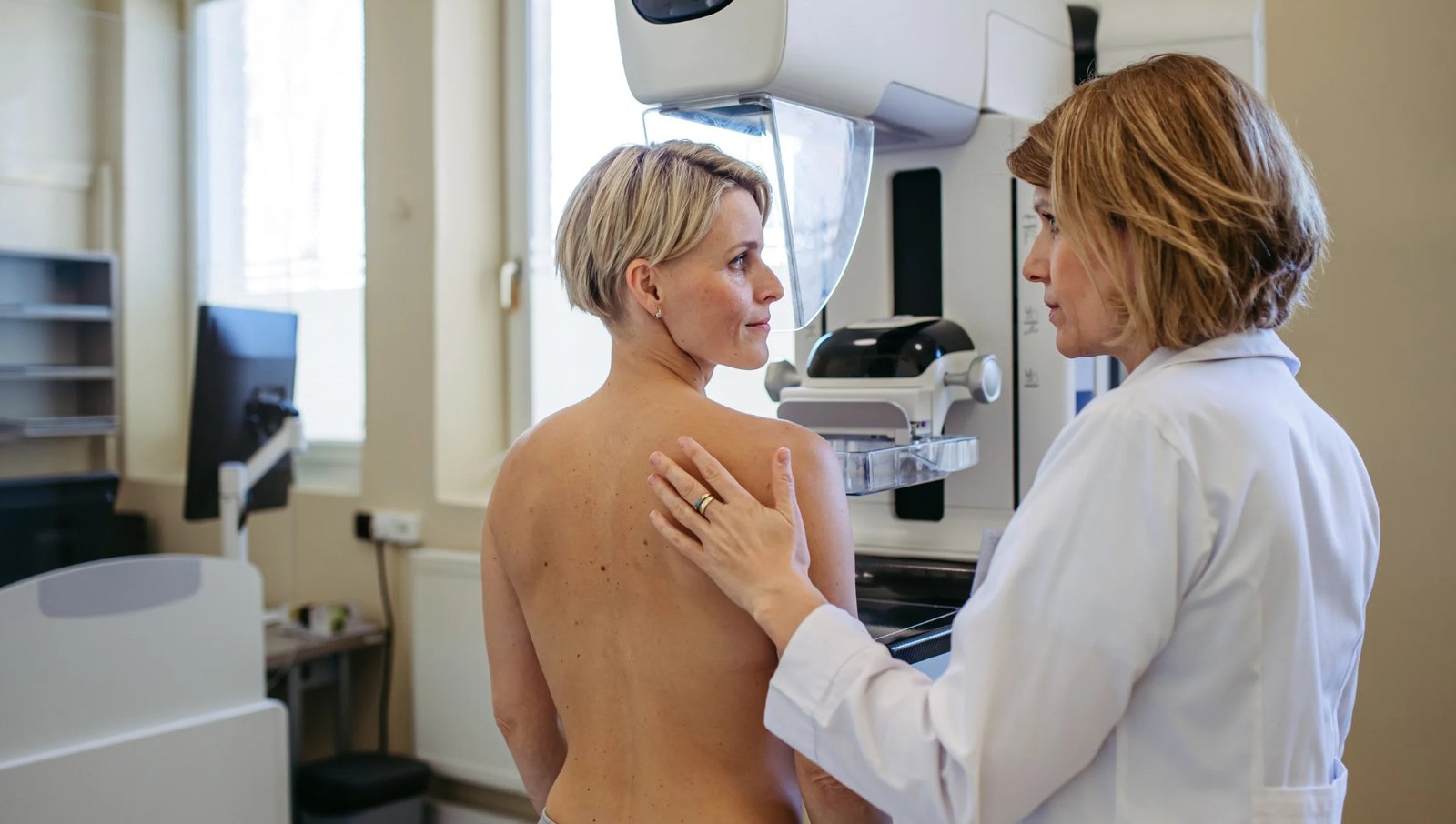
    Cervical cancer is one of the most preventable cancers, yet it continues to claim thousands of lives each year. One of the main reasons is that the disease often develops silently, without noticeable symptoms until it reaches an advanced stage.

    The good news is that recent changes in cervical cancer screening practices are making prevention more accessible than ever. New screening options now allow some women to collect samples themselves, reducing barriers and encouraging more people to stay up to date with this essential preventive care.

    Why cervical cancer screening is so important

    Cervical cancer develops slowly. In most cases, it begins with long-term infection by certain high-risk types of human papillomavirus (HPV), a very common virus transmitted through sexual contact. While most HPV infections clear on their own, some persist and can cause cervical cells to become abnormal over time.

    These abnormal cells may take many years to turn into cancer. During this long window, screening can detect early changes and stop cancer before it ever forms. This is why regular screening remains critical, even for women who feel completely healthy and have no symptoms.

    A major shift in screening options

    Until recently, cervical cancer screening required a clinician to collect a sample during a pelvic exam. This could be uncomfortable, inconvenient, or intimidating for some women, leading many to delay or avoid screening altogether.

    New recommendations now allow certain women to collect their own vaginal sample for HPV testing. This self-collection option represents a significant step forward, offering greater flexibility while maintaining strong accuracy in detecting high-risk HPV.

    Related Article :  CRISPR enters cancer care: what this gene-editing leap could mean for seniors

    How self-collection works

    Self-collection typically involves using a small swab or brush to collect a vaginal sample following clear instructions. The process does not require a pelvic exam or the use of a speculum, making it less invasive than traditional screening.

    The collected sample is then tested for high-risk HPV types. Research has shown that these self-collected samples are highly effective at identifying HPV infections associated with cervical cancer.

    Accuracy and safety of self-testing

    Studies comparing self-collected samples with clinician-collected samples show that self-testing reliably detects high-risk HPV. This makes it a valuable option for women who face barriers to in-office care, such as mobility limitations, discomfort with pelvic exams, or difficulty scheduling appointments.

    That said, clinician-collected screening remains the preferred method when available. Self-collection is an additional option, not a replacement, and should be done using tests approved and recommended by a healthcare provider.

    Who may benefit most from self-collection

    Self-collection is generally intended for women who are already eligible for cervical cancer screening based on age and health history and who do not have symptoms such as unexplained vaginal bleeding, pelvic pain, or unusual discharge.

    It may not be appropriate for women with a history of cervical cancer, previous high-risk abnormal results, or conditions that require closer medical monitoring. Individual eligibility should always be discussed with a healthcare provider.

    What screening schedule looks like

    Screening recommendations vary depending on age, medical history, and the type of test used. HPV testing performed by a clinician is typically recommended at longer intervals, while self-collected HPV testing may be advised more frequently.

    Related Article :  How Your Drinking Habits Could Significantly Increase Your Cancer Risk

    For women who prefer traditional care, in-office screening options remain fully available. Choosing the best approach depends on personal comfort, access to care, and individual risk factors.

    Reducing cervical cancer risk beyond screening

    Screening is the cornerstone of cervical cancer prevention, but it is not the only protective measure. Vaccination against HPV is highly effective at preventing infections that cause most cervical cancers and provides long-term protection.

    Avoiding smoking is another important step, as tobacco use weakens the immune system and makes it harder for the body to clear HPV infections. Practicing safer sexual behaviors can also reduce exposure to high-risk HPV, although no method eliminates risk entirely.

    Why this matters for older women

    Many women mistakenly believe cervical cancer screening is no longer necessary later in life. In reality, continued screening is essential for women who have not met criteria to stop or who have gaps in their screening history.

    For seniors, staying engaged in preventive care supports long-term health, early detection, and peace of mind. New screening options can help ensure that fewer women fall through the cracks.

    Prevention made more accessible

    The expansion of cervical cancer screening options marks an important shift toward patient-centered care. By offering both clinician-based and self-collection approaches, more women can find a screening method that fits their needs.

    Early detection saves lives. With easier access to screening, cervical cancer can increasingly become a disease that is prevented rather than treated.

    Follow on Google News
    Share. Facebook Twitter LinkedIn Email WhatsApp Reddit Telegram Threads Copy Link
    Previous ArticleVitamin D3 + K2: the powerhouse duo for immunity
    Next Article Medicare eligibility: age requirements, early qualification, and enrollment timeline
    Avatar photo
    Tina Nguyen

    Tina has been a health journalist for over ten years, reporting from various countries around the world. Her international experience gives her a unique and nuanced perspective on global wellness trends, public health challenges, and cultural approaches to healthy living. Known for her curiosity and clarity, Tina strives to deliver reliable, well-researched content that resonates with diverse audiences. She is passionate about making health information both engaging and empowering for readers everywhere.

    Continue reading

    Healthy Dad’s Unexpected Cancer Diagnosis Revealed After Ignoring Nighttime Bathroom Trips: ‘A Heartbreaking Surprise’

    By FRANK JOST

    BREAKING NEWS: Gene therapy for sickle cell disease: a medical breakthrough still out of reach for many

    By FRANK JOST

    How Your Drinking Habits Could Significantly Increase Your Cancer Risk

    By FRANK JOST

    Could the time of day you get cancer treatment affect survival? What a new lung cancer study suggests

    By FRANK JOST

    Can exercise lower cancer risk? what the science suggests (and what to do today)

    By Frank Jost

    Cancer myths that won’t quit: the top 4 misconceptions to stop believing

    By Frank Jost

    “Super survivor”: the mental and physical comeback story every older adult needs to read

    By Frank Jost

    Nanomedicine in oncology: tiny particles, big hope for senior cancer survivors

    By Frank Jost

    Tumor microenvironment drugs: a new way to boost weakened immune systems in seniors

    By Frank Jost

    Epigenetic therapies: can we ‘reset’ cancer cells without the side effects older adults fear most?

    By Frank Jost

    The most important FDA cancer approvals of 2025—explained for patients

    By Tina Nguyen

    New hormone therapy momentum in breast cancer

    By Tina Nguyen
    View 1 Comment

    1 Comment

    1. Pingback: Power of Early Detection and Healthy Living in Cancer Prevention

    Leave A Reply Cancel Reply

    Subscribe to Our Newsletter

    Join the Live Well Magazine Newsletter and get exclusive tips on health, wellness, lifestyle, and personal growth — straight to your inbox.

    Trending
    Lifestyle & Habits

    Happiness Guru Reveals 7 Key Habits That Foster Long-Term Joy and Well-Being

    Wellness

    Is the rising cost of a Hawaii vacation becoming a barrier to your travel wellness?

    Diet & Weight Loss

    Are Clear Spirits Healthier Than Dark Ones? Dietitians Weigh In with the Facts

    Women’s Health

    What are the proven strategies to manage your menstrual migraines?

    Wellness

    How will Palma Mallorca’s new party boat and vacation rental rules affect your travel wellness?

    Lifestyle & Habits

    Top Morning Routines Recommended by Doctors for a Healthy and Vibrant Life

    Facebook
    • About us
    • Contact us
    • Contributors
    • Legal
    • Privacy
    © 2026 livewellmagazine.org.

    Type above and press Enter to search. Press Esc to cancel.