Close Menu
    Follow us on Google News
    Follow Livewell Magazine on Google News
    Facebook X (Twitter) Instagram
    LiveWell Magazine
    Facebook
    Follow LiveWell Magazine on Google News
    • Cancer

      The “Silent Killer”: 2 Hidden Signs of Pancreatic Cancer You Can Spot Years in Advance

      April 20, 2026

      Barry Manilow Opens Up About Embracing Healthier Lifestyle Choices During His Cancer Battle

      April 8, 2026

      Healthy Dad’s Unexpected Cancer Diagnosis Revealed After Ignoring Nighttime Bathroom Trips: ‘A Heartbreaking Surprise’

      February 22, 2026

      BREAKING NEWS: Gene therapy for sickle cell disease: a medical breakthrough still out of reach for many

      December 29, 2025

      How Your Drinking Habits Could Significantly Increase Your Cancer Risk

      December 28, 2025
    • Fitness

      Why does every step matter in your unique running journey?

      May 21, 2026

      How does age impact athletic prowess and power?

      May 19, 2026

      How can you stay active and healthy by embracing winter fitness with outdoor sports?

      May 14, 2026

      How does afternoon exercise transform your blood sugar levels?

      May 7, 2026

      At 100, the ‘First Lady of Fitness’ Shares Her Daily Workout Secrets and One Must-Have Food

      April 15, 2026
    • Health

      How can fast verification tools transform patient care and enhance health outcomes?

      May 15, 2026

      How can you choose the best functional medicine doctor for your health journey?

      May 5, 2026

      How can better patient-doctor communication help you stay on track with your medication?

      April 8, 2026

      What can an infectious disease doctor’s experiences in Kazakhstan and America teach us about global health?

      April 3, 2026

      Federal Judge Hits Pause on HHS Secretary Kennedy’s Vaccine Policy Overhaul

      March 18, 2026
    • Lifestyle

      Can these 6 yoga poses provide instant relief for your period cramps?

      May 28, 2026

      How will the new travel advisory for individuals with “x” gender markers affect your travel wellness?

      May 22, 2026

      What are the surprising life lessons from a freezing cold experience in rural Japan?

      May 11, 2026

      What are some simple tips for maintaining a clean dog mouth?

      May 4, 2026

      How can you break free from the sitting trap and revitalize your life?

      April 22, 2026
    • Nutrition

      Which foods should you select to protect against age-related health concerns?

      June 1, 2026

      How could eating pickles daily affect your blood pressure?

      May 25, 2026

      Which are the 6 surprising foods that could be sabotaging your health?

      May 22, 2026

      Which 9 delicious fruits can help slash your cholesterol levels?

      May 5, 2026

      Which 5 delectable fruits packed with potassium can help support your blood pressure?

      April 27, 2026
    • Senior

      What are the essential approaches for promoting high-quality senior care and independence?

      May 6, 2026

      Nurturing Your Gut After 50: 7 Essential Habits for Lasting Digestive Wellness

      April 3, 2026

      Nourishing Your Golden Years: 10 Essential Nutrition Habits to Promote Healthy Aging and Maintain Independence After 60

      March 27, 2026

      Wound Care Revolution: How a New Medicare Payment System Aims to Cut Waste in Senior Care

      March 19, 2026

      The $2,000 Cap is Here: How the New Annual Out-of-Pocket Drug Limit Saves Seniors Thousands

      March 17, 2026
    • Trends

      How could the 7 surprising travel trends of 2026 disrupt your wellness plans and how can you navigate them?

      April 15, 2026

      Which innovative skincare trends will shape the industry in 2026 according to Uliana-Sofiia Savchenko?

      April 6, 2026

      Transparency at HHS: How the New “Radical Transparency” Initiative Aims to Expose Big Pharma Conflicts

      March 13, 2026

      How Wearable Technology Could Spark a Revolution in Healthier Living

      February 5, 2026

      Early cholesterol treatment in kids may prevent heart disease for life

      January 28, 2026
    • Wellness

      Could Spain being crowned the top digital nomad destination of 2026 benefit your work-life wellness?

      June 1, 2026

      How can heartfelt reunions at U.S. airports enhance your emotional wellness?

      May 28, 2026

      How will the loss of Bali’s private beaches affect your wellness travel?

      May 27, 2026

      How will the new sleeper train connecting Basel, Copenhagen, and Malmö enhance your travel wellness in 2026?

      May 26, 2026

      How can you revitalize your skin with the Ulike red light therapy mask?

      May 26, 2026
    Subscribe
    LiveWell Magazine
    Home»Senior»The $2,000 Cap is Here: How the New Annual Out-of-Pocket Drug Limit Saves Seniors Thousands
    Senior

    The $2,000 Cap is Here: How the New Annual Out-of-Pocket Drug Limit Saves Seniors Thousands

    Frank JostBy Frank Jost1 Comment
    Facebook Twitter Email WhatsApp Pinterest LinkedIn Reddit Telegram Threads
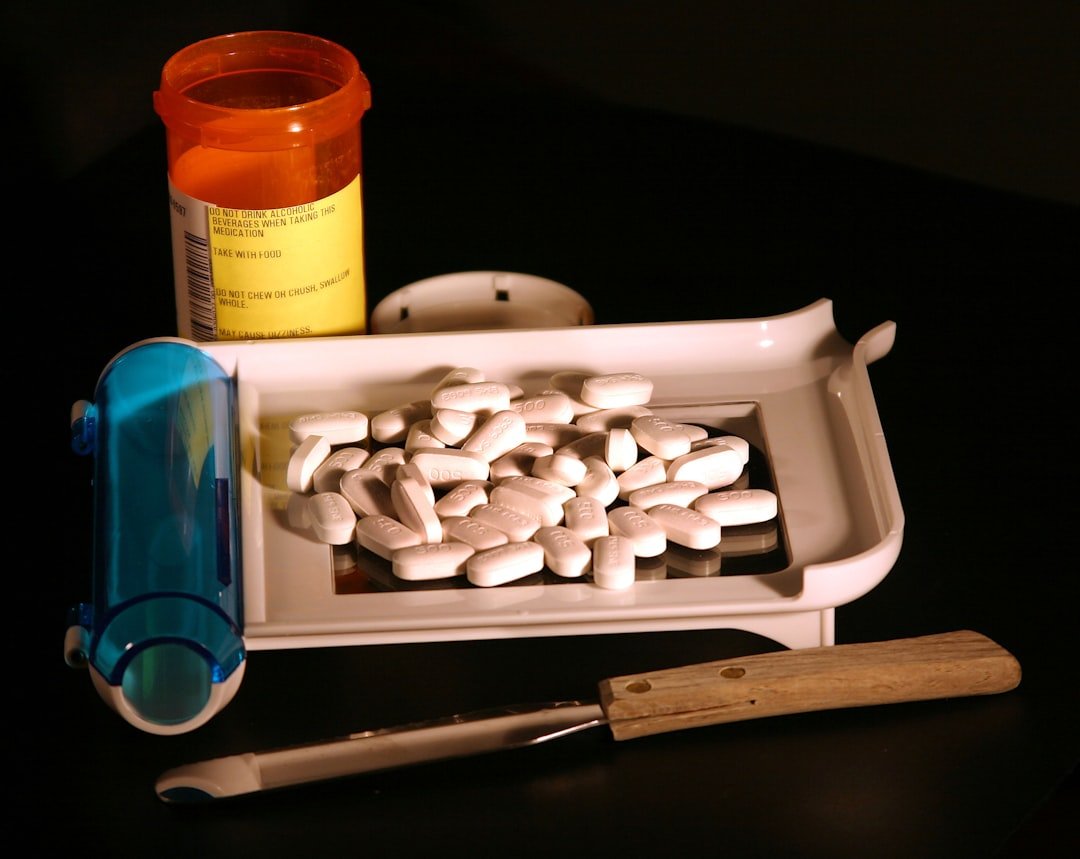
    learn about drug out-of-pocket limits and how they can reduce your prescription medication costs. understand annual caps on your spending to better manage your healthcare budget.
    Share
    Facebook Twitter LinkedIn Email Reddit Telegram WhatsApp Threads

    In Brief: The Medicare Drug Cap
    A landmark provision of the Inflation Reduction Act, which took effect on January 1, 2025, has fundamentally changed the landscape of prescription drug costs for millions. Now in its second year, the $2,000 annual out-of-pocket spending cap for Medicare Part D beneficiaries continues to provide significant financial relief. This cap eliminates the dreaded “donut hole” and protects seniors from catastrophic drug expenses, particularly those managing chronic conditions like cancer.

    • What it is: An annual limit of $2,000 on what a Medicare beneficiary pays out-of-pocket for prescription drugs covered by their Part D or Medicare Advantage plan.
    • Who is covered: All 50+ million Americans enrolled in a Medicare Part D or a Medicare Advantage plan with drug coverage.
    • How it works: The cap is applied automatically. Once your spending on deductibles, copayments, and coinsurance reaches $2,000, your plan covers the cost of your formulary drugs for the rest of the year.
    • What’s not included: The cap does not cover monthly plan premiums or the cost of drugs not on your plan’s approved list (formulary).

    A New Era of Affordability: Understanding the $2,000 Drug Cap

    For millions of American seniors, the daily routine of taking medication has long been shadowed by a persistent anxiety: the staggering cost. Many have faced the impossible choice between purchasing life-saving prescriptions and affording basic groceries. This difficult reality was amplified by Medicare’s former “donut hole,” a coverage gap that could suddenly expose beneficiaries to thousands of dollars in out-of-pocket costs, creating significant financial burdens.

    However, the landscape shifted dramatically on January 1, 2025. Thanks to the Inflation Reduction Act of 2022, a new protection was put in place: a $2,000 annual cap on out-of-pocket prescription drug spending. Now, well into 2026, the positive effects are clear. This cap has been what many experts call “a game changer for many seniors,” particularly for patients who rely on expensive medications for conditions like cancer, arthritis, and diabetes.

    Related Article :  The nursing-home staffing reset: can rural facilities stay open while keeping seniors safe?
    learn about drug out-of-pocket limits, how they cap your medication expenses, and help you manage healthcare costs effectively.

    How Does the $2,000 Spending Limit Actually Work?

    The beauty of this new system lies in its simplicity. The cap is applied automatically to anyone with a Medicare Part D plan or a Medicare Advantage plan that includes drug coverage. Your insurance plan tracks your out-of-pocket spending on covered medications throughout the year.

    Once your combined payments for your deductible, copayments, and coinsurance hit the $2,000 threshold, you pay nothing more for your covered prescription drugs for the remainder of the calendar year. This effectively ended the notorious coverage gap, providing predictability and peace of mind to over 50 million older Americans.

    Maximizing Your Savings: What’s Covered and What’s Not

    While the cap is a monumental step forward, it’s crucial to understand the specifics of what contributes to the $2,000 limit. Not every healthcare dollar you spend will count. This distinction is especially important when budgeting for your annual medical expenses and managing your expectations.

    For example, the monthly payments you make to keep your insurance active are separate. Understanding how Medicare premiums are structured is essential for a complete financial picture. The table below breaks down what counts toward the cap and what does not.

    Costs That Count Toward the $2,000 Cap Costs That DO NOT Count Toward the Cap
    Your annual plan deductible Your monthly Part D or Medicare Advantage plan premiums
    Copayments for each prescription The cost of any drugs not on your plan’s formulary
    Coinsurance for covered drugs Drugs covered under Medicare Part B (e.g., certain infusions)
    learn about drug out-of-pocket limits, which cap the amount you pay for prescription medications, helping you manage your healthcare expenses effectively.

    The Critical Role of Your Plan’s Formulary

    The single most important factor in this new system is your plan’s formulary—the official list of prescription drugs it agrees to cover. If a medication is not on your formulary, its cost will not count toward the $2,000 cap, and you could be responsible for the full price.

    Related Article :  From walking to water aerobics: best summer exercises for seniors

    This is especially critical for those with complex conditions. The high cost of specialized cancer drugs under Medicare makes formulary alignment a top priority. To ensure you receive the full benefit of the spending cap, proactive management is key.

    • Review Your Plan Annually: During the Open Enrollment period (typically mid-October to early December), compare your prescription list against the formularies of different plans to find the best fit.
    • Talk to Your Doctor: When you are prescribed a new medication, bring your formulary with you. Ask your doctor if there is an effective, covered alternative available.
    • Request an Exception: If a specific, non-formulary drug is deemed medically necessary, you and your doctor can file for an exception with your insurance plan.

    “Last year, before the cap, I was paying over $6,000 out-of-pocket for my treatment,” shares a fictional senior named Margaret, a cancer survivor. “When the $2,000 limit kicked in, it felt like I could finally breathe. It’s not just about the money; it’s about knowing I can afford to stay healthy without bankrupting my family.”

    Do I need to sign up to get the $2,000 drug cap?

    No, you do not need to sign up. The cap is a standard feature of all Medicare Part D and Medicare Advantage prescription drug plans and is applied automatically. Your plan provider will track your out-of-pocket spending and stop charging you for covered drugs once you reach the $2,000 limit.

    Does the cap cover my monthly plan premiums?

    No, the $2,000 cap does not apply to your monthly plan premiums. You must continue to pay your premiums to keep your coverage active, even after you have met the out-of-pocket spending limit for your medications.

    Related Article :  Depression in older adults: the 5 phases, key warning signs, and how families can help

    What happens if my doctor prescribes a drug that isn’t on my plan’s list?

    If a drug is not on your plan’s formulary, its cost will not be covered by the plan or count toward the $2,000 cap. You should speak with your doctor about covered alternatives. If no alternative is appropriate, you can ask your doctor to help you request a formulary exception from your plan.

    Is the $2,000 cap amount permanent?

    The $2,000 figure was set for 2025. For 2026 and beyond, the cap amount will be adjusted annually to account for inflation. This means the specific dollar limit may increase slightly in future years, so it is important to check for updates each year.

    The illustration photo in this article was generated by an artificial intelligence model. Fictional testimonials may have been added to illustrate the subject matter.

    annual out-of-pocket limit drug cap drug cost limit senior healthcare costs seniors medication savings
    Follow on Google News
    Share. Facebook Twitter LinkedIn Email WhatsApp Reddit Telegram Threads Copy Link
    Previous ArticleHow No-Booze Beer and Houmous Are Transforming the UK’s Inflation Basket with Healthier Choices
    Next Article Houmous and Non-Alcoholic Beer Added to UK’s Inflation Tracking Basket
    Avatar photo
    Frank Jost

    Frank is a seasoned media consultant for LiveWell Magazine, with over two decades of experience in the digital media landscape. His expertise spans online publishing, audience engagement strategies, and health communication. A recognized expert in mutual health insurance, Frank brings a unique perspective that bridges the gap between public health awareness and digital storytelling. He is passionate about making reliable health information accessible to all, and continues to help readers navigate the complexities of wellness and insurance in the digital age. https://www.linkedin.com/in/frank-jost-2097104/

    Continue reading

    What are the essential approaches for promoting high-quality senior care and independence?

    By Amelie Goujon

    Nurturing Your Gut After 50: 7 Essential Habits for Lasting Digestive Wellness

    By FRANK JOST

    Nourishing Your Golden Years: 10 Essential Nutrition Habits to Promote Healthy Aging and Maintain Independence After 60

    By FRANK JOST

    Wound Care Revolution: How a New Medicare Payment System Aims to Cut Waste in Senior Care

    By Frank Jost

    Why Conventional Health Tips Might Shift After Turning 50

    By FRANK JOST

    The Unexpected Superfood to Boost Your Health as You Get Older, Reveals New Research

    By FRANK JOST

    TrumpRx.gov Launched: How Seniors Can Access 80% Discounts on Prescription Drugs Starting This Month

    By Frank Jost

    The battle over “$0 premium” plans: What’s at stake for your healthcare?

    By FRANK JOST

    Unlocking the Secrets to Healthy Aging and Longevity

    By FRANK JOST

    Access vs. fraud prevention : the debate over zero-premium Obamacare plans

    By FRANK JOST

    Recover your sleep after holiday parties: the 3-night plan that helps seniors bounce back

    By Amelie Goujon

    Back to balance: a gentle “january reset” plan for seniors (no extreme diets)

    By Amelie Goujon
    View 1 Comment

    1 Comment

    1. Pingback: Medicare's New Payment System Revolutionizes Senior Wound Care

    Leave A Reply Cancel Reply

    Subscribe to Our Newsletter

    Join the Live Well Magazine Newsletter and get exclusive tips on health, wellness, lifestyle, and personal growth — straight to your inbox.

    Trending
    Wellness

    Could Spain being crowned the top digital nomad destination of 2026 benefit your work-life wellness?

    Nutrition

    Which foods should you select to protect against age-related health concerns?

    Natural Remedies

    Boiling Rosemary: 4 Benefits for Naturally Purifying Your Air

    Mental Health

    Anxiety, Autism, PTSD: The Surprising Pet That Soothes When Dogs Aren’t Enough, Yet Remains Little Known in France

    Sports & Physical Therapy

    What is the ultimate countdown to discovering your marathon finishing time?

    Sustainable Living

    How could the curious case of the English coast’s potato invasion impact your health and environment?

    Facebook
    • About us
    • Contact us
    • Contributors
    • Legal
    • Privacy
    © 2026 livewellmagazine.org.

    Type above and press Enter to search. Press Esc to cancel.