

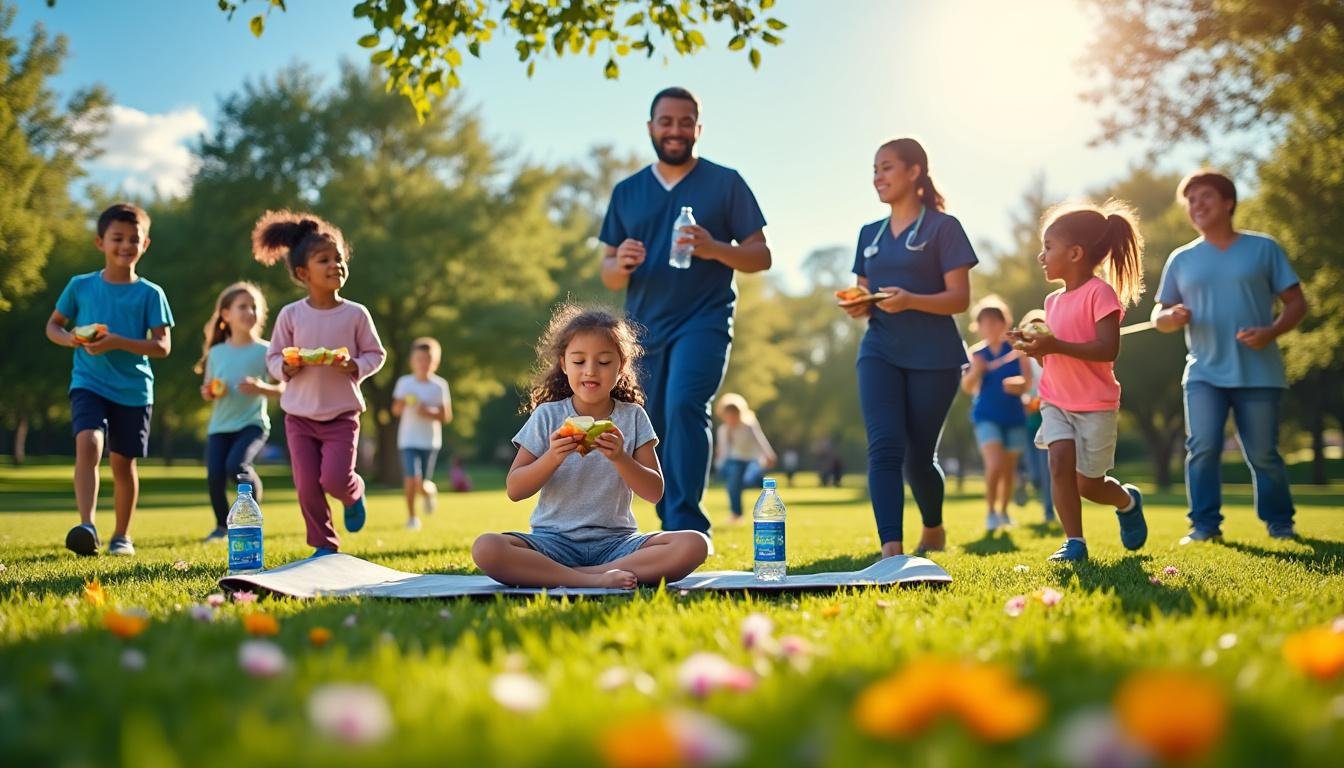
Fostering Habit Formation in Children: The Cornerstone of Pediatric Health
Establishing healthy habits in early childhood sets the stage for lifelong child health and wellness. The collaboration between RWJBH and DYF emphasizes the importance of guiding children towards behaviors that promote their overall well-being. In pediatrics, the focus has shifted from treating illnesses to proactive habit formation that nurtures resilience and vitality.
Habit formation in children is a dynamic process shaped by environment, parental influence, and educational support. When children adopt healthy routines early, such as balanced nutrition and consistent physical activity, they are less likely to develop chronic health issues later. For example, children who engage in daily physical exercise not only improve cardiovascular health but also benefit cognitively, showing enhanced concentration and mood regulation.
Key to effective behavior change is the understanding that children learn best through repetition and positive reinforcement. Studies show that it can take around 60 days or more for a habit to become automatic, highlighting the need for patience and consistency in parenting and caregiving approaches. The RWJBH & DYF collaboration encourages caregivers to model healthy habits themselves, recognizing that children often imitate adult behaviors.
To support this goal, educational programs have started integrating fun, age-appropriate activities that reinforce healthy habits. These include interactive games that encourage handwashing, tooth brushing, and balanced eating habits. A practical resource like healthy habits activities for kids provides valuable tools for families to actively participate in this developmental journey.
10 quick checks to spot low-quality supplements before you buy - plus research-backed doses for 12 common ingredients. Free PDF, no spam.
Moreover, pediatric health experts underline the connection between emotional wellness and habit formation. Teaching children mindfulness, self-regulation, and stress management is as crucial as physical health habits. RWJBH & DYF’s approach weaves emotional well-being into habit-building strategies, making holistic health attainable from a young age.
This foundational focus reveals how healthy habits form the basis for sustainable child health, reducing future healthcare costs and promoting societal wellness. The partnership between RWJBH and DYF ensures that children are equipped with knowledge, motivation, and environmental support to thrive in all aspects of health.

Nurturing Physical Wellness: Activities and Routines Essential for Children
Physical wellness is a pivotal pillar within the broader concept of healthy habits for children. The RWJBH and DYF alliance stresses the integration of regular physical activity within children’s daily routines. According to pediatric health guidelines, children should engage in at least 60 minutes of moderate to vigorous activity each day. This can range from structured sports to unstructured play — both equally valuable for promoting fitness and habit formation.
Physical activities for children extend beyond muscle and bone strength; they enhance cardiovascular endurance, improve sleep quality, and support mental health by releasing endorphins. An active child is more likely to display confidence, social skills, and academic readiness. For example, team sports teach cooperation and discipline, while individualized activities like biking or swimming promote self-motivation.
The collaboration between RWJBH and DYF highlights several methods to make physical activity a natural part of children’s lives. One effective strategy involves creating family-centered exercise routines, fostering shared wellness goals. Initiatives leveraging school-based programs bring physical education to the forefront, equipping children with habits that persist into adulthood.
Additionally, limiting sedentary screen time remains crucial. Excessive screen exposure has been linked with decreased physical activity and adverse effects on child health. Parents and caregivers are encouraged to balance screen use with outdoor play and interactive exercises. Resources such as guidance for parents on healthy child habits offer practical advice to navigate these challenges.
Practical examples abound: community events sponsored by RWJBH & DYF often feature sports clinics, dance sessions, and hiking groups designed to engage children in enjoyable motion. These opportunities reinforce that healthy living is not a chore but a rewarding lifestyle choice. Long-term, the goal is to cultivate positive associations with physical activity, turning it into a cherished habit within every child’s routine.
Nutrition and Eating Patterns: Developing Lifelong Healthy Habits
Nutrition forms a critical dimension of holistic child health and wellbeing. The collaborative efforts of RWJBH and DYF recognize that establishing balanced eating habits from early childhood significantly influences growth, cognitive development, and disease prevention. However, the challenge lies in shaping preferences and behaviors during years when children are most impressionable.
Children’s diets should comprise a variety of fruits, vegetables, whole grains, and lean proteins while limiting added sugars and saturated fats. Repeated exposure to healthy options alongside positive mealtime environments helps solidify preferences. For example, involving children in food preparation nurtures curiosity about nutritious dishes and encourages ownership over choices.
In pediatric health, routine patterns such as consistent meal and snack timing are as important as food quality. Structured eating moments provide stability and support appetite regulation. Parents are advised to avoid using food as a reward or punishment to prevent unhealthy emotional associations with eating habits.
To empower families, RWJBH & DYF promote educational campaigns paired with accessible resources. Utilizing materials like healthy habits for kids nutrition guides helps caregivers navigate meal planning with confidence. Practical tips include packing balanced lunches, choosing nutrient-dense snacks, and reading labels critically.
Furthermore, the initiative emphasizes the role of hydration, advocating for water as the primary beverage. Limiting sugary drinks is a public health priority due to their link with obesity and dental issues. Through sustained behavior change efforts, children develop an intrinsic appreciation of nourishing their bodies, setting the stage for lifelong wellness.

Emotional Well-being and Positive Behavior Change in Children
Psychological health is inseparably linked to physical health and habit formation in children. The partnership of RWJBH and DYF recognizes that fostering emotional wellness is a cornerstone for sustainable healthy habits. Emotional resilience enables children to cope with challenges, perform better academically, and maintain social connections.
Strategies to nurture emotional well-being focus on creating supportive environments where children feel safe and valued. Encouraging open communication and validating feelings enhances self-esteem and positive self-image. Parents and educators play vital roles by modeling calm problem-solving and reinforcing healthy coping mechanisms.
Behavior change theories adapted for pediatric care illustrate how small, consistent modifications in environment and responses lead to habit development. For instance, praise for trying new foods or engaging in physical activities promotes repeat behavior. Conversely, negative consequences do not foster lasting change but may hinder self-esteem.
Specific techniques like mindfulness exercises and stress management tools integrated into schools and families provide children with skills to regulate emotions effectively. RWJBH & DYF also emphasize collaboration with mental health professionals to address needs holistically.
Available resources, such as guidance on building wellness habits, offer practical advice on fostering emotional strength. This comprehensive approach ensures that behavioral changes are resilient and positively influence overall child health.
Practical Steps and Resources to Support Families in Building Healthy Child Habits
For families, integrating healthy habits into daily life can be overwhelming without structured support. The RWJBH & DYF collaboration provides tools and strategies to empower parents and caregivers in this critical task. Practical steps focus on creating achievable goals, consistency, and making wellness enjoyable.
One effective approach involves setting incremental targets, such as increasing vegetable intake by a serving per day or adding an extra 10 minutes of physical play. Celebrating small victories motivates children and reinforces behavior change. Communication remains central: discussing why habits matter helps children internalize values.
Parents benefit from access to evidence-based resources and communities to share experiences. Platforms like simple steps to create healthy habits outline actionable advice tailored to different developmental stages. Additionally, guides on good habits for kids offer diverse activities and checklists for daily routines.
The collaboration encourages multidisciplinary teamwork involving pediatricians, nutritionists, psychologists, and educators to provide comprehensive support. Regular wellness visits, as promoted by specialized programs for building healthy habits, ensure ongoing monitoring and timely intervention to sustain healthy trajectories.
Incorporating wellness into family culture fosters an environment where all members contribute to health goals. From cooking healthy meals together to shared physical activities, the heritage of wellness passes across generations. The RWJBH and DYF commitment champions these approaches as keys to nurturing thriving children.
How early should healthy habits be introduced to children?
Healthy habits should ideally be introduced in early childhood, as children’s brains and behaviors are highly adaptable during this time. Early habit formation encourages lifelong wellness and is supported by consistent modeling and encouragement from caregivers.
What role do parents play in children’s habit formation?
Parents and caregivers are primary role models and greatly influence children’s behavior. By demonstrating healthy eating, exercise, and emotional management, parents can positively shape their children’s healthy habits.
How can physical activity be made enjoyable for kids?
Engaging children in activities they find fun, such as dancing, playing games, or sports with friends and family, makes physical activity enjoyable. Variety and social interaction enhance motivation and adherence to daily exercise.
Why is emotional wellness important for building healthy habits in children?
Emotional wellness influences children’s ability to handle stress, interact socially, and maintain motivation. Children with strong emotional health are more likely to develop and sustain positive behaviors crucial for lifelong well-being.
What resources can families use to support healthy habits?
Families can use numerous resources including nutrition guides, activity plans, behavioral strategies, and community programs from sources like RWJBH & DYF, as well as trusted online platforms providing tailored guidance for parents and children.
10 quick checks to spot low-quality supplements before you buy - plus research-backed doses for 12 common ingredients. Free PDF, no spam.
