

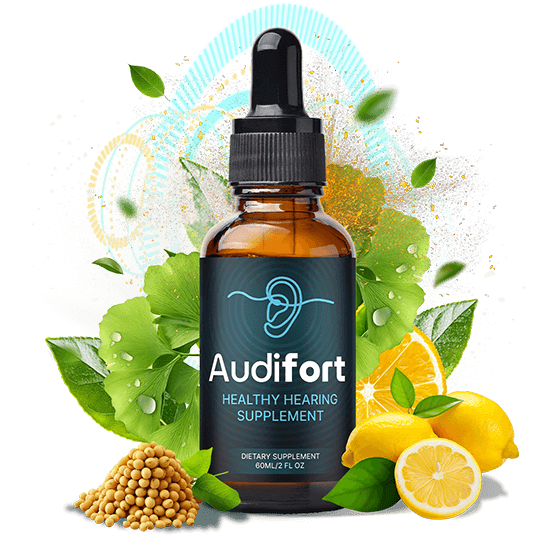
Audifort side effects: What to know before you try it
If you’re researching supplements marketed to support hearing and cognitive clarity, you may have come across Audifort. For our broader safety and value assessment, see the Audifort review for our safety assessment.
This page looks specifically at safety: reported and potential Audifort side effects, ingredient risks, and interactions with medicines and health conditions. All product benefits below are described as the maker markets them; these are not independent medical claims.
What is Audifort marketed as?
The maker markets Audifort as a natural liquid formula that supports hearing comfort and mental sharpness. The product page says it contains over 20 plant-based ingredients, is easy to swallow, and non-habit forming. It also notes a money-back guarantee for customers.
Key ingredients to be aware of
The sales information lists several ingredients commonly used in supplements. These include:
10 quick checks to spot low-quality supplements before you buy - plus research-backed doses for 12 common ingredients. Free PDF, no spam.
- Maca root
- Grape seed extract (antioxidants)
- Green tea extract
- Capsicum annuum (capsaicin-containing chilli)
- Gymnema sylvestre
- GABA (gamma‑aminobutyric acid)
Each of these is sold in dietary supplements for different reasons. While generally considered safe for many people when taken in usual amounts, they can cause side effects or interact with medicines in some cases.
Reported and plausible side effects
No peer-reviewed safety data from clinical trials for Audifort specifically is provided on the product page. However, based on the ingredients listed, possible side effects you might expect are:
- Gastrointestinal upset — nausea, stomach pain or diarrhoea can occur with green tea extracts, grape seed or capsaicin in some people.
- Headache, dizziness or drowsiness — GABA and some herbal extracts can cause light-headedness or sedation in susceptible individuals.
- Allergic reactions — any botanical ingredient can cause skin rashes, itching or, rarely, more serious allergic responses.
- Increased heart rate or jitteriness — stimulating herbal extracts may cause mild stimulation in some users.
Possible interactions with medicines and conditions
Always check with a healthcare professional before starting a supplement if you take prescription medicines or have health conditions. Possible interactions to be mindful of include:
- Anticoagulants/antiplatelet drugs — grape seed extract and some herbal constituents may alter clotting; if you take warfarin or similar, seek medical advice first.
- Blood pressure or heart medicines — stimulants or vasodilating herbs (eg, some green tea components) can affect blood pressure or heart rate.
- Diabetes medicines — Gymnema sylvestre is traditionally used to support blood sugar control and could theoretically affect blood glucose, so monitor levels closely if diabetic.
- Central nervous system depressants — if you take sedatives or sleep aids, combining these with calming ingredients such as GABA may increase drowsiness.
- Caffeine sensitivity — green tea extract contains caffeine and related compounds that may worsen anxiety or sleep problems in sensitive people.
Who should be cautious or avoid Audifort?
Consider avoiding or seeking medical advice before using Audifort if you:
- Are pregnant or breastfeeding (limited safety data on many herbal ingredients during pregnancy).
- Have a bleeding disorder or are on blood-thinning medication.
- Have unstable blood pressure, heart disease or take cardiac medications.
- Have diabetes and are on glucose‑lowering drugs.
- Are scheduled for surgery — many supplements can affect bleeding or anaesthesia.
Quality, labelling and practical safety steps
Because dietary supplements are regulated differently from medicines in the UK, you should look for clear labelling, an ingredients list, and contact details for the manufacturer or distributor. The Audifort page states the formula contains many natural extracts and mentions a money-back guarantee; it is good practice to:
- Check the full ingredient label for dosages and any excipients (hidden ingredients).
- Start with a low dose to assess tolerance, unless the label gives other guidance.
- Stop use and seek advice if you experience concerning symptoms (shortness of breath, severe rash, swelling, chest pain, fainting).
- Buy from reputable sellers and keep purchase records in case of adverse events or returns.
Adverse event reporting
If you think you have experienced a side effect from a supplement in the UK, you can report it to the MHRA via the Yellow Card scheme. Your healthcare team can also help you decide whether to stop the product and report the event.
Final thoughts
Audifort is marketed as a natural hearing-support formula containing several botanical extracts and GABA. While many people tolerate such ingredients well, they are not risk-free. Potential side effects mainly reflect the constituent herbs and compounds and their known interactions.
If you’re considering Audifort and take medicines or have ongoing health conditions, discuss it with your GP or pharmacist first. For the wider product safety and value review, see the Audifort review for our safety assessment.
Medical disclaimer: This article is for informational purposes and does not replace professional medical advice.
Related reading
- Audifort review: full verdict
- Audifort vs alternatives: How it compares to other hearing supplements
- Causes of age-related hearing loss and practical prevention tips
10 quick checks to spot low-quality supplements before you buy - plus research-backed doses for 12 common ingredients. Free PDF, no spam.
