

Detailed Overview of the Army’s Decision to Ground Helicopter Crews After Kid Rock Flyover Incident
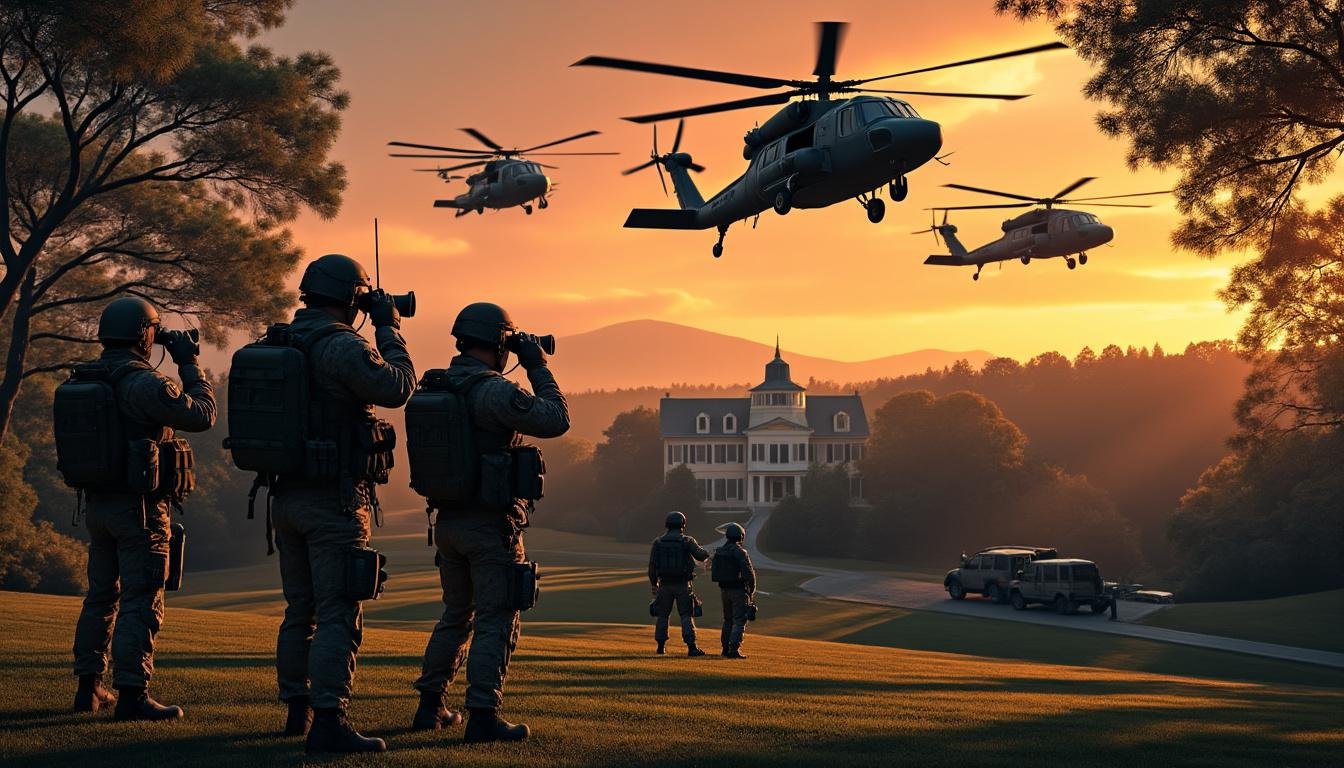
In a surprising development attracting national attention, the U.S. Army has grounded the flight crews involved in a mysterious helicopter flyover near the Nashville residence of MAGA musician Kid Rock. This action was taken while the Army conducts a thorough investigation into the circumstances of the flight. The incident involves two Apache attack helicopters affiliated with the 101st Combat Aviation Brigade based at Fort Campbell, known for its critical missions and rigorous standards.
Major Montrell Russell, an Army spokesperson, emphasized the seriousness of the situation, stating that the personnel involved have been suspended from flight duties pending a review of compliance with FAA regulations, aviation safety rules, and approval protocols. This cautious approach reflects the Army’s commitment to maintaining strict operational discipline and safety procedures.
The flyover gained significant public attention after Kid Rock himself shared a video on his X account (formerly Twitter) showing the helicopters operating at low altitude near his property. The footage notably captured one helicopter’s cockpit pointed directly toward the musician as he saluted beside his swimming pool. The scene quickly sparked debate among social media users, with many questioning whether military resources funded by taxpayers were appropriately utilized.
Understanding the gravity of allegations surrounding the use of government assets for what appeared to be a private or nonofficial purpose, the Army has stated its intent to hold any personnel accountable if there was any unauthorized activity linked to this mission. The exact details remain under wraps, as the review process is ongoing, and the Army spokesman declined to discuss specific findings.
This development offers an intriguing example of how public figures and military operations can intersect—and the scrutiny this can invite. It also highlights the critical need for transparency and adherence to federal aviation policies when conducting military flights in civilian areas.

The Operational Context Behind the Army Helicopter Flyover Near Kid Rock’s Nashville Residence
The Army’s official explanation for the mysterious flyover paints a picture of routine military training amidst a backdrop of heightened public curiosity. The two helicopters, affiliated with the 101st Airborne Division’s Combat Aviation Brigade, were reportedly carrying out a sanctioned training mission around the Nashville vicinity. This explanation distances the flights from any event-related activity, notably a large “No Kings” protest occurring in the city the same day.
A spokesperson for the 101st Airborne Division clarified that the helicopters’ flight path was approved at the General Officer level and encompassed appropriate briefings to ensure mission safety and legitimacy. This level of command approval suggests a formal and authorized training purpose rather than an ad hoc or personal flyover.
The proximity of the flight to Kid Rock’s estate, however, has generated speculation about whether the musician’s notoriety influenced the route or purpose. Kid Rock himself stated that he had communicated his friendly reception to local military pilots, hinting at a mutual understanding that his home is a “friendly spot” for flights of this nature. This relationship, while informal, introduces questions about the blending of personal and official military activities.
In a landscape where the use of military aircraft for public figures can rapidly become controversial, such interactions must be handled with utmost caution. The Army’s explicit denial of any connection between the flyover and political demonstrations underscores their intent to maintain operational impartiality.
The incident also raises the significance of ensuring aviation safety protocols are not compromised by social or political influences. In this respect, the Army’s rigorous investigation will likely set a precedent regarding the intersection of military training flights and private residences, especially those of politically visible individuals.
To learn more about ongoing comparisons of military flight operations, one can visit live helicopter flight status updates to observe real-time military air traffic, revealing how frequently such training missions occur across military installations nationwide.
Public and Political Reactions Surrounding the Helicopter Flyover Incident Involving Kid Rock
The video published by Kid Rock elicited a storm of reactions from diverse quarters—ranging from staunch supporters to vehement critics. Supporters, including various MAGA followers, praised the display of military respect and camaraderie, viewing the flyover as a symbolic gesture of patriotism. Kid Rock amplified this sentiment, sharply contrasting the military’s respect with criticism towards political adversaries like California Governor Gavin Newsom.
Conversely, critics expressed concern over the perceived misuse of taxpayer-funded military assets, arguing that the helicopters’ presence near a private celebrity residence was inappropriate. Some observers questioned whether the flight prioritized political allegiance over military necessity, a sensitive topic considering past controversies involving military aircraft in political contexts. For instance, during prior administrations, there were accusations of personal use of military helicopters for political events or high-profile gatherings.
This situation is an intersection of celebrity, politics, military protocol, and public trust — a potent mixture that heightens the stakes for all parties involved. The controversy underscored the public’s vigilance regarding how government resources are deployed, especially military hardware, which carries immense operational costs and symbolic weight.
Official responses have aimed to quell doubts by assuring the public of full transparency and accountability. Statements reiterated the Army’s dedication to safety, regulation compliance, and nonpartisan conduct in military affairs. Notably, the review underway could trigger procedural reforms or stricter internal policies surrounding flight approvals near sensitive or high-profile areas.
Adding depth to public perception, video and social media platforms like those described in news reports on the controversy have become arenas where public opinion is shaped and debated vigorously. This digital ecosystem amplifies scrutiny, often compelling institutions like the Army to respond swiftly with clarifications and investigations.
Aviation Safety and Regulatory Framework Governing Military Flights in Civilian Airspace
The flyover incident spotlights the complex aviation safety and regulatory framework that governs military flight operations over civilian areas. Military aviation must comply with Federal Aviation Administration (FAA) standards alongside internal Army aviation safety protocols. These layered regulations ensure that flights maintain public safety, avoid undue disturbance, and operate with the requisite authorizations.
Suspension of the crews pending investigation illustrates how seriously deviations from these standards are taken. The Army’s aviation branch regularly enforces compliance through a combination of routine checks, training, and formal investigations when anomalies are detected. Such procedures aim to minimize risks to people on the ground, safeguard pilots, and ensure operational integrity.
Military aircraft like Apache helicopters typically undertake training in designated zones to simulate combat readiness while limiting civilian exposure. Exceptions require high-level approvals, often involving coordination with the FAA and local air traffic control. The Army’s investigation will examine:
- Whether FAA regulations and flight clearances were fully obtained and adhered to.
- Confirmation that the flight route and altitude respected safety protocols.
- Compliance with internal military mission approval criteria, including the chain of command consent.
- Assessment of potential risks posed to civilians during the flyover, including noise and security concerns.
In 2026, military aviation safety standards continue evolving, integrating technological advancements like enhanced real-time tracking and automated risk assessment tools. These innovations aim to reduce human error and improve command oversight. Incidents like the Kid Rock flyover prompt re-examinations of these systems to close any operational gaps immediately.
This ongoing commitment to aviation safety is pivotal not only for military effectiveness but also for preserving public confidence when military flights intersect with civilian spaces. The incident thus serves as an important case study for future regulations concerning military aviation operations near private properties.
Broader Implications for Military Protocol and Celebrity Security in 2026
The Army’s grounding of helicopter crews involved in the mysterious flyover near Kid Rock’s residence brings to light broader questions about military protocol and celebrity security considerations in 2026. This situation highlights how military operations intersect with highly visible individuals and the sensitivities that come with it.
Military protocol traditionally guards against any appearance of favoritism or the improper use of assets in support of private interests. The scrutiny of this flyover underlines the challenge of maintaining operational impartiality across all levels. The investigation will establish if any deviations occurred and set possible disciplinary consequences where needed.
Moreover, celebrity homes present unique security challenges requiring careful balance. While some public figures have close military affiliations or explicit collaborations, any military presence near their residences must tread carefully to avoid crossing the line between official duty and private endorsement.
In this vein, emerging policies have begun focusing on:
- Clear guidelines for military aircrews regarding proximity to private property during training flights.
- Enhanced coordination protocols with celebrities or public figures when prior notification is given or appropriate.
- Strengthened rules to prevent unauthorized publicity stunts involving military assets.
- Emphasis on transparent communication channels between military leadership and local authorities to mitigate misunderstandings.
As military aviation in 2026 continues to be influenced by technological, political, and social factors, the evolution of these protocols remains vital. The Kid Rock incident could serve as a pivotal moment prompting updates to standard operating procedures and safeguarding the integrity of both military operations and celebrity security.
In a world of increasing media scrutiny and public awareness, the balance between operational necessity and public perception is more important than ever. The Army’s transparent approach in investigating the incident demonstrates its recognition of this responsibility.
Why did the Army suspend the helicopter crews after the Kid Rock flyover?
The Army suspended the crews to review whether the flight complied with FAA regulations, aviation safety protocols, and approval requirements. The suspension ensures that a thorough investigation can be conducted without interference or further risk.
Were the helicopters’ flights connected to any political protests in Nashville?
No, the Army clarified that the helicopters’ flyover was a training mission unrelated to the ‘No Kings’ protest that happened simultaneously in Nashville. The timing was coincidental.
Is it common for military aircraft to fly near private residences?
Military training flights occasionally occur near civilian areas under strictly controlled conditions, but any such flight near private residences requires high-level approval and must adhere to safety and regulatory standards to avoid unauthorized or unsafe operations.
What impact does this investigation have on future military flight operations?
The review will likely influence stronger enforcement of protocols, ensure transparency, and potentially update regulations around flight paths near private and sensitive locations to prevent similar controversies.
How did Kid Rock react to the helicopter flyover?
Kid Rock welcomed the flyover, expressing that military pilots see his residence as a friendly spot. He posted videos praising the pilots and used the moment to criticize political adversaries, highlighting his support for the military’s respect.
