

Embracing Self-Isolation for a Transformative Fitness Journey
In 2026, Skip Boyce, a 49-year-old from St George, Utah, made a bold and unconventional decision to confine himself to his bedroom for an entire year. This self-imposed confined environment is tailored to foster his weight loss and cultivate healthy habits. Unlike the typical approach of joining a gym or seeking medication, Skip’s strategy centers on isolating from everyday distractions to zero in on personal growth and wellness. This radical move is particularly designed to break the cycle of stagnation he experienced after quitting a physically intensive oilfield career that once defined his identity.
Skip’s decision is deeply rooted in confronting his mental health struggles and physical challenges at a pivotal age. Weighing 315 pounds, his goal is to achieve a sustainable transformation to 205 pounds within this confinement. More than shedding weight, he aims to establish and maintain fitness routines and dietary changes that can outlast this yearlong experiment. The severity of his mental health and motivation hurdles are mirrored in many who suffer the isolative effects of depression and anxiety, which research shows can perpetuate a debilitating feedback loop.
What sets Skip’s journey apart is the crucial role of his spouse’s support. His wife, fully embracing the plan, has rearranged their home and even moved into a spare room to allow Skip his dedicated space. Her encouragement and practical assistance exemplify how spousal support can dramatically strengthen one’s ability to endure and succeed in significant lifestyle changes, especially during prolonged self-isolation. Such a network of loving reassurance is essential as studies highlight that isolation can exacerbate feelings of loneliness and mental distress when not balanced with connection and support.
Skip’s setup is comprehensive: an “isolation room” equipped with exercise gear, cooking facilities, and live-streaming technology to share progress and maintain accountability. This transparent approach not only documents his quest but invites a supportive community, helping combat the potential adverse effects of social detachment. His dedication echoes contemporary findings from mental health resources emphasizing how carefully managed self-isolation can propel meaningful fitness journeys and mental fortitude if combined with intentional connectivity.
Overall, Skip’s trial embodies a complex relationship between solitude and transformation—highlighting how deliberate confinement, coupled with reliable emotional backing, might be an alternative pathway for adults prioritizing comprehensive health improvements beyond typical fitness routines.
The Psychological Landscape of Confinement and Spousal Support in Weight Loss
Isolation is a double-edged sword. On one hand, it can provide the calm necessary to concentrate on healthy habits, weight reduction, and self-improvement. On the other, prolonged solitude may lead to increased feelings of loneliness, anxiety, or depression. These dynamics were vividly illustrated in Skip’s case as he transitioned from a bustling oilfield lifestyle to a year of secluded self-work. His mental health struggles—common in those experiencing significant life changes—required deliberate management as he embarked on this radical transformation.
Effective isolation like Skip’s relies heavily on the buffering effects of spousal support. His wife not only offered emotional encouragement but also adapted their living environment to support his needs. They established daily communication routines ensuring connectedness despite physical separation. This kind of partnership can be essential in overcoming the psychological barriers associated with self-isolation. By sharing his progress openly through livestreams and social media, Skip fortified a sense of community, reducing risk factors linked with loneliness, a major cause of worsening mental health, as detailed in a comprehensive analysis of isolation and mental health.
The mental aspect of Skip’s transformation goes beyond mere motivation—it involves remodeling his relationship with self and embedding lasting personal growth. Incorporating guided fitness and diet plans, Skip ensured his changes were grounded in science and sustainability. His approach aligns with therapeutic perspectives emphasizing that isolating oneself isn’t necessarily damaging if it includes manageable social contacts and spousal encouragement, which mitigate the risks and foster resilience, as described in a thoughtful review from Dr. Karen’s insights.
Of particular note is Skip’s resolve to avoid “yo-yo” effects that plague many weight loss stories. Instead, he tackles mental endurance alongside physical change, aiming to build a holistic improvement that includes language learning, memory boosting exercises, and strength development — goals achievable through focused solitude yet sustained through emotional alliances. This intersection of intense focus with supportive touchpoints serves as a model for balancing isolation’s challenges with achievable wellness strategies.
Designing a Year-Long Isolation Setup to Optimize Health and Productivity
The physical environment Skip curated plays a pivotal role in the effectiveness of his confinement. Repurposing the marital bedroom into an all-in-one living space, this “isolation room” is equipped with essentials and strategic tools to facilitate fitness journey, diet changes, and consistent daily routines.
Skip’s room features include:
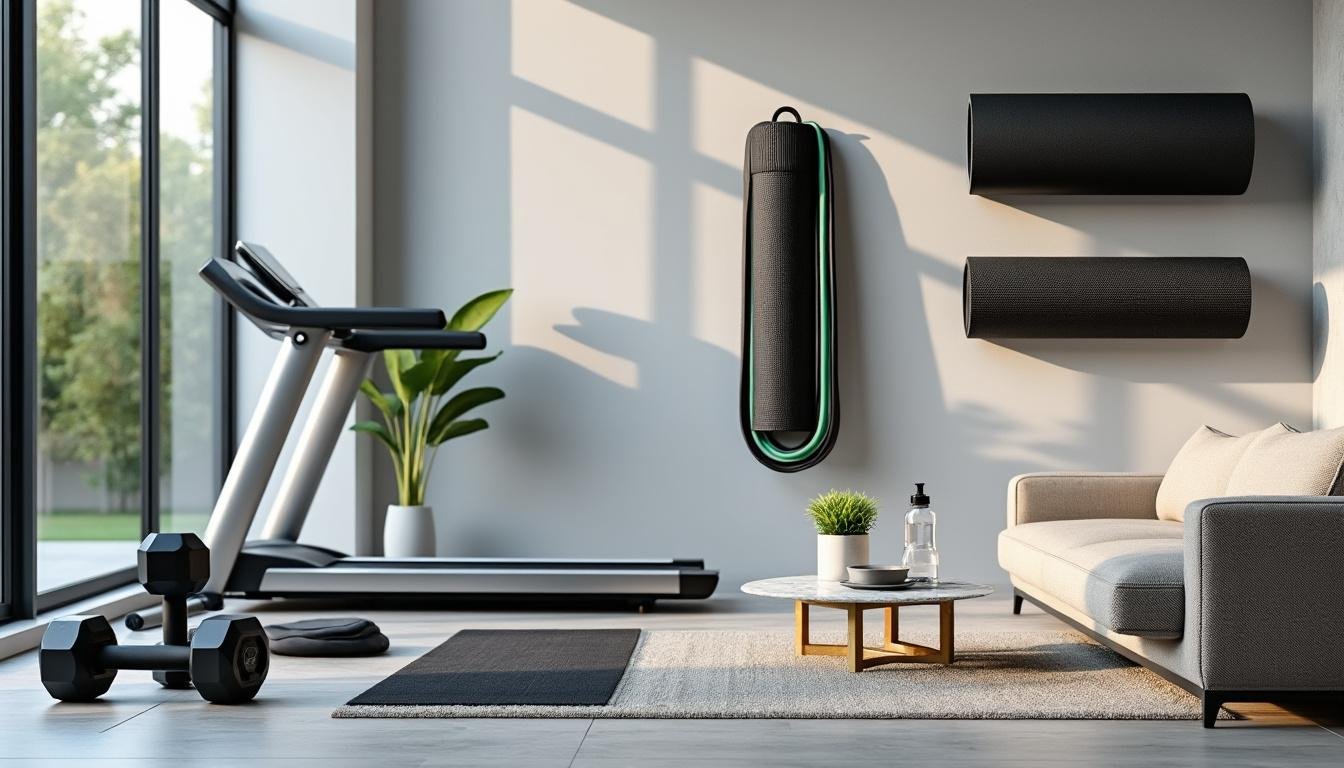
- A dedicated workout section with weights, resistance bands, and a walking pad, enabling varied and adaptable exercise routines.
- A compact food preparation area containing an electric griddle, rice cooker, and toaster oven—all designed for crafting balanced, lean meals aligning with his diet plan.
- A comfortable sleeping and work area optimized for rest and productivity, establishing a habit-based foundation critical to long-term success.
- High-quality streaming and recording equipment to document his progress live on YouTube, combining self-accountability and public engagement.
Each element of this setup is intentionally selected to reduce distractions and bolster focus. The minimalist nature of his space encourages him to direct energy towards achieving a spectrum of objectives simultaneously, including physical fitness, mental exercises like language acquisition, and memory improvement. This precise configuration embodies the theory that environmental control can significantly enhance the development and adherence to new, healthy habits.
Skip’s conditioning echoes findings from behavioral science emphasizing the power of structured surroundings in facilitating change. Isolating without a productive environment can negatively impact mental health, but strategically designed spaces can enhance wellness and support motivation, supporting the perspectives shared by researchers investigating self-isolation benefits and risks. Additionally, having a proximate support system—his wife just outside his door—adds a safety net crucial for sustained engagement.
This homegrown ecosystem exemplifies how combining physical, emotional, and technological resources supports holistic personal development, with isolation not as a punishment but as an intentional tool for focused transformation.
Nutrition and Exercise Synergy in a Confined Lifestyle for Weight Loss
Central to Skip’s ambitious plan is his adherence to a carefully monitored diet and exercise regimen. The synchronicity of these two pillars is what underpins effective and lasting weight loss and health improvements during prolonged confinement.
Skip’s dietary approach principally involves consuming lean meats and rice, optimized to provide necessary calories and nutrients while supporting fat reduction. Using simple cooking tools like a rice cooker and griddle in his isolation room, he maintains control over meal preparation and quality. These diet changes, customized by a local personal trainer, focus on eliminating processed foods, sugar excess, and empty calories—well-established factors that undermine slimming efforts. Such controlled nutrition aligns with contemporary recommendations for sustained metabolic health and energy balance.
Complementing his diet, Skip’s physical activity ranges from walking on a treadmill-like walking pad to resistance training with bands and weights. His regimen is crafted not only to burn fat but to build muscle, improving strength and metabolic function. Importantly, his trainer developed this plan to last the full twelve months, recognizing that short-term fixes often falter once normal life resumes. This long-term perspective reflects evolving best practices in fitness training that prioritize gradual, manageable progress tied to lifestyle integration rather than rapid, unsustainable loss.
Beyond the physiological, maintaining consistent fitness journey activities within isolation also bolsters mood, reduces anxiety, and helps avoid the mental pitfalls some experience during self-isolation. Keeping active indoors mitigates the sedentary risks linked with confinement, further aiding mental well-being as research highlighted by mental health experts suggests.
Skip’s combined focus on nutrition and physical activity embodies a practical blueprint for anyone seeking transformative changes during extended isolation periods, underscoring the necessity of balance and tailored planning.
Overcoming Mental Health Challenges Through Isolation and Support Systems
While Skip’s year of isolation aims to rewrite his physical story, it concurrently addresses deep-rooted mental health challenges. His struggles with depression, loss of purpose post-career, and motivation dips are common yet significant hurdles that add complexity to his physical goals. Understanding this intersection is vital to appreciating the comprehensive nature of his quest.
Self-isolation can sometimes worsen psychological symptoms if not carefully managed, but with the right safeguards, it also offers channeling for healing and reflection. Skip’s strategy includes regularly updating his followers on YouTube and Instagram, creating an interactive outlet that extends his social connection beyond the physical walls. This blend of solitude and virtual engagement helps bridge the gap identified by mental health specialists studying isolation causes and effects.
His wife’s role as a bedside support—checking in daily yet respecting his space—exemplifies how spousal encouragement can diminish the negative effects of loneliness and reinforce resilience. They agreed on an emergency termination plan if either struggles overly with the experiment, emphasizing mutual care and realistic boundaries. This dynamic reflects expert opinions advocating that true personal growth and wellness emerge not from isolation alone but through balanced social connectivity, as emphasized in coverage by mental health advocacy groups.
Skip’s journey poignantly demonstrates how confronting mental health openly, supported by loved ones and community, can enhance not only emotional stability but also the physical endurance needed to sustain profound lifestyle changes. His story underlines that while confinement is a tool, it is human connection that enriches its value and ensures durability beyond the closed door.
Is long-term self-isolation safe for mental health?
Long-term self-isolation can pose risks to mental health, including loneliness and depression. However, with a solid support system and active social engagement through virtual means, it can be managed effectively, as seen in strategies that promote wellness during isolation.
How important is spousal support in achieving weight loss goals?
Spousal support plays a crucial role by providing emotional encouragement, accountability, and practical help, which significantly enhances the sustainability of weight loss and healthy habit formation during challenging lifestyle changes.
Can mental health improve alongside physical fitness in isolation?
Yes, structured physical activity combined with intentional mental health practices and strong social connections can improve overall well-being during isolation periods, preventing negative effects of solitude and fostering growth.
What are some effective strategies to maintain healthy habits in confinement?
Creating a structured environment, planning balanced diets, consistent exercise, and maintaining social connections through communication or virtual platforms are essential strategies that drive sustained healthy habits during confinement.
How can livestreaming help during a personal fitness journey?
Livestreaming allows individuals to maintain accountability, engage with a broader community for motivation, and share progress transparently, which helps reduce feelings of isolation and reinforces commitment to health goals.
