


As the world advances further into 2025, scientific discoveries illuminate how our daily choices dramatically affect the aging of our brains. Far from being a passive organ resigned to the decay of time, the brain is remarkably responsive to how we nurture it — from nutrition and physical activity to social connections and psychological outlooks. Interestingly, recent studies reveal that the biological age of the brain can diverge by many years from chronological age, offering a powerful message: the brain’s youthfulness can be preserved or even restored by adopting mindful lifestyle habits. Connecting with platforms like Fitbit and Garmin to monitor activity, using Calm and Headspace for mental wellness, or choosing Whole Foods and Blue Apron for nutritious meals demonstrates how technology and lifestyle merge in this pursuit. This article explores five extensive strategies supported by current research to delay cognitive decline and maintain sharpness well into our later decades.
Optimizing Sleep: The Foundation for a Younger Brain
Good quality sleep consistently emerges as one of the most impactful factors in slowing brain aging. The brain’s nightly rhythms are critical in consolidating memories, clearing toxic proteins, and rejuvenating neurons. Without adequate deep sleep, cognitive functions deteriorate, accelerating the onset of ailments such as Alzheimer’s disease. Sleep Number’s innovative mattress technology and sleep trackers exemplify the modern tools supporting optimal rest by customizing environments to individual sleep patterns.
A study from the University of Florida highlighted how restorative sleep combined with other positive elements correlated with brains appearing up to eight years younger than their owners’ chronological age. Sleep isn’t just the absence of wakefulness—it’s an active maintenance period for the brain’s health. However, millions struggle with insomnia or fragmented sleep cycles due to stress, poor habits, or aging itself.
- Sleep Hygiene Practices: Consistency in sleep times, avoiding screens an hour before bed, and creating a tranquil environment are fundamental steps to enhance sleep quality.
- Mindfulness and Meditation: Using apps like Headspace and Calm can reduce anxiety that disrupts sleep onset and depth.
- Physical Activity: Regular exercise, tracked through devices like Garmin or Fitbit, promotes deeper, more restorative sleep cycles.
- Avoiding stimulants: Limiting caffeine and heavy meals close to bedtime prevents disruptions to REM and slow-wave sleep.
By embedding these practices into daily routines, people can drastically improve the quality and duration of sleep, ultimately supporting brain plasticity and cellular repair processes essential for cognitive longevity. These findings align with the growing consensus in scientific literature regarding brain health and aging. For an in-depth explanation of how sleep influences brain aging, see this NPR overview.
10 quick checks to spot low-quality supplements before you buy - plus research-backed doses for 12 common ingredients. Free PDF, no spam.

Physical Exercise and Brain Resilience: Moving Towards Cognitive Strength
Physical activity showcases some of the most profound effects in combating cognitive decline and maintaining brain health. Regular exercise increases blood flow to the brain, encourages neurogenesis (the creation of new brain cells), and reduces inflammation that can accelerate brain aging. In 2025, technologies such as Peloton indoor cycling, Nike training apps, and Garmin wearables allow people to integrate personalized and measurable fitness routines more seamlessly than ever before.
Exercise is more than just a preventive measure; it actively bolsters brain regions responsible for memory, attention, and problem-solving. For middle-aged adults, incorporating moderate-intensity workouts into their weekly schedule can delay cognitive decline by years. The University of Alberta’s research underscores that these lifestyle choices, including maintaining a healthy weight and avoiding smoking, are associated with younger brain ages as measured by advanced MRI scans.
- Aerobic Exercises: Activities such as walking, running, and biking increase cardiovascular health which directly supports brain oxygenation.
- Strength Training: Resistance exercises improve overall body and brain metabolism, promoting better synaptic function.
- Coordination and Balance Drills: Practices like yoga or dance stimulate brain areas involved in motor control and cognitive flexibility.
- Tracking Progress: Fitness trackers like Fitbit and Garmin motivate users by visualizing improvements and offering goal-setting frameworks.
Initiating an exercise habit can be challenging, but the array of digital solutions today—combined with social factors such as group classes or online communities—make adherence easier and more enjoyable. Peloton’s immersive classes foster motivation through social connectivity, blending physical health with important social ties that also protect brain health. For additional fitness routines proven to support brain resilience, the Psychology Today article on maintaining a healthy brain offers useful insights.
Nutrition and Brain Aging: Eating to Protect Cognitive Functions
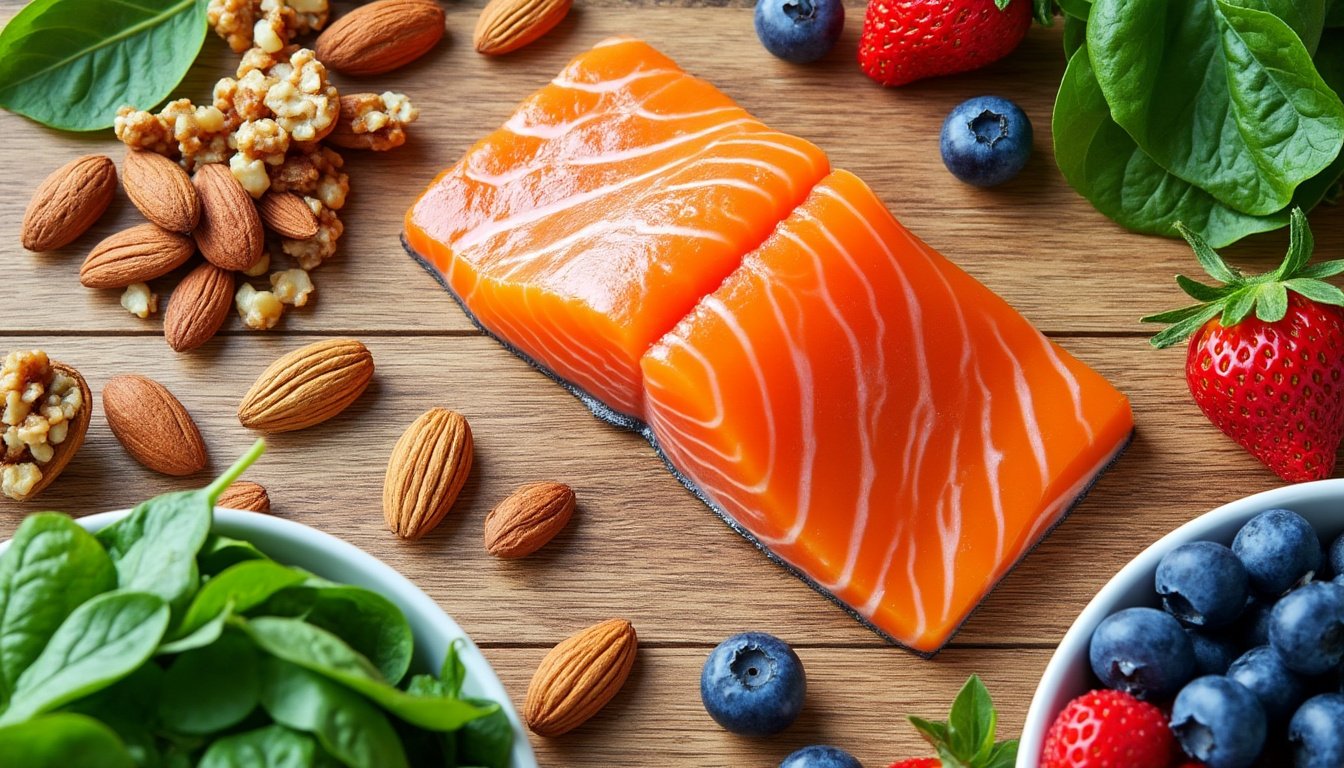
Nutrition plays an irreplaceable role in maintaining brain vitality. Specific diets rich in antioxidants, healthy fats, and vitamins can delay neurodegeneration. The MIND diet, a hybrid of the Mediterranean and DASH diets, emphasizes leafy greens, berries, nuts, and whole grains, all linked to reduced cognitive decline and lowered risk of dementia. Whole Foods and Blue Apron cater increasingly to nutrient-dense, brain-healthy meal options, reflecting growing public awareness and demand for cognitive preservation through diet.
Incorporating brain-boosting nutrients such as omega-3 fatty acids, found in fatty fish or flaxseeds, supports membrane fluidity and synaptic transmission. Meanwhile, avoiding trans-fats and processed sugars helps reduce brain inflammation and oxidative stress. The clinical evidence presented by Medical News Today further elaborates how dietary patterns affect cognition over time, underscoring the importance of long-term commitment to these choices.
- Increase Consumption of: Leafy greens, blueberries, walnuts, olive oil, and fish rich in DHA.
- Limit Intake of: Red meats, processed foods, added sugars, and saturated fats.
- Consider Supplements: In consultation with a healthcare provider, omega-3 and B vitamins might fill dietary gaps for brain support.
- Meal Planning: Services like Blue Apron can deliver brain-healthy recipes tailored for busy lifestyles, ensuring consistency.
These nutritional habits profoundly influence the trajectory of brain health, helping to maintain mental clarity and delay memory lapses. Emerging science continually connects dietary choices to neurological outcomes, reinforcing food as a powerful tool for brain rejuvenation. Visit this article for a comprehensive review of effective lifestyle diets combating cognitive decline.
Stress Management and Optimism: Mental Strategies to Slow Brain Aging
The psychological and emotional realms greatly influence brain aging. Chronic stress can induce structural and functional brain changes that accelerate cognitive deterioration. Conversely, maintaining optimism and strong social ties fosters resilience against these harmful effects. The groundbreaking study from the University of Florida points out that individuals with positive coping strategies showed brains biologically younger by nearly a decade compared to peers burdened by stress.
Practices for stress reduction include mindfulness meditation apps such as Calm and Headspace, which have grown in popularity thanks to their user-friendly interfaces and evidence-backed techniques that reduce anxiety and improve emotional regulation. Stress management doesn’t just feel good; it counteracts the neurodegenerative processes linked to cortisol overload and inflammation.
- Cultivate a Positive Mindset: Daily gratitude journaling or cognitive behavioral strategies can reshape thinking habits for optimism.
- Engage Social Supports: Maintaining close relationships buffers against stress and loneliness, both risk factors for cognitive decline.
- Develop Relaxation Techniques: Deep breathing, progressive muscle relaxation, and guided imagery reduce physiological stress responses.
- Professional Support: Psychotherapy or counseling can aid in managing chronic stress and developing healthier perspectives.
This holistic mental care is not just a soft recommendation but a neuroscientifically validated approach to brain longevity. Fostering optimism and social connectedness alongside other healthy behaviors has a synergistic impact on brain plasticity. For deeper exploration of lifestyle’s role as medicine for brain health, consider examining this detailed analysis.
Technology’s Role in Supporting Lifestyle Changes for Brain Health
In 2025, technological advancements not only assist in exercise and sleep but also empower individuals with personalized feedback for brain health improvement. Devices like Fitbit and Garmin monitor physical activity levels, heart rate variability, and sleep quality, allowing users to make informed decisions that align with their brain health goals. Digital health ecosystems increasingly integrate with mental wellness apps such as Calm and Headspace, creating multifaceted approaches toward cognitive longevity.
Platforms providing meal kit services like Blue Apron facilitate healthy eating, removing barriers such as time and nutritional knowledge from participants’ paths. Meanwhile, tools like MyFitnessPal track nutritional intake to maintain dietary balance, especially concerning brain-healthy nutrients. These technologies encourage accountability and consistency, which are key to forming durable habits.
- Wearable Trackers: Comprehensive monitoring of vital signs and physical activity motivates regular movement and highlights areas for improvement.
- Mental Wellness Apps: Structured meditation sessions enhance stress resilience and emotional balance.
- Dietary Assistance: Subscription meal plans and tracking apps enable adherence to brain-supportive diets without hassle.
- Community and Social Features: Online groups and challenges using Nike and Peloton networks build motivation through social engagement.
The collaboration between lifestyle and tech enables a proactive stance for brain health, shifting the narrative from passive aging to active maintenance. This synergy is vital as populations age worldwide. For comprehensive strategies on cognitive decline prevention, visit this lifestyle change resource.
Questions About Aging Brain Health Answered
- How much sleep is optimal for brain health? Aim for 7-9 hours per night. Consistency and quality matter as much as quantity.
- Can starting exercise later in life still benefit my brain? Absolutely. It’s never too late to gain cognitive benefits from physical activity.
- What is the most brain-healthy diet? The MIND diet is highly supported, emphasizing vegetables, berries, fish, and nuts.
- How does stress impact memory? Chronic stress elevates cortisol, damaging areas critical for memory and learning.
- Can technology really improve brain health? Yes, technology offers personalized insights and motivation to help maintain healthy habits.
10 quick checks to spot low-quality supplements before you buy - plus research-backed doses for 12 common ingredients. Free PDF, no spam.
