
Close Menu
    Follow us on Google News
    Follow Livewell Magazine on Google News
    Facebook X (Twitter) Instagram
    LiveWell Magazine
    Facebook
    Follow LiveWell Magazine on Google News
    • Cancer

      What are the key actions you should take following a mesothelioma diagnosis?

      June 19, 2026

      The “Silent Killer”: 2 Hidden Signs of Pancreatic Cancer You Can Spot Years in Advance

      April 20, 2026

      Barry Manilow Opens Up About Embracing Healthier Lifestyle Choices During His Cancer Battle

      April 8, 2026

      Healthy Dad’s Unexpected Cancer Diagnosis Revealed After Ignoring Nighttime Bathroom Trips: ‘A Heartbreaking Surprise’

      February 22, 2026

      BREAKING NEWS: Gene therapy for sickle cell disease: a medical breakthrough still out of reach for many

      December 29, 2025
    • Fitness

      Unveiling the Science Behind Why Exercise Feels Tough for Many: Insights and Solutions

      June 27, 2026

      How can you revitalize your cardiovascular health with 8 engaging cardio tips for the reluctant fitness enthusiast?

      June 26, 2026

      Easy Habits to Make Your Workouts Feel Effortless

      June 25, 2026

      What are the top 5 strategies to walk faster and torch more calories?

      June 24, 2026

      Which workout reigns supreme in the ultimate fitness challenge?

      June 15, 2026
    • Health

      How to choose a supplement for dizziness and balance problems

      July 10, 2026

      How vestibular supplements work: Science behind balance and dizziness relief

      July 10, 2026

      Causes of vertigo: Common triggers and when to see a doctor

      July 10, 2026

      How to choose a joint supplement: Evidence-based checklist for better mobility

      July 10, 2026

      How collagen, glucosamine and turmeric work to support mobility

      July 10, 2026
    • Lifestyle

      How Daily Walks Unexpectedly Influence Your Appetite: Insights from Experts

      July 24, 2026

      Daily Rituals to Boost Hair Strength and Health

      July 21, 2026

      Building Healthy Habits in the First 30 Days of School: Setting Kids Up for Long-Term Success

      July 20, 2026

      The Key Habits I Embrace at 56 to Stay Strong and Vibrant into My 80s

      July 19, 2026

      Evening Habits Backed by Experts to Naturally Reduce Your Blood Pressure

      July 18, 2026
    • Nutrition

      Top 7 Heart-Friendly Foods to Enjoy This July, Recommended by Expert Dietitians

      July 20, 2026

      Expert-Recommended Food Combinations That Boost Nutrient Absorption

      July 14, 2026

      Top 10 Most Beneficial Teas to Sip, Backed by Nutrition Experts

      July 12, 2026

      Daily Avocado Toast: What Registered Experts Reveal About Its Impact on Your Health

      July 8, 2026

      The Ideal After-Dinner Drink for Managing High Cholesterol

      July 6, 2026
    • Senior

      Doctors Reveal the Key Mindset Shift That Boosts Health After 65

      July 6, 2026

      How is the rise of telehealth benefiting senior citizens?

      June 4, 2026

      What are the essential approaches for promoting high-quality senior care and independence?

      May 6, 2026

      Nurturing Your Gut After 50: 7 Essential Habits for Lasting Digestive Wellness

      April 3, 2026

      Nourishing Your Golden Years: 10 Essential Nutrition Habits to Promote Healthy Aging and Maintain Independence After 60

      March 27, 2026
    • Trends

      Why is Zhiyin Zhou advocating for a human-centered approach in AI healthcare evolution?

      June 25, 2026

      What are the innovative approaches to autism therapy by psychologist Valeriia Manchuk?

      June 15, 2026

      What are the innovative techniques in permanent makeup for aesthetic and restorative purposes?

      June 2, 2026

      How could the 7 surprising travel trends of 2026 disrupt your wellness plans and how can you navigate them?

      April 15, 2026

      Which innovative skincare trends will shape the industry in 2026 according to Uliana-Sofiia Savchenko?

      April 6, 2026
    • Wellness

      Glow Up Like a Hip-Hop Star: Essential Skin Care Habits for Radiant, Celebrity-Style Skin

      July 23, 2026

      Dr. Oz Shares 3 Simple, Medication-Free Strategies to Enhance Your Health for Free

      July 12, 2026

      How will new European taxes to combat overtourism affect your travel wellness?

      June 26, 2026

      How could the travel advisory for Nepal amid political turmoil affect your travel wellness?

      June 25, 2026

      How will American Airlines’ new luxury experience impact your travel wellness?

      June 23, 2026
    Subscribe
    LiveWell Magazine
    Home»Cancer»Gene editing vs. tumors: CRISPR takes on solid cancers in new human trials
    Cancer

    Gene editing vs. tumors: CRISPR takes on solid cancers in new human trials

    Amelie GoujonBy Amelie GoujonNo Comments
    Facebook Twitter Email WhatsApp Pinterest LinkedIn Reddit Telegram Threads
    Share
    Facebook Twitter LinkedIn Email Reddit Telegram WhatsApp Threads

    For decades, scientists have dreamed of precisely rewriting human DNA to correct or destroy disease at its source. With the rise of CRISPR technology, that dream is inching closer to reality. In a groundbreaking wave of new clinical trials, researchers are now deploying CRISPR gene editing to tackle one of medicine’s most stubborn challenges: solid tumors. These trials could mark a major turning point in the fight against cancer — one where gene-editing tools don’t just treat the disease, but reprogram the body to defeat it from within.

    What makes this moment so significant is the convergence of multiple innovations. We are not only improving the precision and efficiency of gene editing, but we are also integrating it into more sophisticated immunotherapy strategies. As a physician, molecular researcher, and oncologist, I can say that we are standing at the threshold of a transformative era in cancer treatment. But the path ahead is complex, and not without risks.

    How CRISPR works — and why it matters for cancer

    CRISPR (Clustered Regularly Interspaced Short Palindromic Repeats) is a technology derived from bacterial defense systems that can be programmed to cut and modify specific segments of DNA. Since its adaptation for human gene editing, CRISPR has been used in laboratory settings to alter genes responsible for disease, regulate gene expression, and study complex biological processes.

    In oncology, CRISPR offers a powerful new mechanism to enhance immune cell function, disable cancer-friendly genes, and make tumors more visible to the immune system. Previous studies primarily focused on blood cancers like leukemia, where CRISPR-edited T-cells could be more easily infused and tracked. Solid tumors — such as those in the lungs, liver, pancreas, and brain — pose a much tougher challenge due to their physical structure, immune resistance, and microenvironmental complexity.

    Related Article :  Cervical cancer screening is becoming easier — and why that matters for long-term health

    Inside the new clinical trials

    In the current generation of human trials, researchers are targeting cancers like non-small cell lung carcinoma, melanoma, sarcoma, and colorectal cancer. These trials use CRISPR to genetically modify immune cells — usually T-cells or natural killer (NK) cells — to better recognize and destroy tumor cells. Some approaches involve knocking out specific genes that inhibit immune response, while others introduce new genes to enhance tumor targeting.

    For example, one clinical trial at the University of Pennsylvania is editing three genes in T-cells to improve their cancer-fighting potential. The T-cells are removed from the patient’s body, edited in the lab, expanded in number, and then reinfused. The goal is to create a highly targeted immune response capable of overcoming tumor defenses without causing systemic harm.

    Why solid tumors are harder to treat
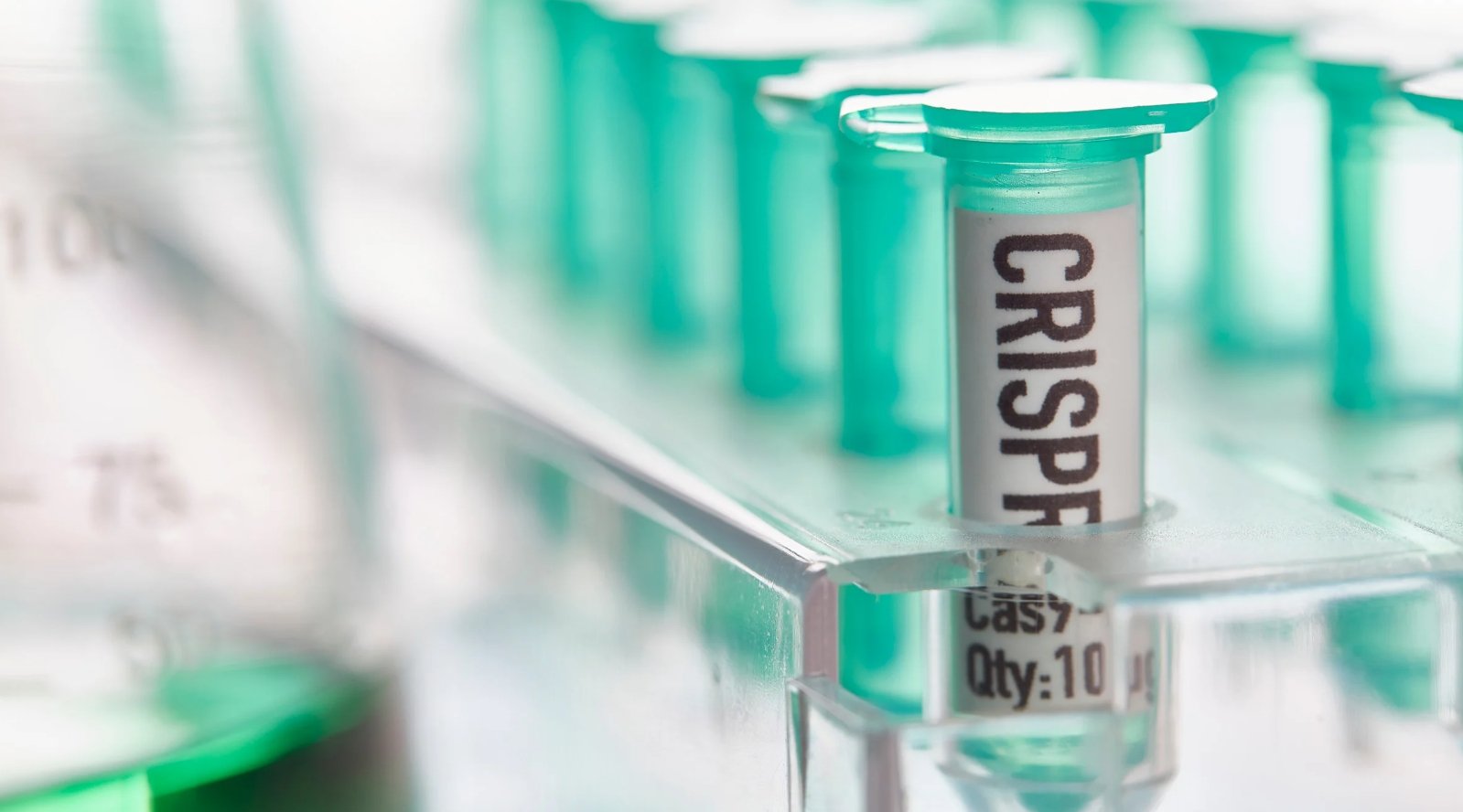
    Unlike blood cancers, solid tumors create a hostile environment that actively suppresses immune activity. They often build protective barriers, express immune checkpoint proteins, and release chemical signals that attract suppressor cells. This makes it incredibly difficult for standard immunotherapies to reach and sustain an attack on the tumor core.

    CRISPR offers a solution by allowing scientists to edit immune cells so they can better survive in these conditions. Some experimental therapies are even combining CRISPR with CAR-T technology, creating a sort of “supercharged” T-cell capable of infiltrating and persisting in solid tumors. Others are exploring in vivo CRISPR delivery, where gene editing happens directly inside the body — though that approach remains in early stages due to safety concerns.

    Related Article :  Why cancer is making a huge comeback (and what it means for your health)

    Ethical and technical challenges

    While these trials hold extraordinary promise, they also raise serious questions. Gene editing, especially in the human body, carries inherent risks — including off-target effects, immune overreaction, and the possibility of unintended genetic changes. Regulatory agencies are closely watching these studies, requiring extensive safety monitoring and strict protocols.

    There are also ethical dilemmas tied to gene editing in human subjects. Although these trials are somatic — meaning the changes are not heritable — they still involve permanent alterations to living human cells. Ensuring informed consent, equitable access to treatment, and transparency about outcomes is critical. Moreover, the cost and complexity of CRISPR-based therapies may limit who can benefit from them, at least in the early stages.

    The road ahead for gene-edited cancer therapy
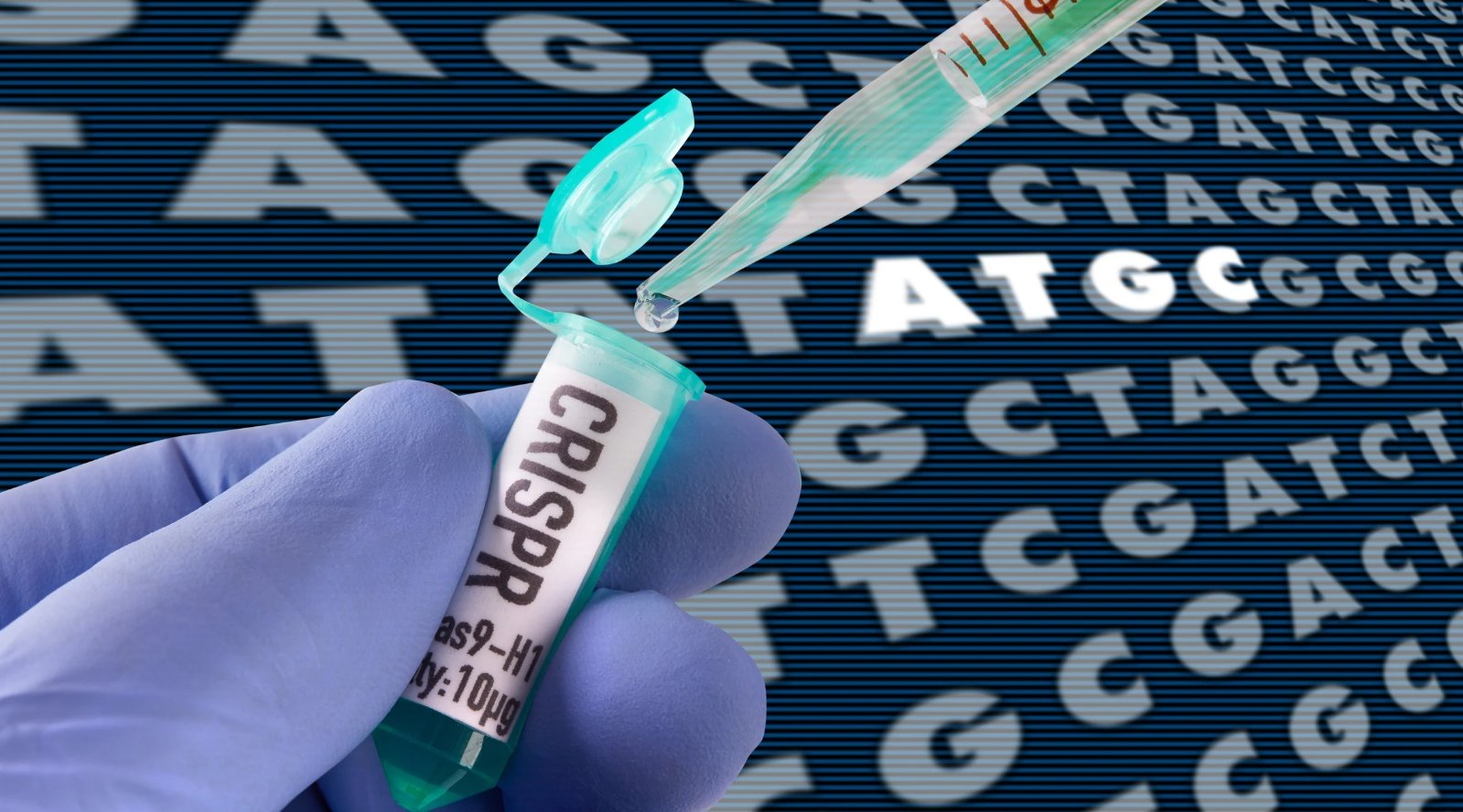
    The early results from CRISPR-based trials in solid tumors are encouraging, but we are still in the proof-of-concept phase. Large-scale studies are needed to validate the long-term safety and efficacy of these therapies. It will also be crucial to understand how different tumor types respond, and whether gene editing can be personalized based on a patient’s unique genomic profile.

    Nonetheless, the potential is undeniable. If these approaches succeed, they could usher in a new paradigm in cancer treatment — one where we no longer rely solely on surgery, radiation, or chemotherapy, but instead guide the body to fix itself with surgical precision at the molecular level.

    The battle between gene editing and cancer is still unfolding, but CRISPR has already shifted the balance. These new trials targeting solid tumors represent a bold leap forward in the field of oncology. They are not without risks, and they will not be a magic bullet for all types of cancer. But they do offer something revolutionary: the ability to redesign our defenses from within.

    Related Article :  What are the innovative techniques in permanent makeup for aesthetic and restorative purposes?

    For patients, researchers, and clinicians alike, the coming years will be pivotal. As gene editing technologies evolve, so will our understanding of how to apply them safely, ethically, and effectively. One thing is certain — the future of cancer therapy is being rewritten, one gene at a time.

    Follow on Google News
    Share. Facebook Twitter LinkedIn Email WhatsApp Reddit Telegram Threads Copy Link
    Previous ArticleDoctors were shocked by this health resources habit that actually improves your health
    Next Article Why lifestyle & habits is making a huge comeback (and what it means for your health)
    Avatar photo
    Amelie Goujon

    Amélie has been working in the health sector for over 15 years and now serves as an online journalist specializing in healthy living. Her background in healthcare gives her articles a solid foundation of credibility and empathy. Passionate about wellness, nutrition, and prevention, she translates complex medical topics into clear, accessible content for a wide audience. Through her writing, Amélie aims to empower readers to make informed choices and adopt healthier daily habits.

    Continue reading

    Why is Zhiyin Zhou advocating for a human-centered approach in AI healthcare evolution?

    By Amelie Goujon

    What are the key actions you should take following a mesothelioma diagnosis?

    By Amelie Goujon

    What are the innovative approaches to autism therapy by psychologist Valeriia Manchuk?

    By Amelie Goujon

    What are the innovative techniques in permanent makeup for aesthetic and restorative purposes?

    By Amelie Goujon

    The “Silent Killer”: 2 Hidden Signs of Pancreatic Cancer You Can Spot Years in Advance

    By FRANK JOST

    How could the 7 surprising travel trends of 2026 disrupt your wellness plans and how can you navigate them?

    By Amelie Goujon

    Barry Manilow Opens Up About Embracing Healthier Lifestyle Choices During His Cancer Battle

    By FRANK JOST

    Which innovative skincare trends will shape the industry in 2026 according to Uliana-Sofiia Savchenko?

    By Amelie Goujon

    Transparency at HHS: How the New “Radical Transparency” Initiative Aims to Expose Big Pharma Conflicts

    By Frank Jost

    Healthy Dad’s Unexpected Cancer Diagnosis Revealed After Ignoring Nighttime Bathroom Trips: ‘A Heartbreaking Surprise’

    By FRANK JOST

    How Wearable Technology Could Spark a Revolution in Healthier Living

    By FRANK JOST

    Early cholesterol treatment in kids may prevent heart disease for life

    By FRANK JOST
    Add A Comment
    Leave A Reply Cancel Reply

    Subscribe to Our Newsletter

    Join the Live Well Magazine Newsletter and get exclusive tips on health, wellness, lifestyle, and personal growth — straight to your inbox.

    Trending

    How Daily Walks Unexpectedly Influence Your Appetite: Insights from Experts

    Glow Up Like a Hip-Hop Star: Essential Skin Care Habits for Radiant, Celebrity-Style Skin

    Inside the Plates of Food Safety Experts Amid the Cyclospora Outbreak

    Top 6 Foods to Avoid for High Cholesterol: Expert Insights from Cardiologists and Dietitians

    Preventive Health

    Modifiable Risk Factors to Reduce Your Dementia Risk

    Mental Health

    Transform Your Mind: The Neuroscience Behind Quitting Complaints for Just One Week

    Facebook
    • About us
    • Contact us
    • Contributors
    • Legal
    • Privacy
    © 2026 livewellmagazine.org.

    Type above and press Enter to search. Press Esc to cancel.