
Close Menu
    Follow us on Google News
    Follow Livewell Magazine on Google News
    Facebook X (Twitter) Instagram
    LiveWell Magazine
    Facebook
    Follow LiveWell Magazine on Google News
    • Cancer

      The “Silent Killer”: 2 Hidden Signs of Pancreatic Cancer You Can Spot Years in Advance

      April 20, 2026

      Barry Manilow Opens Up About Embracing Healthier Lifestyle Choices During His Cancer Battle

      April 8, 2026

      Healthy Dad’s Unexpected Cancer Diagnosis Revealed After Ignoring Nighttime Bathroom Trips: ‘A Heartbreaking Surprise’

      February 22, 2026

      BREAKING NEWS: Gene therapy for sickle cell disease: a medical breakthrough still out of reach for many

      December 29, 2025

      How Your Drinking Habits Could Significantly Increase Your Cancer Risk

      December 28, 2025
    • Fitness

      Why does every step matter in your unique running journey?

      May 21, 2026

      How does age impact athletic prowess and power?

      May 19, 2026

      How can you stay active and healthy by embracing winter fitness with outdoor sports?

      May 14, 2026

      How does afternoon exercise transform your blood sugar levels?

      May 7, 2026

      At 100, the ‘First Lady of Fitness’ Shares Her Daily Workout Secrets and One Must-Have Food

      April 15, 2026
    • Health

      How can fast verification tools transform patient care and enhance health outcomes?

      May 15, 2026

      How can you choose the best functional medicine doctor for your health journey?

      May 5, 2026

      How can better patient-doctor communication help you stay on track with your medication?

      April 8, 2026

      What can an infectious disease doctor’s experiences in Kazakhstan and America teach us about global health?

      April 3, 2026

      Federal Judge Hits Pause on HHS Secretary Kennedy’s Vaccine Policy Overhaul

      March 18, 2026
    • Lifestyle

      Can these 6 yoga poses provide instant relief for your period cramps?

      May 28, 2026

      How will the new travel advisory for individuals with “x” gender markers affect your travel wellness?

      May 22, 2026

      What are the surprising life lessons from a freezing cold experience in rural Japan?

      May 11, 2026

      What are some simple tips for maintaining a clean dog mouth?

      May 4, 2026

      How can you break free from the sitting trap and revitalize your life?

      April 22, 2026
    • Nutrition

      Could a daily glass of orange juice be the secret to heart health and longevity?

      June 3, 2026

      Which 14 superfoods can help boost your heart health and slash cholesterol?

      June 2, 2026

      Which foods should you select to protect against age-related health concerns?

      June 1, 2026

      How could eating pickles daily affect your blood pressure?

      May 25, 2026

      Which are the 6 surprising foods that could be sabotaging your health?

      May 22, 2026
    • Senior

      What are the essential approaches for promoting high-quality senior care and independence?

      May 6, 2026

      Nurturing Your Gut After 50: 7 Essential Habits for Lasting Digestive Wellness

      April 3, 2026

      Nourishing Your Golden Years: 10 Essential Nutrition Habits to Promote Healthy Aging and Maintain Independence After 60

      March 27, 2026

      Wound Care Revolution: How a New Medicare Payment System Aims to Cut Waste in Senior Care

      March 19, 2026

      The $2,000 Cap is Here: How the New Annual Out-of-Pocket Drug Limit Saves Seniors Thousands

      March 17, 2026
    • Trends

      What are the innovative techniques in permanent makeup for aesthetic and restorative purposes?

      June 2, 2026

      How could the 7 surprising travel trends of 2026 disrupt your wellness plans and how can you navigate them?

      April 15, 2026

      Which innovative skincare trends will shape the industry in 2026 according to Uliana-Sofiia Savchenko?

      April 6, 2026

      Transparency at HHS: How the New “Radical Transparency” Initiative Aims to Expose Big Pharma Conflicts

      March 13, 2026

      How Wearable Technology Could Spark a Revolution in Healthier Living

      February 5, 2026
    • Wellness

      Could Spain being crowned the top digital nomad destination of 2026 benefit your work-life wellness?

      June 1, 2026

      How can heartfelt reunions at U.S. airports enhance your emotional wellness?

      May 28, 2026

      How will the loss of Bali’s private beaches affect your wellness travel?

      May 27, 2026

      How will the new sleeper train connecting Basel, Copenhagen, and Malmö enhance your travel wellness in 2026?

      May 26, 2026

      How can you revitalize your skin with the Ulike red light therapy mask?

      May 26, 2026
    Subscribe
    LiveWell Magazine
    Home»Preventive Health»Scorching Risks: How Extreme Heat from Climate Change Endangers Pregnant Women and Their Babies
    Preventive Health

    Scorching Risks: How Extreme Heat from Climate Change Endangers Pregnant Women and Their Babies

    Frank JostBy Frank Jost1 Comment
    Facebook Twitter Email WhatsApp Pinterest LinkedIn Reddit Telegram Threads
    Share
    Facebook Twitter LinkedIn Email Reddit Telegram WhatsApp Threads

    As climate change continues to drive up global temperatures, the toll on human health is becoming increasingly clear. Among those most at risk? Pregnant women and their unborn children. Extreme heat is more than just uncomfortable—it’s a silent threat that can trigger severe complications during pregnancy and impact fetal development in lasting ways.

    Heatwaves are surging—along with pregnancy risks

    A recent analysis by Climate Central found that between 2020 and 2024, the number of “heat-risk days” during pregnancy—defined as days with temperatures hotter than 95% of the historical norm—doubled across 222 countries. These spikes in heat days are especially prevalent in regions already struggling with limited health care access, such as parts of the Caribbean, Central and South America, and sub-Saharan Africa.

    But the United States is not immune. From California to the Gulf Coast, extreme weather is making pregnancy harder and more dangerous, especially for marginalized communities who face the brunt of rising temperatures and unequal access to care.

    Why pregnancy makes heat more dangerous

    According to Dr. Shruthi Mahalingaiah of the Harvard T.H. Chan School of Public Health, pregnant individuals are less able to regulate body temperature—not just for themselves, but for the developing fetus. “The body is already undergoing profound physiological changes,” she explains. “And keeping the fetal environment at a safe temperature becomes even more challenging during heatwaves.”

    This impaired ability to cool down can lead to serious complications such as gestational diabetes, pre-eclampsia, and even organ damage. A recent study warns that these changes can increase hospitalizations and put both mother and child at elevated risk.

    Related Article :  Cardiologist Shares Crucial Three-Word Advice for High Blood Pressure Patients

    Extreme heat can harm fetal development
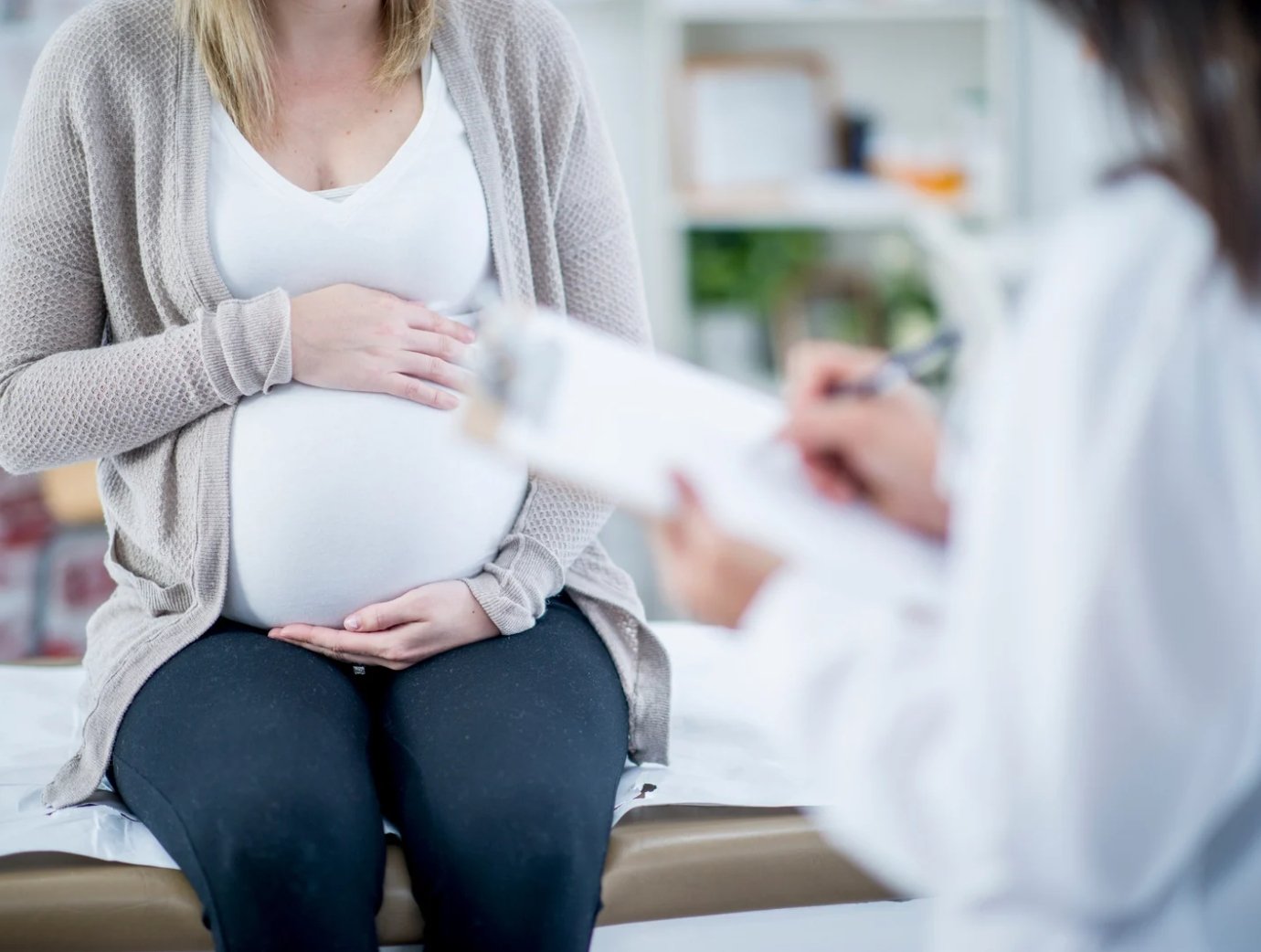
    What’s especially alarming is the impact on babies in the womb. Since a fetus cannot regulate its own temperature, excessive maternal heat exposure has been linked to neural tube defects, low birth weight, and developmental delays. Some studies even suggest that extreme temperatures during key developmental windows may raise the risk of congenital abnormalities.

    A 2024 study published in JAMA Network Open found that preterm and early-term births rose significantly in areas experiencing prolonged heat spikes. Preterm infants often face lifelong health issues, ranging from respiratory and neurological disorders to higher rates of infant mortality.

    It’s not just the body—climate change disrupts reproductive care, too

    Climate-related heat can also compromise access to reproductive health tools. Items like pregnancy tests and certain types of birth control become less reliable or entirely ineffective when exposed to high temperatures. According to MSI Reproductive Choices, over 11 million women in 26 countries have had their access to contraception disrupted due to climate-related displacement and supply chain issues.

    Extreme heat, poor infrastructure, and climate disasters like floods or hurricanes can also limit access to clinics and hospitals, delaying critical care. In fact, a 2023 report by climate risk firm XDI found that climate change has increased the threat of damage to hospitals by 41% globally. And that damage has ripple effects—just ask New Yorkers who saw maternity wards disrupted during Hurricane Sandy.

    Marginalized communities face the greatest danger
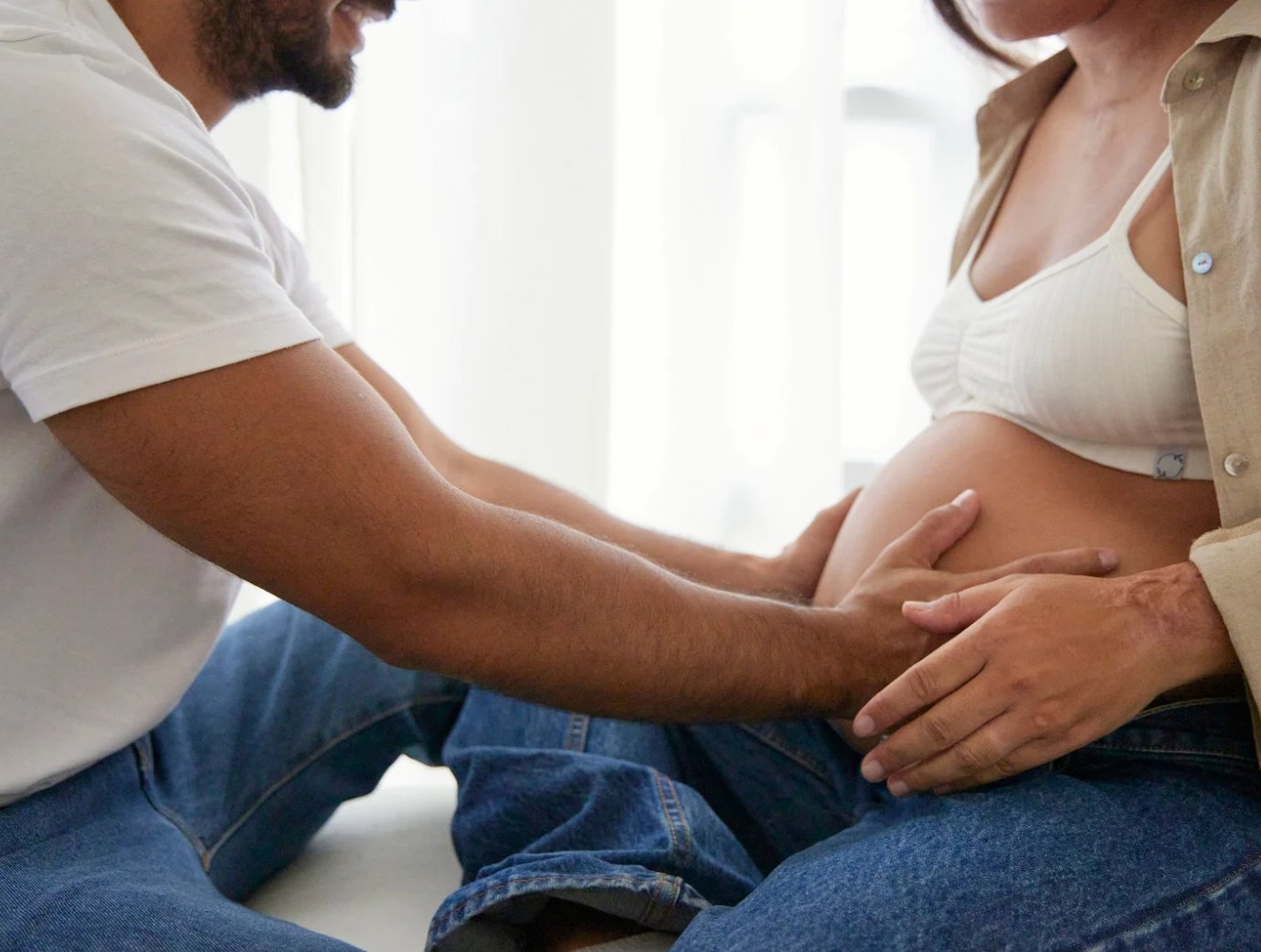
    As with so many health risks, climate change magnifies existing inequalities. Low-income families and communities of color are less likely to have access to air conditioning, quality health care, or even safe housing—making them far more vulnerable during heat events. Those living near highways or industrial zones are also exposed to higher levels of pollution, which further compounds pregnancy complications.

    Related Article :  Heatwave workout: how older adults can exercise without risk

    Air pollution—another byproduct of our warming planet—has been linked to high blood pressure during pregnancy, restricted fetal growth, and lower birth weights, according to the World Health Organization. Meanwhile, natural disasters can spike stress, contaminate the environment, and cut off access to prenatal care—each of which may trigger early labor or worse.

    We still don’t know enough—but we know enough to act

    Experts agree: we’ve only scratched the surface when it comes to understanding how climate change is impacting maternal health and fetal development. But the evidence we do have is sobering. “We need to think holistically about both the upstream and downstream effects of climate change across the reproductive life cycle,” says Dr. Mahalingaiah.

    Whether it’s protecting vulnerable families from extreme temperatures, improving access to resilient health care, or integrating climate science into OB-GYN training, the time to act is now. As a doctor told us, “This is not a far-off issue. It’s happening now, and it’s putting mothers and babies at risk.”

    Follow on Google News
    Share. Facebook Twitter LinkedIn Email WhatsApp Reddit Telegram Threads Copy Link
    Previous ArticleRunning and your knees: What if doctors were wrong all along?
    Next Article What Are Xylazine and Ketamine? The Truth Behind the So-Called “Zombie Drugs”
    Avatar photo
    Frank Jost

    Frank is a seasoned media consultant for LiveWell Magazine, with over two decades of experience in the digital media landscape. His expertise spans online publishing, audience engagement strategies, and health communication. A recognized expert in mutual health insurance, Frank brings a unique perspective that bridges the gap between public health awareness and digital storytelling. He is passionate about making reliable health information accessible to all, and continues to help readers navigate the complexities of wellness and insurance in the digital age. https://www.linkedin.com/in/frank-jost-2097104/

    Continue reading

    What are the secrets of corona phlebectasia and what do those tiny ankle veins reveal about your health?

    By Amelie Goujon

    How could the curious case of the English coast’s potato invasion impact your health and environment?

    By Amelie Goujon

    What are the unexpected health risks you need to know before traveling to Japan?

    By Amelie Goujon

    How can you stay safe from wild animal encounters while traveling to iconic beaches?

    By Amelie Goujon

    How can you protect yourself from poisoning risks while traveling to Mexico, Japan, and beyond?

    By Amelie Goujon

    How does the rejection of a passenger with Parkinson’s by Turkish Airlines impact travel for those with chronic conditions?

    By Amelie Goujon

    What are the most effective strategies for maintaining heart health as you age?

    By Amelie Goujon

    How will the new Emirates first class mileage policy for children under 9 affect your family travel plans?

    By Amelie Goujon

    When do customized painkillers become essential for your health and recovery?

    By Amelie Goujon

    What is the best choice for your cardiac well-being?

    By Amelie Goujon

    What are the essential tips for selecting the best health insurance plan in the USA?

    By Amelie Goujon

    Does the timing of your coffee consumption affect heart disease risk and longevity?

    By Amelie Goujon
    View 1 Comment

    1 Comment

    1. Pingback: Climate change and public health: the urgent need for action - LiveWell Magazine

    Leave A Reply Cancel Reply

    Subscribe to Our Newsletter

    Join the Live Well Magazine Newsletter and get exclusive tips on health, wellness, lifestyle, and personal growth — straight to your inbox.

    Trending

    What are the secrets of corona phlebectasia and what do those tiny ankle veins reveal about your health?

    Nutrition

    Could a daily glass of orange juice be the secret to heart health and longevity?

    Trends & Innovation

    What are the innovative techniques in permanent makeup for aesthetic and restorative purposes?

    Nutrition

    Which 14 superfoods can help boost your heart health and slash cholesterol?

    What are Sylvester Stallone’s secrets to vitality and strength at 79?

    Health Products

    What is the reality behind Nature’s Garden CBD?

    Facebook
    • About us
    • Contact us
    • Contributors
    • Legal
    • Privacy
    © 2026 livewellmagazine.org.

    Type above and press Enter to search. Press Esc to cancel.