

Pickleball: A Gateway to an Active Lifestyle for Adults Over 40
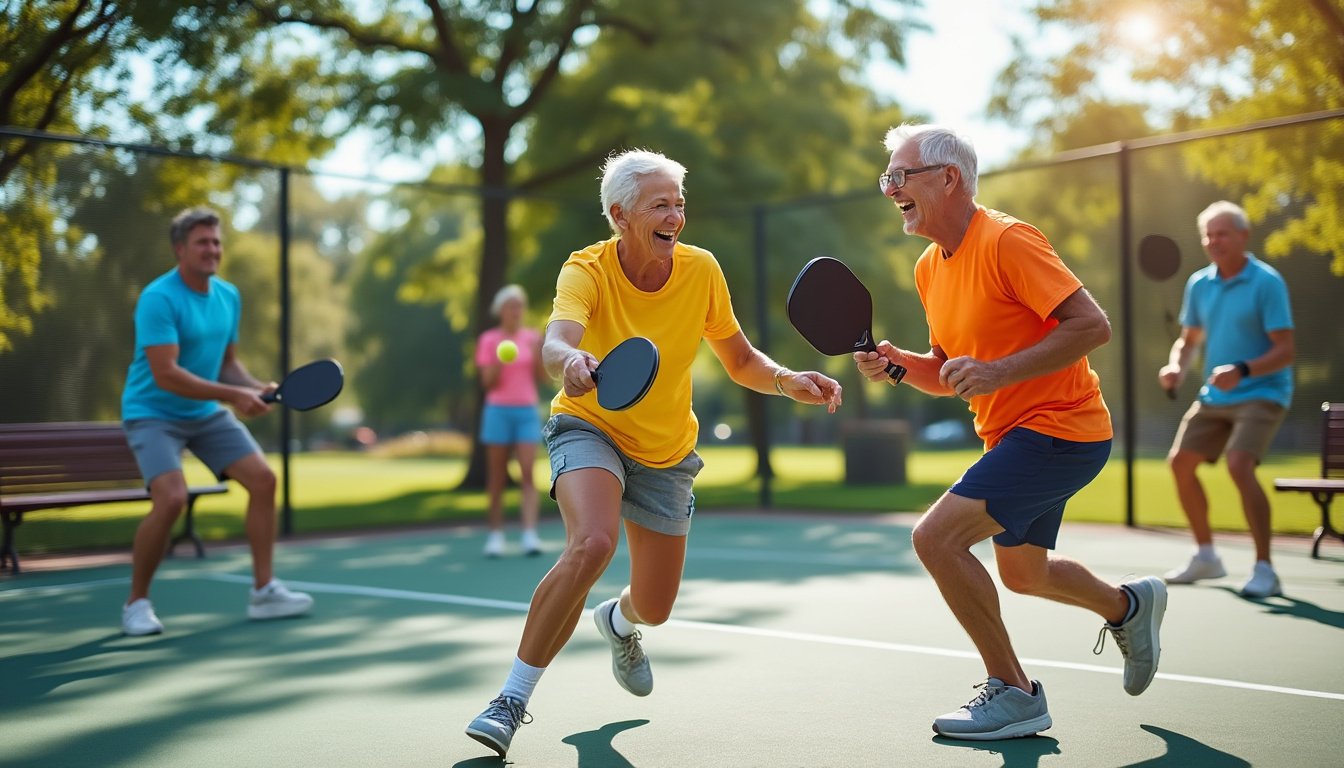
Reigniting an active lifestyle after the age of 40 can often seem challenging, as motivation dips and physical constraints increase. However, pickleball has rapidly gained recognition as a recreational sport that uniquely empowers adults over 40 to engage in consistent physical activity and experience improved vitality. Unlike traditional racquet sports such as tennis, pickleball features a smaller court and a slower-paced ball, making it more accessible for those concerned about joint strain and long learning curves. This accessibility is a key factor in attracting millions of enthusiasts nationwide who seek a balance between effective exercise and enjoyment.
Physicians and physical therapists alike endorse pickleball as a valuable entry point into physical fitness for midlife adults. Todd Ellenbecker, a physical therapist with Banner Health, emphasizes that pickleball’s surge in popularity corresponds with increased availability of courts and instructional programs, enabling greater access for those in their 40s, 50s, and beyond. This low-barrier entry helps those who might be wary of gyms or intense training regimens to reconnect with consistent movement and strength-building exercises.
The game’s design facilitates light aerobic workouts combined with quick lateral movements and sharp hand-eye coordination. Players benefit from cardiovascular stimulation without the high joint impact commonly seen in running or tennis, reducing risk for injury while promoting endurance and agility. As a result, pickleball serves as an ideal platform for adults over 40 to regain momentum in their health journey through enjoyable, socially engaging means.
Equipped with minimal gear—just a paddle and suitable sneakers—participants find it easy to incorporate pickleball into their daily routines. Courts have become widespread in community parks, schoolyards, and repurposed tennis facilities, expanding access exponentially. This growth aligns with broader public health goals to foster sustained physical fitness and wellness in older populations. For many, pickleball is more than a sport: it becomes an empowering lifestyle choice promoting long-term health benefits and social connection.
10 quick checks to spot low-quality supplements before you buy - plus research-backed doses for 12 common ingredients. Free PDF, no spam.
How Pickleball Enhances Physical Fitness and Strength Building
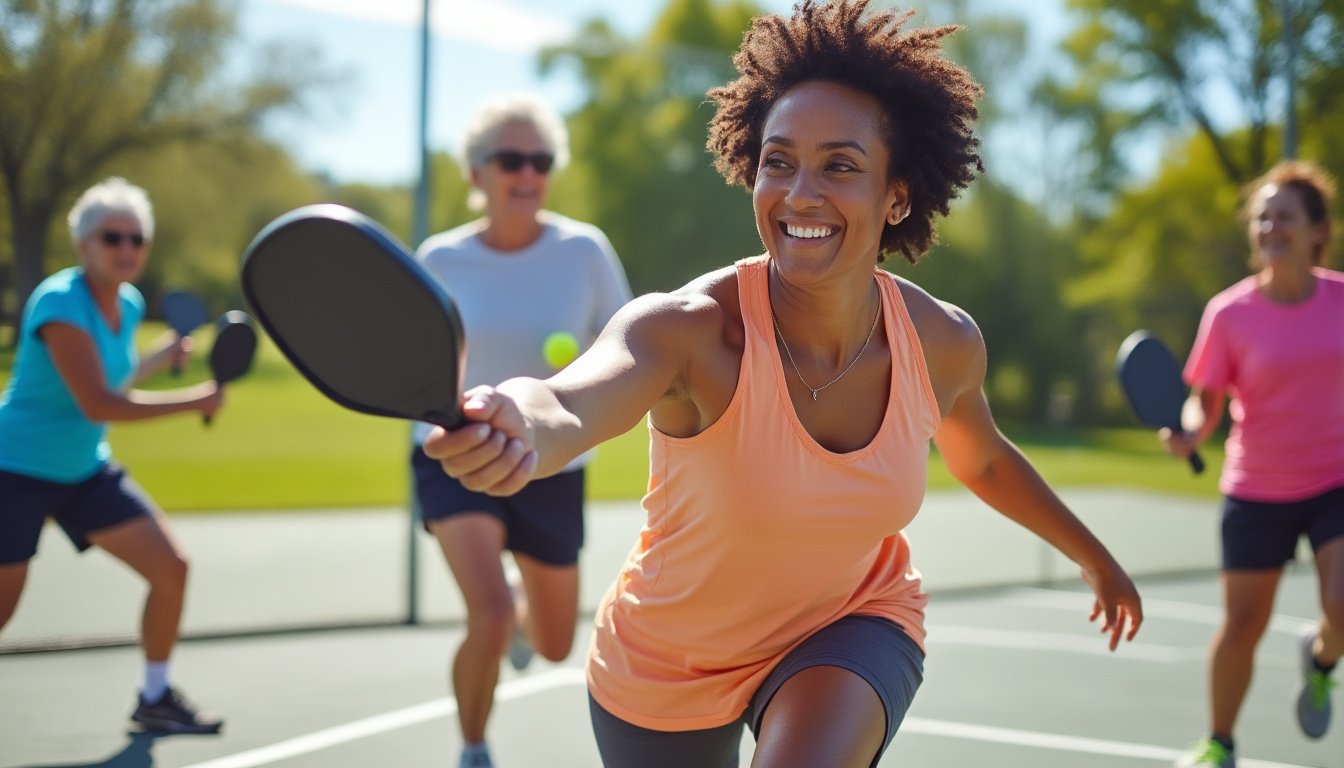
Engaging in pickleball significantly contributes to improved physical fitness and strength building among adults over 40, offering a balanced workout that targets multiple fitness components. The sport’s dynamic movements require frequent changes in direction, lunges, and bursts of speed, which stimulate muscle tone development, flexibility, and aerobic capacity without overloading the joints.
Clinical exercise physiologists like Mike Zehner highlight that pickleball not only strengthens the cardiovascular system but also promotes vascular health by dilating blood vessels—a benefit that can last for hours after play. This effect supports blood pressure regulation, aiding in managing hypertension, which is prevalent in middle-aged and older adults. Players often report enhanced stamina and reduced feelings of fatigue, underlining pickleball’s role in elevating overall fitness levels.
Moreover, pickleball’s emphasis on coordination and balance plays a critical role in fall prevention—a vital concern for seniors and adults over 40 alike. Reaction-based movements refine neuromuscular connections, which enhances proprioception and stability. Such improvements build confidence in daily activities and significantly reduce injury risks associated with weakness or poor balance.
Strength gains from pickleball extend beyond muscle development to joint health and mobility. The low-impact nature preserves integrity of vulnerable joints, while consistent activity encourages flexibility in tendons and ligaments. Physical therapists advocate pickleball as a sustainable form of exercise, which can be continued well into senior years, making it a sport of a lifetime that supports a gradual yet steady improvement in strength and wellness.
This comprehensive physical enhancement spans endurance, muscular strength, and balance simultaneously, making pickleball a holistic fitness choice for anyone seeking to restore or maintain vitality beyond the age of 40. For those interested in exploring further, numerous resources like Banner Health’s detailed benefits guide illuminate how pickleball complements healthy aging.
List: Key Physical Fitness Benefits of Playing Pickleball for Adults Over 40
- Improved cardiovascular health through aerobic bursts
- Enhanced muscular strength especially in lower body and core
- Better balance and coordination reducing fall risk
- Joint-friendly movements allowing safe activity despite existing arthritis or pain
- Boosted endurance leading to increased daily stamina
Mental Health and Social Connection: The Hidden Powers of Pickleball
Beyond physical gains, pickleball offers profound benefits in promoting mental wellness and social bonds critical to adults over 40. As the U.S. Surgeon General has highlighted, loneliness and social isolation can significantly worsen health outcomes, especially for older adults. Pickleball’s inherent social nature counters this trend by bringing people together in friendly, supportive environments.
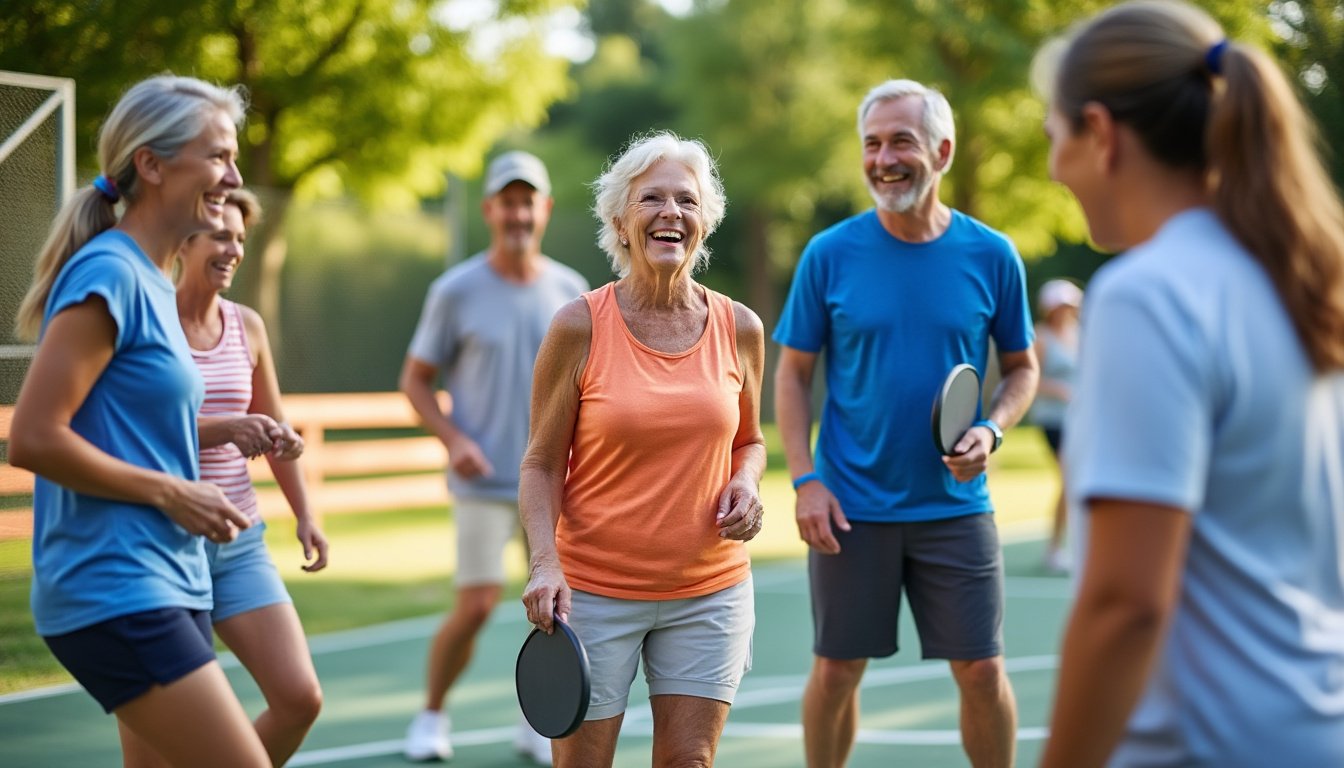
Participation in this sport fosters meaningful social interactions before, during, and after matches, building bridges across generations and diverse backgrounds. Dr. Miguel Arce Rentería from Columbia University notes that such social engagement can reduce feelings of isolation and enhance psychological wellbeing. Players often form tightly knit communities, exchanging encouragement, sharing stories, and creating a sense of belonging that transcends the court.
The mood-enhancing effects of pickleball also stem from physical activity’s stimulation of endorphin release, the body’s natural “feel-good” hormones. Christine Marschilok, MD, emphasizes this effect, noting how players experience boosted energy and reduced stress following games. This mental uplift supports resilience against anxiety and depression, conditions that frequently impact adults navigating midlife transitions.
Moreover, the cognitive demands of pickleball—such as strategic positioning and rapid decision-making—serve as mental workouts, sharpening focus and reaction times. The coordination between body, brain, and eyes required in the sport improves mental agility, supporting brain health and potentially reducing risks associated with cognitive decline.
By combining physical exertion with joyful interaction, pickleball uniquely equips adults over 40 to thrive emotionally and socially, reinforcing overall wellness in a way few other recreational sports can match. For enriching your understanding of this active aging approach, explore pickleball’s role in active aging programs that highlight these elements.
Safety, Preparation, and Best Practices for Older Pickleball Players
Although pickleball is beginner-friendly, it involves high-impact cardiorespiratory activity and rapid movements such as lunging and pivoting, which demand attention to safety, especially for adults over 40 returning to exercise. Experts strongly recommend a pre-play health assessment to ensure the game aligns with individual physical capabilities and any underlying conditions are properly managed.
Todd Ellenbecker advises that understanding your body’s limits and gradually increasing intensity can help mitigate risks. Similarly, Edward R. Laskowski of Mayo Clinic suggests that players able to move comfortably around the court without pain or balance issues are candidates to enjoy pickleball safely. For those with previous injuries or chronic joint problems, engaging with physical therapists for tailored training advice can prove invaluable.
Adopting safety habits also means investing in proper equipment such as quality paddles that reduce strain, supportive footwear designed for lateral moves, and protective eyewear. Warming up, stretching routines, and cooling down practices are essential components to prepare muscles and prevent injuries. Hydration and nutrition further support physical resilience during play, ensuring energy levels remain stable.
By embracing these safety measures and respecting their body’s signals, adults over 40 can maximize health empowerment through pickleball without compromising wellbeing. For detailed safety tips and gear recommendations, resources like specialized senior pickleball guides provide practical insights.
The Growing Impact of Pickleball on Senior Fitness and Community Wellness
In recent years, pickleball has evolved into a pivotal element of active aging initiatives across communities in the United States. Recognized for its inclusive nature and broad appeal, it has become an exemplary model for promoting senior fitness and overall wellness. Its integration into recreational centers, retirement communities, and public parks signifies a cultural shift toward embracing sport for health empowerment at every life stage.
Programs designed around pickleball nurture physical vitality while simultaneously cultivating social capital among older adults. These initiatives encourage participants to become ambassadors of wellness, inspiring peers to adopt healthier routines through enjoyable activity. The sport’s capacity to improve quality of life is documented in academic studies that highlight improvements in physical function, mental sharpness, and social engagement from regular play.
Communities benefit as well, seeing reduced healthcare costs related to sedentary lifestyle diseases and increased readiness among older populations to engage in volunteerism and social programs. This synergy aligns with public health goals emphasizing prevention and sustainable active lifestyles.
By offering a sport that combines exercise, community, and fun, pickleball unlocks a potent pathway to strength building and vitality for adults over 40. Its capacity to blend physical, mental, and social benefits ensures it will remain a core recreational sport and a beacon of healthy aging for years to come.
Is pickleball suitable for adults with no prior sports experience?
Yes, pickleball is beginner-friendly and designed to be accessible. Many adults over 40 start with minimal gear and gradually build skills and fitness through social play and instruction.
How often should adults over 40 play pickleball for health benefits?
Playing pickleball three times a week for about an hour is recommended to experience cardiovascular, strength, and mental health improvements. Consistency is key to maximizing benefits.
Are there specific safety precautions I should take before playing pickleball?
Yes, a health check-up and proper warm-up are important. Using supportive footwear, proper paddles, and following safety guidelines can reduce injury risk.
Can pickleball help prevent age-related cognitive decline?
Engaging in the fast-paced gameplay and strategic thinking in pickleball supports brain activity and coordination, which may help reduce risks of cognitive decline over time.
Where can adults over 40 find local pickleball courts and communities?
Many public parks, recreation centers, and schools offer courts. Specialized websites and local clubs often provide resources for finding courts and social groups for beginners.
10 quick checks to spot low-quality supplements before you buy - plus research-backed doses for 12 common ingredients. Free PDF, no spam.
