


How Play Supports Healthy Habits in Early Childhood
From the earliest moments of life, play is more than just a fun pastime; it is a foundational element that shapes healthy habits and contributes significantly to childhood development. Engaging children in play allows them to explore their surroundings in a safe and stimulating environment, fostering skills that extend far beyond the immediate moment of enjoyment. Early childhood experts emphasize that intentional learning through play is key for the establishment of habits that will promote lifelong wellness and wellbeing.
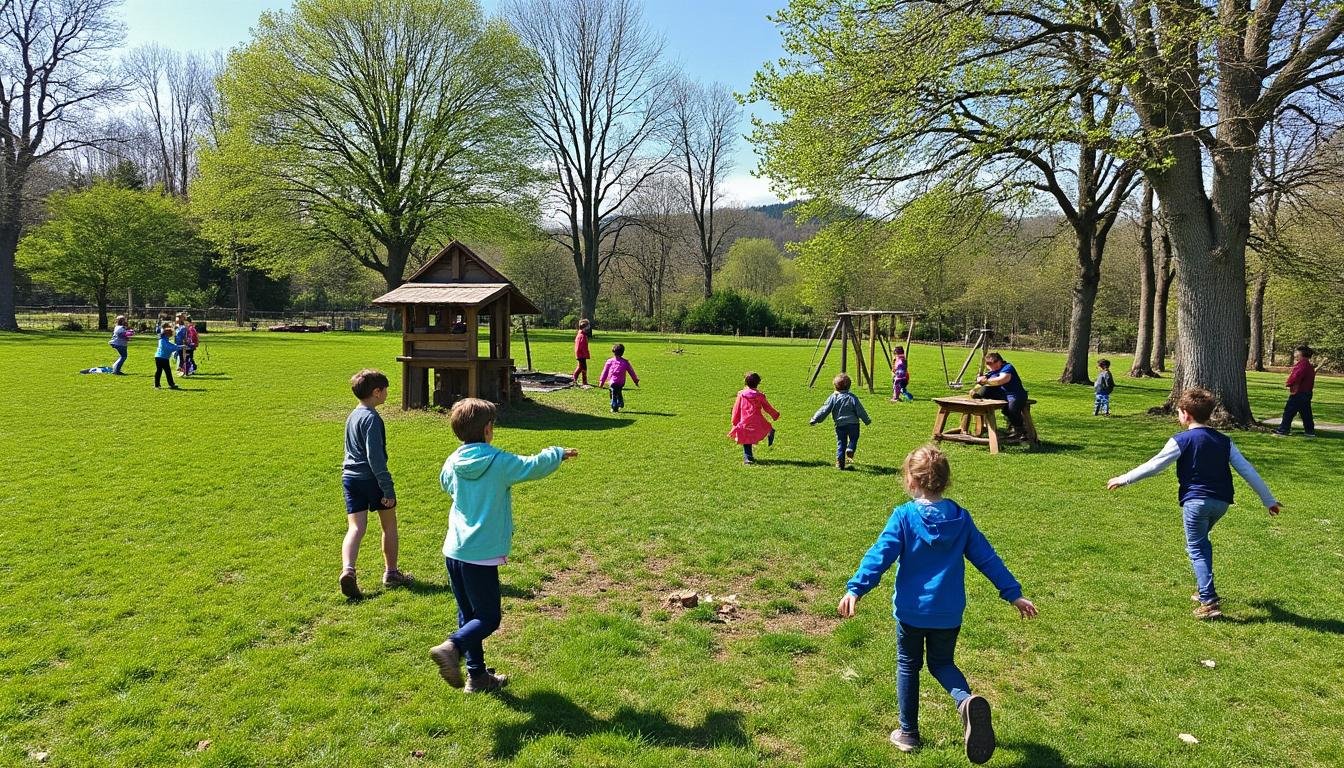
One primary benefit of play in early childhood is its role in encouraging physical activity. As young children run, jump, climb, or even crawl during play, they develop motor skills and strengthen their muscles. This establishes patterns of movement that eventually become natural daily behaviors, helping to prevent sedentary lifestyles and encouraging active living. These benefits of physical play are critical, particularly in 2026 where childhood inactivity has been identified as a growing concern globally. According to studies highlighted by the American Academy of Pediatrics, early engagement in physical play correlates directly with a stronger heart, better coordination, and increased stamina throughout life.
Moreover, play shapes social skills crucial for healthy interpersonal relationships. Through interactions during play with peers or caregivers, children learn sharing, negotiation, cooperation, and empathy. Such social play fosters communication and emotional regulation strategies, forming part of a healthy emotional framework. This connection between play and social-emotional growth is widely supported by research like that found on how young children’s play promotes healthy development. It reveals how these early experiences of social interaction during play build the foundation for emotional wellbeing later in life.
Another key aspect is the formation of cognitive pathways during play. When children engage in games that require problem-solving or creative thinking, they stimulate neural connections essential for cognitive growth. For example, activities like building blocks, imaginative role-playing, or simple puzzles cultivate attention, memory, and reasoning skills. This process underlines why free and guided play is indispensable for unlocking a child’s full potential, as explored in greater detail by Harvard researchers in their article on free play shaping the child’s brain.
The early development of healthy habits through play does not happen by chance. Caregivers and educators play a crucial role in creating environments rich with opportunities for safe exploration and discovery. The American Academy of Pediatrics advocates for parents to use play strategically to meet developmental milestones and support health from birth. Providing diverse stimuli and encouraging varied types of play—be it physical, social, or imaginative—ensures an all-around growth platform for children, deeply rooting healthy practices from the start.
Play Therapy: Harnessing Play for Emotional Wellbeing and Resilience
Play therapy, a specialized form of therapeutic intervention, harnesses the natural language of play to support children’s emotional wellbeing and resolve psychological challenges. This approach recognizes that children often express feelings and work through experiences not easily articulated in words but manifested through their play behaviors. In the context of early childhood, play therapy becomes a vital tool for healthy emotional development and resilience building.
The therapeutic power of play is particularly effective in helping children cope with stress, trauma, or difficult life transitions such as moving homes, parental separation, or loss. Play offers them a safe arena to confront fears, process emotions, and experiment with solutions to their problems. Through symbolic and imaginative play, children gain a sense of control and mastery, which boosts confidence and emotional regulation. Practitioners trained in play therapy facilitate this by observing play patterns and gently guiding interventions to nurture positive outcomes.
For example, the use of dolls, drawing materials, or story enactments in therapy sessions allows children to convey their internal world. One case study involving a child struggling with anxiety showed remarkable improvement after several weeks of play therapy focused on role-playing scenarios that alleviated fears and taught relaxation techniques. With consistent guided play, children learn coping mechanisms that translate into healthy habit formation around managing stress and emotions.
Play therapy also integrates aspects of social skill development. For children with behavioral challenges or difficulties interacting with peers, role-play and social games become training grounds for understanding social cues and practicing empathy. This alignment with broader developmental goals shows how play therapy contributes to the holistic nurturing of a child’s growth by strengthening emotional and social capabilities simultaneously.
In 2026, with increasing awareness around mental health even in the youngest populations, play therapy has become an essential service recommended by both educational and healthcare professionals. Resources like hardwired for play unlocking child development underline that play is not a luxury but a necessity for healthy psychological function. Harnessing play in therapy exemplifies how targeted interventions can unlock potential in children facing diverse challenges, reinforcing the role of early play in lifelong emotional wellbeing.
Learning Through Play: Cognitive Growth and Habit Formation in Preschool Years
Transitioning from infancy to preschool years, the role of play evolves drastically in nurturing cognitive growth and reinforcing healthy habits. During this dynamic phase, children engage more deeply with their environment and begin mastering complex skill sets. Play-based learning emerges as a core educational approach that blends fun with foundational learning, effectively forming habits that support academic and personal success in subsequent stages.
Numerous studies confirm that children develop executive functions such as planning, focus, memory, and problem-solving through structured play activities. Games that encourage sorting, matching, sequencing, and creative construction help children internalize logical thinking and attention to detail. Educators emphasize that these activities must be developmentally appropriate and allow for autonomy, as fostering intrinsic motivation is crucial to habit formation.
For instance, incorporating simple puzzles or board games in classroom settings not only challenges children cognitively but also builds persistence and patience, key qualities for lifelong healthy routines. Furthermore, play groups and peer interactions refine social problem-solving and cooperation, enhancing both social skills and cognitive processes.
This emphasis on play-based learning aligns with findings detailed on unlocking children’s potential through play-based learning, where it is noted that children naturally assimilate concepts and skills when learning is coupled with play. It is through these joyful moments that brain regions responsible for language, reasoning, and emotional regulation are robustly activated.
Habit formation during this stage extends beyond cognitive abilities to include healthful routines around physical activity, rest, and self-care. Preschoolers who enjoy physically engaging play tend to develop a natural preference for movement, reducing future risks of obesity and sedentary behavior. At home and in educational settings, caregivers who encourage diverse play opportunities help solidify habits that promote vitality and resilience. These enduring foundations demonstrate how learning through play deeply influences children’s overall healthy development and readiness for formal education.
The Power of Social Play in Building Lifelong Emotional and Interpersonal Skills
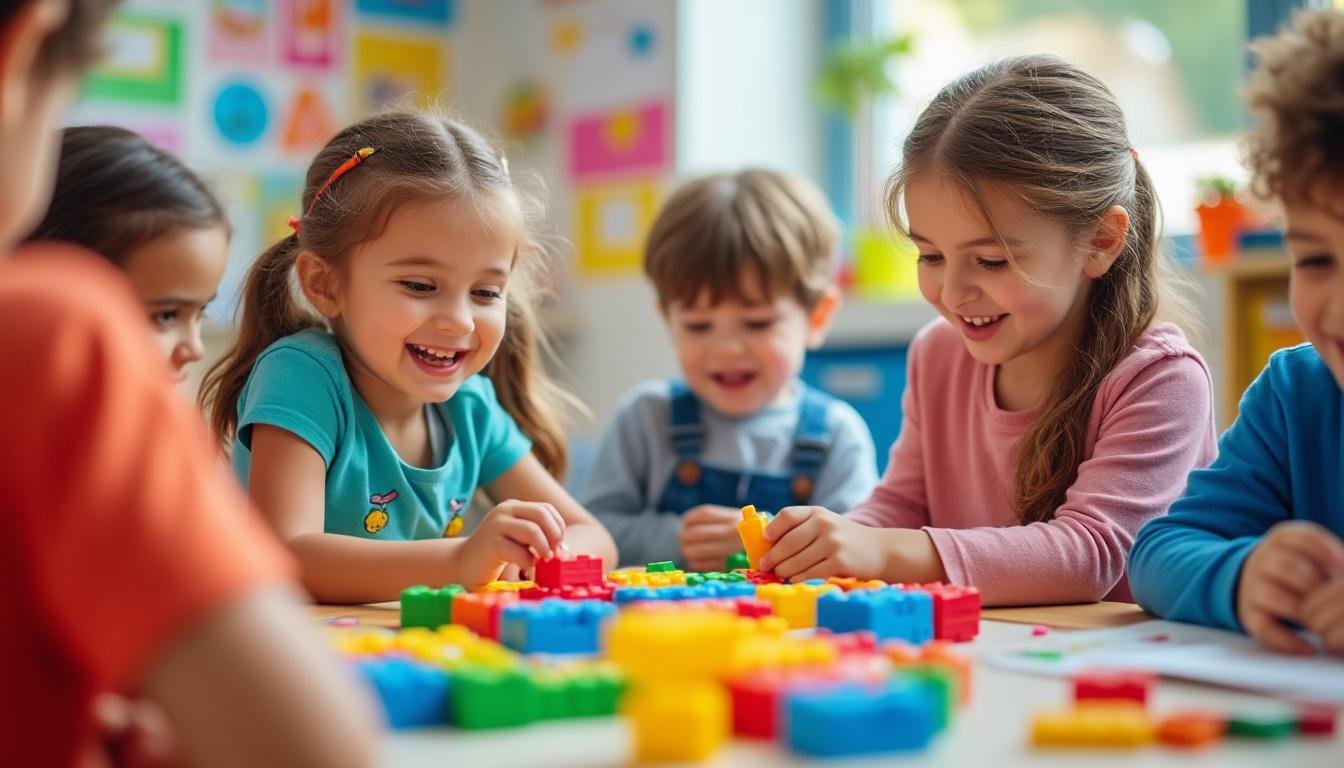
Social play occupies a vital role in shaping children’s emotional wellbeing and mastering interpersonal skills. By participating in cooperative games, role-playing, and collaborative projects, children learn how to regulate emotions, communicate effectively, and respond empathetically to others. These skills form the bedrock of healthy relationships well into adulthood.
The emotional competencies nurtured in social play help children identify and express their feelings appropriately while understanding those of their peers. Such development reduces behavioral problems and enhances self-esteem. A child immersed in group play will also develop conflict-resolution strategies and learn the importance of rules and fairness.
For example, in a setting where children engage in imaginative group play, they might simulate real-life scenarios such as family, school, or marketplace, which provide contexts to practice negotiation, compromise, and leadership roles. These interactions promote the development of theory of mind – the understanding that others have different perspectives and feelings – a key element in empathy development.
In the 2026 context, with increasing recognition of social-emotional learning in curricula, educators and parents are encouraged to integrate purposeful play sessions into daily routines. Resources such as the magic of play and unlocking your child’s potential emphasize how social play fosters resilience, cooperation, and a sense of belonging, which are critical for mental health.
Designing play environments that encourage socialization among diverse children also supports inclusivity and respect for differences. Practitioners note that even digital play, when moderated and complemented with face-to-face interaction, can enhance social skill acquisition when used appropriately. Ultimately, social play is a powerful tool to nurture kindness, problem-solving, and emotional balance, all fundamental dimensions of a healthy childhood and future adult life.
Strategies to Cultivate Playful Environments that Encourage Healthy Habit Development
Parents, caregivers, and educators hold the powerful role of crafting environments that nurture play and consequently support the formation of healthy habits from early childhood. A thoughtful and stimulating play space invites exploration, imagination, and learning by providing diverse materials, freedom, and safety.
Some effective strategies include:
- Providing varied play materials: Offer items that encourage different modes of play, including physical movement (balls, climbing structures), imaginative play (costumes, puppets), and cognitive challenges (puzzles, building blocks).
- Allowing sufficient unstructured time: Balance guided activities with ample opportunity for free play, enabling children to experiment, create independently, and follow intrinsic interests.
- Encouraging outdoor play: Natural environments stimulate sensory engagement and physical activity, greatly enhancing habit formation around active living.
- Integrating social play opportunities: Plan group games and cooperative tasks that promote emotional development and social skills.
- Modeling positive habits: Adults participating enthusiastically in play convey healthy attitudes and behaviors, creating a replicable model for children.
These strategies, supported by research from organizations such as the American Academy of Pediatrics, help cement important habits that impact health and well-being throughout life. For example, creating a regular routine for play paired with reading or storytelling nurtures both cognitive and emotional competencies. Similarly, prioritizing outdoor physical play over screen time encourages children to value active lifestyles.
As explored by experts on platforms like the power of play in early childhood, sustained investment in playful learning environments not only boosts childhood development but also slows the onset of preventable conditions related to inactivity and poor emotional health. The ripple effect of these early habits is profound, influencing educational achievements, social success, and long-term physical health into adulthood.
How does play contribute to the formation of healthy habits in young children?
Play encourages active lifestyles, social interaction, emotional regulation, and cognitive engagement, all of which help children develop routines and behaviors that promote lifelong health and well-being.
What is play therapy and how does it benefit children’s emotional wellbeing?
Play therapy uses the natural medium of play to allow children to express feelings, overcome trauma, and develop coping skills, supporting their emotional growth and resilience.
Why is social play important for early childhood development?
Social play promotes empathy, communication, conflict resolution, and emotional regulation, building essential interpersonal skills and contributing to mental health.
How can adults support healthy habit formation through play?
Adults can create enriching play environments, provide diverse materials, allow free playtime, model positive behaviors, and encourage outdoor and group play to foster healthy habits in children.
What role does cognitive play have in learning through play?
Cognitive play helps develop memory, attention, problem-solving, and reasoning skills, which are fundamental for academic success and ongoing personal growth.
