


In 2025’s business landscape, where disruption is not occasional but constant, CEOs navigate an ever-changing world that demands more than just strategic foresight. The relentless evolution of technologies like AI, shifting global markets, and cross-continental teams challenges leaders to sustain peak performance without succumbing to burnout. Resilience has become a vital trait, closely tied not only to strategic capability but to personal health habits. In this relentless environment, cultivating biological adaptability, energetic discernment, and leveraged recovery stands as a cornerstone for the modern CEO’s ability to thrive. Each practice addresses how CEOs manage their body, focus their mental resources, and rejuvenate their energy—enabling them to lead organizations through volatility without sacrificing their well-being.
Biological Adaptability: The Foundation of Physical and Cognitive Flexibility for CEOs
Biological adaptability forms the critical basis by which CEOs maintain agility amidst nonstop disruptions. Unlike traditional views that prioritize mental toughness over physical well-being, 2025’s business leaders increasingly recognize their physiology as a vital asset in navigating high-pressure roles. Biological adaptability means aligning internal biological rhythms and optimizing physical resilience to buffer against environmental stressors such as frequent travel, irregular work hours, and constant decision-making.
For instance, the concept of circadian alignment involves syncing work schedules and light exposure to an individual’s natural biological clock. When CEOs remain attuned to their circadian rhythms, hormonal balance improves, enhancing alertness and cognitive function during key decision-making windows. Such synchronization minimizes fatigue during crucial moments, which could otherwise impair judgment or slow reaction times.
Another method is employing controlled temperature variation—incorporating heat and cold exposure through practices like sauna sessions or cold plunges. This kind of deliberate physiological stress fosters a stronger autonomic nervous system, making CEOs more resilient when facing unexpected shocks or protracted stress. Numerous organizations, from elite sports to corporate leadership, have adopted these techniques, recognizing their capacity to boost overall stress tolerance.
Physical fitness remains a cornerstone of adaptability. Modern CEOs embed diverse exercise regimens combining strength, endurance, and mobility to build both durability and cognitive stamina. Using wearable technologies such as Fitbit or Whoop helps monitor vital parameters and recovery states, allowing leaders to make informed adjustments to their routines and avoid overtraining or burnout.
Global travel has become an unavoidable component of many executive roles, requiring tailored strategies to mitigate jet lag. Techniques based on circadian principles—like timed light exposure and strategic naps—help leaders rebalance quickly, preserving cognitive sharpness across time zones. Peloton workouts and mindfulness apps like Calm or Headspace further support travel resilience by sustaining both physical energy and mental calm.
CEOs who prioritize biological adaptability not only improve their own decision-making capacity but inspire organizational resilience through example. According to recent studies, executives maintaining high physical fitness tend to see superior outcomes in mergers and acquisitions and broader leadership effectiveness. This adaptive capacity continues to evolve into a strategic advantage as the pace of disruption accelerates.

Actions to Enhance Biological Adaptability
- Integrate circadian-friendly schedules by aligning work with natural alertness peaks.
- Explore thermal stress practices: saunas and cold therapy to strengthen stress tolerance.
- Employ diverse workouts, mixing strength, mobility, and endurance exercises.
- Use wearable tech like Fitbit or Whoop to monitor physiological data and optimize recovery.
- Implement travel strategies reducing jet lag with devices and apps supporting circadian health.
Energetic Discernment: Mastering Focus and Decision-Making Amid Ever-Present Disruption
With disruption a constant backdrop, the challenge for CEOs shifts from merely making decisions to making the right decisions under pressure. Energetic discernment is the practice of consciously managing mental and emotional energy, enabling leaders to allocate their finite cognitive resources to initiatives with the highest payoff. It’s a discipline that goes beyond time management, emphasizing the quality of focus and prioritization.
Daily, CEOs face a flood of choices—ranging from resolving crises to strategic bets on innovation. Without energetic discernment, decision fatigue sets in rapidly, causing leaders to default to easier but potentially less impactful options. This phenomenon aligns with extensive research indicating that decision fatigue limits high-effort decision-making as mental resources wane over the day.
Developing discernment includes recognizing which engagements drain energy and which refresh or expand it. Questions such as: “What tasks consistently sap my focus without progress?” or “Which meetings offer strategic value versus routine noise?” guide the intentional allocation of time and effort.
In practice, this means designing environments conducive to concentration—such as distraction-free zones supported by technologies like Apple’s Health platform, which tracks focus-related metrics. Leveraging mindfulness applications such as Headspace or Calm enables mental recalibration during demanding periods.
Another element involves establishing clear boundaries around communication. CEOs using digital wellness tools to filter notifications or compartmentalize social media—whether Twitter or Instagram—can maintain sharper attention spans for critical decisions. LifeLabs Learning, a cutting-edge executive coaching platform, encourages leaders to cultivate these discernment muscles by reflecting regularly on their energy investments.
An illustrative case is a CEO of a fast-growing tech firm who, by applying energetic discernment, streamlined weekly meetings from daily catch-ups and delegated effectively. This decision freed cognitive capacity to focus on growth strategy and innovation, resulting in notable market expansion within a single fiscal year.
In this ever-on world, mastering energetic discernment grants CEOs an asymmetrical edge. It allows sustained performance where competitors risk exhaustion, enabling adaptive leadership in swiftly changing markets. For further insights on energizing decision-making, leaders can explore resources like the Digital Defynd’s guide.
Tips to Cultivate Energetic Discernment
- Audit daily tasks to identify energy drains and high-impact activities.
- Implement focused work periods supported by mindfulness apps such as Headspace and Calm.
- Use digital tools to manage and filter distractions on platforms like Twitter and Instagram.
- Delegate lower-value responsibilities to preserve mental energy for strategic decisions.
- Regularly reflect on energy investment with coaching platforms like LifeLabs Learning.
Leveraged Recovery: Transforming Rest into a Strategic Leadership Advantage
In the nonstop tempo of modern leadership, recovery isn’t a luxury—it’s a strategic imperative. Leveraged recovery refers to intentionally engineering rest and restoration practices that replenish physical and mental reserves, directly correlating with long-term performance sustainability.
High-performing athletes dedicate as much attention to sleep hygiene and recovery routines as they do to the practice itself. CEOs now adopt similar principles, supported by rising awareness and technology. For example, tracking sleep quality through Fitbit or Apple Health sensors informs personalized interventions to improve rest.
Strategic rest includes more than just adequate sleep hours—it encompasses detachment rituals that ease the transition from professional to personal life. Whether it’s deliberate silence, immersing oneself in nature, or digital detox periods, these practices regulate the autonomic nervous system to shift from sympathetic stress responses toward parasympathetic relaxation.
Many CEOs incorporate mindfulness and meditation apps like Calm or Headspace to achieve these states more efficiently, facilitating quicker recovery amid demanding schedules. Additionally, consuming nutrient-rich foods from Whole Foods supports biochemical repair processes that sustain energy levels and cognitive function.
Recovery also influences emotional regulation. Leaders with robust recovery routines demonstrate improved patience and empathy, crucial for managing teams in volatile contexts. This ripple effect enhances corporate culture by fostering resilience throughout the organization.
Despite these benefits, a residual stigma remains wherein recovery is often perceived as secondary to output. Progressive CEOs are shifting this mindset, viewing rest as a multiplier effect fostering greater creativity, sharper focus, and improved crisis response.
Organizations benefit as well; McKinsey highlights that embedding resilience in leadership approaches requires shifting cultural norms to honor recovery. By establishing corporate policies supporting reasonable work hours and mandatory downtime, CEOs propagate healthier habits at all levels, creating a foundation for sustained adaptability.
Practical Recovery Strategies for CEOs
- Prioritize sleep optimization using wearable devices like Fitbit and Apple Health for data-driven improvements.
- Create daily rituals of disconnection, whether digital detoxes or time outdoors, for nervous system regulation.
- Incorporate mindfulness and meditation practices via apps such as Calm and Headspace.
- Eat nutrient-dense foods from Whole Foods to support energy restoration and cognitive health.
- Promote a culture of recovery within the organization advocating balanced work-life integration.
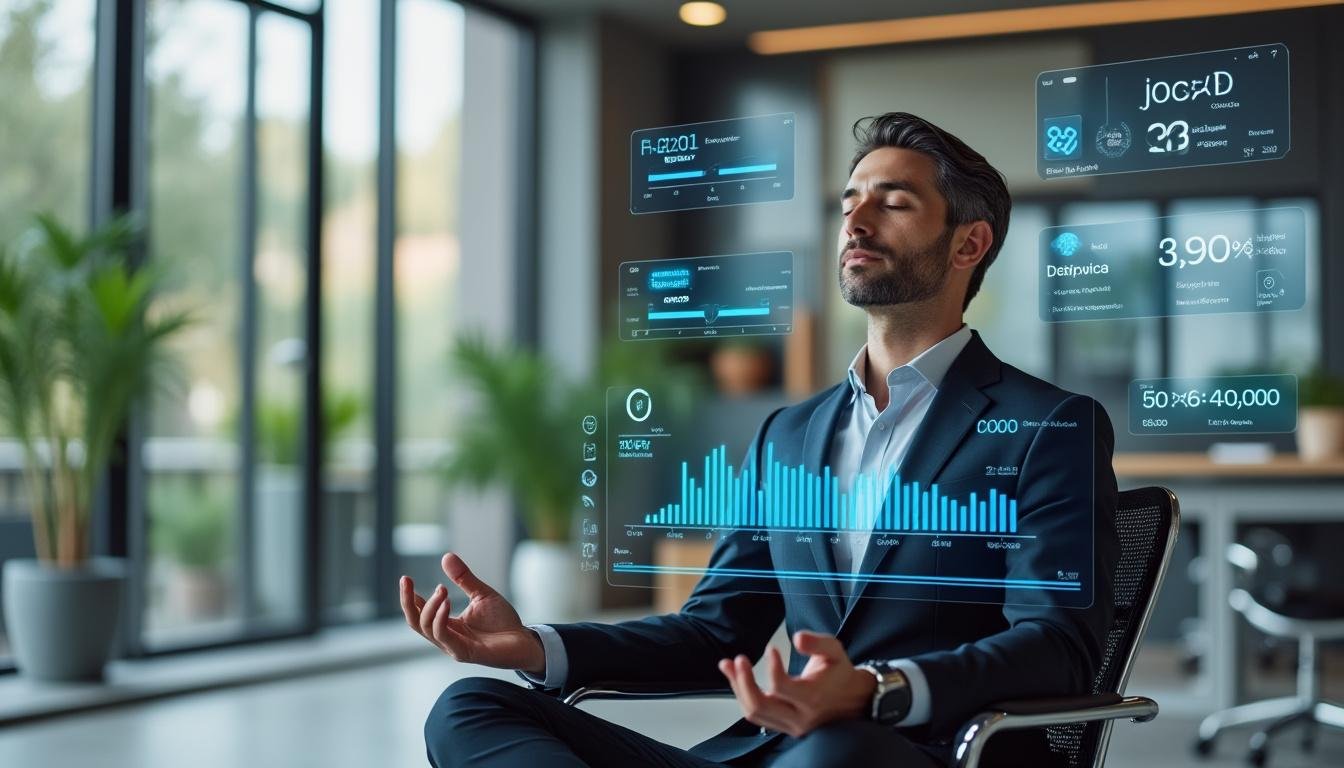
Integrating Healthy Practices Into CEO Daily Routines for Enhanced Organizational Resilience
Building resilience is not solely an individual endeavor but a strategic lever influencing organizational success. Today’s CEOs must embed healthy habits into daily routines that reflect the three pillars identified: biological adaptability, energetic discernment, and leveraged recovery.
For example, scheduling blocks of circadian-aligned work time combined with physical activity using tools such as Nike’s training programs or Peloton classes helps maintain both dynamic energy and mental acuity. These activities also foster team culture when shared among executive cohorts, promoting collective endurance.
The role of technology is paramount: CEOs rely on comprehensive health platforms like Apple Health and Fitbit for monitoring progress and prompting timely interventions. Noom’s behavior change programs assist in sustaining lifestyle improvements through personalized coaching, critical to embedding long-term habits.
Moreover, leveraging services like LifeLabs Learning encourages leaders to build emotional intelligence and decision-making skills that amplify energetic discernment. Regularly reviewing energy allocation and recovery effectiveness promotes adaptive leadership in an environment where disruptions are relentless.
Notably, integrating these habits inspires trust and resilience within the wider organization. Leaders who show commitment to their well-being model behaviors that encourage employees to prioritize health, reducing burnout and enhancing productivity across departments.
Organizations working with this mindset have seen marked improvements in agility, innovation, and employee retention, per findings shared in the Bain’s resilience guide. Thus, CEOs who master these healthy practices equip their enterprises for sustained success amid ongoing volatility.
Steps for CEOs to Embed Healthy Practices
- Schedule circadian-aligned work blocks interspersed with physical activity, leveraging Peloton or Nike programs.
- Adopt wearable tech like Fitbit and Apple Health to monitor well-being continuously.
- Engage in structured coaching through platforms such as LifeLabs Learning and Noom.
- Foster a workplace culture valuing recovery and mental health support.
- Lead by example in prioritizing health to influence organizational resilience.
Supporting CEO Resilience Through Organizational and Community Engagement
Beyond personal habits, CEO resilience thrives best when supported by an organization and community attuned to healthy, sustainable leadership. The role of the CEO transcends individual well-being, directly influencing the entire corporate ecosystem’s resilience and adaptability.
Engaging in community wellness initiatives, such as those detailed by LiveWell Magazine, helps CEOs build social capital and reduce isolation, a known stressor for top executives. Networking with peers around health optimization practices enriches strategies and provides emotional reinforcement.
Organizations that align leadership development with comprehensive resilience frameworks—covering physical health, emotional intelligence, and strategic recovery—see increased leadership longevity. Such approaches echo experts at Center for Creative Leadership who stress embedding resilience at every organizational tier.
For example, companies that integrate tools like Noom or Fitbit into employee wellness programs often experience multiplied benefits as healthy habits spread throughout the workforce. This collective resilience mitigates risks associated with stress-related attrition and performance dips.
Furthermore, leveraging research insights from bodies like LiveWell Magazine confirms that healthful lifestyle choices, although individual, produce measurable organizational impact. Maintaining environments where recovery is normalized and discernment is practiced can extend to improved innovation cycles and enhanced crisis management.
CEOs who champion these cultural shifts transform their organizations from reactive to proactive entities—better poised to capitalize on opportunities arising from disruption, rather than merely enduring its effects. This leadership style is not merely visionary but essential for long-term sustainability.
Organizational Strategies to Amplify CEO Health and Resilience
- Develop organizational policies supporting work-life balance and recovery time.
- Integrate health and wellness platforms like Fitbit and Noom into employee programs.
- Foster peer networks and leadership communities focused on resilience development.
- Promote educational resources emphasizing energy management and adaptive leadership.
- Encourage transparent communication around stress and mental health in the workplace.
Frequently Asked Questions About CEO Resilience and Healthy Habits
How does biological adaptability impact CEO performance?
Biological adaptability allows CEOs to maintain cognitive sharpness and physical stamina throughout irregular schedules and high stress, giving them an edge in decision-making and leadership endurance.
What are practical ways CEOs can cultivate energetic discernment?
CEOs can practice discernment by auditing their activities for energy drains, using mindfulness apps like Headspace to improve focus, delegating effectively, and setting clear boundaries to protect cognitive resources.
Why is leveraged recovery crucial for modern CEOs?
Leveraged recovery transforms rest into a performance multiplier, allowing CEOs to sustain long-term energy, emotional regulation, and mental clarity essential for handling ongoing disruption.
How can organizations support CEO health habits?
Organizations can embed supportive policies, promote wellness technology integration such as Fitbit and Noom, and cultivate cultures prioritizing work-life balance and resilience education.
What technology tools are recommended for CEO well-being?
Wearables like Fitbit and Whoop, mindfulness apps Headspace and Calm, nutritional resources like Whole Foods, and coaching platforms such as LifeLabs Learning and Noom are valuable tools supporting CEO health and resilience.

1 Comment
Pingback: Mastering Order: Feed Your Need for Organization