

Close Menu
    Follow us on Google News
    Follow Livewell Magazine on Google News
    Facebook X (Twitter) Instagram
    LiveWell Magazine
    Facebook
    Follow LiveWell Magazine on Google News
    • Cancer

      Barry Manilow Opens Up About Embracing Healthier Lifestyle Choices During His Cancer Battle

      April 8, 2026

      Healthy Dad’s Unexpected Cancer Diagnosis Revealed After Ignoring Nighttime Bathroom Trips: ‘A Heartbreaking Surprise’

      February 22, 2026

      BREAKING NEWS: Gene therapy for sickle cell disease: a medical breakthrough still out of reach for many

      December 29, 2025

      How Your Drinking Habits Could Significantly Increase Your Cancer Risk

      December 28, 2025

      Could the time of day you get cancer treatment affect survival? What a new lung cancer study suggests

      December 25, 2025
    • Fitness

      A 65-Year-Old Fitness Trainer’s Guide to Stocking Up on Healthy Foods at Costco

      April 10, 2026

      How many calories do you actually burn by running one mile?

      April 9, 2026

      Biochemist Reveals the Powerful 10-Minute Workout That Keeps the Mind Razor-Sharp All Day

      March 23, 2026

      The best workouts for busy people

      March 3, 2026

      A Fitness Trainer’s Perspective: How My Approach Transformed from 40 to 60

      March 2, 2026
    • Health

      How can better patient-doctor communication help you stay on track with your medication?

      April 8, 2026

      What can an infectious disease doctor’s experiences in Kazakhstan and America teach us about global health?

      April 3, 2026

      Federal Judge Hits Pause on HHS Secretary Kennedy’s Vaccine Policy Overhaul

      March 18, 2026

      Medicare Advantage Shifts: Payments to Plans Increase as Enrollment Hits a New Record

      March 18, 2026

      The battle over “$0 premium” plans: What’s at stake for your healthcare?

      February 19, 2026
    • Lifestyle

      How can finding the best flight deals reduce your travel stress and improve your well-being?

      April 9, 2026

      Daily Routine Discovered in New Study That Could Help Slow Down Aging

      April 6, 2026

      The So-Called ‘Healthy’ Habit That May Not Be Beneficial, Reveals New Research

      April 5, 2026

      Celebrity Manicurist Reveals Daily Habit That Gradually Weakens Your Nails

      April 5, 2026

      Embracing Emotional Strength: The Key to Healthy Habits and a Longer Life

      April 4, 2026
    • Nutrition

      Which 7 vitamin C-packed fruits should you try to boost your immunity?

      April 10, 2026

      Daily Avocado Consumption: Insights from a Dietitian on Its Health Benefits

      March 25, 2026

      Celebrate National Nutrition Month this March with Toi Degree – Salisbury Post

      March 21, 2026

      Protein-Packed Mediterranean Dinners to Boost Your Heart Health

      March 20, 2026

      Remarkable Health Benefits of Prunes That Transform Them into a Nutritional Powerhouse

      March 6, 2026
    • Senior

      Nurturing Your Gut After 50: 7 Essential Habits for Lasting Digestive Wellness

      April 3, 2026

      Nourishing Your Golden Years: 10 Essential Nutrition Habits to Promote Healthy Aging and Maintain Independence After 60

      March 27, 2026

      Wound Care Revolution: How a New Medicare Payment System Aims to Cut Waste in Senior Care

      March 19, 2026

      The $2,000 Cap is Here: How the New Annual Out-of-Pocket Drug Limit Saves Seniors Thousands

      March 17, 2026

      Why Conventional Health Tips Might Shift After Turning 50

      March 15, 2026
    • Trends

      Which innovative skincare trends will shape the industry in 2026 according to Uliana-Sofiia Savchenko?

      April 6, 2026

      Transparency at HHS: How the New “Radical Transparency” Initiative Aims to Expose Big Pharma Conflicts

      March 13, 2026

      How Wearable Technology Could Spark a Revolution in Healthier Living

      February 5, 2026

      Early cholesterol treatment in kids may prevent heart disease for life

      January 28, 2026

      Wearable health devices: the future of personalized medicine?

      January 27, 2026
    • Wellness

      The 20-Minute Routine That Could Unlock a Healthier Heart and a Sharper Mind

      April 8, 2026

      How can celebrating Día de los Muertos at a Mexican-owned resort enhance your cultural wellness?

      April 6, 2026

      Is the rising cost of a Hawaii vacation becoming a barrier to your travel wellness?

      April 2, 2026

      How will Palma Mallorca’s new party boat and vacation rental rules affect your travel wellness?

      April 1, 2026

      This Wellness Routine Unlocks Greater Brain Benefits Especially for Beginners

      March 28, 2026
    Subscribe
    LiveWell Magazine
    Home»Nutrition»The truth about food additives: Decoding what the EU and US just restricted
    Nutrition

    The truth about food additives: Decoding what the EU and US just restricted

    Frank JostBy Frank JostNo Comments
    Facebook Twitter Email WhatsApp Pinterest LinkedIn Reddit Telegram Threads
    Share
    Facebook Twitter LinkedIn Email Reddit Telegram WhatsApp Threads

    Over the past year, both the European Union and the United States have taken strong and coordinated steps to regulate or ban several food additives. These decisions have not only stirred public interest but also reignited long-standing debates within the scientific, nutritional, and food policy communities. As updated regulations make headlines, more people are beginning to question what exactly is in the foods they consume daily — and how those ingredients may be impacting their health over time.

    For many consumers, food additives remain a blurry and abstract concept — scientific-sounding ingredients with unfamiliar names tucked into the fine print of nutrition labels. Most people wouldn’t be able to explain what substances like titanium dioxide or brominated vegetable oil actually do, let alone why they’re in candy, chewing gum, or sodas. Historically, these additives have been accepted as necessary components of food preservation, texture improvement, and visual appeal. But that view is changing.

    New toxicological studies, risk assessments, and long-term reviews have raised concern that some additives — once considered safe in small doses — may in fact pose health risks when consumed regularly over months or years. From potential links to DNA damage and endocrine disruption to concerns over behavioral effects in children, these substances are now being re-evaluated under a more cautious lens.

    Rather than waiting for undeniable harm, regulators are beginning to adopt the precautionary principle: if there’s credible evidence of potential harm, especially to vulnerable populations, it may be safer to limit or eliminate exposure altogether. As a result, common food products are quietly undergoing reformulation, and ingredient labels are starting to shift — even if most shoppers haven’t noticed yet.

    Related Article :  Should we ban energy drinks for teens? What recent proposals reveal about youth health

    What does this all mean for your plate, your pantry, and your performance? Understanding which additives are under scrutiny — and why — is an essential step toward making more confident, informed choices in a fast-changing food landscape.

    What are food additives and why are they used?
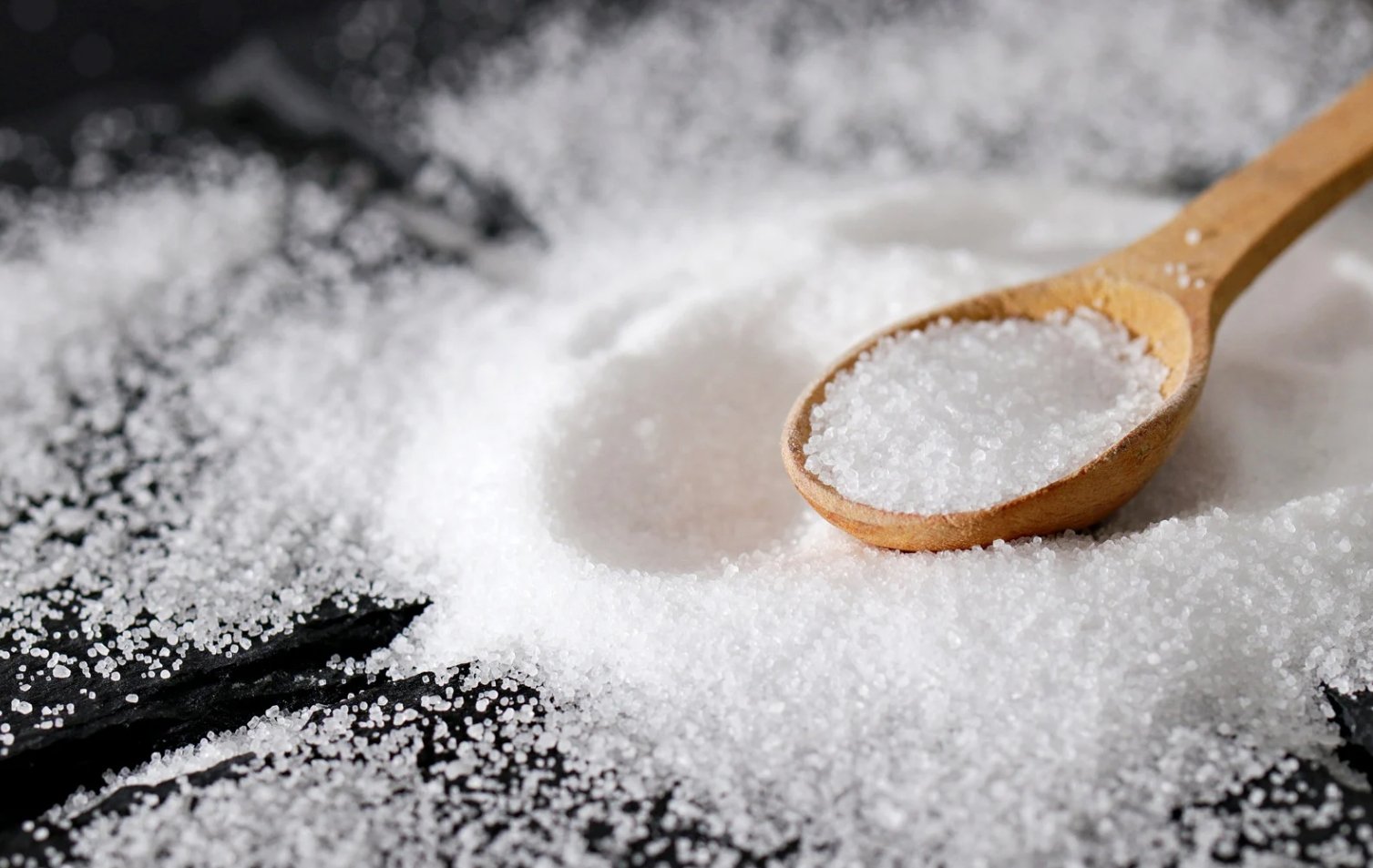
    Food additives are ingredients added to food during processing to enhance shelf life, improve taste, modify color, preserve texture, or create consistency. They include preservatives, flavor enhancers, emulsifiers, colorants, and stabilizers.
    In theory, additives help improve food safety and reduce waste. But in practice, not all additives are created equal. While many are considered safe in small doses, others have come under scrutiny for their possible impact on health, particularly with long-term or cumulative exposure.

    What the EU and US just restricted — and why

    In 2024 and early 2025, both the European Food Safety Authority (EFSA) and the U.S. Food and Drug Administration (FDA) issued updates to their additive regulations.

    • Titanium dioxide (E171) — Banned in the EU for use as a whitening agent in food, including candy and chewing gum. The concern: potential genotoxic effects, meaning it may damage DNA.
    • Red Dye No. 3 (Erythrosine) — Recently restricted in California, with more states considering bans. This dye is used in bright-colored sweets and snacks. It has been linked to hyperactivity in children and possible carcinogenic effects in animal studies.
    • Brominated Vegetable Oil (BVO) — Being phased out in the U.S. after concerns over its impact on the thyroid and nervous system. Previously used in some citrus-flavored sodas.
    Related Article :  how brain stimulation and training can help curb overeating

    These changes mark a shift toward more cautious evaluation, especially regarding additives that remain in the body or impact hormone and cell function.

    The science behind the concerns

    Scientific reviews have raised red flags about certain additives’ long-term effects on health. For example:

    • Genotoxicity: Some additives, like titanium dioxide, may interact with DNA, increasing the risk of mutations over time.
    • Neurotoxicity: Dyes like Red 3 are being re-evaluated for their influence on children’s behavior and concentration levels.
    • Endocrine disruption: Additives like BVO may interfere with thyroid function and hormone balance.

    Most of these findings come from animal studies, but their implications have prompted regulators to apply the precautionary principle — restricting or banning substances even before conclusive human data is available.

    Where you’ll find these additives in daily life

    The challenge with food additives is that they often hide in plain sight. Common products that may contain recently restricted additives include:

    • Colorful candies and chewing gum (Red 3, Titanium Dioxide)
    • Fruit-flavored sodas and energy drinks (BVO)
    • Processed baked goods and frostings
    • Instant noodles and shelf-stable sauces
    • Some breakfast cereals and powdered drink mixes

    To spot them, scan ingredient labels carefully. Look for full names as well as their numerical codes (like E171 or E127).

    Expert advice: How to reduce your exposure safely

    As a doctor, nutritionist, and sports trainer, I recommend a balanced approach. Eliminating every additive may be unrealistic, but reducing exposure is entirely possible — and worthwhile for your long-term health.
    Here are practical ways to begin:

    • Choose whole foods when possible: fresh fruits, vegetables, legumes, and unprocessed grains contain no additives. Read also this article about health products that a tually work.
    • Cook more meals at home: you control what goes in, and avoid hidden ingredients.
    • Shop smart: look for “free from” labels that indicate absence of artificial dyes or preservatives.
    • Limit colorful packaged snacks, especially for children, where additive exposure is harder to regulate by weight.
    • Stay informed: follow updates from health authorities like the EFSA, FDA, or WHO for evolving guidance.
    Related Article :  Enhancing your sleep hygiene: a guide to achieving restful slumber

    Athletes and active individuals should pay particular attention to sports drinks, energy bars, and recovery supplements, which can be high in artificial additives. Opt for cleaner, minimalist formulas.

    Food additives aren’t inherently evil — but not all are as harmless as once believed. The recent restrictions by the EU and the US reflect a growing recognition that what we eat every day can impact long-term wellness, cellular function, and even future generations.
    Rather than fear additives, aim to become a more informed consumer. Read labels. Choose fresh when you can. Ask questions. The more aware you are, the more power you have to make dietary choices that support both your performance and your health.
    Follow on Google News
    Share. Facebook Twitter LinkedIn Email WhatsApp Reddit Telegram Threads Copy Link
    Previous ArticleThe bold new rules of parenting & family for 2025
    Next Article The surprising link between senior and happiness
    Avatar photo
    Frank Jost

    Frank is a seasoned media consultant for LiveWell Magazine, with over two decades of experience in the digital media landscape. His expertise spans online publishing, audience engagement strategies, and health communication. A recognized expert in mutual health insurance, Frank brings a unique perspective that bridges the gap between public health awareness and digital storytelling. He is passionate about making reliable health information accessible to all, and continues to help readers navigate the complexities of wellness and insurance in the digital age. https://www.linkedin.com/in/frank-jost-2097104/

    Continue reading

    What are the six hidden health risks you should be aware of?

    By Amelie Goujon

    Which 7 vitamin C-packed fruits should you try to boost your immunity?

    By Amelie Goujon

    How can finding the best flight deals reduce your travel stress and improve your well-being?

    By Amelie Goujon

    How can better patient-doctor communication help you stay on track with your medication?

    By Amelie Goujon

    What are the top 10 advantages of using a virtual receptionist for your healthcare practice?

    By Amelie Goujon

    The 20-Minute Routine That Could Unlock a Healthier Heart and a Sharper Mind

    By FRANK JOST

    How could Venezuela’s military moves impact your travel safety and well-being in the Caribbean?

    By Amelie Goujon

    Could smoking be permanently harming your eyesight?

    By Amelie Goujon

    Which top 5 companies can help you lower your pharmacy automation expenses?

    By Amelie Goujon

    Daily Routine Discovered in New Study That Could Help Slow Down Aging

    By FRANK JOST

    How can celebrating Día de los Muertos at a Mexican-owned resort enhance your cultural wellness?

    By Amelie Goujon

    Common Contaminants in Tap Water That Prove a Home Filter Is Essential

    By FRANK JOST
    Add A Comment
    Leave A Reply Cancel Reply

    Subscribe to Our Newsletter

    Join the Live Well Magazine Newsletter and get exclusive tips on health, wellness, lifestyle, and personal growth — straight to your inbox.

    Trending
    Health & Safety

    What are the six hidden health risks you should be aware of?

    Fitness

    A 65-Year-Old Fitness Trainer’s Guide to Stocking Up on Healthy Foods at Costco

    Nutrition

    Which 7 vitamin C-packed fruits should you try to boost your immunity?

    Screenings & Prevention

    Enhanced Dosage of Common Vaccine Dramatically Reduces Alzheimer’s Disease Risk

    Natural Remedies

    How can you use castor oil to unlock radiant skin and a healthy glow?

    Fitness

    How many calories do you actually burn by running one mile?

    Facebook
    • About us
    • Contact us
    • Contributors
    • Legal
    • Privacy
    © 2026 livewellmagazine.org.

    Type above and press Enter to search. Press Esc to cancel.