


Understanding the Impact of Healthy Lifestyles on Suicide Risk in Veterans
The connection between healthy lifestyles and mental well-being has garnered increasing attention in recent research, especially concerning vulnerable groups like veterans. A groundbreaking study published in the International Journal of Mental Health and Addiction spotlights how veterans who embrace positive lifestyle choices significantly reduce their suicide risk. This population, often wrestling with challenges unique to their service experiences, benefits heavily from holistic approaches that address physical and mental health in tandem.
Healthy behaviors including regular physical activity, balanced nutrition, and consistent engagement with prescribed treatments are vital protective factors. For instance, veterans incorporating daily exercise routines not only enhance their physical fitness but also trigger neurochemical changes that bolster mood and combat depression. Nutritional habits also play a crucial role; diets rich in omega-3 fatty acids, antioxidants, and vitamins support brain health, reducing vulnerabilities to suicidal ideation.
Taking a broader view, mental health professionals highlight adherence to therapy sessions and medication regimes as pillars of wellbeing among veterans. Those who maintain routine contact with healthcare providers tend to report fewer crises and better emotional regulation. The integration of lifestyle interventions into mental health care creates a synergy that elevates resilience. This relationship was confirmed by analyzing large datasets tracking veterans’ engagement across physical and psychological health domains.
Moreover, the study underscores that healthy lifestyles act not only as preventative strategies but also as empowering tools that give veterans a sense of control over their recovery journey. The empowerment derived from making conscious, health-oriented decisions fosters self-efficacy and optimism, two critical factors that shield against feelings of hopelessness, a known predictor of suicide risk. These findings align with previous research emphasizing lifestyle interventions for suicide prevention across varied communities, reinforcing that tailored approaches are needed for veterans.
10 quick checks to spot low-quality supplements before you buy - plus research-backed doses for 12 common ingredients. Free PDF, no spam.
In practical terms, programs integrating exercise regimens, nutritional counseling, and mental health follow-ups have shown promising outcomes. Veterans participating in structured group fitness activities often report increased social interaction and a renewed sense of purpose, amplifying the benefits beyond individual health. Such multifaceted interventions demonstrate the necessity of addressing mental health through a comprehensive lens that respects the complexities of veterans’ lived experiences.
This emphasis on lifestyle modification complements broader suicide prevention strategies by weaving physical well-being into the narrative of mental health recovery, shining a light on actionable avenues that healthcare providers and community organizations can champion to reduce suicide risk among veterans.
The Critical Role of Social Bonds and Support Networks in Veteran Suicide Prevention
Social bonds rank among the most potent protective factors against suicide in veterans, as emphasized by a plethora of studies including insights from recent research from Yale University. Veterans often face social isolation stemming from reintegration challenges, stigmatization, or physical impairments linked to service. These factors can severely erode their support networks, leading to amplified suicide risk.
Strong social connections provide emotional resilience, a buffer that helps individuals navigate adverse life situations without succumbing to mental health crises. For veterans, the availability of reliable support systems comprising family members, peers, and community resources fosters belongingness—an essential antidote to loneliness and despair. Such bonds also facilitate early identification of distress signals, enabling timely interventions.
Research from the VA’s comprehensive literature review on social support highlights that veterans participating in group therapy or peer support groups experience lower instances of suicidal ideation compared to those without social engagement. Family involvement in treatment plans has similarly shown to improve adherence and bolster motivation.
Support networks extend beyond immediate circles, as community-level variables like accessible health insurance and socioeconomic stability can dramatically influence suicide risk. The Centers for Disease Control and Prevention reports that communities with higher income and internet access display reduced suicide rates, underscoring the importance of robust social infrastructure. These conditions empower veterans by facilitating connections to resources and reducing social isolation.
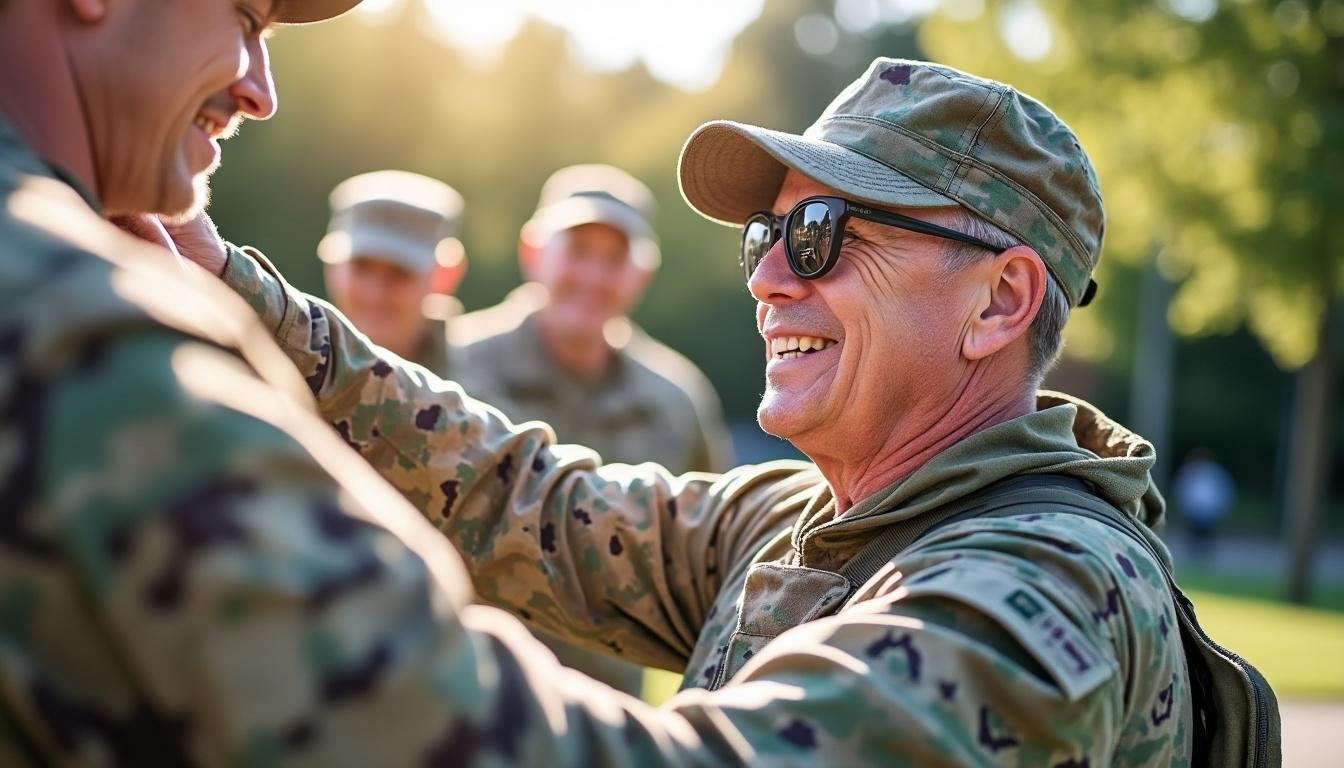
Importantly, social bonds do more than provide emotional comfort; they cultivate a sense of purpose and shared identity. Veterans engaged in community organizations or veteran affinity groups benefit from camaraderie reminiscent of their service experience, which is crucial for sustained mental health improvement. Programs aiming to enhance social connectedness are increasingly recognized as essential components of suicide prevention, with measurable improvements observed in connectedness correlating with declines in suicidal behaviors.
By understanding and fostering the social drivers affecting veterans’ mental health, stakeholders can develop targeted initiatives that strengthen these bonds and ultimately mitigate suicide risk. These findings advocate for mental health services that integrate family and community involvement effectively, creating multifaceted support ecosystems.
Synergizing Healthy Lifestyles and Social Bonds for Enhanced Mental Health Resilience in Veterans
Exploring the interaction between healthy lifestyles and social bonds reveals a powerful synergy in lowering suicide risks among veterans. The wellness journey is multidimensional; combining physical well-being with rich social relationships amplifies resilience in profound ways.
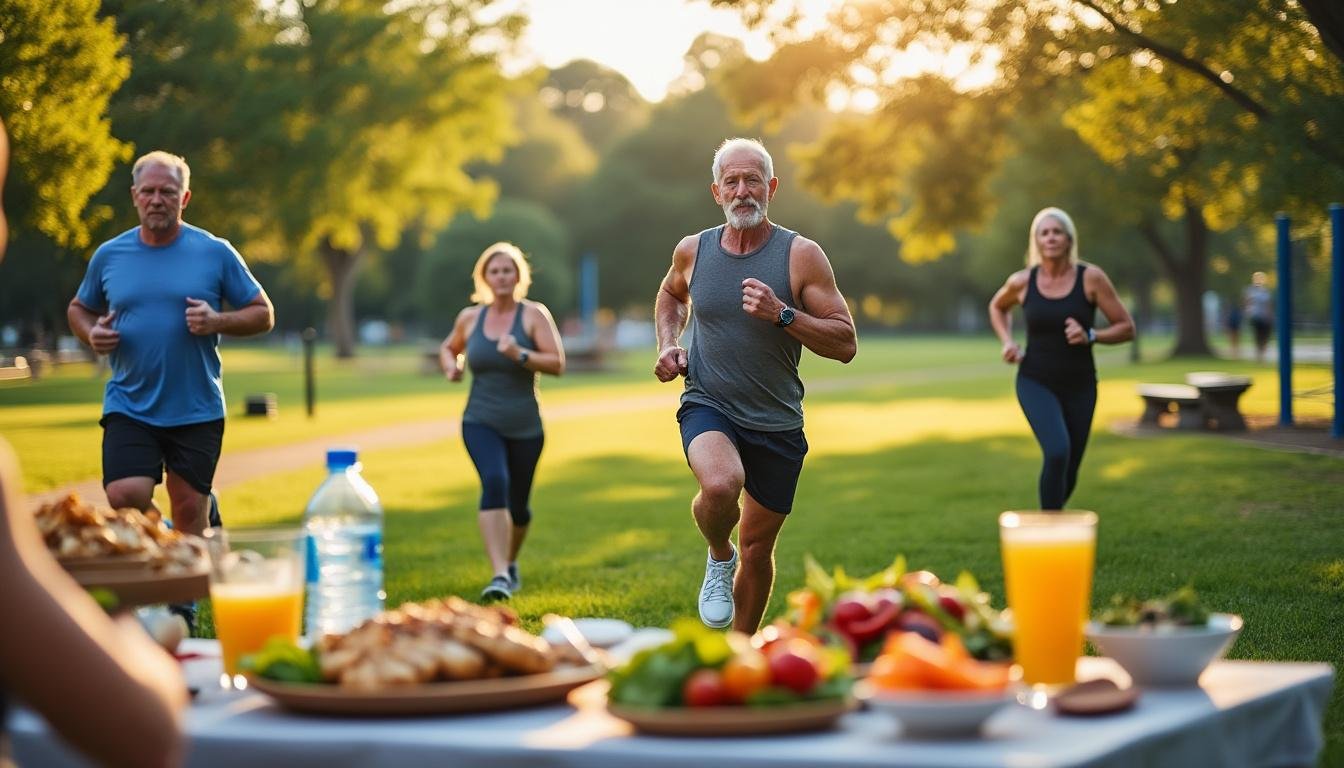
Veterans who engage regularly in physical activities often do so within group settings or clubs, which simultaneously encourage healthy habits and social interaction. This combination provides dual benefits: physiological improvements accompanied by a supportive social framework. For example, community biking groups or fitness classes targeted at veterans provide opportunities for peer support, motivation, and social bonding.
Adherence to healthy routines through social encouragement creates momentum. Friends or peers can act as accountability partners, promoting consistency that may otherwise falter due to motivational challenges often linked with mental health disorders. This dynamic is supported by findings that veterans involved in structured social programs exhibit greater compliance with medication and therapy than those with limited social support.
Moreover, the sense of belonging embedded within social bonds enhances emotional regulation and coping strategies—a crucial buffer against suicidal ideation. Activities promoting social connectedness often involve shared goals and mutual encouragement, which can evoke feelings of accomplishment and hope. These outcomes contribute substantially to improving overall well-being and preempting crises.
Integrating lifestyle change initiatives alongside social bonding efforts aligns with holistic prevention models. Mental health professionals advocate for programs that combine nutritional education, physical activity promotion, and social skill-building workshops tailored specifically for veterans. Such integrative approaches honor the intricate interplay of mind and body healing necessary for long-term mental health improvements.
Encouragingly, recent studies have begun to quantify the impact of these synergistic effects, offering data-driven validation of integrative prevention strategies. Strong interdisciplinary collaborations between mental health experts, community organizers, and veteran affairs are essential for scaling these programs successfully and sustainably.
Barriers to Healthy Lifestyles and Social Connections: Challenges and Solutions in Veteran Populations
Despite the clear benefits of healthy lifestyles and social bonds, veterans often encounter substantial obstacles that hinder engagement in such preventive factors. Understanding these barriers is essential to crafting effective interventions.
Common challenges include physical limitations from injuries sustained during service, which can restrict participation in exercise or social activities. Chronic pain or mobility impairments may lead to isolation and depressive symptoms, complicating efforts to maintain healthy habits.
Mental health stigma within veteran communities further discourages seeking help or engaging in group therapies, limiting access to support networks. This stigma can lead to reluctance in discussing emotional struggles or accessing mental health services, perpetuating feelings of alienation.
Additionally, socioeconomic factors such as unemployment, housing instability, and lack of healthcare access exacerbate vulnerabilities. Veterans without stable employment or secure housing are less likely to participate in structured programs or maintain regular therapy appointments. Rural veterans may also face geographic isolation hindering access to vital services.
Addressing these barriers requires multifaceted approaches:
- Accessibility-focused adaptations: Developing physical activity programs tailored to varying ability levels and providing transportation or virtual options to overcome geographic limitations.
- Combatting stigma: Promoting awareness campaigns and peer-led support groups that normalize mental health challenges and encourage open communication.
- Socioeconomic support: Integrating mental health and social services with employment and housing assistance, ensuring a comprehensive safety net.
- Technology utilization: Leveraging telehealth and online communities to maintain social connections and deliver healthcare remotely, particularly crucial for rural veterans.
- Family involvement: Encouraging family members to participate in treatment plans can improve engagement and reinforce support systems.
By confronting these systemic and personal hurdles, mental health programs can better facilitate veterans’ access to the benefits of healthy lifestyles and robust social ties. Recent reviews and guidelines from the Veterans Affairs highlight the importance of tailored strategies to overcome these barriers, emphasizing that prevention is most effective when individualized and context-aware.
Innovative Community-Based Prevention Programs Promoting Veteran Well-Being
Community initiatives represent a vital frontier in the ongoing effort to reduce suicide risk among veterans by promoting healthy lifestyles and fostering social bonds. Programs blending prevention, engagement, and support illustrate the potential for grassroots impact when tailored specifically to veteran needs.
One illustrative example is the successful integration of peer mentorship within veteran wellness programs. Mentors who share similar military backgrounds serve as relatable figures, offering guidance, empathy, and encouragement to those struggling with mental health or social isolation. This model frames resilience as a collective journey, reducing stigma and enhancing trust.
Local partnerships involving healthcare providers, veteran organizations, and community centers have developed multifaceted initiatives that simultaneously address physical health, mental health, and social engagement. These programs may include weekly group fitness classes, nutritional workshops, and social outings designed to rekindle connections.
Moreover, these efforts often incorporate technology to sustain reach and accessibility. Virtual support groups or fitness challenges hosted online ensure continuous engagement, especially in times when in-person interaction is limited. Evaluations confirm that veterans participating in these community-centric programs experience measurable improvements in well-being and feelings of connectedness.
The Centers for Disease Control and Prevention’s guidance on prevention underscores the influence of local economic and social conditions on suicide risk, advocating for community-based approaches to build resilience. Studies published in sources like Frontiers in Psychiatry emphasize that strengthening social bonds through community action is a promising prevention strategy.
In essence, these innovative programs embody a holistic vision, where the combined power of healthy lifestyle promotion and social network reinforcement converges to support veterans in maintaining mental health stability. By empowering veterans within their communities, these initiatives foster sustainable improvements and present a roadmap for nationwide suicide prevention efforts.
What lifestyle habits can veterans adopt to reduce suicide risk?
Veterans can lower their suicide risk by maintaining regular physical activity, following a balanced nutritious diet, adhering to treatment plans, and engaging in mental health therapies. These healthy habits improve both physical and mental well-being, fostering emotional resilience.
How important are social connections for veterans’ mental health?
Strong social bonds provide veterans with emotional support, reduce feelings of isolation, and create a sense of belonging. These connections are critical in mitigating suicide risk by offering timely intervention opportunities and fostering resilience against mental health challenges.
What challenges do veterans face in maintaining healthy lifestyles and social ties?
Barriers include physical injuries, mental health stigma, socioeconomic difficulties, geographic isolation, and lack of access to services. Overcoming these requires adaptive programs, stigma reduction campaigns, socio-economic support, family involvement, and technological solutions such as telehealth.
How do community programs contribute to veteran suicide prevention?
Community-based initiatives offer integrated support involving physical health, mental health, and social engagement. By fostering peer mentorship, offering group activities, and leveraging technology, these programs build resilience and reduce suicide risk among veterans through comprehensive preventive measures.
Where can veterans seek help for mental health crises?
Veterans can access mental health services through the Department of Veterans Affairs, community mental health centers, telehealth platforms, and peer support organizations. It is critical to seek help early through outpatient programs or emergency departments when in crisis.
10 quick checks to spot low-quality supplements before you buy - plus research-backed doses for 12 common ingredients. Free PDF, no spam.

1 Comment
Pingback: From burn survivor to advocate: how childhood injury inspired a life of helping others - LiveWell Magazine