

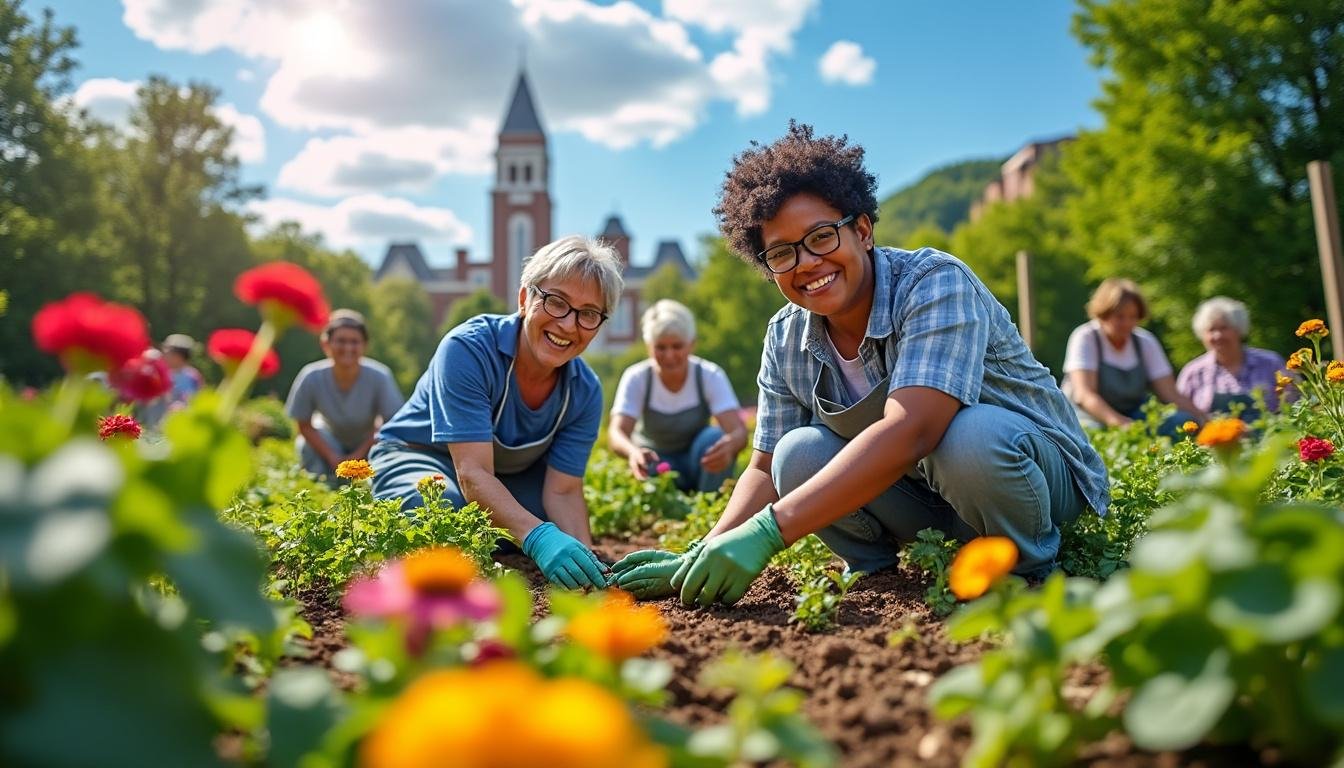
Emerging research from the Ohio State University has illuminated an inspiring approach to enhancing recovery for cancer survivors: gardening. Integrating horticultural therapy into cancer rehabilitation has opened new pathways to improve not only physical health but also mental well-being and social connection among survivors. As oncology care pivots towards holistic and lifestyle-based interventions, programs like Ohio State’s Garden of Hope provide fertile ground—both literally and figuratively—for patient support and health recovery.
At the intersection of therapeutic gardens and evidence-based oncology, a comprehensive research study spearheaded by Ohio State University investigators reveals that engaging cancer survivors in gardening activities contributes significantly to improved wellness outcomes. Beyond simply cultivating plants, participants harvest renewed strength, alleviated stress, and enhanced motivation to sustain healthy diet and exercise habits tailored to survivorship goals.
Gardening acts as a non-pharmacological intervention that complements traditional cancer treatments. The proactive involvement in planting, tending, and harvesting stimulates rehabilitation processes that are often undermined by the fatigue, anxiety, and nutritional challenges accompanying cancer journeys. Furthermore, this connection to nature situates survivors in a nurturing environment, fostering resilience and a profound sense of agency over their health.
Amidst growing interest in multifaceted recovery programs, Ohio State University’s integration of horticultural therapy with nutrition education represents an innovative model. It demonstrates how academic medical centers can translate research evidence into accessible, community-oriented initiatives targeting quality of life improvements. The program’s success is amplified by collaborative partnerships engaging caregivers, healthcare providers, and survivors themselves in a dynamic support network.
10 quick checks to spot low-quality supplements before you buy - plus research-backed doses for 12 common ingredients. Free PDF, no spam.
As we delve into the dimensions of this research and its practical applications, this comprehensive exploration unpacks the mechanisms through which gardening cultivates healing. From physiological benefits to psychosocial enrichment and long-term lifestyle impacts, the insights offered illuminate a garden’s growth as a metaphor for survivor transformation and rehabilitation.
Gardening as a Therapeutic Tool for Cancer Survivors: Insights from Ohio State University Research
The Ohio State University’s pioneering study on gardening for cancer survivors establishes a robust connection between horticultural therapy and enhanced health recovery. Participants in the program engage with a variety of gardening activities designed to support physical rehabilitation and mental wellness.
The research highlights several key mechanisms through which gardening positively impacts cancer survivors:
- Physical Rehabilitation: Gardening tasks such as digging, planting, and weeding promote gentle physical activity, improving strength and mobility.
- Stress Reduction: Immersive interaction with plants and soil decreases cortisol levels, helps mitigate anxiety, and enhances mood stabilization.
- Nutrition Awareness: Growing fruits and vegetables encourages healthier eating patterns critical for post-treatment recovery.
- Social Engagement: Group gardening experiences foster community and shared purpose among survivors.
- Empowerment: Completing gardening cycles instills a sense of accomplishment contributing to improved self-esteem.
These findings are supported by various qualitative testimonials from participants who describe gardening as a form of “moving meditation” that reconnects them to life and vitality amid the uncertainty of cancer survivorship.
The study, published in a detailed report available here, also explores the logistical and emotional lessons learned from implementing the program at Ohio State’s Waterman Agricultural and Natural Resources Laboratory. Through this, researchers developed best practices for integrating gardening into oncology care frameworks effectively.
| Benefit | Description | Example Activities |
|---|---|---|
| Physical Rehabilitation | Enhances strength, mobility, and endurance through low-impact activities | Planting seeds, watering, digging, harvesting |
| Psychological Well-being | Reduces anxiety, depression, and symptoms of PTSD related to cancer trauma | Mindful tending, sensory engagement with plants |
| Nutrition Support | Encourages consumption of fresh, garden-grown produce for better diet quality | Harvesting vegetables, cooking demonstrations |
| Social Connection | Facilitates bonding and mutual support among survivors | Group gardening sessions, community events |
| Self-Efficacy | Promotes confidence through tangible achievement and care | Planning garden plots, tracking growth progress |
Such structured engagement addresses numerous facets of survivorship health, laying groundwork for sustainable well-being.
How the Garden of Hope Program Enhances Wellness and Patient Support at Ohio State University
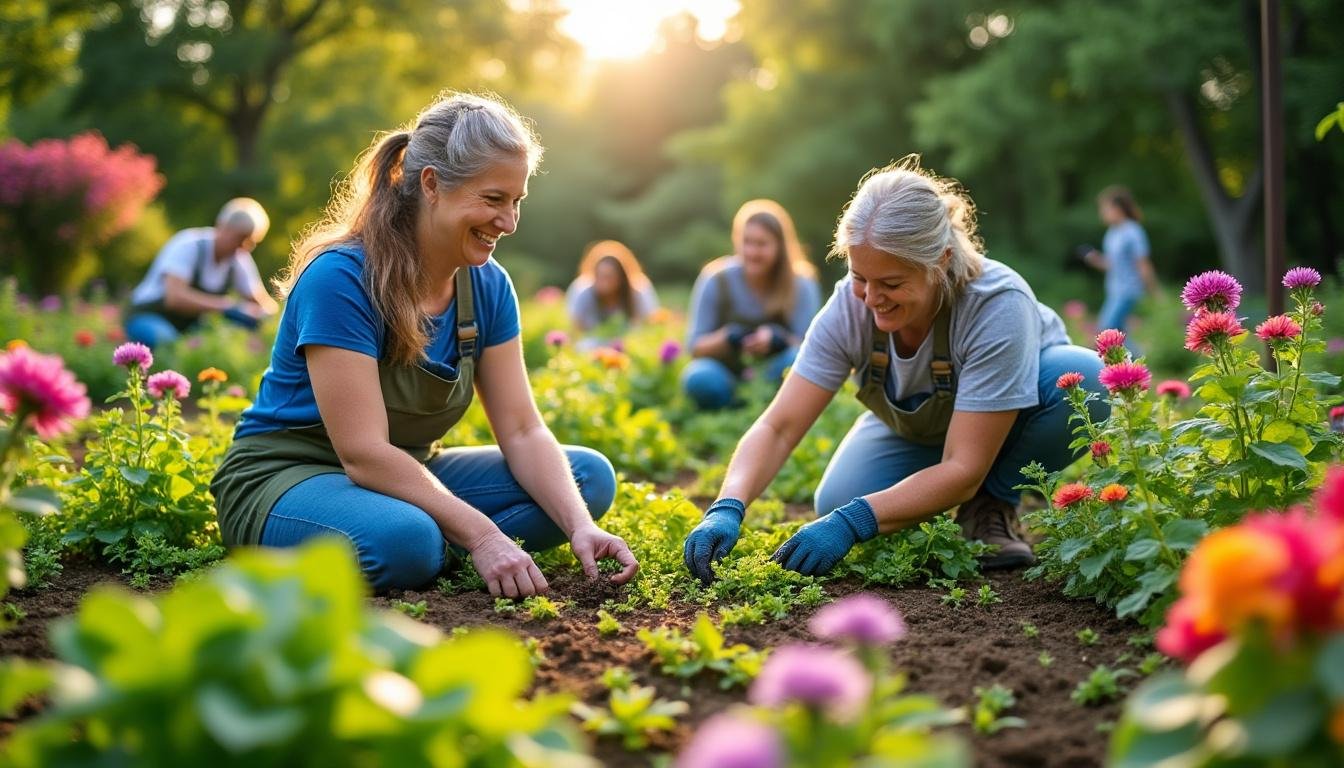
At the heart of Ohio State University’s approach lies the Garden of Hope, a unique initiative combining gardening with nutrition education specifically tailored for cancer survivors. Located on a 1.5-acre site at the university’s Waterman Agricultural and Natural Resources Laboratory, the garden integrates therapeutic design with abundant produce cultivation.
The program’s structure offers participants a rich experience that combines hands-on farming skills with guidance on maintaining dietary patterns beneficial for long-term health. It is a partnership between the Ohio State University Comprehensive Cancer Center and Nationwide Children’s Hospital, thereby bridging adult and pediatric survivor communities.
Key features of the Garden of Hope program include:
- Variety of Produce: Grow over 100 varieties of vegetables, fruits, herbs, and edible flowers, offering diverse nutritional options.
- Seasonal Engagement: Participants join from June to October, harvesting crops aligned with natural growing cycles.
- Educational Workshops: Integrated sessions teach the importance of healthful dietary patterns and food preparation based on garden yields.
- Support Networks: Caregivers, healthcare professionals, and survivors collaborate, fostering mutual reinforcement and shared learning.
- Lifestyle Integration: Encourages adoption of behaviors aligned with current cancer survivorship guidelines.
These elements create an immersive rehabilitation environment where survivors reclaim agency over their health through nature-based activity and informed nutrition choices. The program exemplifies how therapeutic gardens function not only as physical spaces but also as hubs of community and education.
| Program Aspect | Impact on Survivors | Support Provided |
|---|---|---|
| Hands-on Farming | Improves physical endurance and dexterity | Guidance from horticulturists and therapists |
| Nutrition Education | Promotes better eating habits and weight management | Workshops and cooking classes |
| Community Engagement | Reduces isolation and fosters peer support | Group activities and social events |
| Emotional Healing | Encourages mindfulness and reduces emotional distress | Counseling support integrated |
| Lifestyle Coaching | Supports adoption of sustainable healthy practices | One-on-one counseling and follow-up |
Such comprehensive patient support reflects an emerging paradigm in cancer rehabilitation that values holistic, patient-centered care. The Garden of Hope serves as a beacon for how such interdisciplinary approaches can be scaled and adapted across oncology centers.
Health Recovery Through Gardening: Physiological and Psychological Benefits for Cancer Survivors
The therapeutic impact of gardening on health recovery transcends mere physical activity; its psychological benefits form an equally vital component of patient rehabilitation. Ohio State University’s research underscores the dual advantages afforded by horticultural therapy.
Physiological Benefits: Gardening promotes increased cardiovascular activity and muscle tone without the strain of conventional exercise, making it accessible for survivors with varied energy levels. Exposure to sunlight facilitates vitamin D synthesis, crucial for immune function and bone health. Additionally, engaging with living plants can boost neuroendocrine responses that reduce inflammation and improve mood.
Psychological Benefits: Contact with nature has long been linked to stress alleviation. Gardening particularly offers a meditative experience, fostering focus and presence that can decrease intrusive thoughts linked to cancer-related trauma. The nurturing process strengthens hope and purpose, which are significant motivators within rehabilitation.
- Improved sleep patterns documented among participants
- Reduced symptoms of anxiety and depression
- Strengthened resilience and optimism
- Reinforced sense of community and belonging
The program also addresses nutrition’s critical role in recovery by connecting survivors with fresh produce, complementing clinical dietetic advice from resources such as the Ohio State University Cancer Center’s nutrition guidelines here.
| Health Domain | Benefit of Gardening | Physiological/Psychological |
|---|---|---|
| Cardiovascular Fitness | Low-impact activity supports heart health | Physiological |
| Immune Function | Vitamin D production enhances defenses | Physiological |
| Stress Reduction | Exposure to nature lowers cortisol levels | Psychological |
| Mood Enhancement | Promotes serotonin release and engagement | Psychological |
| Sleep Quality | Natural activity rhythms improve sleep cycles | Both |
Understanding these benefits invites further integration of horticultural therapy within oncology and rehabilitation fields, offering scalable, patient-friendly interventions supporting sustained wellness.
Rehabilitation and Lifestyle Transformation Through Gardening: A Pathway to Long-Term Wellness
Gardening as a rehabilitation tool fosters transformative lifestyle changes that align profoundly with cancer survivorship guidelines developed at Ohio State University Comprehensive Cancer Center. These guidelines emphasize diet, physical activity, and psychosocial support—all central themes within the Garden of Hope initiative.
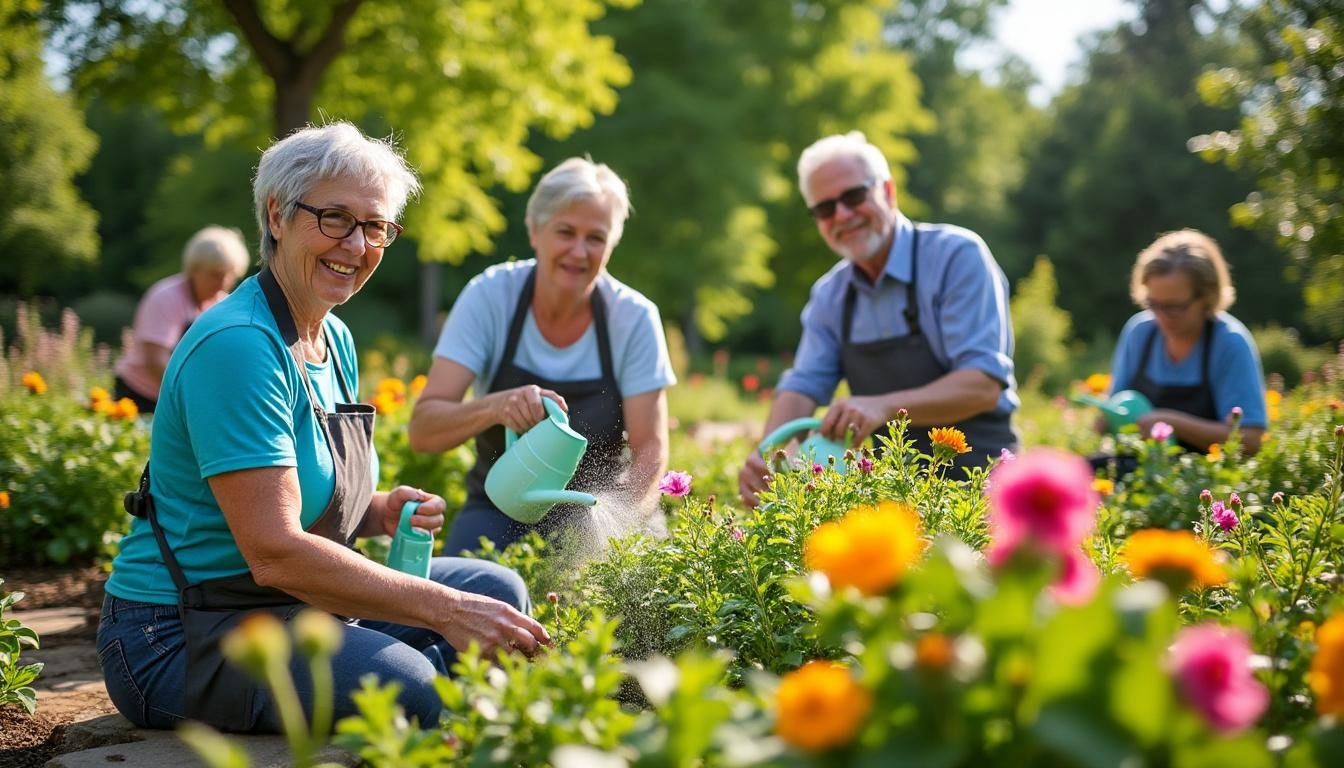
Participants report adopting healthier daily routines linking physical movement, balanced nutrition, and stress management, which collectively enhance quality of life. The hands-on nature of gardening discourages sedentary habits and encourages proactive health stewardship.
Key lifestyle transformations observed include:
- Consistent Physical Activity: Regular engagement with gardening increases daily energy expenditure.
- Improved Dietary Choices: Access to fresh produce inspires a diet richer in fruits and vegetables.
- Mindfulness and Emotional Balance: Nature engagement supports mental health maintenance.
- Community Building: Social interactions encourage adherence to healthy habits.
- Self-Empowerment: Survivors cultivate autonomy over their recovery and life trajectory.
This approach echoes broader public health findings, as reflected in resources offering strategies for incorporating healthy habits daily, such as those highlighted on Live Well Magazine.
| Lifestyle Aspect | Benefit | Program Integration |
|---|---|---|
| Physical Activity | Reduces fatigue, improves strength | Daily gardening routines |
| Nutrition | Supports immune system, weight management | Garden harvest diet education |
| Stress Management | Enhances emotional resilience | Mindfulness through gardening |
| Community Support | Improves motivation and social well-being | Group activities and events |
| Empowerment | Increases confidence and personal control | Tracking garden progress and outcomes |
By encouraging these elements, Ohio State’s program underscores the importance of sustained interventions beyond medical treatment, contributing to lasting health recovery.
Community Impact and Future Directions: Scaling Gardening Programs for Cancer Survivorship
The success of the Ohio State University’s gardening initiatives for cancer survivors has demonstrated substantial community benefits, prompting interest in expanding such programs across broader populations. This model highlights a promising framework for integrating horticultural therapy in public health strategies to address patient support and rehabilitation holistically.
Community-based gardening initiatives contribute by:
- Reducing Healthcare Burden: By improving recovery and reducing recurrent complications.
- Enhancing Social Equity: Providing accessible wellness resources across diverse survivor demographics.
- Fostering Education: Raising awareness on nutrition and healthy lifestyle practices.
- Building Partnerships: Engaging local organizations, healthcare providers, and volunteers.
- Encouraging Research: Creating data repositories to refine therapeutic gardening interventions.
Researchers and clinicians advocate for greater funding and policy support to integrate garden-based rehabilitation programs as standard components of survivorship care planning. Ohio State University’s comprehensive approach serves as a model worthy of replication, marrying rigorous research with compassionate patient empowerment.
| Community Benefit | Description | Potential Impact |
|---|---|---|
| Healthcare Improvement | Reduced readmissions and complications | Lower overall treatment costs |
| Social Inclusion | Equal access for underserved groups | Decreased health disparities |
| Educational Outreach | Promotes informed health choices | Increased survivor empowerment |
| Collaborative Networks | Multi-sector partnerships foster innovation | Enhanced program sustainability |
| Evidence Generation | Ongoing research to optimize therapy | Improved best practices |
As public health moves towards integrative models of care, gardening as a therapeutic intervention encapsulates the synergy between nature, science, and human resilience. Insights from Ohio State’s study and Garden of Hope program factor prominently into this evolving landscape of cancer survivorship support.
Frequently Asked Questions About Gardening and Cancer Survivorship
- Q: How does gardening specifically benefit cancer survivors?
Gardening promotes physical activity, reduces stress, encourages nutrition, and fosters social connection—all crucial for recovery and wellness. - Q: Can gardening be adapted for survivors with limited mobility?
Yes, raised garden beds, container gardening, and adaptive tools enable participation regardless of physical limitations. - Q: Is the Garden of Hope program open to all types of cancer survivors?
The program welcomes survivors from diverse cancer types and stages, emphasizing inclusive rehabilitative support. - Q: What resources help maintain healthy eating after participating in gardening programs?
Ohio State’s cancer center offers comprehensive nutrition guidance, available here, supporting sustained diet improvements. - Q: How can other institutions replicate Ohio State University’s gardening program?
Utilizing published research like this study along with best practice guidelines can assist in designing and implementing effective programs.
10 quick checks to spot low-quality supplements before you buy - plus research-backed doses for 12 common ingredients. Free PDF, no spam.
