


Understanding the Importance of Gut Health in Healthy Aging After 50
As you enter your 50s and beyond, your body begins to send subtle signals that your gut needs extra attention. This might manifest as increased bloating, irregular digestion, or even unexpected dips in energy. These changes are not merely inconveniences; they reflect the intricate relationship between your gut health and your overall well-being during this stage of life. Unlike what many assume, digestive wellness after 50 is pivotal not only for nutrient absorption but also for regulating your immune system, mood, and energy levels.
The gut microbiome, comprised of trillions of bacteria residing in your digestive tract, functions much like a bustling community that thrives on balance and diversity. However, with age, this balance can shift due to hormonal changes, medication use, and lifestyle factors. Disruptions in this microbial ecosystem can lead to symptoms such as bloating, gas, constipation, fatigue, and mood swings. Recognizing these signals early empowers you to take meaningful steps toward nurturing your gut and promoting healthy aging.
Supporting your gut after 50 enhances not just digestion but your body’s resilience as a whole. The gut is responsible for synthesizing a significant portion of serotonin, known as the “feel-good” hormone, which influences mood and cognitive function. Additionally, a large part of your immune defense originates in the gut, guarding against pathogens and inflammation. When the microbiome is well maintained, nutrient absorption improves, energy levels stabilize, and joint discomfort often diminishes.
For instance, consider the case of a woman named Carol, who noticed after turning 52 that her afternoon energy slumped and she often felt uneasy after meals. By focusing on gut health, integrating probiotics and fiber-rich foods into her diet, and managing stress, Carol regained her vitality and digestive comfort within months. Her story underscores that nurturing gut health is a transformative journey, not a challenge limited to the young. It’s about adapting to your body’s changing needs and adopting sustainable habits.
Many resources now emphasize the significance of gut health for people over 50, with detailed strategies offered for practical implementation. To delve deeper into actionable steps tailored to this life stage, you can explore expert advice on 7 practical habits to improve gut health over 50.

Essential Nutritional Strategies to Boost Digestive Wellness After 50
Nutrition forms the cornerstone of gut health, especially as the digestive system undergoes natural changes with age. At the heart of lasting digestive wellness is a balanced diet that prioritizes nutrient density and diversity. Consuming a variety of whole foods ensures your gut receives essential vitamins, minerals, and antioxidants necessary for optimal microbiome function.
One vital component in this strategy is gradually increasing fiber intake. Fiber acts as a prebiotic, nourishing beneficial bacteria and keeping the digestive tract flowing smoothly. Excellent fiber sources include fruits like berries and apples, leafy greens, whole grains such as quinoa and oats, and legumes like lentils and beans. However, it’s crucial to integrate fiber slowly into your diet to avoid sudden bloating and discomfort, allowing your digestive system to adapt comfortably.
Adding fermented foods, which contain natural probiotics, can further enhance gut balance. Examples include yogurt, kefir, sauerkraut, kimchi, and kombucha. Including at least a small portion daily helps replenish the diversity of gut bacteria, which tends to diminish with age. For those who find it challenging to access fermented foods consistently, high-quality probiotic supplements can be a supportive alternative.
Meanwhile, minimizing processed foods and added sugars remains a critical focus. These foods often foster the growth of harmful bacteria, disrupting the gut ecosystem and exacerbating symptoms like inflammation and irregular digestion. Swapping processed snacks for nuts, fresh fruits, or homemade vegetable dishes gradually shifts your palate toward healthier choices, often reducing cravings for sugary foods over time.
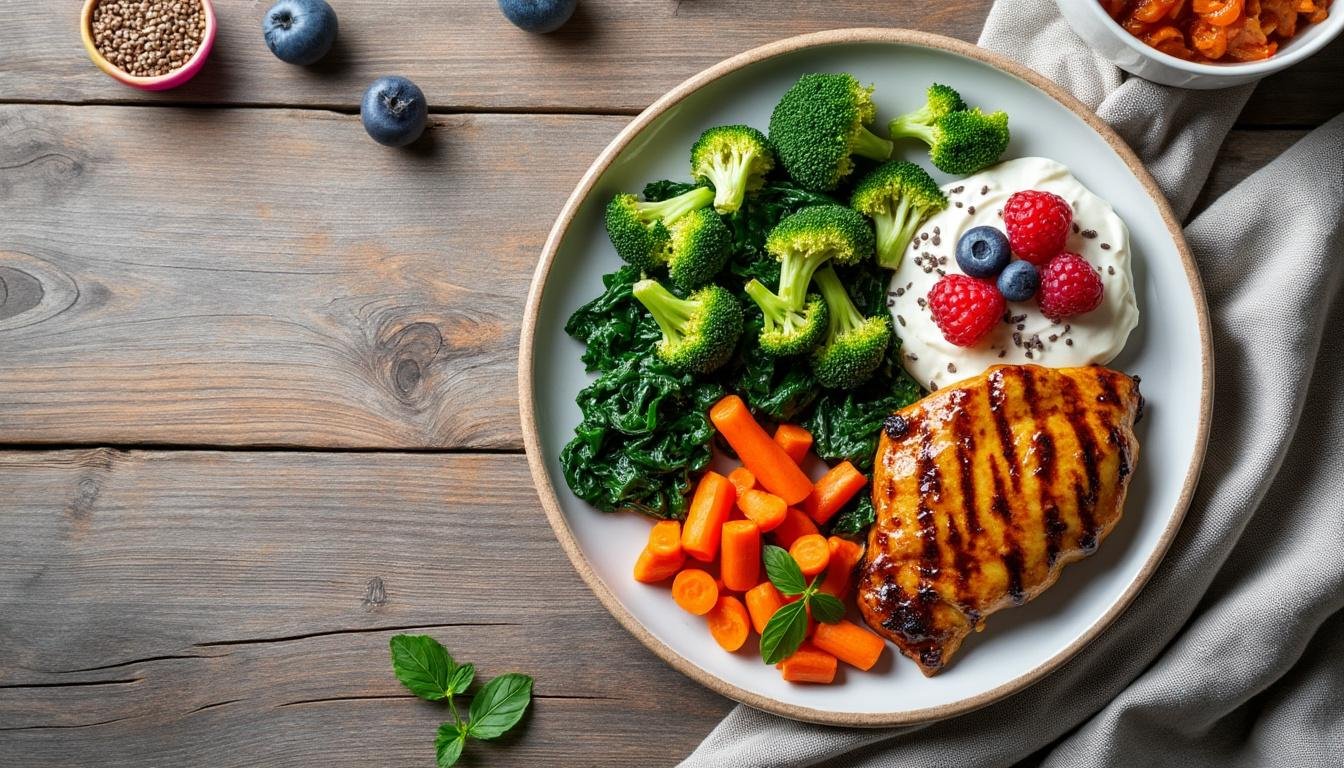
To illustrate, a practical meal plan might include a breakfast of overnight oats topped with berries and flax seeds, a lunch salad featuring mixed greens, chickpeas, and avocado, and dinner with baked salmon alongside steamed broccoli and quinoa. Staying hydrated complements this nutritional approach by facilitating digestion and nutrient transport, highlighting the need for sufficient water intake throughout the day.
For a comprehensive understanding of optimal gut-friendly food choices tailored to midlife and beyond, you may refer to dietary expert guidance available at what to eat for better gut health.
Physical Activity and Stress Management: Pillars of Digestive Wellness at Midlife
Maintaining physical activity and managing stress are equally vital habits that nurture your gut and overall digestive wellness after 50. Exercise supports a diverse and healthy gut microbiome by reducing inflammation and promoting regular bowel movements. While intense workouts are not necessary, gentle cardio such as walking, swimming, or cycling provides effective stimulation for digestive motility and microbiome diversity.
For many women, incorporating a 20-minute walk post meals is a simple yet powerful strategy to enhance digestion and combat sluggishness. Additionally, low-impact exercises like yoga and stretching not only benefit joint health but also promote mindfulness and relaxation, which directly affect gut function.
Stress management is another critical, often overlooked factor in gut health. Chronic stress triggers physiological responses that disrupt gut flora balance and slow digestion. This can cause symptoms like bloating, cramps, and altered bowel habits. Realistic stress reduction methods that fit into busy lives are essential. Techniques such as deep breathing exercises, spending time outdoors, yoga, and setting healthy personal boundaries help mitigate stress without overwhelming schedules.
A practical daily routine could include starting the morning with mindful breathing, taking a short walk after lunch, and winding down with gentle yoga in the evening. These activities help maintain a calm state, which fosters optimal gut environment and supports a robust immune system.
In 2026, contemporary research continues to emphasize the gut-brain axis, highlighting how stress and emotions intricately influence gut bacteria and digestive health. For further reading on integrating physical and mental wellness for gut health, explore insights at healthy gut, healthier aging.
Smart Supplement Use and Hydration for Supporting Gut Balance
While a balanced diet remains the foundation of gut health, supplements can provide valuable support, especially when nutritional intake is inconsistent due to lifestyle or medical reasons common after 50. Probiotics can reintroduce beneficial bacteria strains, supporting microbiome diversity and digestive function. When selecting probiotics, look for products offering multiple strains of Lactobacillus and Bifidobacterium with suitable potency for daily use.
Other supplements beneficial for gut health include prebiotics, which serve as food for good bacteria, digestive enzymes to improve nutrient breakdown, magnesium for regularity and relaxation, collagen for gut lining integrity, omega-3 fatty acids to reduce inflammation, and vitamin D to enhance immune response.
Hydration goes hand in hand with supplementation and diet. Drinking adequate water daily supports digestion by helping break down food and facilitating fiber’s movement through the intestines. Dehydration can lead to constipation and discomfort, common complaints among older adults. Generally, aiming for at least eight glasses of water per day, adjusting for activity level and climate, is advisable.
For example, adding a probiotic supplement alongside increasing water intake and eating fiber-rich meals creates a synergistic effect that fosters noticeable improvements in digestive comfort and energy. If you want detailed guidance on supplement strategies for midlife gut health, check expert plans like those shared in Improve Gut Health.
Practical Daily Digestive Habits to Cultivate Lasting Gut Wellness
Establishing consistent daily digestive habits is crucial to nurturing your gut across the decades. Simple lifestyle adjustments, when practiced regularly, often yield significant benefits. Here are some pragmatic tips:
- Consume balanced meals that combine fiber, protein, and healthy fats to stabilize digestion and blood sugar.
- Hydrate consistently throughout the day, not just at mealtimes, to aid nutrient absorption.
- Incorporate physical activity such as walking or gentle stretching after eating to encourage motility.
- Use mindful eating techniques, including eating slowly and chewing thoroughly, to reduce digestive burden.
- Limit processed and sugary foods to prevent imbalance in gut bacteria and inflammation.
- Include fermented and prebiotic foods daily to support microbial diversity.
- Manage stress through simple practices like breathing exercises or short meditative pauses.
- Prioritize restful sleep by establishing calming bedtime routines that promote gut recovery overnight.
By incorporating these steps gradually, you pave the way for a resilient gut and improved quality of life. The goal is progress, not perfection. As you age, maintaining a gut-friendly routine compatible with your lifestyle can profoundly influence your vitality.
For more Ideas on nurturing your digestive health with daily habits and routines that support your golden years, consult comprehensive guides like The 50+ Guide to Gut Health, which offer valuable knowledge and motivation for sustained wellness.
What are the key signs that my gut needs attention after 50?
Common indicators include frequent bloating, constipation or irregular digestion, low energy, cravings for processed foods, and mood swings. These are often signs your gut microbiome is imbalanced and requires supportive habits.
How can I safely increase fiber without causing discomfort?
Introduce fiber slowly into your diet over several weeks. Start with small portions of fruits, vegetables, and whole grains, increasing gradually to allow your gut microbiome and digestion to adjust comfortably.
Are probiotics necessary if I eat fermented foods regularly?
Fermented foods provide natural probiotics, but supplements can offer a wider range of beneficial bacteria strains and consistent potency, especially important as gut diversity decreases with age.
What role does hydration play in digestive wellness?
Proper hydration facilitates digestion by helping fiber move through the digestive tract, preventing constipation and supporting nutrient absorption. It also reduces inflammation and aids in maintaining a balanced gut environment.
Can physical activity really improve digestion after 50?
Yes, regular physical activity stimulates gut motility and enhances microbiome diversity, reduces inflammation, and contributes to overall digestive wellness. Even gentle exercises like walking or yoga can produce significant benefits.
