

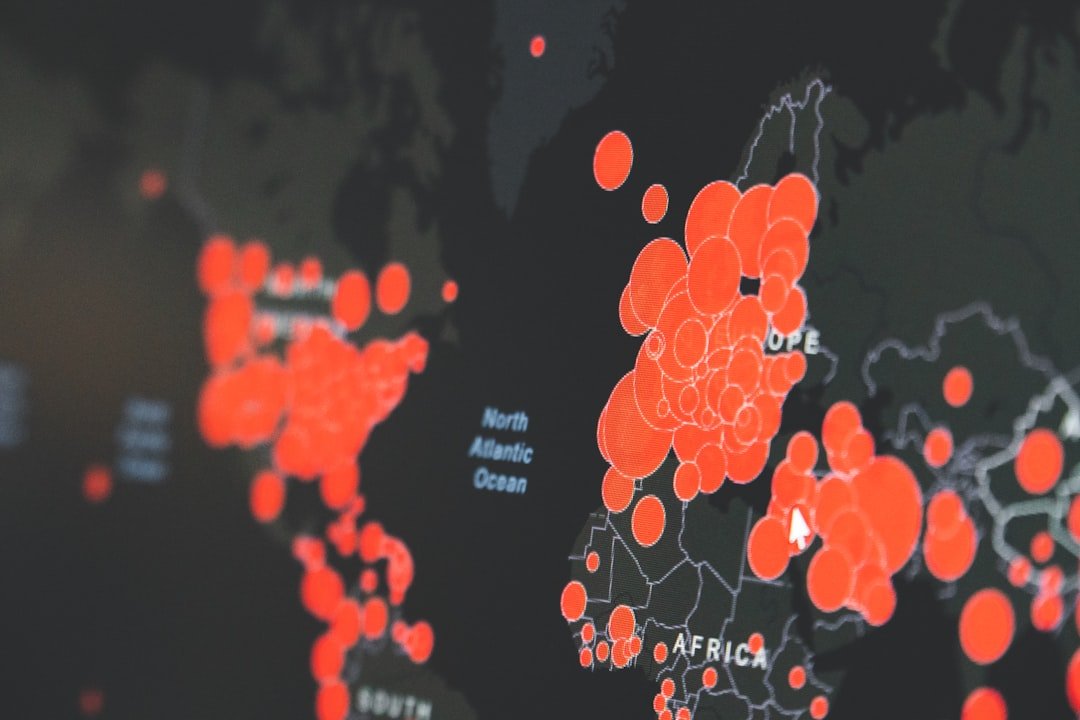
Picture a microscopic traveler, heedless of passports or border patrols, drifting on a global breeze across continents and oceans. In the interconnected medical landscape of 2026, the respiratory health of a grandfather residing in Boston is subtly linked to the epidemiological triumphs achieved in the sweeping steppes of Central Asia. The profound lessons drawn from infectious disease doctors navigating the intricate healthcare systems of Kazakhstan and America illuminate a fundamental truth about our shared biology. Pathogens exploit the vulnerabilities of aging immune systems worldwide, demanding a unified, borderless response to safeguard global health. By analyzing the synergistic efforts of international health organizations in combating severe respiratory and systemic illnesses, we uncover a blueprint for medical resilience. This collaborative mosaic reveals how localized battles against invisible threats ultimately shape international protocols. Understanding these dynamics is essential for protecting the longevity, vitality, and dignity of older populations across the globe.
The exchange of medical expertise between North American practitioners and Central Asian specialists has revolutionized the management of severe respiratory infections, particularly emphasizing the protection of vulnerable and aging demographics.
Pioneering global health initiatives have successfully integrated psychiatric support into complex infection treatment plans, acknowledging that mental well-being is a cornerstone of physical recovery.
The widespread adoption of digital communication platforms for remote patient monitoring has dismantled geographic barriers, ensuring uninterrupted care delivery for individuals facing mobility or socioeconomic challenges.
Shifting Global Health Paradigms Through Transnational Medical Strategies
Infectious disease surveillance relies heavily on the meticulous mapping of outbreaks and the strategic allocation of international resources. Collaborative workshops over the past decade have prioritized identifying critical gaps in veterinary monitoring, laboratory capacities, and primary care networks across Central Asia. Specialists understand that fortifying these local defenses creates a protective ripple effect, bolstering the immunological security of interconnected nations. A robust primary care framework remains vital for tracking anomalies before they escalate into overwhelming global crises that heavily impact older adults.
The continuous collection of regional health data provides indispensable insights into the underlying organization and financing of healthcare systems worldwide. Decades of observing explosive viral spikes have taught international medical watchdogs that outbreaks are rarely isolated incidents without root causes. They consistently signal deeper systemic vulnerabilities in public health infrastructure that disproportionately affect those with naturally waning defenses. Such profound insights continuously inform how changes in U.S. global health policy could affect health worldwide.
Confronting Multidrug-Resistant Tuberculosis in Vulnerable Demographics
The sheer vastness of the Central Asian landscape presents highly unique logistical hurdles in managing the world’s most relentless and deadly bacterial infections. Certain strains of multidrug-resistant tuberculosis possess a profound cruelty, specifically targeting individuals whose immune responses have been compromised by age, environmental factors, or parallel illnesses. Through expansive partnerships encompassing global health delivery groups and international funding, massive clinical studies have fundamentally altered the available treatment paradigms for these severe conditions.
High-quality technical assistance has dramatically improved both programmatic and clinical management for patients battling these highly resistant bacterial strains. Training local healthcare workers and strengthening community-based care models directly impacts treatment adherence, an absolutely critical factor for seniors already managing multiple daily prescriptions. Developing comprehensive national policy documents ensures that the invaluable lessons learned from managing complex cases are permanently codified into lasting clinical protocols.
Holistic Patient Care Merges Mental Health with Complex Illness Management
Healing the physical body often proves entirely futile if the immense psychological weight of a chronic diagnosis remains unaddressed by care providers. Programs focused on comprehensive health recognize that mental disorders frequently accompany severe infections, creating a dual burden that can completely shatter a patient’s treatment adherence. Establishing dedicated collaborative networks to monitor psychological well-being during the arduous outpatient phases of treatment has yielded truly remarkable clinical outcomes.
For an older individual facing the deeply isolating reality of a protracted illness, structured social support acts as a remarkably potent therapeutic agent. Providing psychological care alongside heavy pharmaceutical regimens transforms the patient experience from one of quiet endurance to a journey of active, supported recovery. This multifaceted approach stands as a powerful testament to the evolving, empathetic understanding of patient-centered medicine.
| Care Strategy Focus | Traditional Clinical Approach | Integrated Holistic Model |
|---|---|---|
| Treatment Priorities | Eradication of the pathogen using aggressive pharmacological regimens without emotional monitoring. | Pathogen eradication coupled with active psychological monitoring, social support, and empathy. |
| Patient Demographics | Standardized care pathways applied uniformly regardless of age or physical limitations. | Highly tailored approaches addressing the unique vulnerabilities of older or physically isolated patients. |
| Adherence Mechanisms | Passive expectation of patient compliance with mandatory physical facility visits. | Proactive community outreach, directly utilizing modern digital communication platforms. |
Recognizing the profound intersection of physical disease and emotional distress shifts the operational medical focus from mere survival to achieving true quality of life. Evaluating these comprehensive, empathetic models provides essential context for understanding Trumps America First global health reset what it means for AIDS pandemics and US leadership.
Telemedicine and Digital Support Bridging the Distance for Healing
The widespread implementation of video-assisted therapy has drastically reshaped the entire landscape of care delivery for individuals facing significant socioeconomic or geographical barriers. Utilizing common commercial video platforms allows medical professionals to visually verify medication intake and carefully assess the patient’s overall demeanor without requiring them to undertake exhausting travel. This methodology proved to be an absolute lifeline during periods of restricted movement, fully cementing its place in the modern medical arsenal of 2026.
Remote monitoring offers a deeply dignified and practical solution for older patients who might naturally struggle with the physical demands of frequent clinical visits. Observing a patient in their own comfortable environment allows practitioners to catch subtle environmental clues that might negatively affect their recovery trajectory. Ultimately, these digital bridges foster a profound sense of connection and medical accountability, clearly proving that compassionate care can easily transcend physical boundaries.
