


Understanding the Nutritional Power of Daily Avocado Consumption
Avocados have carved out a unique position in the world of nutrition, celebrated not only for their creamy texture and rich flavor but also for their comprehensive health benefits. Unlike most fruits that are primarily carbohydrate-based, avocados stand apart due to their high content of healthy fats. These beneficial fats, mainly monounsaturated fats such as oleic acid, closely resemble those found in olive oil and have been extensively studied for their positive effects on heart health.
Daily consumption of avocados introduces a dose of these heart-friendly fats into the diet, which may contribute to improved cholesterol profiles and reduced inflammation. Research suggests that substituting saturated fats with the monounsaturated fats found in avocados could lower levels of non-HDL cholesterol and triglycerides, key markers linked to cardiovascular disease risk. This function aligns well with guidelines advocating for nutrient-dense sources of fat over processed and trans fats.
Aside from fats, avocados are a remarkable source of dietary fiber, essential for maintaining digestive health and supporting balanced blood sugar levels. A study highlighted that consuming one avocado per day can increase the diversity of the gut microbiome, which is critical for immune health and metabolic function. The diversity of gut microbiota is emerging as a significant indicator of overall health, underpinning the crucial relationship between diet and long-term wellness.
Another compelling aspect of avocado nutrition is its richness in essential vitamins and minerals. They offer substantial amounts of vitamin K, which supports blood clotting and bone health; vitamin E, an antioxidant that helps combat oxidative stress; along with vitamin C and a spectrum of B vitamins that assist energy metabolism. Potassium content in avocados even surpasses that of bananas, playing a vital role in regulating blood pressure and muscle function. Thus, incorporating avocados into your daily diet not only infuses it with nutritional value but also bolsters well-rounded physiological support.
For readers interested in diving deeper into the nutritional science behind avocados, sources such as Harvard Health’s comprehensive guide on avocado nutrition provide robust and accessible insights.
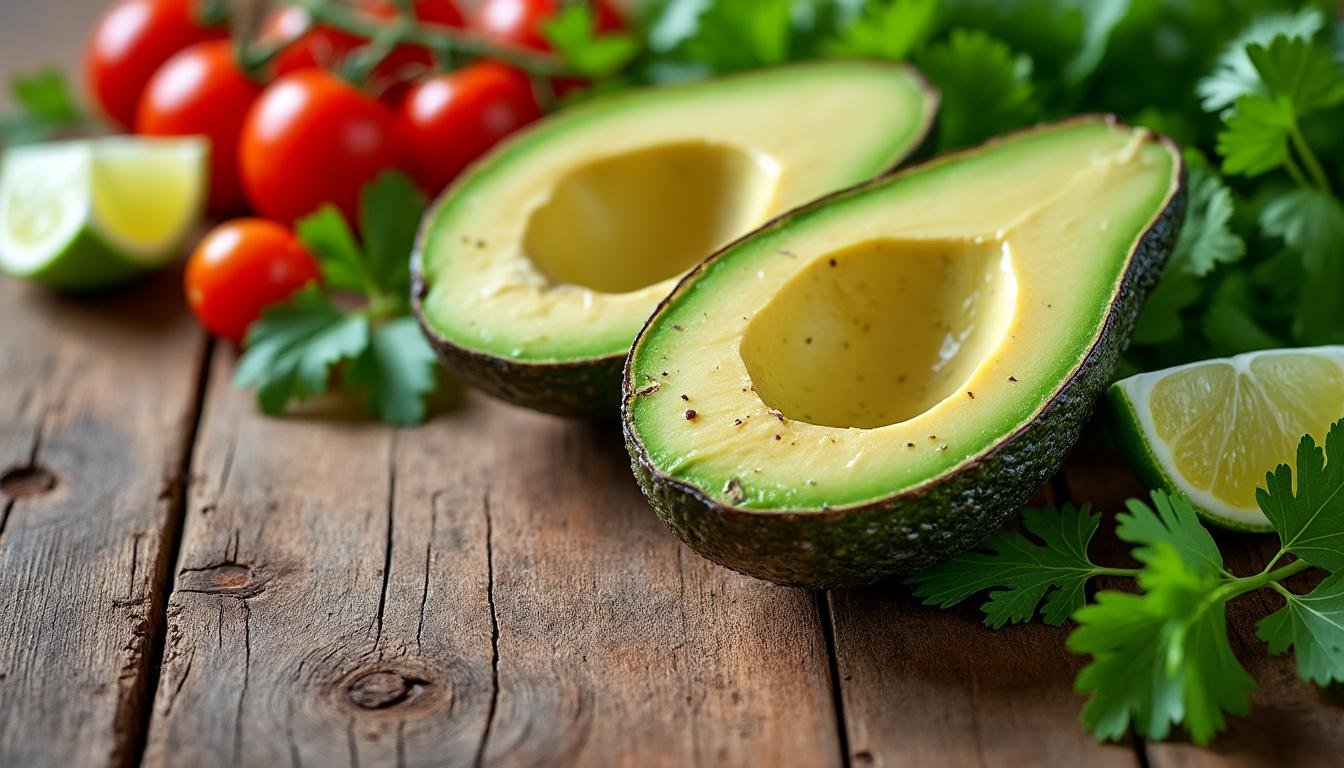
Daily Avocado Consumption and Its Impact on Heart and Brain Health
When it comes to heart and brain health, avocados are an especially potent dietary ally. Their contribution to cardiovascular wellness is primarily driven by their fatty acid profile and antioxidant content. The monounsaturated fats in avocados help reduce harmful LDL cholesterol while supporting beneficial HDL cholesterol, thus maintaining healthy arteries and reducing the risk of heart attacks and strokes.
Emerging research also explores the link between avocado intake and cognitive function. The presence of vitamin E, lutein, and phytochemicals in the fruit appears to support brain health by protecting neural membranes from oxidative damage, a factor implicated in age-related cognitive decline. In observational studies, individuals who incorporate avocados into their daily diet often exhibit better memory scores and cognitive performance compared to those who do not.
Potassium, abundant in avocados, also plays a vital role in regulating blood pressure, a key element in maintaining both heart and brain health. Maintaining optimal potassium levels helps counterbalance sodium in the diet, thereby preventing hypertension – a significant risk factor for heart disease and stroke.
In addition to fats and micronutrients, the fiber in avocados is linked to better lipid profiles and systemic inflammation control, contributing to overall vascular health. There is growing enthusiasm among cardiologists and dietitians about encouraging avocado consumption as part of a heart-healthy lifestyle. Such encouragement can be found in expert advice highlighted at Live Well Magazine’s heart-friendly guidelines.
Incorporating avocados into meals is not just about health benefits; it also enhances dietary satisfaction. Their creamy texture brings fullness to meals, which may assist in weight management by preventing overeating, with positive effects cascading into cardiovascular and metabolic health.
Avocados and Weight Management: A Dietitian’s Perspective
Many individuals wonder if eating an avocado every day aligns with effective weight management. Given that avocados are calorie-dense due to their fat content, it might seem counterintuitive to consume them regularly while trying to control weight. However, a closer evaluation reveals that avocados can be beneficial when integrated thoughtfully into a balanced diet.
Avocados are richly endowed with fiber and healthy fats that promote satiety, the feeling of fullness after eating. This satiety effect can reduce overall calorie intake by curbing hunger and minimizing snacking between meals. Studies demonstrate that individuals who include avocados in their meals tend to report increased satisfaction and reduced food cravings, which supports sustainable weight management.
The key to reaping weight-related benefits lies in moderation, particularly portion control. A medium-sized avocado contains roughly 240 calories—significant but manageable within daily caloric goals. Dietitians recommend consuming about one-third to one-half of an avocado serving to enjoy benefits without unintentionally exceeding energy needs.
Integrating avocados in recipes rich in lean proteins, whole grains, and a variety of vegetables can balance the meal’s macronutrient profile while enhancing flavor and texture. For instance, spreading mashed avocado over whole-grain toast topped with sliced tomatoes and a poached egg creates a nutrient-rich, satisfying breakfast that supports metabolic health.
Potential downsides may arise if avocados are consumed excessively within a high-calorie diet, which could lead to unintentional weight gain. Moreover, individuals with specific health concerns such as kidney disease should monitor their potassium intake carefully and consult healthcare providers before making avocados a daily staple.
Those interested in practical eating strategies and nutritional balancing may explore further at Delish’s expert insights on eating avocados daily.

Ensuring Variety: How to Incorporate Avocados in a Balanced Diet
While avocados are a nutritional powerhouse, dietitians stress the importance of variety in any healthful eating plan. Relying solely on avocados for fruit intake can limit the range of nutrients, antioxidants, and phytochemicals that other fruits and vegetables uniquely provide. A diverse diet fosters a wider spectrum of benefits, enhancing overall well-being.
To optimize health, integrate avocados alongside a colorful array of produce, including berries, citrus fruits, leafy greens, and root vegetables. Each brings their own set of vitamins, antioxidants, and fiber types that complement the benefits of avocados. For example, pairing avocado with vitamin C-rich fruits like oranges enhances iron absorption from plant-based sources, while berries contribute unique antioxidants that support cellular health.
Here are some creative ideas for incorporating avocados into a diverse daily meal plan:
- Blend avocado into smoothies with spinach, banana, and flaxseeds for a nutrient-packed breakfast.
- Add sliced avocado to salads featuring mixed greens, quinoa, roasted vegetables, and a lemon vinaigrette.
- Use mashed avocado as a creamy, wholesome substitute for mayonnaise in sandwiches or wraps.
- Top grilled fish or chicken with avocado salsa made from diced avocado, tomatoes, cilantro, and lime.
- Enjoy avocado slices along with fresh fruit platters or as part of a balanced snack with nuts and seeds.
Focusing on overall diet quality rather than a single food intake creates a sustainable approach to nutrition. The Mediterranean diet, which emphasizes healthy fats including those from avocados and olive oil, exemplifies how balance and variety deliver lasting health advantages. For meal inspiration rooted in scientific principles, one can check Live Well Magazine’s nutritious packed lunch collection.
Addressing Potential Risks and Considerations with Daily Avocado Intake
Though the health benefits of daily avocado consumption are numerous, it is important to consider individual health conditions and lifestyle factors. Avocados are high in calories due to their fat content, which can pose a challenge if one’s overall diet is already abundant in energy-dense foods. Excess calorie intake, regardless of food source, may lead to weight gain, underscoring the importance of mindful portion control.
Additionally, certain individuals need to be cautious about potassium intake. For those with chronic kidney disease or certain cardiovascular conditions, excess potassium can disrupt electrolyte balance. Avocados are notably rich in potassium, so consulting healthcare professionals before incorporating them daily is advised for at-risk populations.
An allergy to avocado, although uncommon, can present symptoms such as swelling, itching, or gastrointestinal discomfort, and should not be overlooked. Moreover, people sensitive to latex may also experience cross-reactivity due to similar proteins in avocados, known as latex-fruit syndrome.
Finally, people should maintain awareness that no single food acts as a cure-all. Nutrition is about the cumulative effect of dietary patterns. As one dietitian notes, it’s more constructive to focus on a holistic approach that includes healthy fats, vitamins, and antioxidants sourced from a variety of foods rather than relying solely on avocado consumption.
For a deep dive into the potential risks and benefits weighed by nutrition experts, readers can find helpful guidance in articles like the expert discussion on daily avocado consumption risks and benefits.
Is it safe to eat an avocado every day?
For most healthy adults, eating an avocado daily is safe and provides numerous nutritional benefits. However, portion control and overall diet quality should be monitored.
Can avocados help with weight loss?
Avocados can support weight management due to their fiber and healthy fats that promote fullness. Yet, because of their calorie density, moderation is key to avoid excess calorie intake.
Are there health risks associated with daily avocado consumption?
Potential risks include high caloric load and excessive potassium intake for those with kidney conditions. Allergies or latex sensitivities are rare but possible.
What nutrients do avocados provide?
Avocados offer monounsaturated fats, fiber, potassium, vitamins K, E, C, and several B-complex vitamins, making them a nutrient-dense food choice.
How should avocados be incorporated into a balanced diet?
Consume them alongside a variety of fruits, vegetables, lean proteins, and whole grains to ensure a diverse intake of essential nutrients and antioxidants.
