


The thermometer on the wall represents far more than a simple meteorological measurement in 2026; it has become a critical diagnostic instrument. We are witnessing a shift where extreme weather patterns are no longer just news headlines but active contributors to emergency room admissions. Patients arrive with symptoms that initially appear disconnected—exacerbated asthma, heat stroke, mysterious fevers—but they share a common root cause. The changing climate is actively rewriting the rules of public health, creating a crisis that extends far beyond rising sea levels to the very air we breathe and the water we drink.
For decades, scientific bodies issued warnings that felt distant to many, but the reality has shifted dramatically. We face a scenario where environmental determinants are the primary drivers of health outcomes. The heat waves are longer, the pollen seasons are more intense, and vector-borne diseases are appearing in zip codes where they never existed before. This is not a future projection; it is the current clinical reality. To ignore these signs is to ignore the fundamental duty of care we owe to our communities. We must transition from passive observation to aggressive intervention.
In response to this escalating situation, public health frameworks have had to evolve rapidly. The approach is no longer about treating symptoms in isolation but understanding the systemic environmental pressures putting lives at risk. By implementing comprehensive strategies like the CDC’s national Climate and Health Strategic Framework, we are finally moving towards a proactive stance. This initiative is not merely bureaucratic shuffling; it is a lifeline designed to help communities track, prevent, and respond to threats that were once considered anomalies.
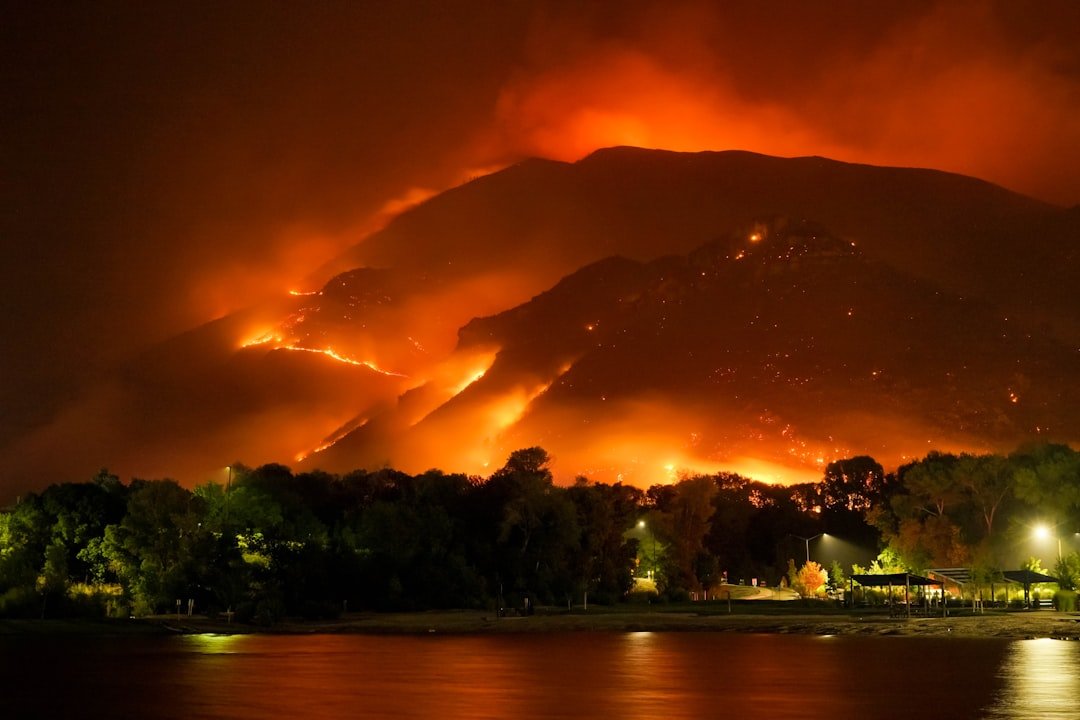
The direct physical toll of rising temperatures
When we discuss global warming, the conversation often drifts to ice caps, yet the most immediate impact is on human physiology. The human body possesses a remarkable ability to regulate temperature, but limits exist. As we see record-breaking summers becoming the norm, the incidence of heat-related illnesses has skyrocketed. This is particularly dangerous for vulnerable demographics. We have seen a worrying increase in risks for expectant mothers and infants during heatwaves, a demographic that requires specific protection protocols in this new climate reality.
Heat stress places an immense burden on the cardiovascular system. The heart must work harder to pump blood to the skin for cooling, which can be catastrophic for individuals with pre-existing heart conditions. Furthermore, higher temperatures often correlate with stagnant air masses that trap pollutants. This creates a toxic combination for anyone suffering from respiratory issues. The air quality index has become as vital a vital sign as blood pressure for patients with asthma or COPD, dictating whether it is safe for them to step outside their front door.
Tracking the migration of infectious diseases
One of the most insidious effects of our changing environment is the alteration of disease vectors. Mosquitoes and ticks do not respect borders, and they certainly do not respect historical climate maps. Warmer winters and longer summers have expanded the habitable zones for these carriers, bringing tropical diseases into temperate regions. We are seeing cases of diseases like dengue or Zika in areas that previously only read about them in textbooks. This requires a massive shift in how we approach differential diagnosis in primary care settings.
The CDC and ATSDR have prioritized the improvement of tracking capabilities for these climate-sensitive diseases. It is essential to monitor shifts in cholera, influenza, and vector-borne illnesses to predict outbreaks before they overwhelm local health systems. This data-driven approach allows for the deployment of resources to the right place at the right time. It is a game of cat and mouse, but with advanced surveillance and better data collection on how climate affects health, we can stay one step ahead of these migrating pathogens.
Inequity in the face of environmental threats
Climate change acts as a force multiplier for existing social inequalities. The health consequences of a warming world are not distributed equally among the population. Communities with fewer resources, often lacking access to air conditioning or adequate medical care, bear the brunt of these changes. Housing deficiencies and proximity to industrial air pollutants mean that lower-income neighborhoods experience higher rates of asthma, cancer, and chronic diseases. This is why climate action must fundamentally be viewed as a health equity issue.
Addressing these disparities requires a holistic approach that goes beyond medical treatment. It involves looking at the social determinants of health that contribute to these injustices. The national framework emphasizes identifying and raising awareness about these inequities. We must advocate for improving our home environments and infrastructure in neglected areas to ensure that a zip code does not determine a patient’s resilience to climate change. Protecting the most vulnerable protects the entire public health ecosystem.

Mental health in a changing world
While physical symptoms are often the most visible, the psychological toll of environmental instability is profound. We are seeing a rise in anxiety and stress disorders linked directly to the uncertainty of extreme weather events. The trauma of displacement due to natural disasters or the chronic stress of living in a high-risk area wears down mental resilience over time. Mental health professionals are increasingly recognizing eco-anxiety as a legitimate clinical concern that requires specialized support strategies.
Adaptation is key to preserving mental well-being. This involves creating community support systems and adapting our routines as weather patterns shift to maintain a sense of control and stability. The predictability of the seasons provided a rhythm to life that has been disrupted, and finding new ways to ground ourselves is essential for psychological health in 2026.
A collaborative strategy for the future
No single agency or doctor can solve this crisis alone. Tackling these issues demands a cross-sector approach that unites federal agencies, local health departments, and grassroots organizations. The Climate and Health Strategic Framework outlines a vision where collaboration is the standard. By sharing information to protect communities and strengthening preparedness capabilities, we build a safety net that spans the entire nation. Preparedness is no longer about reacting to a disaster; it is about anticipating the needs of the population before the crisis hits.
We must all commit to identifying ways to support these goals. Whether it is a hospital reducing its carbon footprint or a community implementing a heat response plan, every action counts. The path forward involves embracing technological advances and new partnerships to address these risks head-on. Our vision is a nation that is not just surviving the changing climate but is prepared to respond effectively, ensuring a healthier future for every patient, in every community.

