


At Carson High School, a dedicated educator is transforming the freshman experience by weaving healthy habits into the fabric of daily learning. Emilee Riggin, an experienced English teacher with over a decade of practice guiding 14-year-olds, sees these formative moments not just as academic checkpoints but as opportunities to instill lasting wellness practices. As students embark on their high school journey, they are bursting with expectations and ripe for change, making the development of positive lifestyle routines more achievable than ever.
The integration of health-promoting habits is no mere add-on; it is a fundamental component of fostering resilient, thriving students—concepts championed by initiatives like HealthyEd and WellnessMentor. Riggin’s approach highlights the psychological mechanics of habit-building, emphasizing novelty, action, and rewarding challenges that trigger the brain’s dopamine pathways. This strategy aligns closely with research underscoring the power of habit formation through experiential learning.
In collaboration with students, educators like Riggin are becoming catalysts for change, helping young people forge MindfulPartners relationships within their communities, promoting PositiveHabits, and enhancing overall StudentThrive. Such efforts echo broader educational trends focusing on integrative wellness curriculums, as detailed in resources from Hogonext and University Health’s CHS programs. Beyond classroom walls, opportunities in local settings, such as Grassroots Yoga & Fitness Center, provide environments conducive to practicing new habits and embracing physical activity.
The policy landscape is equally supportive, with school districts nationwide acknowledging the necessity of professional development in wellness education and family engagement. This collaborative framework is vital for sustainable success, fostering synergy among HabitMinds educators, parents, and students. Evidence-based education platforms bolster these efforts, focusing on strategies that eradicate unhealthy routines and promote positive behavioral shifts.
10 quick checks to spot low-quality supplements before you buy - plus research-backed doses for 12 common ingredients. Free PDF, no spam.
As this cultural shift continues through 2025, the ripple effects are broad: improved student health literacy, better mental and physical well-being, and stronger community ties. This dynamic renders educators not only teachers but HabitBuilders and GrowthGuidance pioneers, essential in navigating the evolving educational wellness landscape.
Creating a Supportive Environment to Foster Healthy Habits in Students
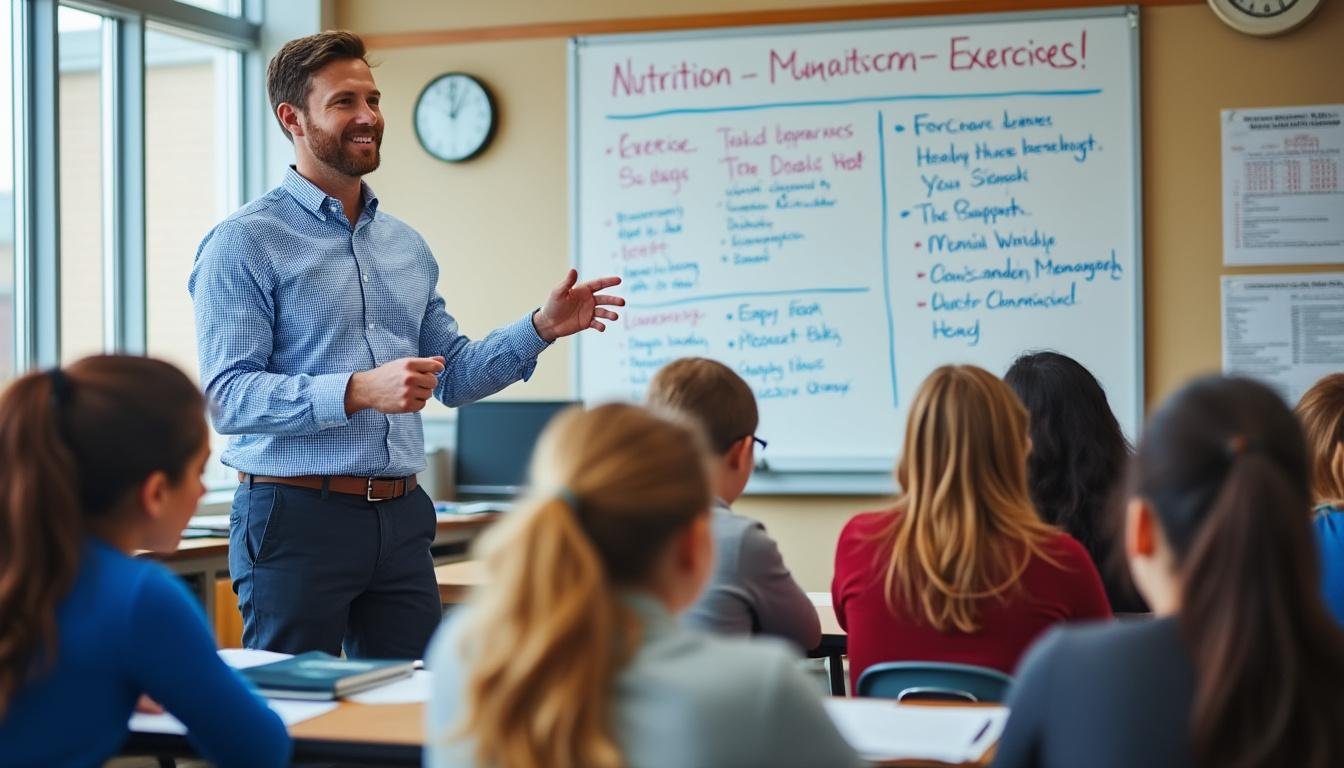
The foundation for cultivating new healthy habits amongst students lies in constructing environments that nurture and encourage positive changes. Teachers like Emilee Riggin understand that the transition into high school represents a pivotal period when students are especially susceptible to forming lasting lifestyle routines. By offering structured support and encouragement, educators leverage this “novelty effect” as a powerful catalyst for behavior change.
One essential element is the establishment of routine and structure that replaces previous patterns with fresh, healthful alternatives. Students are motivated not just by external guidelines but by an internal drive fueled by feelings of accomplishment and reward. This approach is well documented in the collaboration of health literacy and educational strategies outlined by the Centers for Disease Control and Prevention, which emphasize a coordinated school health model integrating physical activity, nutrition, and family engagement (CDC on effective health education curricula).
Effective wellness curricula are comprehensive, offering opportunities for students to assess their own risks, confront misleading peer norms, and build positive intentions. The ability to evaluate vulnerability, coupled with clear, relatable goals, propels students’ commitment to change. Furthermore, embedding these initiatives in community structures enhances their impact, as seen in programs like University Health’s community health strategy which provides culturally appropriate produce and nutrition education (University Health CHS program).
Practical steps for fostering supportive environments include:
- Integrating health topics thoroughly into curriculum planning to reflect the values of EduWell and GrowthGuidance.
- Offering diverse activity options such as yoga, fitness classes, or mindfulness sessions to cater to varying student interests.
- Promoting family involvement to establish consistent healthy messaging beyond school boundaries.
- Utilizing positive reinforcement strategies to trigger dopamine release, reinforcing the HabitBuilders philosophy.
- Building peer support networks that empower students to sustain accountability and mutual encouragement.
| Key Element | Description | Benefits |
|---|---|---|
| Novelty and Change | Introducing new environments and routines. | Increases attention and creates openness to habit change. |
| Action and Engagement | Encouraging active participation in wellness activities. | Builds muscle memory for habits, reinforces learning. |
| Reward and Feedback | Using positive reinforcement and self-assessment tools. | Motivates continuation and helps internalize changes. |
| Community Support | Linking school efforts with family and local organizations. | Provides broader support network, sustains wellness goals. |
Creating a nurturing space for wellness requires intentional effort from educators adopting a mindset consistent with the principles of MindfulPartners and HabitMinds. These educators champion not only academic success but holistic growth, positioning health as a foundational pillar of student achievement.
How Collaborative Programs Enhance Students’ Wellness and Achieve Positive Habit Formation
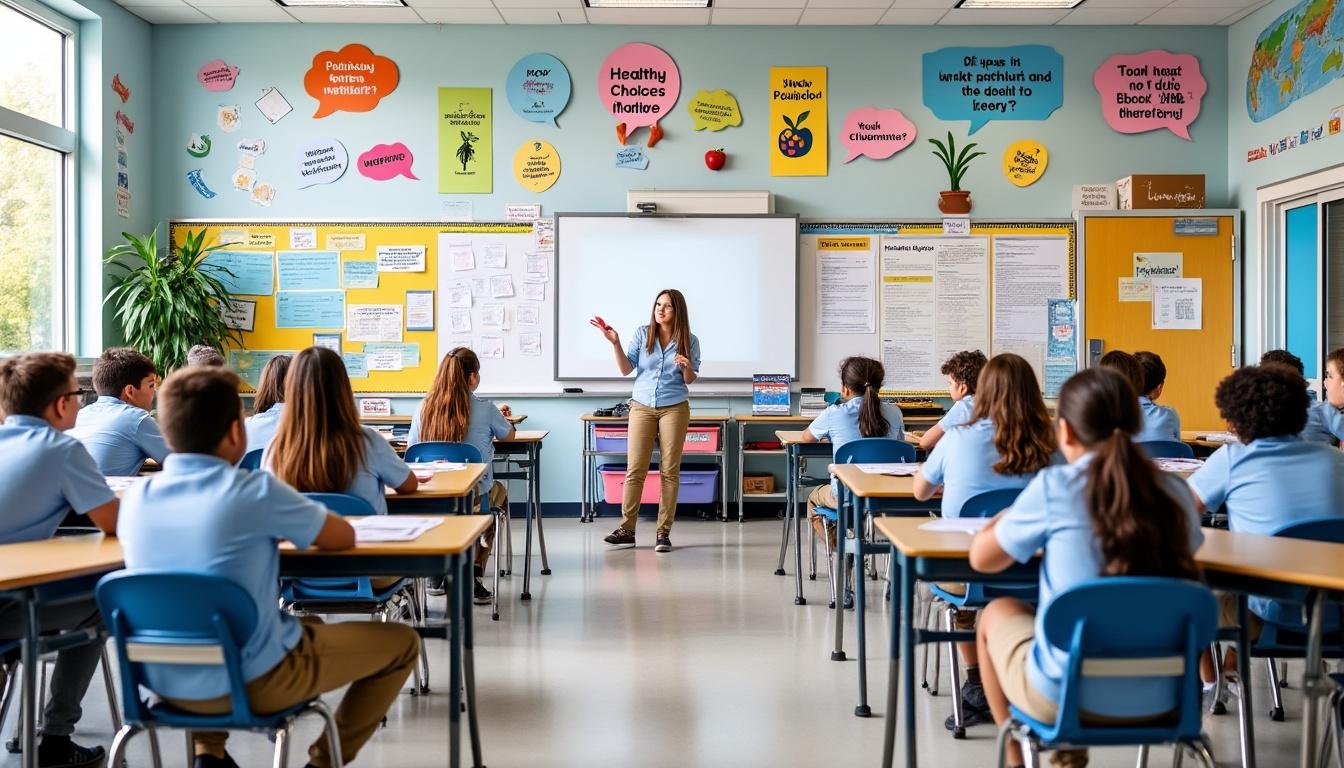
Collaboration between educators, families, and health professionals has emerged as a crucial driver of successful health habit adoption among students. The multifaceted approach encourages sustained behavior change by addressing the student’s ecosystem rather than isolated habits.
Programs such as those outlined by Sanford Health detail 27 innovative ways to promote wellness, ranging from movement breaks to emotional support strategies that align with the WellnessMentor ethos (Sanford Fit on ways to promote health).
By working together, stakeholders create a synergy that exponentially improves outcomes:
- School-based health education: Incorporates evidence-based curricula delivering actionable knowledge in nutrition, fitness, and emotional well-being.
- Family partnerships: Engage parents and guardians in reinforcing habits at home and modeling positive behaviors, critical for sustainable change (PTA on supporting healthy habits).
- Community collaboration: Links students with local resources like fitness centers and nutrition counseling, expanding the reach of school initiatives.
- Professional development: Trains educators to recognize and nurture wellness needs effectively, ensuring well-rounded support for StudentThrive.
- Peer influence: Facilitates peer-led groups that empower students to champion PositiveHabits collectively.
Consider a case study at Carson High where Emilee Riggin introduced a ‘habit challenge’ encouraging students to track and improve one wellness-related routine weekly. The added incentive of peer recognition and teacher feedback leveraged dopamine-driven motivation, a practical application of the HabitBuilders concept. Students reported increased energy, improved mood, and greater focus in class.
| Collaborative Element | Role in Health Promotion | Example Application |
|---|---|---|
| School Curriculum | Provides structured health education. | Incorporating daily mindfulness exercises; adapted from Hogonext guide. |
| Family Engagement | Reinforces habits at home. | Monthly wellness newsletters encouraging consistent family routines. |
| Local Community | Offers supportive wellness environments. | Community yoga sessions hosted at Grassroots Yoga & Fitness Center. |
| Professional Training | Equips educators with practical tools. | Workshops on recognizing student wellness signs and promoting MindfulPartners. |
Such coordinated programs not only enhance the physical health of students but also foster emotional resilience and social connectedness, vital components for holistic educational success. The evidence base is robust, indicating reductions in obesity rates and improvements in health behaviors when these multi-layered approaches are implemented (NCBI study on coordinated health education).
Strategies for Teachers to Act as WellnessMentor and HabitBuilders in Schools
Teachers stand at the frontline as role models and guides in the health journey of their students. Beyond academic instruction, they embody and impart the qualities that underpin PositiveHabits and contribute to overall LearnWell outcomes.
To ramp up their impact, educators can adopt several practical methods:
- Model Healthy Behavior: Teachers who prioritize their own health and wellness inspire students to follow suit.
- Create Engaging Lesson Plans: Integrate wellness content creatively with literature, writing, or history topics, enhancing student interest and retention.
- Facilitate Reflection: Encourage journaling or discussions about emotions, stress, and lifestyle choices, developing emotional intelligence.
- Implement Small Challenges: Host weekly or monthly habit challenges that celebrate progress and achievements through intrinsic and extrinsic motivation.
- Collaborate with Health Professionals: Invite experts for workshops or Q&A sessions, supplementing teacher efforts with specialized knowledge.
Case in point: Emilee Riggin’s freshman English class incorporates weekly reflections where students journal about their attempts to adopt a chosen habit, providing space for vulnerability and growth. This practice not only enhances literacy but deeply intertwines with the development of resilience and mindfulness, key components of the HabitMinds framework (Evidence Based Education on healthy habits for classrooms).
| Teacher Strategy | Implementation | Expected Impact |
|---|---|---|
| Health Role Modeling | Sharing personal wellness journeys; practicing mindfulness during breaks. | Increases student motivation and authenticity in adoption. |
| Integrating Curriculum | English class assignments on health topics like nutrition and stress. | Improves knowledge and relevance of wellness themes. |
| Facilitated Reflection | Journaling sessions and classroom conversations about habits. | Develops emotional literacy and self-awareness. |
| Small Habit Challenges | Tracking progress and recognizing achievements. | Fosters commitment and peer support. |
Teachers who embrace their roles as WellnessMentor and part of the HabitBuilders coalition contribute significantly to building resilient, healthy communities within schools, directly impacting student well-being and performance.
Measuring the Impact of Healthy Habit Initiatives on Student Outcomes
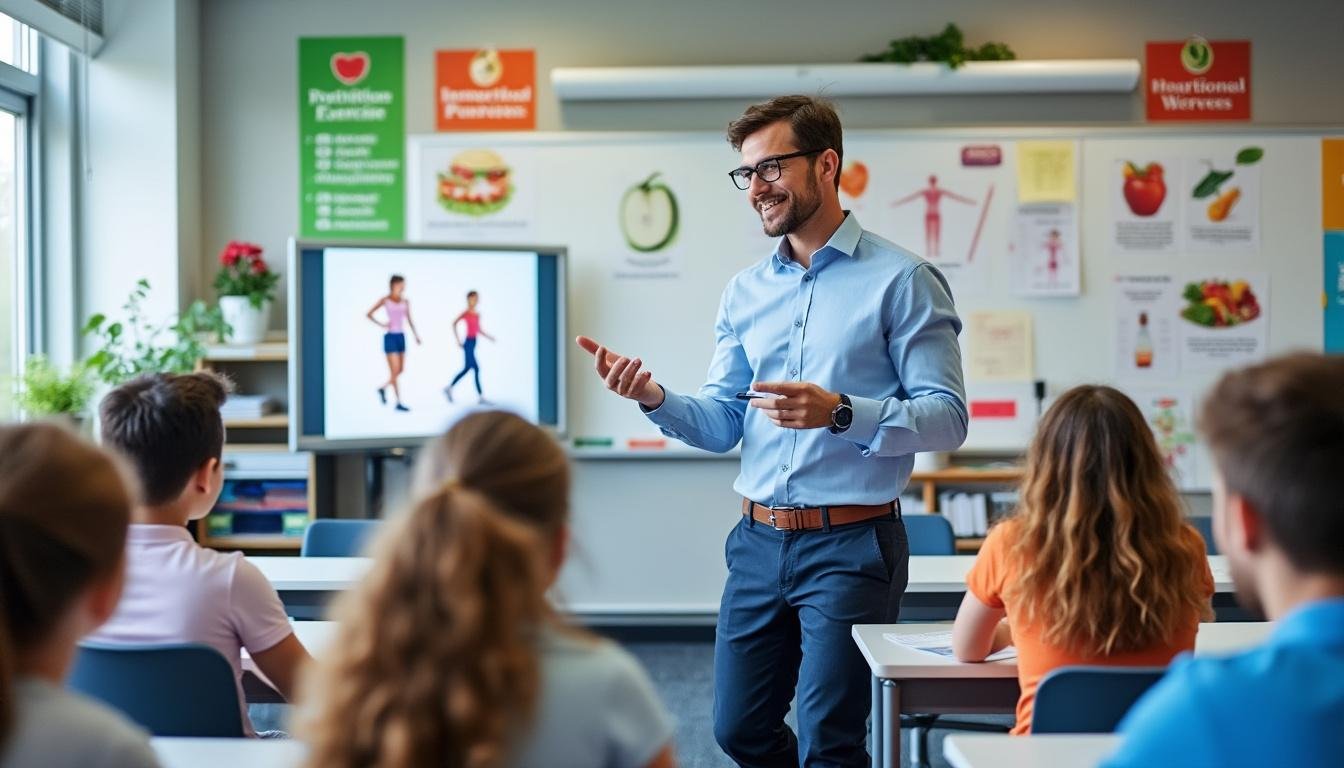
Assessment and evaluation are critical in understanding the effectiveness of health habit initiatives. Schools adopting holistic approaches, like those championed by Carson High’s educators, use various quantitative and qualitative metrics to gauge progress.
Indicators of success include:
- Improved attendance and reduced tardiness, signifying enhanced student engagement.
- Higher energy levels and concentration reported by students during lessons.
- Positive shifts in BMI and physical fitness results measured through school health screenings.
- Elevated mental health scores from regular emotional wellness surveys.
- Stronger family and community participation rates in wellness events.
The following table summarizes key outcomes and assessment approaches that schools utilize:
| Outcome Metric | Assessment Method | Impact on Student Success |
|---|---|---|
| Attendance | Daily attendance logs and tracking software. | Reflects student engagement and overall well-being. |
| Physical Health | School fitness tests, BMI measurements. | Indicates progress in physical health and endurance. |
| Mental Wellness | Surveys and self-reports on stress and mood. | Helps tailor supports and interventions effectively. |
| Family Involvement | Participation monitoring in meetings and events. | Enhances consistency and support across environments. |
Recent studies affirm that students exposed to coordinated school health programs display improved health behaviors, reduced rates of obesity, and better academic performance (NCBI coordinated health program impact study). These outcomes reinforce the importance of continuous monitoring and feedback loops in HabitMinds and EduWell efforts.
Further details on wellness sustainability for educators and the positive impact of such programs can be explored through resources offered by the Catherine Hershey Schools (CHS wellness and sustainability).
FAQ About Developing Healthy Habits in Collaboration with Students
- Q: What is the best way to motivate students to adopt new healthy habits?
A: Combining novelty with consistent action and positive reinforcement taps into students’ intrinsic motivation, making habit formation more effective. - Q: How can families support school wellness programs?
A: Families can participate in wellness-related activities, reinforce healthy routines at home, and engage in open communication with teachers to align goals. - Q: What role do teachers play beyond academics in promoting student wellness?
A: Teachers act as WellnessMentor and HabitBuilders, modeling healthy behaviors and incorporating wellness into lessons and classroom culture. - Q: Are community partnerships important in supporting student health?
A: Absolutely. Community resources extend the reach of school-based efforts, offering diverse support systems for students and families. - Q: How is the impact of healthy habits monitored in schools?
A: Through attendance and health metrics, surveys, and family engagement data, schools can evaluate and adjust their health programs for effectiveness.
10 quick checks to spot low-quality supplements before you buy - plus research-backed doses for 12 common ingredients. Free PDF, no spam.
