

Close Menu
    Follow us on Google News
    Follow Livewell Magazine on Google News
    Facebook X (Twitter) Instagram
    LiveWell Magazine
    Facebook
    Follow LiveWell Magazine on Google News
    • Cancer

      Healthy Dad’s Unexpected Cancer Diagnosis Revealed After Ignoring Nighttime Bathroom Trips: ‘A Heartbreaking Surprise’

      February 22, 2026

      BREAKING NEWS: Gene therapy for sickle cell disease: a medical breakthrough still out of reach for many

      December 29, 2025

      How Your Drinking Habits Could Significantly Increase Your Cancer Risk

      December 28, 2025

      Could the time of day you get cancer treatment affect survival? What a new lung cancer study suggests

      December 25, 2025

      Can exercise lower cancer risk? what the science suggests (and what to do today)

      December 22, 2025
    • Fitness

      Biochemist Reveals the Powerful 10-Minute Workout That Keeps the Mind Razor-Sharp All Day

      March 23, 2026

      The best workouts for busy people

      March 3, 2026

      A Fitness Trainer’s Perspective: How My Approach Transformed from 40 to 60

      March 2, 2026

      Healthy Living: Dr. Angela Haskins Embraces Peloton Workouts for Fitness

      February 2, 2026

      The “protein first” trick: protect muscle and stay full during holiday meals

      January 11, 2026
    • Health

      What can an infectious disease doctor’s experiences in Kazakhstan and America teach us about global health?

      April 3, 2026

      Federal Judge Hits Pause on HHS Secretary Kennedy’s Vaccine Policy Overhaul

      March 18, 2026

      Medicare Advantage Shifts: Payments to Plans Increase as Enrollment Hits a New Record

      March 18, 2026

      The battle over “$0 premium” plans: What’s at stake for your healthcare?

      February 19, 2026

      Early cholesterol treatment in kids may prevent heart disease for life

      January 28, 2026
    • Lifestyle

      Celebrity Manicurist Reveals Daily Habit That Gradually Weakens Your Nails

      April 5, 2026

      Embracing Emotional Strength: The Key to Healthy Habits and a Longer Life

      April 4, 2026

      The Unseen Price of Unwavering Consistency: A New Perspective on Habit Formation

      April 4, 2026

      Happiness Guru Reveals 7 Key Habits That Foster Long-Term Joy and Well-Being

      April 2, 2026

      Top Morning Routines Recommended by Doctors for a Healthy and Vibrant Life

      April 1, 2026
    • Nutrition

      Daily Avocado Consumption: Insights from a Dietitian on Its Health Benefits

      March 25, 2026

      Celebrate National Nutrition Month this March with Toi Degree – Salisbury Post

      March 21, 2026

      Protein-Packed Mediterranean Dinners to Boost Your Heart Health

      March 20, 2026

      Remarkable Health Benefits of Prunes That Transform Them into a Nutritional Powerhouse

      March 6, 2026

      Top 4 Vegetables to Boost Liver Health, Recommended by Registered Dietitians

      February 27, 2026
    • Senior

      Nurturing Your Gut After 50: 7 Essential Habits for Lasting Digestive Wellness

      April 3, 2026

      Nourishing Your Golden Years: 10 Essential Nutrition Habits to Promote Healthy Aging and Maintain Independence After 60

      March 27, 2026

      Wound Care Revolution: How a New Medicare Payment System Aims to Cut Waste in Senior Care

      March 19, 2026

      The $2,000 Cap is Here: How the New Annual Out-of-Pocket Drug Limit Saves Seniors Thousands

      March 17, 2026

      Why Conventional Health Tips Might Shift After Turning 50

      March 15, 2026
    • Trends

      Transparency at HHS: How the New “Radical Transparency” Initiative Aims to Expose Big Pharma Conflicts

      March 13, 2026

      How Wearable Technology Could Spark a Revolution in Healthier Living

      February 5, 2026

      Early cholesterol treatment in kids may prevent heart disease for life

      January 28, 2026

      Wearable health devices: the future of personalized medicine?

      January 27, 2026

      AI in healthcare: ethical considerations and promising applications

      January 26, 2026
    • Wellness

      Is the rising cost of a Hawaii vacation becoming a barrier to your travel wellness?

      April 2, 2026

      How will Palma Mallorca’s new party boat and vacation rental rules affect your travel wellness?

      April 1, 2026

      This Wellness Routine Unlocks Greater Brain Benefits Especially for Beginners

      March 28, 2026

      Stephen A. Smith Blasts Pelicans: ‘Y’all Have Been Trash’ After Critiquing Zion Williamson

      March 19, 2026

      Simple and Effective Health Hacks for Busy Lives

      February 28, 2026
    Subscribe
    LiveWell Magazine
    Home»Patient Stories»What to ask your oncologist about coverage, trials, and supportive care
    Patient Stories

    What to ask your oncologist about coverage, trials, and supportive care

    Tina NguyenBy Tina NguyenNo Comments
    Facebook Twitter Email WhatsApp Pinterest LinkedIn Reddit Telegram Threads
    schedule your oncologist consultation to receive expert advice and personalized treatment plans for cancer care.
    Share
    Facebook Twitter LinkedIn Email Reddit Telegram WhatsApp Threads

    Receiving a cancer diagnosis can feel like navigating a storm without a map. The flood of information, complex medical terms, and critical decisions can be overwhelming. Yet, this is precisely the moment to transform from a passive patient into an active partner in your care. By preparing for your oncology appointments with the right questions, you can steer the conversation toward what matters most to you: not just treating the disease, but managing your life through the process. Open discussions about financial burdens, access to cutting-edge research, and comprehensive supportive care are not secondary concerns—they are central to a successful and humane treatment journey. This guide will empower you to ask the tough but essential questions that build a foundation of trust and clarity with your medical team, ensuring your voice is heard every step of the way.

    In Brief: Your Essential Oncology Checklist

    • 🗣️ Ask About Finances Early: Don’t wait. Inquire about treatment costs, insurance coverage, and available financial assistance programs from day one to minimize “financial toxicity.”
    • 🔬 Explore Clinical Trials: Always ask if you are a candidate for a clinical trial. This could provide access to innovative therapies and the very latest in cancer care, especially for advanced or treatment-resistant cancers.
    • 🧘 Prioritize Supportive Care: Discuss strategies beyond direct treatment, including nutrition, physical therapy, and mental health support, to manage side effects and improve your quality of life.
    • 🔄 Seek a Second Opinion: It’s your right to feel confident in your treatment plan. A good oncologist will support your decision to consult another expert for confirmation or new perspectives.
    • 📈 Understand Your Follow-Up Plan: Clarify the schedule for monitoring, scans, and blood tests after your primary treatment ends to ensure a proactive approach to your long-term health.
    Related Article :  Health equity in cancer care under shifting federal priorities

    Navigating the Financial Maze: Securing Your Coverage

    The term “financial toxicity” has become a stark reality in cancer care, describing the heavy burden that treatment costs can place on patients and their families. It’s a side effect that can cause as much stress as the medical treatments themselves. To combat this, it is crucial to address finances head-on with your oncology team. Start by asking for a detailed estimate of your total treatment plan, including out-of-pocket expenses. “I was so focused on the diagnosis, I didn’t even think about the bills,” admits John, 68, a retired teacher. “Asking to speak with a financial navigator was the best advice I got. They helped me understand my insurance and found a grant I was eligible for. It took a huge weight off my shoulders.”

    Your care team can be your greatest ally in this area. Ask them directly about resources available to you. Many cancer centers have dedicated financial counselors or social workers who can connect you with pharmaceutical patient assistance programs, hospital charity care, or nonprofit grants. Understanding these 10 key questions to ask your oncologist in 2025 includes discussing payment plans to manage costs over time. This proactive approach allows you to focus on what truly matters: your health and recovery.

    Beyond Standard Care: Are Clinical Trials Your Next Step?

    For many patients, especially those with advanced or hard-to-treat cancers, clinical trials represent a beacon of hope. These research studies provide access to cutting-edge treatments before they are widely available. Asking your oncologist if a clinical trial is right for you is one of the most important steps you can take. Your doctor can help identify trials that match your specific cancer type and even its unique genetic markers. As treatments become more personalized, trials are more crucial than ever, testing everything from novel immunotherapy drugs to groundbreaking gene-editing techniques like CRISPR.

    Related Article :  Oncolytic virus therapy: could engineered viruses make cancer treatment gentler for seniors?

    When discussing this option, be prepared with specific inquiries. You can start with three key questions about clinical trials: what is the trial’s purpose, what are the potential risks and benefits, and what will it mean for your daily life? It’s also important to understand the logistics, such as the frequency of visits and whether insurance covers associated costs. Participating in a trial not only offers a potential personal benefit but also contributes to the science that will help future generations of cancer patients.
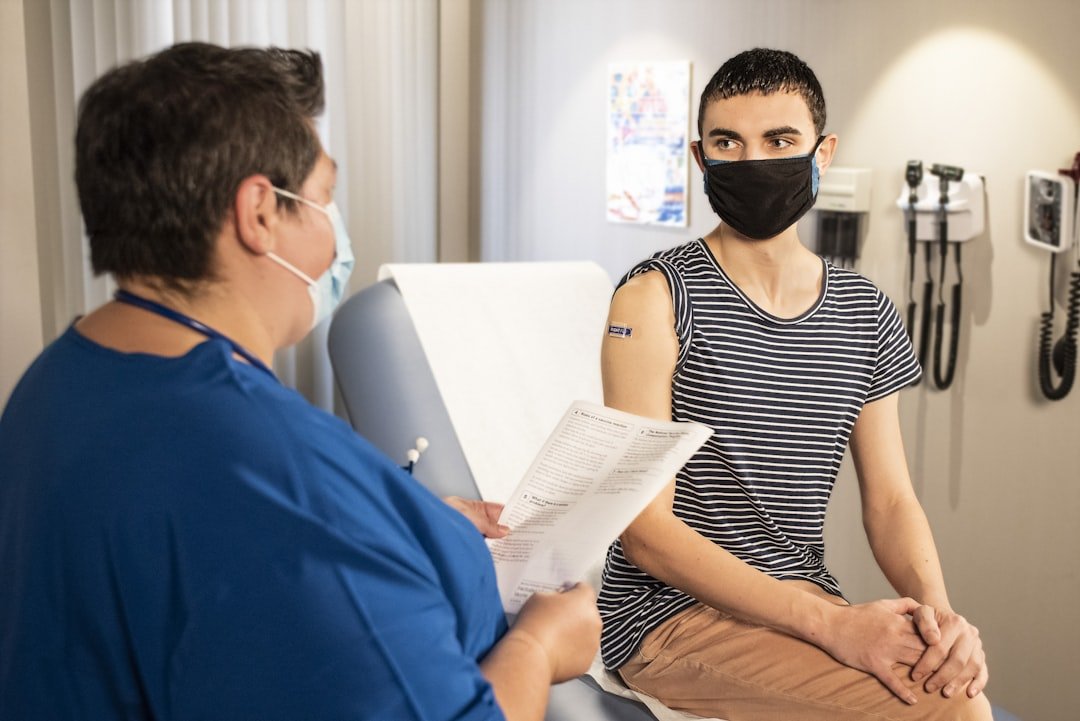
    schedule an oncologist consultation for expert cancer diagnosis, treatment options, and personalized care to support your health journey.

    Championing Your Well-being: The Power of Supportive Care

    Cancer treatment is a marathon, not a sprint, and your quality of life during this journey is paramount. Supportive care, sometimes called integrative care, focuses on you as a whole person, not just your diagnosis. It combines conventional treatment with evidence-based strategies to manage side effects and bolster your physical and emotional strength. This is a critical conversation to have with your care team, especially when considering toxicity management for older patients. Ask what resources are available for everything from nutrition counseling to manage fatigue to physical therapy to maintain strength.

    Emotional well-being is just as important. “My support group was a lifeline,” shares Mary, a 72-year-old breast cancer survivor. “And my oncologist recommended acupuncture for nausea—it made a world of difference during chemotherapy.” Don’t hesitate to ask your doctor about referrals to therapists, support groups, or complementary therapies like massage or mindfulness that are proven to be safe and effective. By creating a holistic care plan, you empower yourself to navigate treatment with greater resilience and comfort. This guide on questions to ask can help you start that important conversation.

    Related Article :  Immunotherapy in older adults: does age change outcomes?

    A comprehensive approach ensures that you address all aspects of your health. It is worth exploring what support is available for emotional and financial challenges. Your oncologist can direct you to the right resources, whether it’s understanding how your diet affects your mood or simply finding ways to stay informed about new options like those coming from recent FDA cancer approvals.
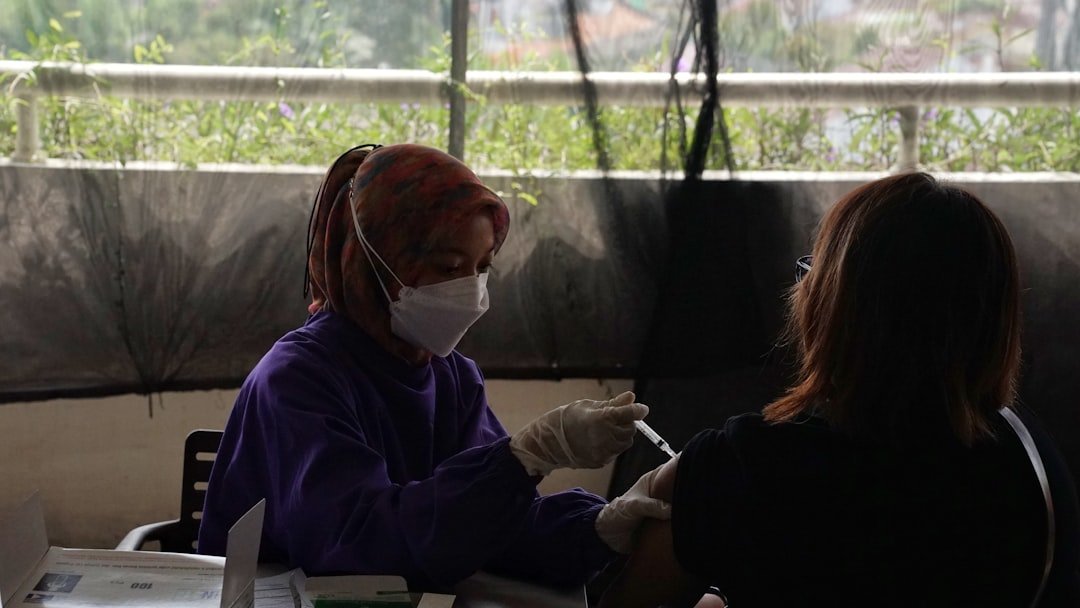
    schedule an expert oncologist consultation for personalized cancer diagnosis, treatment options, and compassionate care tailored to your needs.

    Is it disrespectful to my oncologist to get a second opinion?

    Not at all. Seeking a second opinion is a standard and wise part of the cancer journey. A good oncologist will support your decision, as it ensures you feel confident and fully informed about your treatment plan. It can provide peace of mind or introduce new perspectives or treatment options.

    How can I keep track of all the information and questions for my appointments?

    It’s highly recommended to use a dedicated notebook or a digital app to write down questions as they arise. Bring this with you to every appointment. Consider bringing a family member or friend to act as a second set of ears and a note-taker, allowing you to focus on the conversation with your doctor.

    What’s the difference between palliative care and hospice care?

    This is a common and important question. Palliative care is specialized medical care focused on providing relief from the symptoms and stress of a serious illness like cancer. It can be provided at any stage of illness and alongside curative treatment. Hospice care is a specific type of palliative care for individuals who are approaching the end of life and are no longer seeking curative treatments.

    Please note: The illustration photo in this article was generated by artificial intelligence. Fictional testimonials may have been included to better illustrate the points discussed.

    cancer coverage cancer treatment clinical trials oncologist questions supportive care
    Follow on Google News
    Share. Facebook Twitter LinkedIn Email WhatsApp Reddit Telegram Threads Copy Link
    Previous ArticleState-by-state access gaps: where seniors feel policy changes most
    Next Article The 50–64 bridge: navigating cancer risk before Medicare
    Avatar photo
    Tina Nguyen

    Tina has been a health journalist for over ten years, reporting from various countries around the world. Her international experience gives her a unique and nuanced perspective on global wellness trends, public health challenges, and cultural approaches to healthy living. Known for her curiosity and clarity, Tina strives to deliver reliable, well-researched content that resonates with diverse audiences. She is passionate about making health information both engaging and empowering for readers everywhere.

    Continue reading

    From burn survivor to advocate: how childhood injury inspired a life of helping others

    By Frank Jost

    Breathing easier again: one patient’s fight against emphysema—one climb at a time

    By Frank Jost

    The photos that help us grieve: memorial photographers capturing what words can’t

    By Frank Jost

    Working toward independence: Tim’s story of strength and progress

    By Frank Jost

    How to talk to kids about tragic events without scaring them

    By Frank Jost

    A mother’s hardest conversation: sharing devastating news with her sons—twice

    By Frank Jost

    At 43, cardiac rehab changed everything: one patient’s journey back to strength

    By Frank Jost

    “Super survivor”: the mental and physical comeback story every older adult needs to read

    By Frank Jost

    Hospice stories that restore faith: when one “yes” changes everything

    By Frank Jost

    Nanomedicine in oncology: tiny particles, big hope for senior cancer survivors

    By Frank Jost

    Epigenetic therapies: can we ‘reset’ cancer cells without the side effects older adults fear most?

    By Frank Jost

    The most important FDA cancer approvals of 2025—explained for patients

    By Tina Nguyen
    Add A Comment
    Leave A Reply Cancel Reply

    Subscribe to Our Newsletter

    Join the Live Well Magazine Newsletter and get exclusive tips on health, wellness, lifestyle, and personal growth — straight to your inbox.

    Trending
    Lifestyle & Habits

    Celebrity Manicurist Reveals Daily Habit That Gradually Weakens Your Nails

    Lifestyle & Habits

    Embracing Emotional Strength: The Key to Healthy Habits and a Longer Life

    Lifestyle & Habits

    The Unseen Price of Unwavering Consistency: A New Perspective on Habit Formation

    Senior

    Nurturing Your Gut After 50: 7 Essential Habits for Lasting Digestive Wellness

    Health Resources

    What can an infectious disease doctor’s experiences in Kazakhstan and America teach us about global health?

    Health & Safety

    How can you stay safe while traveling to Jamaica during Hurricane Melissa?

    Facebook
    • About us
    • Contact us
    • Contributors
    • Legal
    • Privacy
    © 2026 livewellmagazine.org.

    Type above and press Enter to search. Press Esc to cancel.