


Understanding the Differences Between Clear Spirits and Dark Spirits in the Context of Health
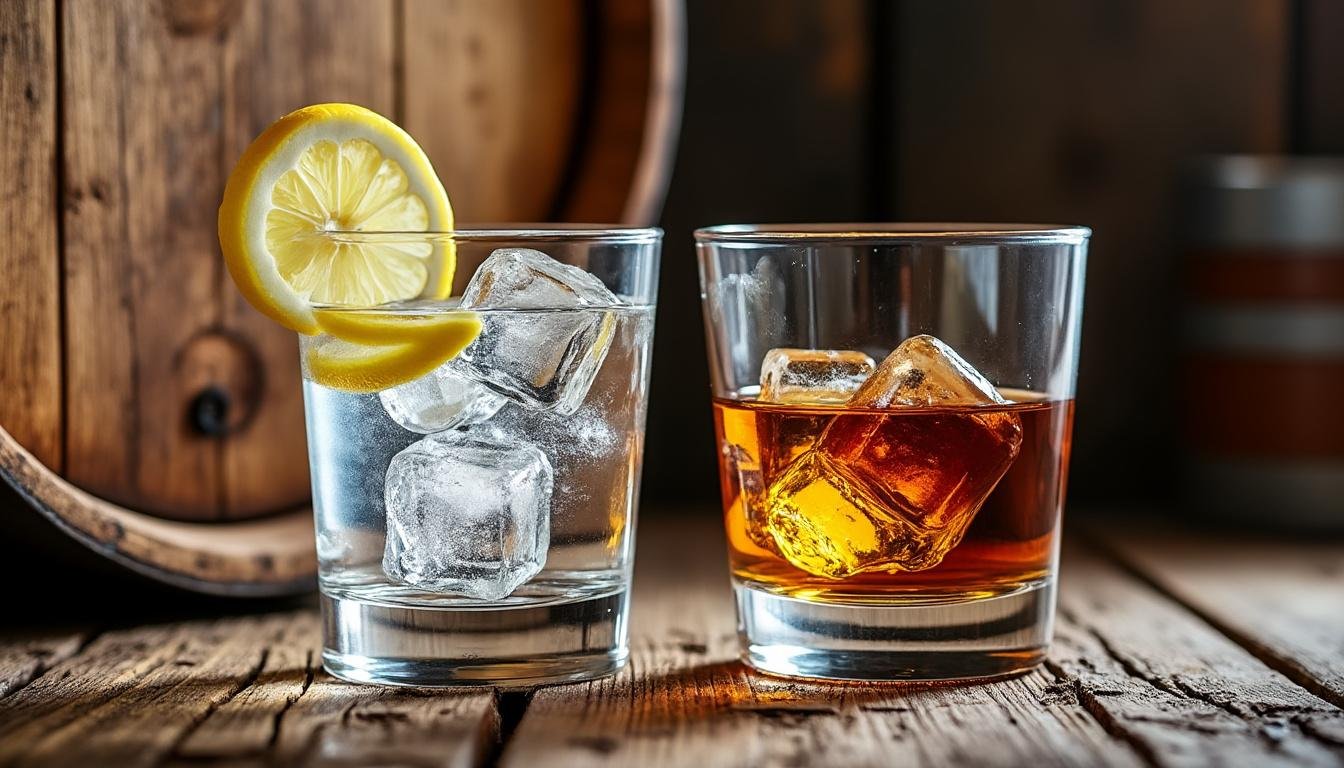
When consumers consider healthier alcohol options, their attention often shifts to whether clear spirits are better for health compared to their darker counterparts. Clear spirits, typically including vodka, gin, and white rum, are often perceived as cleaner or purer, while dark spirits like bourbon, brandy, and dark rum carry a richer hue believed to be linked to higher impurities and calories. To understand these perceptions, it’s essential to delve into the chemical composition, production methods, and nutritional profiles of these beverages.
Clear spirits are distilled to have fewer congeners, which are chemical byproducts of fermentation and aging. Congeners, such as tannins, esters, and aldehydes, contribute to the flavor, aroma, and color of the spirit but can also intensify hangovers and have other physiologic effects. Dark spirits generally contain a higher concentration of these congeners due to aging processes in wooden barrels, while clear spirits often skip this step or have a shorter aging period.
However, this difference in congeners does not automatically translate to a significant health impact. Dietitians emphasize that the actual effects on health hinge more on the quantity consumed and drinking patterns rather than the color or type of spirit. For example, excessive consumption of any alcohol, regardless of it being light or dark, increases risks of liver disease, heart problems, and metabolic imbalances.
In terms of calories, clear spirits and dark spirits generally contain similar amounts, typically about 64-70 calories per 1-ounce shot, depending on proof. The misconception that clear liquors contain fewer calories seems to stem from marketing narratives rather than scientific facts. This is supported by in-depth analyses that reveal no significant caloric advantage in choosing clear over dark liquor.
Notably, drinking habits and mixers paired with spirits often play a stronger role in overall calorie intake and health outcomes than the spirits themselves. For example, cocktails with sugary syrups, sodas, or liqueurs dramatically increase calorie consumption. Therefore, understanding Spirit Calories within the broader context of Alcohol and Health is crucial for making healthier choices.
Alcohol Effects: How Congeners Influence Health and Hangovers
The role of congeners in Alcohol Effects is a topic widely discussed among health professionals and dieters alike. Congeners are naturally occurring compounds in alcoholic beverages that contribute to taste, smell, and color, but they may also influence the severity of hangovers and other physical reactions after drinking.
Research points out that dark spirits, enriched with congeners from prolonged aging in charred barrels, can cause more severe hangovers compared to clear spirits. For instance, bourbon and brandy have higher congener concentrations than vodka or gin. Dietitians note that congeners are metabolized differently and might induce oxidative stress or impact inflammatory pathways, potentially leading to worsened symptoms the next day.
Yet, it’s important to acknowledge the multifactorial nature of hangovers. Factors such as hydration levels, individual metabolic differences, overall alcohol quantity, and drinking speed also influence how a person feels post-consumption. Simply switching to clear spirits as a remedy for hangovers is an oversimplification and a common Alcohol Myths misconception. Balanced, moderate consumption combined with water intake, nutritious food, and rest remains the best practice.
It’s also vital to consider potential long-term health consequences. While congeners may aggravate acute effects such as headaches or nausea, the chronic health risks from alcohol — including increased cancer risk and liver damage — stem more from ethanol itself than congeners. Thus, both clear and dark spirits carry inherent risks that must be managed through healthy drinking behaviors.
Nutrition and Alcohol: Caloric Content and Its Impact on Health
One common question is whether choosing clear spirits over dark spirits can aid in weight management or reduce calorie intake. The misconception is widespread: many people believe that clear liquors contain fewer calories, making them a “healthier” or more “diet-friendly” choice. However, nutrition experts clarify that all distilled spirits contain a similar amount of calories per volume when comparing equal alcohol content.
Spirit Calories largely derive from ethanol, which provides approximately 7 calories per gram, almost as dense as pure fat. Therefore, the alcohol proof (percentage of ethanol) in the beverage determines the calorie content more than its color or type. For example, a 1.5-ounce serving of 80-proof vodka contains about the same number of calories as the same serving of 80-proof whiskey or rum.
Furthermore, flavor additives, sugar content, and mixers significantly impact the total caloric intake associated with drinking. Dark spirits, especially those aged in caramelized barrels, may have trace amounts of sugars or additives, but these do not usually amount to a meaningful calorie difference.
Dietitians’ advice stresses maintaining awareness of how much and what you mix with your drink. Cocktails with sugary sodas, cream, syrups, or fruit juices add substantial calories, often surpassing the calories in the alcohol itself. Choosing low-calorie mixers like soda water or fresh citrus juice can promote healthier drinking habits without sacrificing enjoyment.
To sum up, the focus for those monitoring calories should be on the total alcohol consumed and mixer choices rather than solely on the color or brand of spirits. This aligns with contemporary guidance from reputable sources like the Cleveland Clinic on healthiest alcoholic drinks.
Dietitians Advice on Choosing Alcohol for Healthier Drinking Practices
It is critical to approach the question “Are Clear Spirits Healthier Than Dark Ones?” through the lens of broader lifestyle and health behaviors. Registered dietitians consistently emphasize moderation, drinking frequency, and context over the specific type or color of alcohol.
Clear spirits may offer benefits for some individuals primarily because of their lower congener content, potentially leading to milder hangovers and less oxidative stress short term. However, this does not equate to better health outcomes in the long run if consumption is excessive.
Here is a concise list of dietitians’ top recommendations regarding alcohol consumption in 2026:
- Moderation is key: Limit intake according to recommended guidelines (e.g., no more than one drink per day for women, two for men).
- Mind the mixers: Avoid sugary additives and emphasize lower-calorie options to reduce total calorie load.
- Hydration matters: Drink water alongside alcohol to minimize hangover symptoms and support metabolism.
- Be aware of your health conditions: Consider personal factors like liver health, blood sugar control, and medications.
- Prioritize quality over quantity: Savor smaller amounts of preferred spirits rather than consuming large quantities indiscriminately.
Ultimately, dietitians suggest focusing more on how much and in what context you drink rather than getting caught in the debate over whether clear spirits are healthier than dark ones. For those seeking well-rounded guidance about alcohol’s role in nutrition and wellness, exploring evidence-based resources such as alcohol awareness platforms offers valuable insights.

Alcohol Myths Debunked: The Real Story Behind Clear Versus Dark Liquors
The myth that clear spirits are inherently healthier than dark ones is firmly entrenched in popular culture yet does not withstand scientific scrutiny. This misconception often arises from oversimplified marketing claims, selective anecdotes, and misunderstandings about congeners and Alcohol Effects.
Recent analyses clarify that while congeners in dark spirits may contribute to more intense hangovers, they do not make dark liquors markedly less healthy overall. Instead, multiple dimensions of alcohol’s impact — including genetic predispositions, quantity ingested, pace of drinking, and concurrent food intake — play more significant roles.
To illustrate, let’s consider a hypothetical case. Jane enjoys bourbon but drinks responsibly with water and good meals. Mark prefers vodka but tends to binge drink without eating. Despite bourbon having more congeners, Jane is likely to experience fewer health detriments than Mark, emphasizing lifestyle factors over spirit color.
Moreover, some “healthy drinking” trends promote red wine or natural ciders over spirits due to their antioxidant polyphenols. However, these benefits only occur with moderate consumption and do not make these beverages risk-free.
The best approach to alcohol involves recognizing its calories and physiological impacts, educating oneself on safe limits, and choosing drinks that align with personal health and social circumstances.
For a deeper exploration of these myths and facts, examining expert perspectives in sources such as Food and Wine’s analysis provides comprehensive clarity.
Are clear spirits truly lower in calories than dark spirits?
No, clear and dark spirits contain similar calories per volume, primarily dependent on their alcohol content or proof rather than color.
Do congeners in dark spirits cause worse hangovers?
Yes, congeners can contribute to more intense hangovers, but drinking amount and hydration also significantly affect symptoms.
Is it healthier to avoid alcohol altogether?
Avoiding alcohol reduces risks related to liver disease, certain cancers, and other health issues. For some, moderation might be acceptable under medical advice.
How can I drink spirits more healthily?
Focus on moderation, choose lower-calorie mixers, hydrate adequately, and be mindful of your overall diet and medical conditions.
Can darker spirits negatively affect nutrition compared to clear spirits?
Not significantly; the nutritional difference is minimal with similar calorie counts. Lifestyle and quantity matter more.
