


Understanding the Impact of Social Connections on Inflammation and Health
Chronic inflammation is a widespread challenge that affects millions of people worldwide, playing a major role in diseases such as heart disease, diabetes, arthritis, and even some forms of cancer. While many associate inflammation simply with physical symptoms like joint pain or skin rashes, it operates at a cellular level that can profoundly influence overall wellness and the immune system. Amid the numerous strategies to combat this condition, one simple daily habit stands out due to its holistic effect: nurturing strong social connections.
Social relationships are not merely an emotional comfort; they have a robust biological influence that directly impacts inflammation levels in the body. Researchers Elissa Epel, PhD, and Elizabeth Blackburn, PhD, illustrate in their influential book The Telomere Effect how chronic psychological stress can shorten telomeres—protective caps on chromosomes that regulate aging and cell health. Conversely, healthy, supportive relationships have been shown to buffer this effect, reducing low-grade inflammation and enhancing immune responses.
Studies spanning all ages highlight that those engaged in nurturing relationships exhibit lower systemic inflammation and better health outcomes than those with cold, conflict-ridden connections. This evidence emphasizes that inflammation is not just a physical process but one intricately linked to our social environments. Building and maintaining positive interactions releases neurotransmitters like oxytocin and endorphins, which alleviate stress hormones like cortisol, thereby fostering emotional resilience and cognitive agility.
Lourdes Ramón, a longevity expert, refers to social bonds as an “essential biological nutrient” because of their ability to regulate hormones, modulate inflammation, and maintain psychological well-being. From cozy dinners with friends to thoughtful phone calls, these daily habits promote a warm neurochemical environment that shields the body from the damages of chronic inflammation.
10 quick checks to spot low-quality supplements before you buy - plus research-backed doses for 12 common ingredients. Free PDF, no spam.
Moreover, social connection extends beyond momentary relief; it cultivates a meaningful sense of purpose or ikigai. Having a clear life purpose, fuelled by community and belonging, enhances coping mechanisms against stress, bolsters mental clarity, and is strongly associated with increased longevity. In the realm of inflammation management, the integration of such natural social remedies into lifestyle routines is invaluable and offers a sustainable approach towards long-term health.

How Strong Relationships Naturally Promote Anti-Inflammatory Lifestyle Habits
In 2026, health experts continue to elucidate how lifestyle influences chronic inflammation, with an increasing emphasis on daily habits rather than quick fixes or medications. Interestingly, strong social connections play a crucial role in forming and maintaining anti-inflammatory lifestyle decisions, thereby embodying a natural remedy against disease progression.
When individuals feel supported and valued by their social circle, they tend to practice better health behaviors almost instinctively. For example, those in nurturing environments are more likely to engage in regular physical activity, prioritize nutritious meal choices rich in anti-inflammatory foods like colorful fruits, vegetables, and omega-3 fatty acids, and maintain more consistent sleep schedules. This cascade effect is due to the regulation of the amygdala and other brain areas that influence motivation and impulse control.
Furthermore, research from clinics such as the Palasiet Wellness Clinic in Spain has found that people with high social cohesion exhibit less immune system reactivity to stressors. This means their bodies respond more effectively to acute inflammation without tipping into chronic, damaging states. Such people often incorporate mindful practices and gentle morning movement as part of their routines, activities scientifically validated for their anti-inflammatory benefits (effective morning routines fight chronic inflammation).
Strong relationships also support emotional health, providing buffers against daily life stressors that trigger excess cortisol production. Elevated cortisol is a known culprit in reducing immune defenses and exacerbating chronic inflammation. Through regular social engagement, the resulting emotional resilience facilitates healthier coping mechanisms, reducing the likelihood of inflammatory flare-ups.
Below is a list detailing lifestyle habits positively influenced by strong social ties:
- Consistent physical activity: Encouraged by social accountability and group exercises.
- Balanced nutrition: Shared meals often revolve around healthy, anti-inflammatory options.
- Stress management: Social support reduces perception of stress and enhances relaxation.
- Improved sleep quality: Emotional comfort from connections promotes restful sleep.
- Regular health check-ups: Encouragement from peers motivates proactive care.
By consciously integrating time for connection into daily life, individuals reinforce their natural immune defenses and reduce vulnerability to the adverse effects of chronic inflammation. For more practical advice on adopting such positive habits, reliable sources like everyday strategies for reducing inflammation provide evidence-based insights.
Morning Rituals That Harness Social Interaction to Fight Inflammation
Starting the day with purposeful routines can dramatically influence how chronic inflammation develops and persists. Among various effective practices, incorporating small social interactions as part of your morning ritual emerges as an approachable and scientifically supported habit.
Whether it’s sharing breakfast with family, exchanging a quick “good morning” with a housemate or neighbor, or participating in online community groups, these social moments trigger the release of dopamine and endorphins. These neurotransmitters not only enhance mood but also temper inflammatory pathways across multiple systems.
Morning engagement with others also encourages a positive mindset that can sustain throughout the day, decreasing cortisol surges that often occur under stress. This helps regulate immune responses and protects delicate biological structures, such as telomeres, from accelerated wear due to inflammation.
In fact, a number of morning habits have been identified as effective preventatives for inflammation when paired with social connection. These include:
- Gentle physical movement like stretching or walking.
- Mindfulness or meditation focused on gratitude and connection.
- Consuming anti-inflammatory foods, particularly berries or green tea.
- Engaging in meaningful conversation—even brief—before starting the day’s tasks.
Experts behind morning habits to help prevent inflammation highlight that combining these routines fosters a biological environment that supports wellness and suppresses chronic inflammation.
This daily approach, simple yet powerful, forms a natural remedy accessible to almost everyone, enhancing both emotional and physical health through social connection. Leveraging mornings to incorporate these habits can act as a cornerstone of a sustainable anti-inflammatory lifestyle in 2026 and beyond.
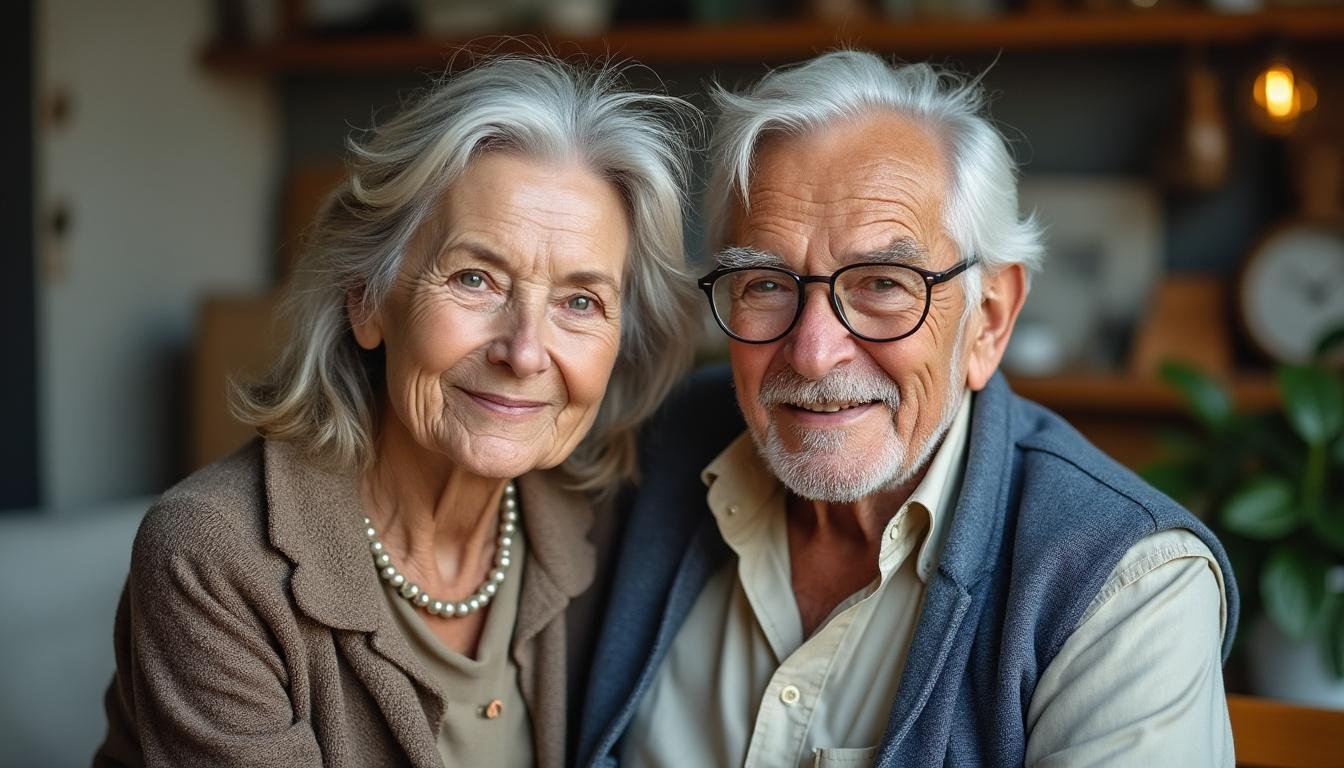
Natural Remedies: Integrating Social Bonds with Nutrition to Lower Inflammation
The relationship between diet and inflammation is well-documented, with anti-inflammatory foods such as fatty fish, leafy greens, and nuts frequently recommended to balance immune responses. However, adding a social dimension to mealtime can amplify these benefits, making nutrition an even more effective natural remedy.
Eating in a social setting has been shown to improve digestion by reducing stress and enhancing the release of digestive enzymes. This process supports the gut—a key player in immune system function and inflammation regulation. A relaxed, joyful mealtime encourages the body to process nutrients efficiently, thus maximizing the impact of an anti-inflammatory diet.
Moreover, social mealtimes often lead to richer, more diverse food choices, as individuals share recipes, tips, and enthusiasm for health-conscious eating. This communal aspect can motivate people to maintain consistent consumption of foods that fight inflammation naturally, a habit strongly recommended by health scientists sharing daily routines for wellness (health scientist shares 15 anti-inflammatory daily habits).
Beyond just the nutritional advantages, having a support network during meal planning and preparation encourages accountability and enjoyment. These experiences help transform healthy eating from a chore into a rewarding practice, strengthening overall lifestyle adherence. This fusion of social bonds and nutrition conveys a double benefit: improved mental wellness and robust immune defense against chronic inflammation.
For those seeking to deepen this natural remedy, resources on how to naturally reduce inflammation offer practical guidance on pairing dietary choices with supportive social environments to maximize results.
The Role of Community and Small Daily Interactions in Long-term Inflammation Control
While grand social gestures and large gatherings have their time and place, it’s often the small, consistent daily interactions that form the backbone of inflammation control and lasting health. Simple connections, such as brief chats with neighbors, texting a friend, or participating in a local club, generate repeated releases of calming neurotransmitters that sustain immune regulation.
Such ongoing social engagement mitigates feelings of loneliness and isolation, which research has found to be strongly correlated with higher systemic inflammation. Even subtle forms of connection provide a sense of belonging and reinforce psychological well-being, which directly influences physical health markers related to inflammation.
Lourdes Ramón emphasizes that these minor social habits support what she terms ‘vital coherence’—a harmonious state fostering balanced hormone levels and less immune overactivation. This state is essential for preventing the chronic inflammation that underlies premature aging and numerous health conditions.
Integrating small daily interactions into your lifestyle can be approached through various strategies, including:
- Regularly greeting coworkers or acquaintances to build rapport.
- Scheduling short weekly calls with friends or family members.
- Joining community groups focused on shared interests or wellness.
- Engaging in acts of kindness, which foster positive neurochemical feedback.
- Participating in social hobbies such as book clubs, gardening groups, or walking clubs.
These efforts create a powerful anti-inflammatory buffer while enriching your life’s purpose and fulfillment, ultimately boosting longevity and resistance to chronic illness. For inspiration on cultivating healthy social habits that contribute to inflammation management, explore everyday habits to ease inflammation and easy ways to keep inflammation in check.
How exactly do social connections reduce inflammation?
Social connections trigger the release of neurotransmitters like oxytocin and endorphins which reduce the stress hormone cortisol, a known driver of chronic inflammation. This hormonal balance helps regulate immune response and protects cellular health.
Can small social interactions really impact chronic inflammation?
Yes, even brief or casual daily interactions contribute to improved emotional resilience and reduced stress, which lowers systemic inflammation markers over time.
What are some easy daily habits to incorporate social connection for inflammation control?
Simple habits include having meals with loved ones, engaging in morning greetings, making regular phone calls, and participating in group activities. These create consistent anti-inflammatory effects.
How does a sense of purpose or ikigai relate to inflammation?
A clear life purpose fosters psychological well-being and stress coping capabilities, both of which correlate with lower inflammatory levels and healthier aging.
Are there any online resources to learn about anti-inflammatory lifestyles with social elements?
Yes, sites offering guidance on everyday strategies, dietary habits, and morning routines can provide comprehensive plans for reducing inflammation naturally within supportive social contexts.
10 quick checks to spot low-quality supplements before you buy - plus research-backed doses for 12 common ingredients. Free PDF, no spam.
